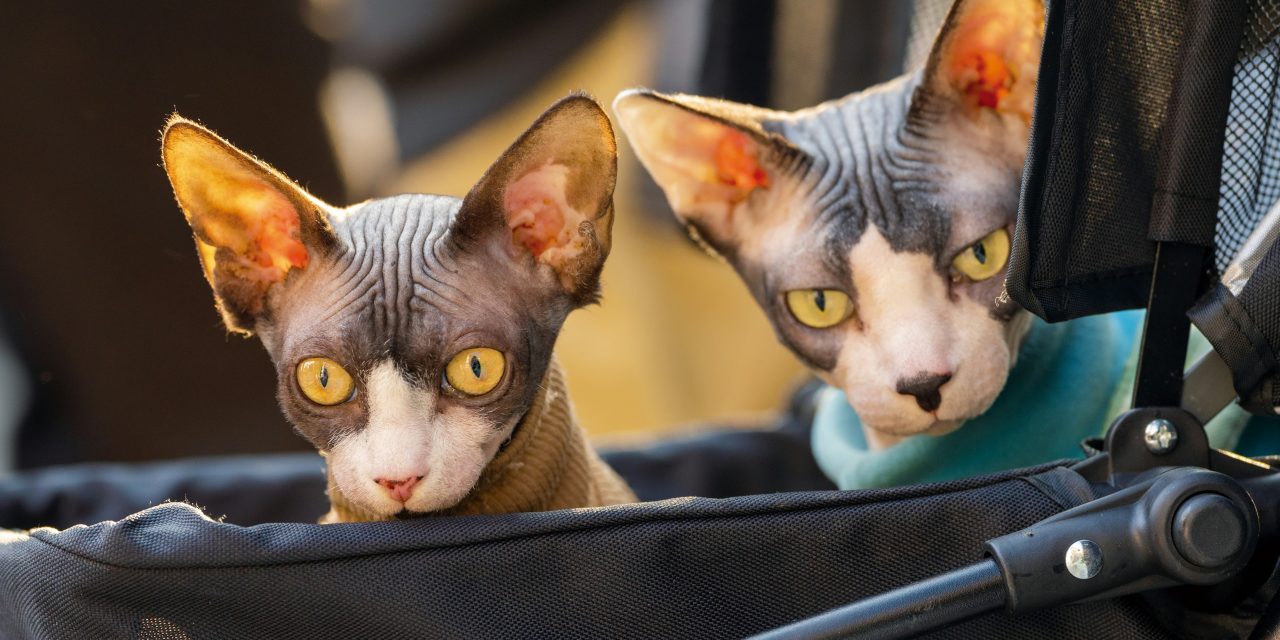
Sphynx cats, renowned for their hairless appearance, possess distinct physiological and behavioral characteristics that necessitate specialized care. Unlike their fur-covered counterparts, Sphynx cats lack a protective coat, making them more susceptible to environmental factors such as temperature fluctuations and skin irritations. Their unique skin composition requires vigilant attention to maintain optimal health and comfort. Additionally, Sphynx cats exhibit a higher metabolic rate, which translates to increased energy levels and a greater need for caloric intake.
Understanding the unique needs of Sphynx cats extends beyond mere physical care; it encompasses their emotional and social requirements as well. These felines are known for their affectionate and playful nature, often forming strong bonds with their human companions. They thrive on interaction and stimulation, necessitating an environment that fosters social engagement. Recognizing these needs is crucial for ensuring the overall well-being of Sphynx cats, as neglecting their emotional health can lead to behavioral issues and stress-related disorders.
Creating a Comfortable and Warm Living Environment
Creating a comfortable living environment for Sphynx cats is paramount to their well-being. Due to their lack of fur, these cats are particularly sensitive to cold temperatures. It is essential to maintain a warm indoor climate, ideally between 70°F to 80°F (21°C to 27°C). Providing cozy bedding options, such as heated cat beds or blankets, can help regulate their body temperature and offer a sense of security.
In addition to temperature control, the living space should be enriched with various stimuli to cater to their inquisitive nature. Cat trees, scratching posts, and interactive toys can provide both physical exercise and mental stimulation. Ensuring that the environment is free from drafts and has safe hiding spots will further enhance their comfort and security. By creating a nurturing atmosphere, owners can significantly contribute to the happiness and health of their Sphynx companions.
Proper Bathing Techniques for Hairless Skin

Bathing Sphynx cats is an essential aspect of their grooming routine due to the absence of fur, which typically absorbs oils and dirt. Regular baths help remove excess oil buildup on their skin, preventing skin irritations and infections. It is recommended to bathe Sphynx cats every 1-2 weeks using a gentle, hypoallergenic cat shampoo specifically formulated for sensitive skin.
When bathing a Sphynx cat, it is crucial to prepare the environment beforehand. Gather all necessary supplies, including shampoo, towels, and a non-slip mat for safety. Fill a sink or tub with lukewarm water, ensuring it is not too deep to avoid overwhelming the cat. Gently wet the cat’s body while avoiding the head area initially. Apply the shampoo in small amounts, massaging it into the skin with care. Rinse thoroughly to remove all soap residue, as leftover products can lead to irritation. After bathing, wrap the cat in a warm towel to dry them off gently.
Daily Skin Care and Moisturizing Tips

Daily skin care is vital for maintaining the health of Sphynx cats. Their skin tends to be more prone to dryness and irritation due to environmental factors and lack of fur protection. Regularly inspecting the skin for any signs of redness, bumps, or lesions is essential for early detection of potential issues.
Moisturizing is an integral part of their skincare routine. Using a veterinarian-recommended moisturizer can help maintain skin hydration and prevent dryness. Products containing natural ingredients such as aloe vera or coconut oil are often beneficial. Applying a small amount of moisturizer after bathing or during daily grooming sessions can help keep the skin supple and healthy. Additionally, ensuring that the cat has access to fresh water at all times aids in overall hydration.
Cleaning and Caring for Ears and Eyes
Sphynx cats are prone to earwax buildup due to their unique ear structure. Regular ear cleaning is essential to prevent infections and discomfort. Owners should inspect the ears weekly for any signs of wax accumulation or debris. Using a veterinarian-approved ear cleaner on a cotton ball or pad can help gently remove excess wax without causing harm.
Eye care is equally important for Sphynx cats, as they may experience tear staining or discharge due to their facial structure. Regularly wiping the eyes with a damp cloth can help keep them clean and free from irritation. If excessive tearing or redness occurs, consulting a veterinarian is advisable to rule out any underlying health issues.
Nail Trimming and Paw Maintenance
Nail trimming is an essential aspect of Sphynx cat care that should not be overlooked. Regular nail maintenance prevents overgrowth, which can lead to discomfort or injury. It is recommended to trim nails every 2-4 weeks, depending on the cat’s activity level and lifestyle. Using specialized cat nail clippers or human nail clippers can make this task easier.
In addition to nail trimming, paw maintenance is crucial for overall foot health. Inspecting the paws regularly for any signs of injury or foreign objects lodged between the toes is essential. Keeping the paw pads clean and moisturized can prevent cracking or dryness, especially in colder climates where salt or chemicals may be present on sidewalks.
Feeding a Balanced Diet for Optimal Health
A balanced diet is fundamental for maintaining the health of Sphynx cats. Due to their higher metabolic rate, these cats require a diet rich in high-quality protein sources such as chicken, turkey, or fish. It is advisable to choose premium commercial cat food formulated specifically for hairless breeds or those with high energy needs.
Portion control is also vital; feeding guidelines provided by manufacturers should be followed closely while considering individual factors such as age, weight, and activity level. Supplementing their diet with omega-3 fatty acids can promote healthy skin and coat (even if they lack fur). Consulting with a veterinarian regarding dietary needs can ensure that Sphynx cats receive optimal nutrition tailored to their specific requirements.
Regular Vet Checkups and Health Monitoring
Regular veterinary checkups are crucial for maintaining the health of Sphynx cats. Routine examinations allow for early detection of potential health issues such as skin infections, dental problems, or heart conditions that may be more prevalent in this breed. Annual vaccinations and parasite prevention measures should also be part of their healthcare regimen.
Monitoring weight and overall condition at home is equally important. Owners should keep track of any changes in appetite, energy levels, or behavior that may indicate underlying health concerns. Maintaining an open line of communication with a veterinarian ensures that any issues are addressed promptly and effectively.
Socialization and Mental Stimulation
Sphynx cats thrive on social interaction and mental stimulation due to their playful nature. Engaging them in interactive play sessions using toys such as feather wands or laser pointers can provide both physical exercise and mental enrichment. Additionally, incorporating puzzle feeders into their routine encourages problem-solving skills while making mealtime more engaging.
Socialization with other pets and humans is equally important for fostering well-rounded behavior in Sphynx cats. Introducing them gradually to new experiences helps build confidence and reduces anxiety in unfamiliar situations. Providing opportunities for positive interactions will contribute significantly to their emotional well-being.
Recognizing and Preventing Common Health Issues
Sphynx cats are predisposed to certain health issues that owners should be aware of for early detection and prevention. Common concerns include hypertrophic cardiomyopathy (HCM), a genetic heart condition that affects many breeds but is particularly prevalent in Sphynx cats. Regular veterinary checkups that include cardiac evaluations can help monitor heart health.
Skin problems such as dermatitis or fungal infections may also arise due to their unique skin type. Maintaining proper hygiene through regular bathing and moisturizing can mitigate these risks significantly. Additionally, being vigilant about any changes in behavior or physical appearance will aid in recognizing potential health issues early on.
Grooming Tools and Products Recommended for Sphynx Cats
Investing in appropriate grooming tools is essential for maintaining the health and hygiene of Sphynx cats. Recommended products include soft-bristle brushes designed specifically for hairless breeds, which can help distribute natural oils across the skin without causing irritation.
For bathing purposes, hypoallergenic shampoos formulated for sensitive skin are ideal choices that minimize allergic reactions while effectively cleansing the skin. Ear cleaners designed for feline use are also crucial for maintaining ear hygiene without causing discomfort.
In conclusion, caring for Sphynx cats requires an understanding of their unique needs encompassing physical health, emotional well-being, and environmental enrichment. By providing a warm living space, adhering to proper grooming techniques, ensuring balanced nutrition, scheduling regular veterinary visits, and fostering socialization opportunities, owners can significantly enhance the quality of life for these affectionate felines.
In summary:
– Sphynx cats require specialized care due to their hairless nature.
– A warm living environment is crucial for their comfort.
– Regular bathing and moisturizing are essential for skin health.
– Ear and eye care should be part of routine maintenance.
– Nail trimming prevents injury while paw maintenance ensures foot health.
– A balanced diet supports optimal health.
– Regular vet checkups are vital for early detection of health issues.
– Socialization enhances emotional well-being.
– Awareness of common health concerns allows for proactive management.
– Appropriate grooming tools facilitate effective care routines.
By adhering to these guidelines, owners can ensure that their Sphynx cats lead happy, healthy lives filled with love and companionship.
FAQs
What are the basic grooming needs of a Sphynx cat?
Sphynx cats require regular grooming despite their lack of fur. Their skin produces oils that can accumulate, so it’s important to bathe them weekly or bi-weekly to keep their skin clean and healthy. Additionally, regular ear cleaning and nail trimming are essential to maintain their overall hygiene.
How should I feed my Sphynx cat?
Sphynx cats have a high metabolism and require a balanced diet rich in protein and healthy fats. It’s recommended to feed them high-quality commercial cat food, either wet or dry, specifically formulated for their nutritional needs. Always ensure they have access to fresh water and consult with a veterinarian for personalized dietary recommendations.
Do Sphynx cats have any specific health concerns?
Yes, Sphynx cats can be prone to certain health issues, including skin problems, respiratory issues, and heart conditions such as hypertrophic cardiomyopathy (HCM). Regular veterinary check-ups and monitoring for any signs of illness are crucial for maintaining their health.
How can I keep my Sphynx cat comfortable in different temperatures?
Sphynx cats are sensitive to temperature changes due to their lack of fur. In colder weather, provide them with warm bedding and consider using sweaters or blankets. In warmer weather, ensure they have access to cool areas and avoid direct sunlight to prevent overheating.
What is the best way to socialize a Sphynx cat?
Socializing a Sphynx cat involves exposing them to various environments, people, and other pets from a young age. Positive reinforcement, such as treats and praise, can help them feel more comfortable. Regular playtime and interaction will also help them develop a friendly and outgoing personality.