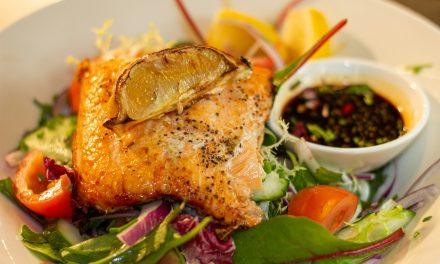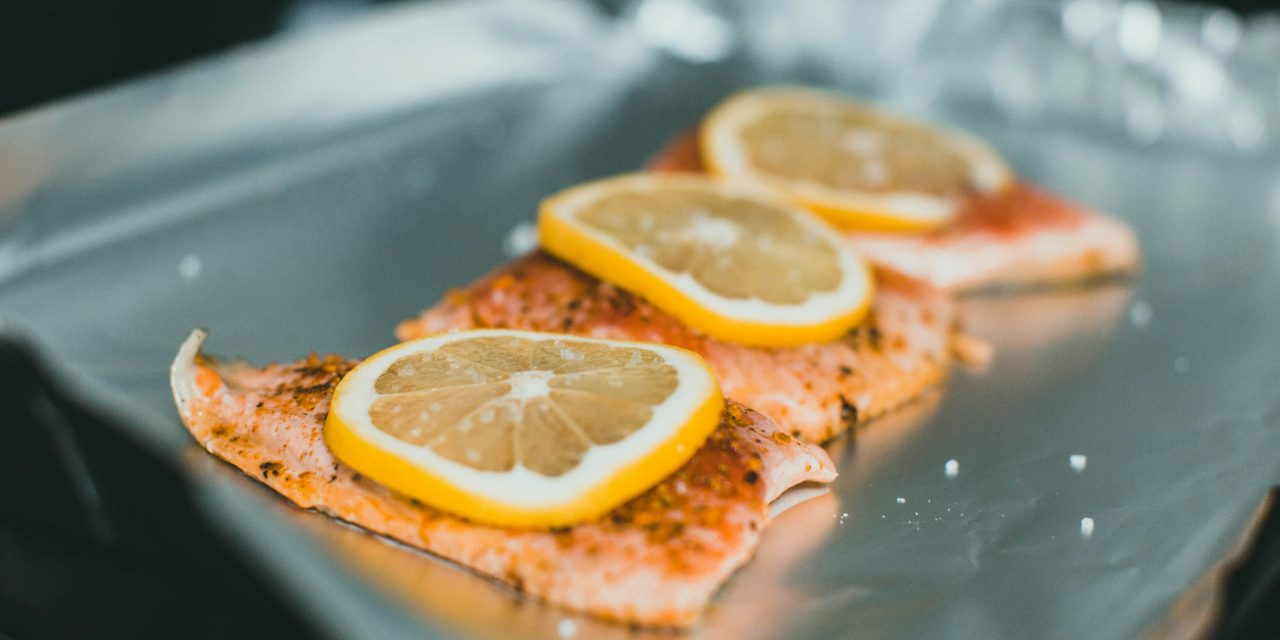
Selecting the appropriate cut of salmon is paramount for achieving optimal grilling results. The most popular choices include fillets, steaks, and whole fish. Salmon fillets, particularly those from the belly or center cut, are favored for their rich flavor and tender texture. These cuts are typically thicker, allowing for a more forgiving cooking process, which is essential when grilling. On the other hand, salmon steaks, cut perpendicular to the spine, offer a robust presentation and are ideal for those who enjoy a heartier piece of fish. Whole salmon can also be grilled, providing a dramatic centerpiece for gatherings, but requires more skill and attention to ensure even cooking.
When selecting salmon, consider the source and quality. Wild-caught salmon is often preferred due to its superior flavor profile and nutritional benefits compared to farmed varieties. Look for vibrant color, firm texture, and a fresh ocean scent. The flesh should be moist but not slimy, indicating freshness. Additionally, sustainable sourcing is crucial; opt for salmon certified by organizations like the Marine Stewardship Council (MSC) to ensure environmentally responsible fishing practices.
If you’re looking to enhance your grilling skills, particularly when it comes to salmon, you might find it helpful to explore techniques that prevent sticking on the grill. For more culinary inspiration, check out this article on making delicious and healthy Easy Banana Oatmeal Muffins with No Added Sugar. You can find it here: Easy Banana Oatmeal Muffins.
Preheat Your Grill Properly Before Cooking
Preheating your grill is a critical step that should never be overlooked. A properly preheated grill ensures that the salmon cooks evenly and develops a beautiful sear. For gas grills, ignite the burners and set them to medium-high heat, allowing the grill to reach an internal temperature of approximately 400°F to 450°F (204°C to 232°C). This temperature range is ideal for grilling salmon, as it allows for a quick sear while maintaining moisture within the fish.
Charcoal grills require a slightly different approach. Light the charcoal and allow it to burn until covered with white ash, indicating that it has reached optimal heat. Spread the coals evenly beneath the grilling surface to create direct heat zones. Using a grill thermometer can help monitor the temperature accurately. Preheating not only enhances flavor through caramelization but also reduces the likelihood of sticking, making it easier to achieve that perfect grill mark.
Clean and Oil the Grill Grates Thoroughly

A clean grill is essential for both flavor and safety. Residue from previous grilling sessions can impart unwanted flavors and create sticking issues. Begin by scrubbing the grates with a stiff brush while they are still warm to remove any debris or charred remnants. After cleaning, rinse with water and dry thoroughly to prevent rusting.
Once clean, oiling the grates is crucial for preventing sticking. Use a high smoke point oil such as canola or grapeseed oil. Apply the oil using a paper towel or cloth, ensuring an even coating across the grates. This step not only creates a non-stick surface but also contributes to achieving those coveted grill marks on your salmon. Remember that oiling should be done just before placing the fish on the grill to maintain its effectiveness.
Use a High-Quality Non-Stick Oil or Marinade

Incorporating a high-quality non-stick oil or marinade can significantly enhance your grilling experience. Marinades not only add flavor but also create a barrier that helps prevent sticking. A simple marinade can consist of olive oil, lemon juice, garlic, and herbs such as dill or parsley. Allow the salmon to marinate for at least 30 minutes before grilling; this will infuse it with flavor while also providing moisture during cooking.
Alternatively, consider using non-stick sprays specifically designed for grilling. These sprays often contain oils that withstand high temperatures without burning, ensuring that your salmon releases easily from the grates. Regardless of your choice, ensure that any oil or marinade used complements the natural flavors of the salmon without overpowering them.
Grilling salmon can be a delightful experience, but one common concern is preventing the fish from sticking to the grill. To master this technique, it’s helpful to explore various tips and tricks that can enhance your grilling skills. For instance, you might find inspiration in an article about delicious beef tips that can elevate any dinner night, which you can read here. By applying similar principles of preparation and seasoning, you can ensure your salmon turns out perfectly cooked and easy to handle on the grill.
Grill Skin-Side Down to Prevent Sticking
When grilling salmon fillets with skin, always start with the skin-side down on the grill grates. The skin acts as a protective barrier that helps retain moisture and prevents the delicate flesh from sticking to the grates. This method allows for even cooking while ensuring that the skin crisps up beautifully, adding texture and flavor.
To achieve optimal results, press down gently on the fillet with a spatula for the first minute of cooking. This technique helps ensure good contact between the skin and grill surface, promoting even cooking and crispiness. After a few minutes, you can gently lift one corner of the fillet to check for doneness; if it releases easily from the grill, it’s ready to be flipped.
Avoid Moving the Salmon Too Soon or Too Often
Patience is key when grilling salmon; avoid moving or flipping it too soon or too frequently. Allowing the fish to cook undisturbed for several minutes enables it to develop a crust that enhances flavor and texture while minimizing sticking issues. Typically, salmon fillets require about 4-6 minutes per side depending on thickness.
If you attempt to flip too early, you risk tearing the flesh and losing moisture. Instead, wait until you see clear grill marks forming on the skin side before attempting to flip. This not only ensures better presentation but also allows for even cooking throughout the fillet.
Use a Fish Spatula for Easy Flipping
Utilizing a fish spatula can make flipping salmon significantly easier and less stressful. These specialized spatulas are designed with a thin, flexible blade that slides effortlessly under delicate fish without causing it to break apart. The wide surface area provides ample support when lifting or flipping fillets.
When using a fish spatula, slide it gently under the fillet at an angle, ensuring you’re lifting from both sides of the fish rather than just one end. This technique minimizes stress on the flesh and helps maintain its integrity during cooking. If you encounter resistance when trying to flip, give it more time; forcing it can lead to tearing.
Cook Over Medium-High Heat for Even Cooking
Cooking salmon over medium-high heat is essential for achieving even doneness while preserving moisture within the fish. This temperature allows for a quick sear on the outside while ensuring that the interior cooks through without drying out. Aim for an internal temperature of 125°F (52°C) for medium-rare or 145°F (63°C) for well-done salmon.
To achieve this balance, monitor your grill’s temperature closely using an infrared thermometer or built-in gauge. Adjust burners as necessary to maintain consistent heat throughout cooking. Additionally, consider rotating your fillets halfway through cooking if your grill has hot spots; this ensures even exposure to heat across all areas of the fish.
Monitor Internal Temperature for Perfect Doneness
Monitoring internal temperature is crucial in achieving perfectly cooked salmon. The USDA recommends an internal temperature of 145°F (63°C) for safe consumption; however, many chefs prefer cooking salmon to medium-rare at around 125°F (52°C) for optimal tenderness and flavor retention.
Using an instant-read thermometer can provide accurate readings without compromising the integrity of your fillet. Insert the thermometer into the thickest part of the fish without touching bone or gristle for an accurate measurement. Once your desired temperature is reached, remove the salmon from the grill promptly to prevent overcooking.
Let the Salmon Rest Before Serving
Allowing grilled salmon to rest before serving is an often-overlooked step that can enhance flavor and texture significantly. Resting allows juices within the fish to redistribute evenly throughout its flesh, resulting in a more succulent bite upon serving. Aim for a resting period of about 5 minutes after removing it from the grill.
During this time, cover the salmon loosely with aluminum foil to retain warmth without trapping steam, which could lead to sogginess. This brief pause not only improves taste but also provides an opportunity to prepare accompanying sides or sauces without rushing.
Experiment with Foil or Cedar Planks for Extra Flavor and Non-Stick Benefits
For those seeking additional flavor profiles or non-stick benefits while grilling salmon, consider using foil packets or cedar planks as cooking vessels. Foil packets allow you to create steam-infused environments by enclosing ingredients such as herbs, citrus slices, and vegetables alongside your salmon fillet.
Cedar planks are another excellent option; they impart a subtle smoky flavor while preventing direct contact with grill grates. Soak cedar planks in water for at least an hour before grilling to prevent burning and enhance moisture retention during cooking. Place your seasoned salmon directly on the soaked plank and grill until cooked through; this method not only adds flavor but also simplifies cleanup.
In summary, mastering the art of grilling salmon involves careful selection of cuts, proper preheating techniques, thorough cleaning and oiling of grates, and mindful cooking practices such as monitoring temperatures and allowing resting time post-cooking. By employing these strategies along with creative methods like foil packets or cedar planks, you can elevate your grilling game while ensuring delicious results every time.
In conclusion, grilling salmon requires attention to detail at every stage—from choosing quality cuts to monitoring internal temperatures—ensuring that each bite is flavorful and perfectly cooked. By following these guidelines and experimenting with various techniques, you can enjoy delicious grilled salmon that impresses family and friends alike while maintaining its health benefits and rich taste profile.
FAQs
What are the best types of salmon to grill?
The best types of salmon for grilling include King (Chinook), Sockeye, and Coho salmon. These varieties are known for their rich flavor and firm texture, which hold up well on the grill.
How can I prevent salmon from sticking to the grill?
To prevent salmon from sticking, ensure the grill is preheated and clean. Use a high smoke point oil, such as canola or grapeseed oil, to coat the grill grates. Additionally, placing the salmon skin-side down can help reduce sticking.
Should I marinate salmon before grilling?
Marinating salmon before grilling can enhance its flavor and moisture. A simple marinade of olive oil, lemon juice, and herbs can be effective. However, avoid marinating for too long, as the acid can break down the fish’s texture.
What temperature should I grill salmon at?
Grill salmon at a medium-high temperature, around 375°F to 400°F (190°C to 200°C). This temperature allows for even cooking while achieving a nice sear on the outside without overcooking the inside.
How long should I grill salmon for optimal results?
Grill salmon for about 4 to 6 minutes per side, depending on the thickness of the fillet. A general rule is to cook it for about 8 to 10 minutes per inch of thickness. The salmon is done when it flakes easily with a fork and has an internal temperature of 145°F (63°C).