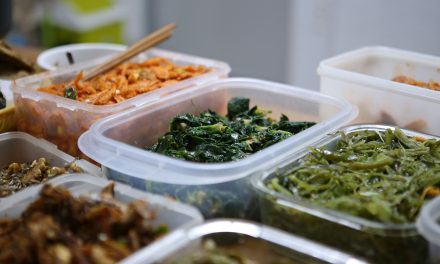
In today’s fast-paced world, the significance of budget meal preparation cannot be overstated. It serves as a strategic approach to not only save money but also to promote healthier eating habits. By planning meals in advance, individuals can avoid impulsive purchases that often lead to unhealthy choices and overspending. Budget meal prep allows for the creation of balanced meals that are both nutritious and cost-effective, ensuring that individuals and families can maintain a healthy lifestyle without breaking the bank.
Moreover, budget meal prep fosters a sense of discipline and organization in one’s culinary routine. It encourages individuals to be mindful of their food choices, leading to reduced food waste and better utilization of resources. By preparing meals in advance, one can streamline cooking processes throughout the week, making it easier to adhere to dietary goals and preferences. This proactive approach not only enhances physical well-being but also contributes to mental clarity and satisfaction derived from achieving financial and health-related objectives.
If you’re looking to streamline your meal prep process and save money, creating a budget meal prep grocery list is essential. For additional tips on maintaining a clean and organized kitchen, which can greatly enhance your meal prep experience, check out this article on 10 Easy Ways to Clean Your Home When You Have No Motivation. A tidy kitchen not only makes cooking more enjoyable but also helps you stick to your budget by reducing food waste and keeping track of your ingredients.
Assessing Your Weekly Meal Needs
To embark on an effective budget meal prep journey, it is essential to assess your weekly meal requirements meticulously. Begin by evaluating your dietary preferences, nutritional needs, and any specific health goals you may have. Consider factors such as caloric intake, macronutrient distribution, and any food allergies or intolerances that must be accommodated. This assessment will serve as the foundation for your meal planning, ensuring that you create a menu that aligns with your lifestyle.
Additionally, take into account the number of meals you need to prepare for the week. This includes breakfast, lunch, dinner, and snacks. For families, it is crucial to involve all members in this assessment process to cater to varying tastes and preferences. By understanding your weekly meal needs comprehensively, you can create a structured plan that minimizes food waste while maximizing nutritional value.
Taking Inventory of Your Pantry and Fridge

Before diving into meal preparation, conducting a thorough inventory of your pantry and refrigerator is imperative. This step allows you to identify existing ingredients that can be utilized in your meal planning, thereby reducing unnecessary purchases. Begin by categorizing items based on their type—grains, proteins, vegetables, and condiments—and check expiration dates to ensure freshness.
Once you have a clear understanding of what you already possess, you can creatively incorporate these ingredients into your planned meals. For instance, if you have leftover quinoa or canned beans, consider recipes that highlight these items as central components. This practice not only saves money but also encourages culinary creativity by challenging you to use what you have on hand.
Planning Simple and Nutritious Recipes

When it comes to budget meal prep, simplicity is key. Focus on recipes that are not only easy to prepare but also packed with nutrients. Opt for meals that require minimal ingredients yet deliver maximum flavor and health benefits. For example, consider dishes like stir-fried vegetables with brown rice or baked chicken with seasonal vegetables. These recipes can be prepared in bulk and stored for later consumption.
Incorporating a variety of food groups into your meal planning is essential for achieving a balanced diet. Aim for recipes that include lean proteins, whole grains, healthy fats, and an array of colorful vegetables. This diversity not only enhances the nutritional profile of your meals but also keeps your palate engaged throughout the week. Additionally, consider batch cooking staples such as soups or stews that can be easily reheated for quick meals on busy days.
When planning your budget meal prep, creating a grocery list is essential to ensure you stay organized and save money. For additional tips on maximizing your space while storing your meal prep items, you might find this article on smart bathroom storage ideas quite helpful. It offers innovative solutions that can inspire you to optimize your kitchen storage as well. Check it out here for some creative ideas that could enhance your meal prep experience.
Creating a Master List of Essential Ingredients
A master list of essential ingredients is a vital tool in the budget meal prep process. This list should encompass all the staples you frequently use in your cooking endeavors. By having a comprehensive inventory of essential items at your fingertips, you can streamline your grocery shopping experience and ensure that you never run out of key ingredients.
When compiling this list, categorize items into sections such as proteins (chicken, beans), grains (rice, pasta), vegetables (carrots, spinach), and pantry staples (olive oil, spices). This organization will facilitate efficient shopping trips and help you avoid impulse purchases. Additionally, consider including versatile ingredients that can be used across multiple recipes to maximize their utility.
Setting a Realistic Budget for Grocery Shopping
Establishing a realistic budget for grocery shopping is crucial for successful meal prep on a budget. Begin by analyzing your previous grocery expenditures to determine an average monthly spending amount. From there, allocate a specific budget for each week based on your meal planning needs and any upcoming events or occasions that may require additional provisions.
It is essential to remain flexible within your budget while also being mindful of potential fluctuations in prices due to seasonal changes or market trends. Consider utilizing sales flyers or digital coupons to maximize savings without compromising on quality. By setting a realistic budget and adhering to it diligently, you can enjoy the benefits of nutritious meals without straining your finances.
Prioritizing Affordable and Versatile Ingredients
When shopping for groceries on a budget, prioritizing affordable and versatile ingredients is paramount. Focus on purchasing items that offer multiple uses across various recipes. For instance, ingredients like eggs, beans, and frozen vegetables are not only cost-effective but can also be incorporated into numerous dishes ranging from breakfast scrambles to hearty soups.
Additionally, consider purchasing seasonal produce as it tends to be more affordable and flavorful compared to out-of-season options. By prioritizing these versatile ingredients, you can create diverse meals while keeping costs low. This approach not only enhances your culinary repertoire but also ensures that you are making the most out of every dollar spent.
Organizing Your Grocery List by Store Sections
An organized grocery list is an invaluable asset when navigating the aisles of a supermarket efficiently. By categorizing your list according to store sections—such as produce, dairy, meats, and pantry items—you can minimize time spent shopping while ensuring that you do not overlook any essential ingredients.
This methodical approach also helps prevent impulse purchases that often occur when wandering aimlessly through the store. By sticking to your organized list, you can maintain focus on your budgetary goals while ensuring that all necessary items are acquired in one trip.
Incorporating Seasonal and Sale Items
Incorporating seasonal produce and sale items into your meal prep strategy can significantly enhance both flavor and cost-effectiveness. Seasonal fruits and vegetables are typically fresher and more affordable than their out-of-season counterparts due to increased availability. For example, summer months may yield an abundance of tomatoes and zucchini, which can be utilized in various dishes.
Additionally, keep an eye out for weekly sales or discounts offered by local grocery stores. Many retailers provide promotions on specific items or bulk purchases that can lead to substantial savings over time. By strategically incorporating these seasonal and sale items into your meal planning, you can elevate the quality of your meals while adhering to your budget.
Using Apps and Tools to Optimize Your List
In the digital age, leveraging technology can greatly enhance your grocery shopping experience. Numerous apps are available that assist with meal planning, budgeting, and grocery list organization. These tools allow users to input their preferred recipes and automatically generate shopping lists based on ingredient requirements.
Some popular apps even provide features such as price comparisons across different stores or alerts for sales on specific items. By utilizing these technological resources, you can optimize your grocery list while ensuring that you remain within budgetary constraints.
Reviewing and Adjusting Your Grocery List Before Shopping
Before embarking on your grocery shopping excursion, it is prudent to review and adjust your grocery list meticulously. Take a moment to cross-reference your master list with any new recipes you plan to try or ingredients you may have overlooked during initial planning stages. This final review ensures that you are fully prepared for your shopping trip.
Additionally, consider adjusting quantities based on anticipated consumption or any changes in plans throughout the week. Flexibility is key; if certain ingredients are unavailable or prices exceed expectations at the store, having alternative options readily available will help maintain adherence to both dietary goals and budgetary limits.
In summary, budget meal prep is an essential practice that promotes healthier eating habits while ensuring financial prudence. By assessing weekly meal needs, taking inventory of pantry items, planning nutritious recipes, creating master ingredient lists, setting realistic budgets, prioritizing versatile ingredients, organizing grocery lists effectively, incorporating seasonal items, utilizing technology for optimization, and reviewing lists before shopping—individuals can successfully navigate their culinary journeys without overspending or compromising on nutrition. Embracing these strategies will lead to a more organized kitchen environment and ultimately contribute to improved overall well-being.
FAQs
What is meal prep grocery list?
A meal prep grocery list is a detailed list of ingredients and items needed to prepare meals in advance for a specific period, typically a week. It helps streamline the shopping process and ensures that you have all necessary ingredients on hand to create healthy, budget-friendly meals.
How can I create a budget-friendly meal prep grocery list?
To create a budget-friendly meal prep grocery list, start by planning your meals for the week. Choose recipes that use similar ingredients to minimize waste. Look for sales and discounts, use coupons, and consider buying in bulk. Additionally, prioritize seasonal produce and store-brand items to save money.
What types of foods should I include in my meal prep grocery list?
Your meal prep grocery list should include a variety of foods such as proteins (chicken, beans, tofu), grains (rice, quinoa, pasta), vegetables (broccoli, spinach, carrots), and healthy fats (olive oil, nuts). Including a mix of these food groups ensures balanced meals and nutritional variety.
How can I ensure my meal prep grocery list is efficient?
To ensure efficiency, organize your grocery list by categories such as produce, proteins, grains, and pantry staples. This helps you navigate the store more quickly. Additionally, check your pantry and fridge before shopping to avoid purchasing items you already have.
How often should I update my meal prep grocery list?
You should update your meal prep grocery list weekly or bi-weekly, depending on your cooking habits and schedule. Regular updates allow you to incorporate new recipes, seasonal ingredients, and any changes in your dietary preferences or needs.