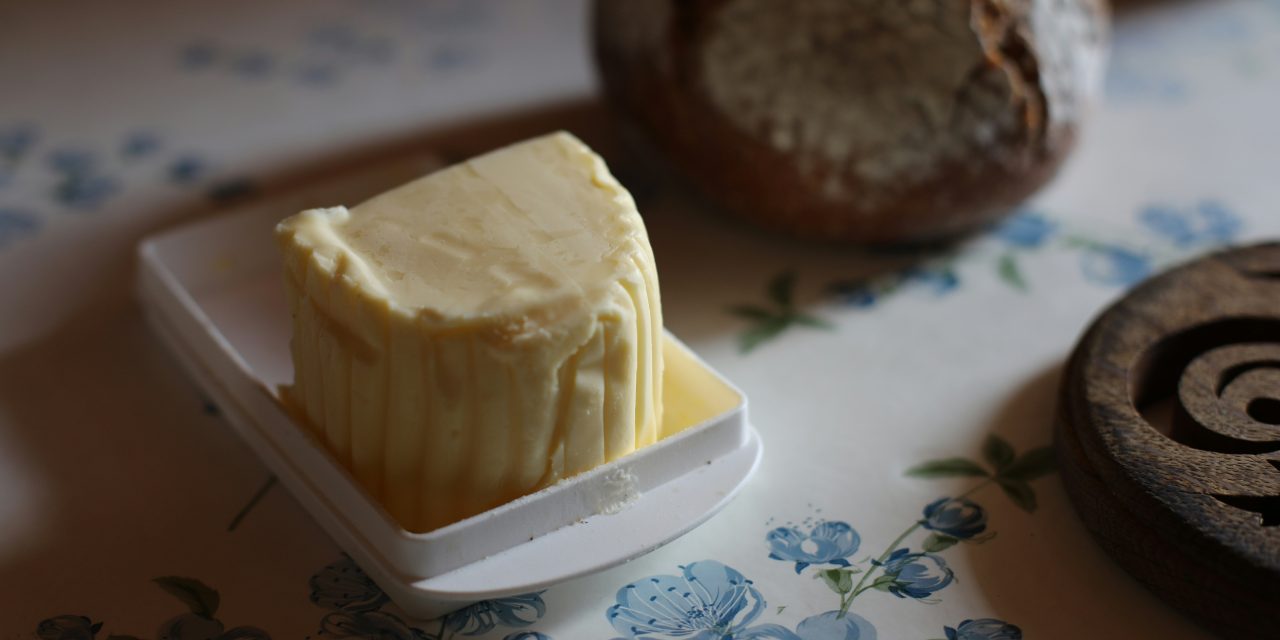
Butter is a staple ingredient in kitchens worldwide, revered for its rich flavor and versatility. This creamy dairy product is derived from the fat of milk, primarily from cows, although it can also be made from the milk of goats, sheep, and other mammals. Butter serves as a fundamental component in various culinary applications, ranging from baking to sautéing, and even as a spread. Its unique properties not only enhance the taste of dishes but also contribute to their texture and moisture content. Understanding butter’s composition, history, and uses can elevate one’s culinary skills and appreciation for this age-old ingredient.
The process of making butter involves churning cream to separate the butterfat from the buttermilk. This simple yet effective method has been practiced for centuries, resulting in a product that is both delicious and functional. As we delve deeper into the world of butter, we will explore its origins, nutritional profile, and its role in cooking, as well as address common misconceptions surrounding this beloved dairy product.
When it comes to cooking, understanding measurements is crucial, especially when dealing with ingredients like butter. A standard stick of butter typically weighs 113 grams, which is essential knowledge for accurate baking and cooking. For those looking to enhance their culinary skills, you might find it interesting to explore how to add umami flavor to everyday meals. Check out this related article for some great tips: How to Add Umami Flavor to Everyday Meals.
The Origin and History of Butter
The history of butter dates back thousands of years, with evidence suggesting its production as early as 2000 B.in regions such as Mesopotamia and ancient Egypt. Initially, butter was made by nomadic tribes who discovered that churning milk in animal skins could yield a creamy substance. Over time, this practice spread across cultures and continents, evolving into the butter-making techniques we recognize today.
In medieval Europe, butter became a significant part of the diet, particularly among the wealthy. It was often used in religious ceremonies and was considered a luxury item. The introduction of butter into various cuisines led to regional variations in its production and use. For instance, in France, the art of butter-making was refined to create high-quality products that are still celebrated today. The Industrial Revolution further transformed butter production with the advent of mechanized churning processes, making it more accessible to the general population.
What Exactly Is a Stick of Butter?

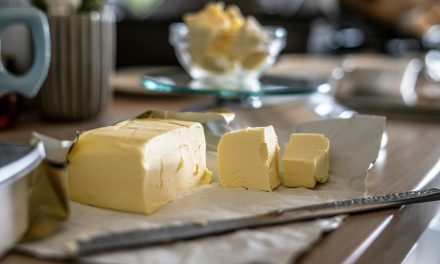
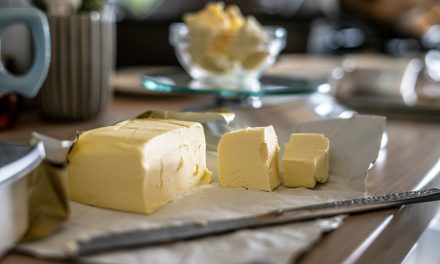
A stick of butter is a standardized form of butter commonly used in cooking and baking. In the United States, a stick typically weighs 4 ounces or 113 grams and is often wrapped in paper or foil for protection. Each stick is usually marked with tablespoon measurements, making it convenient for precise cooking applications. This packaging format allows for easy portioning and storage, catering to both amateur cooks and professional chefs alike.
The composition of a stick of butter consists primarily of butterfat, water, and milk solids. The butterfat content generally ranges from 80% to 82%, while the remaining components include approximately 16% to 18% water and about 1% to 2% milk solids. This unique combination contributes to butter’s creamy texture and rich flavor profile, making it an essential ingredient in countless recipes.
How Many Grams Are in a Stick of Butter?

In culinary measurements, precision is crucial for achieving desired results. A standard stick of butter weighs 113 grams (4 ounces). This measurement is particularly useful when converting recipes or adjusting ingredient quantities. For instance, if a recipe calls for half a stick of butter, one would use approximately 57 grams.
Understanding the weight of butter is essential for both home cooks and professionals alike. In baking, where chemical reactions are critical for success, accurate measurements can significantly impact the final product’s texture and flavor. Therefore, knowing that one stick equals 113 grams allows for seamless conversions between different measurement systems.
When it comes to cooking, understanding measurements is essential, especially in baking where precision is key. For instance, a standard stick of butter typically weighs 113 grams, which is crucial to know when following recipes. If you’re interested in improving your cooking skills, you might find this article on how to cook chicken breast without drying it out particularly helpful, as it offers valuable tips that can elevate your culinary creations.
Butter Measurements Around the World
Butter measurements can vary significantly across different countries and culinary traditions. In the United States, sticks are the norm; however, in Europe and other regions, butter is often sold in blocks or tubs without standardized stick measurements. For example, in France, butter is typically sold in blocks weighing 250 grams (approximately 8.8 ounces), while in the UK, it may be found in 250-gram blocks or even in smaller portions.
When adapting recipes from various cultures, it is essential to be aware of these differences in measurements to ensure accuracy. Converting between grams and ounces can be done using simple mathematical calculations or conversion tools available online. Familiarity with international butter measurements can enhance one’s culinary repertoire and facilitate experimentation with global recipes.
The Difference Between Salted and Unsalted Butter
Salted and unsalted butter serve distinct purposes in cooking and baking. Salted butter contains added salt—typically around 1/4 teaspoon per stick—which enhances flavor and acts as a preservative. This type of butter is often preferred for spreading on bread or using in savory dishes where additional seasoning is beneficial.
Unsalted butter, on the other hand, is devoid of added salt and is favored by bakers for its ability to provide precise control over seasoning in recipes. The absence of salt allows for a more accurate representation of flavors in baked goods, ensuring that sweetness or other flavor profiles are not overshadowed by saltiness. Many professional bakers recommend using unsalted butter for all baking applications to maintain consistency across recipes.
Nutritional Facts: What’s Inside Butter?
Butter is primarily composed of fat, with approximately 80% to 82% being saturated fat. While this high-fat content has led to concerns regarding heart health, recent studies suggest that moderate consumption may not be as detrimental as once thought. In addition to fat, butter contains essential vitamins such as A, D, E, and K2—nutrients vital for various bodily functions.
A typical tablespoon (14 grams) of butter contains about 100 calories, 11 grams of fat (of which 7 grams are saturated), and negligible carbohydrates or protein. While it is calorie-dense, incorporating moderate amounts into a balanced diet can provide flavor without excessive caloric intake. However, individuals with specific dietary restrictions or health concerns should consult healthcare professionals regarding their butter consumption.
The Role of Butter in Cooking and Baking
Butter plays an integral role in both cooking and baking due to its unique properties that enhance flavor and texture. In cooking, it serves as a base for sauces and sautéing vegetables, imparting richness and depth to dishes. When heated, butter undergoes a Maillard reaction that creates complex flavors through browning—a technique often employed in gourmet cooking.
In baking, butter contributes to the structure and moisture content of baked goods. Its ability to trap air during creaming creates a light texture in cakes and cookies. Additionally, when melted or incorporated into doughs, it adds tenderness by coating flour particles and inhibiting gluten formation. Understanding how to utilize butter effectively can elevate culinary creations from ordinary to extraordinary.
The debate between butter and margarine has persisted for decades, with each having its proponents and detractors. Butter is a natural dairy product made from cream, while margarine is typically made from vegetable oils that undergo hydrogenation—a process that can create trans fats detrimental to health.
Nutritionally speaking, butter contains higher levels of saturated fat but also provides essential vitamins absent in margarine unless fortified. Conversely, margarine may contain lower saturated fat levels but can include unhealthy trans fats depending on its formulation. When choosing between the two, it is essential to consider dietary preferences and health implications while recognizing that moderation is key.
Common Myths About Butter Debunked
Several myths surrounding butter have contributed to misconceptions about its health effects. One prevalent myth suggests that all saturated fats are harmful; however, recent research indicates that moderate consumption may not significantly impact heart disease risk for most individuals. Another misconception is that margarine is always healthier than butter; this is not necessarily true as many margarines contain unhealthy trans fats.
Additionally, some believe that consuming butter leads to weight gain; however, when incorporated into a balanced diet with appropriate portion sizes, it can be part of a healthy lifestyle. Understanding these myths allows consumers to make informed choices about their dietary habits without falling prey to misinformation.
Tips for Storing and Using Butter Efficiently
Proper storage techniques can prolong the shelf life of butter while maintaining its quality. It is best stored in the refrigerator at temperatures below 40°F (4°C) to prevent spoilage. For longer-term storage, freezing butter can extend its usability up to six months without significant loss of flavor or texture.
When using butter in recipes, allow it to come to room temperature for optimal creaming when baking or cooking. This practice ensures better incorporation into mixtures for improved texture in baked goods. Additionally, measuring accurately using kitchen scales or marked sticks can enhance consistency across recipes.
In summary, butter remains an essential ingredient celebrated for its flavor and versatility across culinary applications worldwide. Understanding its history, nutritional profile, and proper usage can enhance one’s cooking experience while dispelling common myths associated with this beloved dairy product. Whether opting for salted or unsalted varieties or choosing between butter and margarine, informed decisions can lead to healthier eating habits without sacrificing taste or enjoyment.
FAQs
How many grams are in a standard stick of butter?
A standard stick of butter in the United States weighs 113 grams. This is equivalent to 4 ounces.
Are there different sizes of butter sticks in other countries?
Yes, in some countries, butter sticks may come in different sizes. For example, in Canada, a stick of butter typically weighs 454 grams (1 pound), which is divided into four quarters.
How many tablespoons are in a stick of butter?
A standard stick of butter contains 8 tablespoons. This measurement is commonly used in cooking and baking recipes.
What is the equivalent of a stick of butter in grams for baking?
For baking purposes, a stick of butter is equivalent to 113 grams. This measurement is important for accurate ingredient ratios in recipes.
Can I convert a stick of butter to other measurements?
Yes, a stick of butter can be converted to other measurements. For example, it is also equal to 1/2 cup or 4 ounces, which can be useful for recipes that require different units of measurement.