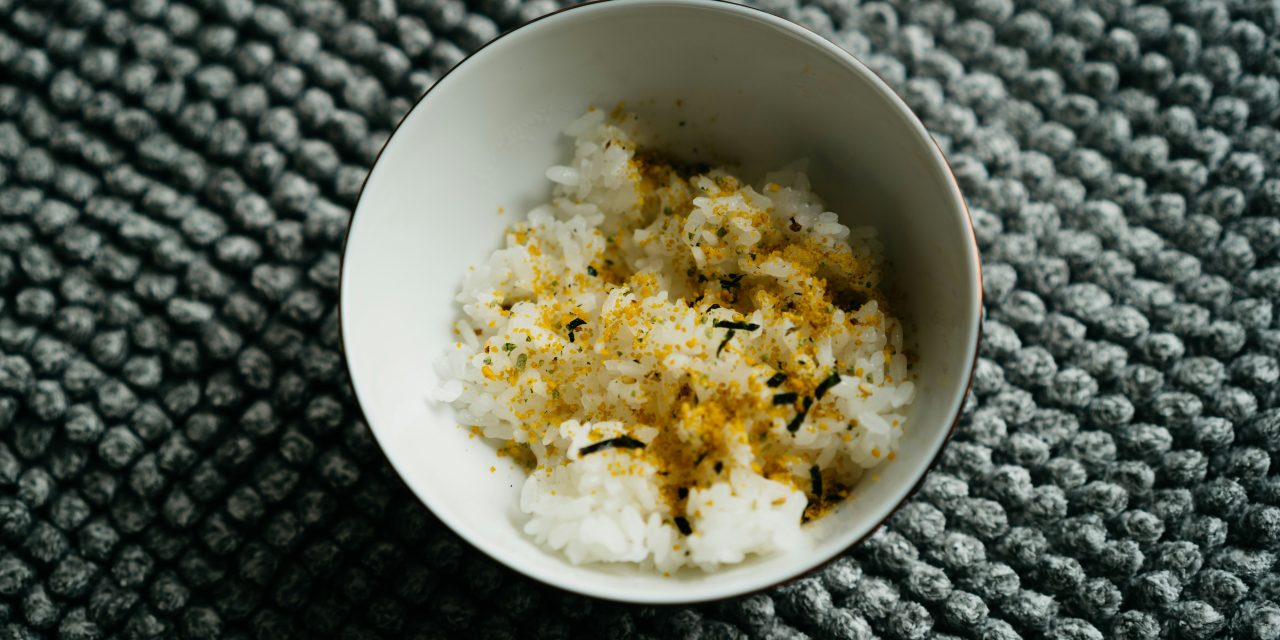
Rice is a staple food consumed by billions of people worldwide, serving as a primary source of carbohydrates and energy. Its versatility allows it to be incorporated into various cuisines, from Asian stir-fries to Mediterranean dishes. However, the culinary success of rice dishes often hinges on precise measurements. Understanding how to measure rice accurately is crucial for achieving the desired texture and flavor. This article delves into the specifics of rice measurements, focusing on the weight of different rice varieties in grams per cup. By grasping these measurements, cooks can enhance their culinary skills and ensure consistent results in their cooking endeavors.
The significance of accurate rice measurements cannot be overstated. Different rice types possess unique characteristics that influence cooking times and water absorption rates. For instance, long-grain rice tends to remain fluffy and separate when cooked, while short-grain varieties may become sticky. Therefore, knowing the weight of each type of rice per cup allows for better control over cooking processes, ultimately leading to more satisfying meals. This article will explore various rice types, providing detailed information on their respective weights and cooking properties.
If you’re curious about how many grams are in a cup of rice, you might find it helpful to explore related topics that can enhance your cooking skills and knowledge. For instance, understanding the right measurements in cooking can be crucial for achieving the perfect dish. You can read more about maintaining a healthy routine for your pets, which can also tie into your overall lifestyle choices, by checking out this article on how often you should bathe your pet: How Often Should You Bathe Your Pet?.
Understanding the Importance of Rice Weight in Cooking
The weight of rice plays a pivotal role in determining the final outcome of a dish. When cooking rice, the ratio of water to rice is critical; too much water can lead to mushy grains, while too little can result in undercooked rice. By understanding the weight of rice per cup, cooks can accurately measure the appropriate amount of water needed for optimal cooking. This precision is particularly important in professional kitchens where consistency is paramount.
Moreover, different recipes may call for specific types of rice, each with its own weight characteristics. For example, risotto requires Arborio rice due to its high starch content, which contributes to the creamy texture of the dish. Conversely, a pilaf may benefit from long-grain varieties that remain distinct after cooking. By recognizing the weight differences among rice types, cooks can select the most suitable variety for their culinary creations.
White Long-Grain Rice: Grams per Cup

White long-grain rice is one of the most commonly used varieties in households around the globe. It typically weighs approximately 185 grams per cup when uncooked. This type of rice is known for its elongated grains that remain separate and fluffy after cooking, making it ideal for dishes such as fried rice or pilaf.
When preparing white long-grain rice, it is essential to rinse it thoroughly before cooking to remove excess starch. This step helps achieve the desired texture and prevents clumping during the cooking process. The general water-to-rice ratio for white long-grain rice is 2:1, meaning two cups of water should be used for every cup of rice. By adhering to these measurements, cooks can ensure perfectly cooked grains that enhance the overall quality of their meals.
Brown Rice: Grams per Cup

Brown rice is often hailed as a healthier alternative to white rice due to its higher fiber content and nutritional value. When measured uncooked, brown rice typically weighs around 195 grams per cup. The presence of bran and germ layers contributes to its nutty flavor and chewy texture, making it a popular choice for health-conscious individuals.
Cooking brown rice requires a longer cooking time compared to white varieties due to its intact bran layer. The recommended water-to-rice ratio for brown rice is approximately 2.5:1, meaning 2.5 cups of water should be used for every cup of brown rice. This additional water compensates for the longer cooking time and ensures that the grains become tender without losing their nutritional benefits.
When cooking rice, it’s essential to know the correct measurements to achieve the perfect texture, and understanding how many grams are in a cup of rice can greatly help with this. For those looking to adjust cooking times for various recipes, you might find it useful to check out this related article on how to adjust cooking times in a slow cooker, which can also impact how your rice turns out. Proper measurement and timing can make all the difference in your culinary creations.
Jasmine Rice: Grams per Cup
Jasmine rice, a fragrant long-grain variety originating from Thailand, weighs about 160 grams per cup when uncooked. Its delicate floral aroma and slightly sticky texture make it a favorite accompaniment to many Southeast Asian dishes. Jasmine rice is often used in curries and stir-fries due to its ability to absorb flavors effectively.
To achieve the best results when cooking jasmine rice, it is advisable to rinse it under cold water until the water runs clear. This process removes excess starch and enhances the final texture. The ideal water-to-rice ratio for jasmine rice is typically 1.5:1, meaning one and a half cups of water should be used for every cup of jasmine rice. Following these guidelines will yield perfectly cooked grains that complement a variety of dishes.
Basmati Rice: Grams per Cup
Basmati rice is renowned for its long grains and aromatic qualities, making it a staple in Indian and Middle Eastern cuisines. When measured uncooked, basmati rice weighs approximately 190 grams per cup. Its unique flavor profile and fluffy texture make it an excellent choice for biryanis and pilafs.
To enhance the cooking process, it is recommended to soak basmati rice in water for at least 30 minutes before cooking. This soaking period allows the grains to absorb moisture and expand, resulting in a more even cooking process. The ideal water-to-rice ratio for basmati rice is generally 1.75:1, meaning one and three-quarters cups of water should be used for every cup of basmati rice. Adhering to these measurements will yield perfectly fluffy grains that elevate any dish.
Arborio Rice: Grams per Cup
Arborio rice is a short-grain variety primarily used in risotto due to its high starch content, which contributes to the creamy consistency characteristic of this Italian dish. When uncooked, Arborio rice weighs approximately 200 grams per cup. Its ability to absorb liquid while releasing starch makes it ideal for creating rich and flavorful risottos.
When preparing Arborio rice, it is essential to gradually add warm broth or stock during the cooking process while stirring continuously. This technique allows the starches to release gradually, resulting in a creamy texture without overcooking the grains. The recommended water-to-rice ratio for Arborio rice varies depending on the desired creaminess but typically ranges from 3:1 to 4:1, meaning three to four cups of liquid should be used for every cup of Arborio rice.
Sushi Rice: Grams per Cup
Sushi rice, also known as shari or sumeshi, is a short-grain variety that becomes sticky when cooked, making it perfect for sushi rolls and nigiri. When measured uncooked, sushi rice weighs around 180 grams per cup. Its sticky texture allows it to hold together well when forming sushi shapes.
To prepare sushi rice properly, it is crucial to rinse it thoroughly until the water runs clear to remove excess starch. After rinsing, soaking the rice for about 30 minutes before cooking helps achieve optimal texture. The ideal water-to-rice ratio for sushi rice is typically 1:1, meaning one cup of water should be used for every cup of sushi rice. Following these guidelines will yield perfectly sticky grains that are essential for crafting delicious sushi.
Wild Rice: Grams per Cup
Wild rice is not technically a true rice but rather an aquatic grass seed native to North America. It has a unique nutty flavor and chewy texture that sets it apart from traditional rice varieties. When measured uncooked, wild rice weighs approximately 160 grams per cup.
Cooking wild rice requires a longer time compared to other types due to its tough outer hull. The recommended water-to-rice ratio for wild rice is about 3:1, meaning three cups of water should be used for every cup of wild rice. This ample amount of liquid ensures that the grains cook thoroughly and become tender while retaining their distinctive flavor profile.
Black Rice: Grams per Cup
Black rice, often referred to as forbidden rice due to its historical significance in ancient China, boasts a striking dark color and nutty flavor profile. When measured uncooked, black rice typically weighs around 190 grams per cup. Its high antioxidant content makes it a nutritious choice among various rice types.
To prepare black rice effectively, it is advisable to soak it for several hours or overnight before cooking to reduce cooking time and enhance digestibility. The recommended water-to-rice ratio for black rice is approximately 2:1, meaning two cups of water should be used for every cup of black rice. Following these guidelines will yield tender grains with a delightful chewy texture that can elevate any dish.
Choosing the Right Rice and Measuring Accurately
In conclusion, understanding the weight of different types of rice in grams per cup is essential for achieving culinary success in various dishes. Each variety possesses unique characteristics that influence cooking times and textures; therefore, accurate measurements are crucial for optimal results. Whether opting for white long-grain or exotic black rice, knowing how much each type weighs allows cooks to select appropriate water ratios and achieve desired outcomes.
By adhering to recommended practices such as rinsing and soaking certain varieties before cooking, individuals can further enhance their culinary creations while ensuring consistency across meals. Ultimately, mastering the art of measuring rice accurately empowers cooks to explore diverse recipes confidently while enjoying delicious results every time they step into the kitchen.
FAQs
How many grams are in a cup of uncooked white rice?
A cup of uncooked white rice typically weighs about 185 grams.
How many grams are in a cup of cooked rice?
A cup of cooked rice generally weighs around 200 to 250 grams, depending on the type of rice and how much water it absorbs during cooking.
Does the type of rice affect the weight in grams per cup?
Yes, different types of rice have varying weights. For example, a cup of uncooked brown rice weighs approximately 200 grams, while a cup of uncooked jasmine rice weighs about 180 grams.
How can I measure rice in grams without a scale?
You can use standard measuring cups to estimate the weight of rice. For example, one cup of uncooked rice is approximately 185 grams, so you can use this conversion for measuring purposes.
Is the weight of rice consistent across different brands?
While the weight of rice per cup is generally consistent, slight variations can occur between brands due to differences in grain size and moisture content. It’s best to check the packaging for specific information.