Oil filters are essential components in an automobile’s engine system, designed to remove contaminants from engine oil, thereby ensuring optimal performance and longevity. However, over time, these filters can become stubbornly stuck due to several factors. One primary reason is the accumulation of debris and sludge that can form a tight seal between the filter and the engine block. This seal can become increasingly difficult to break, especially if the filter has been in place for an extended period.
Another contributing factor is the improper installation of the oil filter during previous maintenance. If the filter was overtightened, it can create a bond that is challenging to break. Additionally, environmental factors such as exposure to extreme temperatures can cause the metal of the filter to expand and contract, further complicating removal. Understanding these underlying causes is crucial for developing effective strategies to detach a stuck oil filter without causing damage to the engine or surrounding components.
If you’re dealing with a stuck oil filter and looking for effective methods to remove it, you might find it helpful to read a related article on maintaining a pest-free environment. For tips on how to keep wasps away from your porch and patio, check out this informative piece that offers practical advice for outdoor maintenance. You can read it here: How to Keep Wasps Away from Your Porch and Patio.
Preparing Your Workspace and Tools
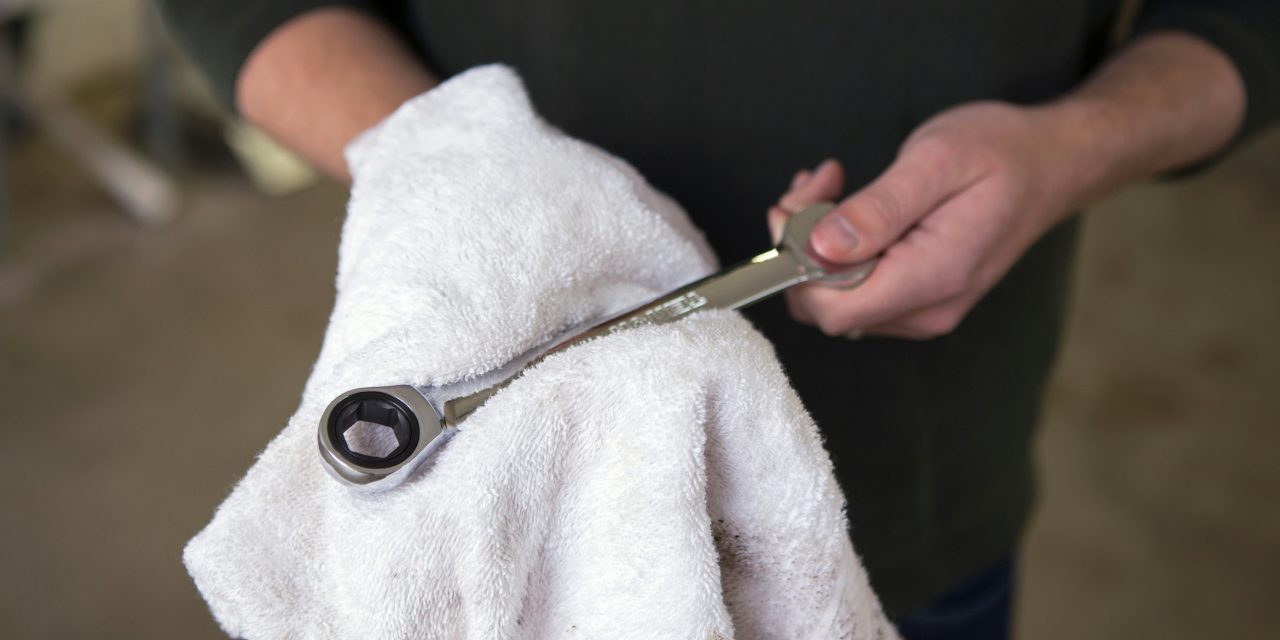
Before attempting to remove a stuck oil filter, it is imperative to prepare your workspace adequately. A clean, well-lit area will facilitate the process and minimize the risk of accidents. Ensure that you have all necessary tools at hand, including an oil filter wrench, strap wrench, rubber mallet, penetrating oil, pliers or channel locks, rags, and a heat source such as a heat gun or propane torch.
Safety should be your top priority. Wear protective gloves and goggles to shield yourself from potential oil splashes or debris. Additionally, placing a drain pan beneath the vehicle will help catch any residual oil that may spill during the removal process. By organizing your tools and workspace effectively, you can streamline the removal process and reduce frustration.
Method 1: Using an Oil Filter Wrench

An oil filter wrench is specifically designed for removing stubborn filters and is often the first tool that comes to mind when tackling this issue. These wrenches come in various designs, including cup-style and band-style options. The cup-style wrench fits over the end of the filter, providing a secure grip that allows for increased torque when turning. Conversely, band-style wrenches wrap around the filter and tighten as you turn, offering versatility for different filter sizes.
To use an oil filter wrench effectively, position it around the filter and apply firm pressure while turning counterclockwise. If the filter is particularly stubborn, consider using a breaker bar for added leverage. However, caution is essential; excessive force can lead to damage to the filter or surrounding components. If successful, this method will allow you to remove the filter with minimal effort.
Method 2: Employing a Strap Wrench for Grip

If an oil filter wrench fails to provide adequate grip or access, a strap wrench can be an excellent alternative. This tool consists of a flexible strap that wraps around the filter and tightens as you turn the handle. The design allows for a secure grip without risking damage to the filter itself.
To utilize a strap wrench effectively, wrap the strap around the filter and ensure it is snugly fitted. As you turn the handle counterclockwise, the strap will grip the filter tightly, allowing you to apply sufficient torque for removal. This method is particularly useful for filters located in tight spaces where traditional wrenches may not fit comfortably.
If you find yourself struggling with a stuck oil filter, there are several techniques you can try to remove it effectively. One helpful resource that provides additional tips on this topic is a related article that discusses various methods to tackle stubborn oil filters. You can check it out for more insights on how to make the process easier. Additionally, if you’re looking to enhance your culinary skills while waiting for your car maintenance, you might enjoy exploring some delicious recipes from around the world. For inspiration, visit this link to discover ten must-try international cuisine recipes.
Method 3: Tapping the Filter Gently with a Rubber Mallet
Sometimes, a stuck oil filter may respond well to gentle persuasion. Using a rubber mallet can help break the seal between the filter and engine block without causing damage. This method is particularly effective if there is minimal space around the filter.
To execute this technique, lightly tap around the circumference of the filter with the rubber mallet. The vibrations can help loosen any debris or sludge that may be causing the filter to stick. After tapping, attempt to turn the filter using your chosen wrench or tool. If it remains stuck, additional tapping may be necessary until you achieve movement.
Method 4: Applying Penetrating Oil to Loosen the Seal
Penetrating oil is a powerful solution for loosening stuck components due to its ability to seep into tight spaces and break down rust or grime. When dealing with a stubborn oil filter, applying penetrating oil can significantly enhance your chances of success.
To use this method effectively, spray a generous amount of penetrating oil around the base of the oil filter where it meets the engine block. Allow it to sit for several minutes to penetrate and loosen any debris or corrosion that may be causing adhesion. After sufficient time has passed, attempt to remove the filter using your preferred tool. This method often yields positive results when combined with other techniques.
Method 5: Using Pliers or Channel Locks Carefully
In situations where traditional tools fail, pliers or channel locks can provide an alternative solution for removing a stuck oil filter. However, caution is paramount when using these tools, as excessive force can lead to damage.
To employ this method effectively, grip the oil filter firmly with pliers or channel locks and attempt to turn it counterclockwise. If you encounter resistance, avoid applying excessive force; instead, consider using one of the previously mentioned methods in conjunction with this approach. If successful, this technique can provide an effective means of removing even the most stubborn filters.
Method 6: Wrapping the Filter with Rags for Extra Traction
When faced with a stuck oil filter that refuses to budge, wrapping it with rags can provide additional traction for your removal efforts. This method is particularly useful if your hands are slipping while attempting to turn the filter.
To implement this technique, take a clean rag and wrap it around the circumference of the oil filter tightly. The added friction will enhance your grip as you attempt to turn it counterclockwise using your chosen tool. This simple yet effective method can often yield positive results when combined with other techniques.
Method 7: Heating the Filter to Expand the Metal
Applying heat can be an effective way to loosen a stuck oil filter by expanding the metal and breaking any bonds formed by corrosion or debris. However, this method requires caution and should only be performed with appropriate safety measures in place.
To use this technique safely, employ a heat gun or propane torch and apply heat evenly around the base of the oil filter for several seconds. Be cautious not to overheat or burn surrounding components or wiring harnesses. After heating, allow a brief cooling period before attempting removal with your preferred tool. The expansion caused by heat may create enough space for easier detachment.
Tips for Preventing Future Stuck Oil Filters
Preventing future occurrences of stuck oil filters involves adopting best practices during installation and maintenance. First and foremost, ensure that you are using the correct type of oil filter for your vehicle model; improper filters can lead to complications during removal.
When installing a new oil filter, avoid overtightening it; hand-tightening is usually sufficient for creating a proper seal without making future removal difficult. Additionally, consider applying a thin layer of clean engine oil on the rubber gasket of the new filter before installation; this practice helps create a better seal while also facilitating easier removal during subsequent changes.
Regular maintenance intervals are also crucial; changing your oil and filter according to manufacturer recommendations will prevent sludge buildup that contributes to stuck filters.
When to Seek Professional Help
Despite employing various methods for removing a stuck oil filter, there may be instances where professional assistance is warranted. If you find yourself unable to remove the filter after multiple attempts or if you suspect damage has occurred during your efforts, consulting a qualified mechanic is advisable.
Professional technicians possess specialized tools and experience that can expedite removal while minimizing potential damage to your vehicle’s engine components. Additionally, if you encounter any signs of leaks or unusual noises after attempting removal, seeking expert advice is crucial for ensuring your vehicle’s continued performance and safety.
In summary, dealing with a stuck oil filter can be frustrating but manageable with proper techniques and tools at your disposal. Understanding why filters become stuck allows for better preparation and prevention strategies in future maintenance tasks. By employing methods such as using an oil filter wrench or applying penetrating oil, you can effectively tackle this common automotive challenge while ensuring your vehicle remains in optimal condition.
FAQs
What tools do I need to remove a stuck oil filter?
To remove a stuck oil filter, you typically need an oil filter wrench, which can provide the necessary grip and leverage. Additionally, you may require a pair of pliers, a rubber mallet, or a strap wrench. Having some engine oil on hand can also help lubricate the threads if the filter is particularly stubborn.
What are some common reasons an oil filter gets stuck?
An oil filter can become stuck due to over-tightening during installation, the presence of oil sludge or debris, or corrosion from exposure to the elements. Additionally, if the filter was not lubricated properly with oil during installation, it may adhere more tightly to the engine block.
Can I use heat to help remove a stuck oil filter?
Yes, applying heat can help loosen a stuck oil filter. You can use a heat gun or a propane torch to gently heat the area around the filter. Be cautious not to overheat or damage surrounding components, and allow the filter to cool slightly before attempting to remove it again.
What should I do if the oil filter is damaged during removal?
If the oil filter is damaged during removal, you should stop and assess the situation. If the filter is torn or broken, you may need to use a pair of pliers to grip the remaining parts and twist them off. Ensure that no debris falls into the engine, and clean the mounting surface thoroughly before installing a new filter.
Is it safe to drive with a stuck oil filter?
No, it is not safe to drive with a stuck oil filter. A stuck filter can lead to oil leaks, reduced oil pressure, and potential engine damage. It is advisable to resolve the issue before operating the vehicle to prevent further complications.