Oil is a vital component in the operation of any vehicle, serving as a lubricant for engine components, reducing friction, and facilitating heat dissipation. However, issues can arise when oil either burns or leaks, leading to significant engine problems if not addressed promptly. Understanding the distinction between these two phenomena is crucial for vehicle owners.
Burning oil occurs when engine oil is consumed during the combustion process, often resulting in blue smoke emissions from the exhaust. This condition can stem from various factors, including worn piston rings, valve seals, or cylinder walls. Conversely, leaking oil refers to oil escaping from the engine due to faulty gaskets, seals, or other components. This leakage can lead to oil spots on the ground where the vehicle is parked and may result in low oil levels that can jeopardize engine performance.
If you’re concerned about your vehicle’s performance, it’s crucial to know how to tell if a car is burning oil or leaking oil. Identifying these issues early can save you from costly repairs down the line. For more information on maintaining your vehicle, you might find this article helpful: 10 Easy Steps to Start a Thriving Vegetable Garden from Scratch. While it focuses on gardening, the principles of care and attention can be applied to your car maintenance as well.
Sign 1: Blue Smoke Emissions from the Exhaust
One of the most telling signs of burning oil is the presence of blue smoke emanating from the exhaust system. This phenomenon occurs when oil enters the combustion chamber and ignites alongside the fuel-air mixture. The blue tint is a direct result of the oil burning, indicating that there is an underlying issue within the engine.
The appearance of blue smoke can vary in intensity; it may be more pronounced during acceleration or when starting the vehicle after it has been idle for a while. If this symptom is observed, it is essential to investigate further, as prolonged burning of oil can lead to severe engine damage and increased emissions that may violate environmental regulations.
Sign 2: Frequent Low Oil Level Warnings

Another significant indicator of potential oil burning or leaking is the frequent appearance of low oil level warnings on the dashboard. Modern vehicles are equipped with sophisticated monitoring systems that alert drivers when oil levels drop below optimal thresholds. If these warnings appear regularly, it may suggest that oil is being consumed at an alarming rate due to burning or leaking.
Regularly checking the dipstick for oil levels can provide additional insight into this issue. If the oil level consistently falls below the recommended mark between oil changes, it is crucial to investigate further. Ignoring these warnings can lead to catastrophic engine failure, as insufficient lubrication can cause excessive wear on engine components.
Sign 3: Oil Spots or Puddles Under the Car

The presence of oil spots or puddles beneath a parked vehicle is a clear indication of an oil leak. This visual cue can manifest as dark brown or black stains on the ground, often indicating that oil is escaping from the engine due to faulty seals or gaskets. Identifying the source of these leaks is essential for preventing further damage and ensuring optimal engine performance.
Common areas where leaks may occur include the oil pan gasket, valve cover gasket, and oil filter. A thorough inspection of these components can help pinpoint the source of the leak. If left unaddressed, leaking oil can lead to decreased lubrication, overheating, and ultimately engine failure.
If you’re concerned about your vehicle’s performance, it’s essential to know how to identify whether your car is burning oil or leaking oil. Signs such as a drop in oil levels, blue smoke from the exhaust, or oil spots on the ground can indicate potential issues. For more detailed guidance on diagnosing these problems, you can check out this informative article on how to tell if a car is burning oil or leaking oil. Understanding these signs early can save you from costly repairs down the road. For further reading, visit this link.
Sign 4: Strong Oil Smell Inside or Around the Vehicle
A strong odor of burnt oil inside or around a vehicle can be another alarming sign of burning oil. This smell often indicates that oil is leaking onto hot engine components, where it vaporizes and produces a distinct burnt odor. This situation not only poses a risk to engine health but also raises safety concerns due to potential fire hazards.
If this smell is detected, it is advisable to conduct a visual inspection of the engine bay for any signs of leakage or residue. Additionally, checking for any visible smoke or unusual sounds from the engine can provide further clues about potential issues. Addressing this problem promptly can prevent more severe complications down the line.
If you’re concerned about your vehicle’s performance, it’s essential to know how to tell if a car is burning oil or leaking oil. Identifying these issues early can save you from costly repairs down the line. For a deeper understanding of car maintenance, you might find this article on preventing mats and tangles in long-haired dogs surprisingly relevant, as it emphasizes the importance of regular checks and care, much like the attention your car needs to stay in optimal condition.
Sign 5: Engine Overheating or Poor Performance
Engine overheating or poor performance can be symptomatic of various underlying issues, including insufficient lubrication due to burning or leaking oil. When oil levels drop significantly, friction between moving parts increases, leading to elevated temperatures within the engine. This overheating can cause irreversible damage if not addressed immediately.
Moreover, poor performance may manifest as reduced acceleration, sluggishness during operation, or unusual noises from the engine compartment. If these symptoms are observed in conjunction with other signs of burning or leaking oil, it is imperative to take action swiftly to avoid catastrophic engine failure.
Sign 6: Visible Oil Residue on Engine Components
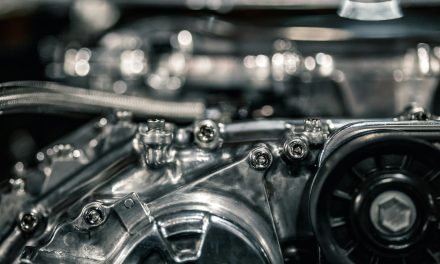
Visible oil residue on engine components is another critical sign that should not be overlooked. This residue often indicates that oil is leaking from various parts of the engine and accumulating on surfaces such as the valve cover, timing belt cover, or around gaskets and seals. The presence of this residue can serve as a visual cue for identifying potential leaks.
Conducting a thorough inspection of these components can help determine whether there are any cracks or wear that may be contributing to the leakage. Addressing these issues promptly can prevent further complications and ensure that the engine operates efficiently.
Sign 7: Excessive Oil Consumption Between Oil Changes
Excessive oil consumption between scheduled oil changes is a significant indicator of potential burning or leaking issues. While some degree of oil consumption is normal in older vehicles, a marked increase in consumption may suggest that there are underlying problems requiring immediate attention.
Monitoring oil levels regularly and keeping track of how much oil is added between changes can provide valuable insights into this issue. If excessive consumption is noted, it may be time to consult a mechanic for further evaluation and potential repairs.
How to Perform a Simple Oil Leak Inspection at Home
Performing a simple oil leak inspection at home can help identify potential issues before they escalate into more significant problems. Begin by parking your vehicle on a level surface and allowing it to cool down completely. Once cooled, inspect the ground beneath your vehicle for any signs of oil spots or puddles.
Next, open the hood and visually inspect the engine components for any visible leaks or residue around gaskets and seals. Pay particular attention to areas such as the valve cover gasket and oil filter. Additionally, check the dipstick for oil levels and assess whether they are within acceptable ranges.
If any signs of leakage are detected during this inspection, it may be prudent to consult a professional mechanic for further evaluation and repair options.
When to Consult a Mechanic for Oil Burning or Leaking Issues
Consulting a mechanic becomes imperative when any signs of burning or leaking oil are observed. Ignoring these symptoms can lead to severe consequences, including extensive engine damage and costly repairs. If blue smoke emissions are present, frequent low oil level warnings appear, or visible leaks are detected, seeking professional assistance should be prioritized.
A qualified mechanic will conduct a comprehensive diagnostic assessment to identify the root cause of the issue and recommend appropriate solutions. Early intervention can save vehicle owners significant time and money in repairs while ensuring optimal engine performance.
Preventative Maintenance Tips to Avoid Oil Problems
Preventative maintenance plays a crucial role in avoiding burning or leaking oil issues in vehicles. Regularly scheduled oil changes are essential for maintaining optimal lubrication and preventing excessive wear on engine components. It is advisable to follow manufacturer recommendations regarding oil change intervals based on driving conditions and vehicle usage.
Additionally, routinely checking fluid levels and inspecting for leaks can help catch potential problems early on. Keeping an eye on engine performance and addressing any unusual symptoms promptly will also contribute to overall vehicle health.
In conclusion, understanding the differences between burning and leaking oil is vital for maintaining vehicle performance and longevity. By recognizing key signs such as blue smoke emissions, low oil level warnings, visible leaks, strong odors, overheating engines, and excessive consumption between changes, vehicle owners can take proactive measures to address potential issues before they escalate into costly repairs. Regular inspections and preventative maintenance will go a long way in ensuring optimal engine health and performance over time.
FAQs
What are the common signs that a car is burning oil?
Common signs that a car is burning oil include a noticeable decrease in oil levels between changes, blue smoke coming from the exhaust, and a burning oil smell. Additionally, you may notice oil spots on the ground where the car is parked.
How can I check for oil leaks in my car?
To check for oil leaks, park your car on a clean, dry surface and look for any oil spots underneath the engine area. You can also inspect the oil pan, valve cover gaskets, and oil filter for signs of oil residue or wetness. Using a flashlight can help you see better in darker areas.
What causes a car to burn oil?
A car may burn oil due to worn piston rings, valve seals, or gaskets, which can allow oil to enter the combustion chamber. Other causes include engine wear, high mileage, or using the wrong type of oil for your vehicle.
Is it safe to drive a car that is burning or leaking oil?
Driving a car that is burning or leaking oil is not safe, as it can lead to engine damage, overheating, and potential breakdowns. It is advisable to address the issue promptly by consulting a mechanic to prevent further damage.
How often should I check my oil levels to prevent burning or leaking?
It is recommended to check your oil levels at least once a month or before long trips. Regularly monitoring your oil levels can help you catch any issues early and maintain the health of your engine.