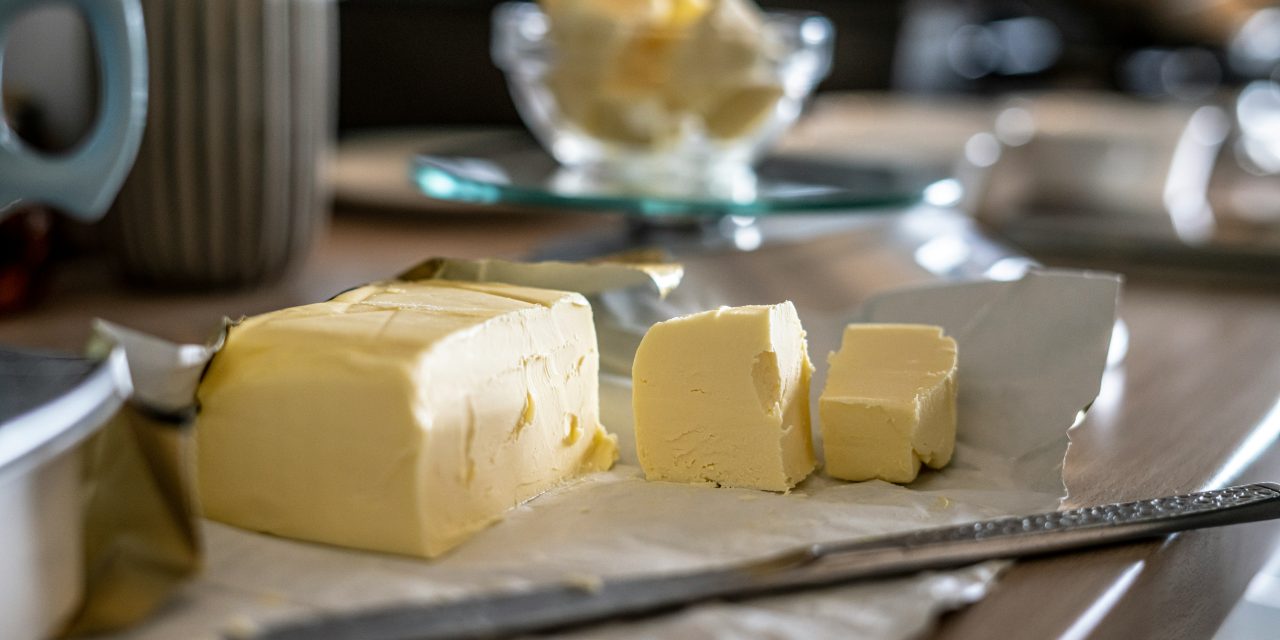
Butter and margarine are two popular fats used in cooking and baking, yet they possess distinct characteristics that influence their culinary applications. Butter is a dairy product made from churning cream, resulting in a rich, creamy texture and a flavor profile that is often described as nutty and slightly sweet. It contains approximately 80% fat, with the remainder consisting of water and milk solids. This high-fat content contributes to its ability to create flaky pastries and tender baked goods.
In contrast, margarine is a synthetic alternative designed to mimic butter’s texture and flavor while being lower in saturated fats. It is typically made from vegetable oils, which are hydrogenated to achieve a solid consistency. Margarine can contain anywhere from 30% to 80% fat, depending on the formulation. The presence of emulsifiers and additives allows margarine to maintain a stable consistency and extend shelf life. Understanding these differences is crucial for bakers who wish to achieve specific textures and flavors in their recipes.
If you’re exploring the nuances of baking, you might be interested in understanding how different fats can impact your recipes. A related article that offers valuable insights is titled “10 Easy Steps to Start a Beautiful Native Plant Garden Today,” which can be found here. While it primarily focuses on gardening, it also touches on the importance of using natural ingredients, which can enhance your baking experience when considering substitutes like margarine for butter.
How Margarine Affects Baking Texture and Flavor
The choice between butter and margarine can significantly impact the texture and flavor of baked goods. Butter’s high-fat content contributes to a tender crumb structure, while its water content aids in steam production during baking, resulting in a desirable rise and flakiness in pastries. The Maillard reaction, which occurs when proteins and sugars react under heat, is also more pronounced with butter, imparting a rich flavor that many bakers seek.
Margarine, while designed to replicate butter’s properties, may not always deliver the same results. The varying fat content can lead to differences in moisture retention and texture. For instance, baked goods made with margarine may have a denser crumb or lack the same level of flakiness as those made with butter. Additionally, the flavor profile of margarine can be less complex, often requiring additional flavoring agents to achieve a similar taste to butter-based recipes.
When Is Margarine a Suitable Substitute for Butter?

Margarine can be an appropriate substitute for butter in various scenarios, particularly for those seeking a dairy-free or lower-fat option. It is often used in recipes where the primary function of fat is to provide moisture rather than flavor, such as in cakes or muffins. In these instances, margarine can effectively replace butter without significantly altering the final product’s texture or taste.
However, it is essential to consider the specific recipe when substituting margarine for butter. For example, in recipes that rely heavily on butter’s flavor—such as shortbread cookies or croissants—using margarine may result in a less satisfying outcome. Conversely, in recipes where the fat is combined with other strong flavors, such as chocolate or spices, margarine can serve as an adequate alternative without compromising the overall taste.
Choosing the Right Type of Margarine for Baking

Selecting the appropriate margarine for baking is crucial for achieving optimal results. Not all margarines are created equal; some are specifically formulated for baking purposes, while others are intended for spreading or cooking. When choosing margarine for baking, look for products labeled as “baking margarine” or “stick margarine,” which typically contain higher fat content and fewer additives.
Additionally, consider the presence of trans fats in margarine products. Trans fats have been linked to various health issues, including cardiovascular disease. Opting for trans-fat-free margarine ensures a healthier choice without compromising baking performance. Reading ingredient labels carefully will help identify suitable options that align with both health considerations and baking needs.
When substituting margarine for butter in recipes, it is essential to adjust measurements accordingly to maintain the desired consistency and flavor profile. Generally, one can substitute margarine for butter on a one-to-one basis; however, this may vary depending on the specific formulation of the margarine used.
For instance, if using a margarine with lower fat content (around 30-50%), it may be necessary to increase the quantity slightly to compensate for the reduced fat content. Conversely, if using a high-fat margarine (around 80%), one may find that the original measurement works perfectly without adjustment. Conducting small test batches can help determine the best ratios for achieving optimal results.
If you’re wondering about the best alternatives for butter in your baking recipes, you might find it helpful to explore the nuances of different fats. A related article discusses various cat breeds and their unique characteristics, which can be surprisingly relevant when considering how different ingredients can impact the final outcome of your baked goods. For more insights on this topic, check out the article on top cat breeds and see how understanding the traits of different ingredients can enhance your culinary creations.
Impact of Water Content in Margarine on Recipes
The water content in margarine can significantly influence the outcome of baked goods. Since butter contains approximately 15-20% water, it contributes to steam production during baking, which helps create lift and flakiness in pastries. Margarine’s water content can vary widely depending on the brand and formulation; some margarines may contain up to 30% water.
When using margarine with higher water content, bakers may need to adjust other liquid ingredients in their recipes to prevent excess moisture from affecting the final product’s texture. For example, reducing milk or other liquid components can help maintain balance and ensure that baked goods do not become overly dense or soggy.
Tips for Achieving the Best Results with Margarine
To achieve optimal results when using margarine in baking, consider implementing several key strategies:
1. **Temperature Matters**: Ensure that margarine is at room temperature before incorporating it into recipes. This allows for better emulsification with other ingredients and promotes even mixing.
2. **Creaming Technique**: When creaming margarine with sugar, use an electric mixer on medium speed until light and fluffy. This process incorporates air into the mixture, contributing to leavening during baking.
3. **Experiment with Brands**: Different brands of margarine can yield varying results due to differences in fat content and emulsifiers. Testing multiple brands can help identify which works best for specific recipes.
4. **Flavor Enhancements**: To counteract any potential lack of flavor when using margarine, consider adding vanilla extract or other flavorings that complement your baked goods.
Common Baking Recipes Where Margarine Works Well
Margarine can be successfully utilized in various baking recipes where its properties align well with desired outcomes. Some common applications include:
1. **Cakes**: Many cake recipes benefit from the moisture provided by margarine without compromising texture or flavor.
2. **Cookies**: Soft cookies such as chocolate chip or oatmeal raisin can be made with margarine while still achieving a chewy consistency.
3. **Muffins**: The moisture-retaining qualities of margarine make it an excellent choice for muffins, ensuring they remain tender and flavorful.
4. **Quick Breads**: Recipes like banana bread or zucchini bread can utilize margarine effectively without sacrificing taste or texture.
Potential Drawbacks of Using Margarine Instead of Butter
While margarine offers several advantages as a butter substitute, there are potential drawbacks that bakers should consider. One significant concern is the flavor; many bakers find that margarine lacks the rich taste associated with butter, which can be particularly noticeable in recipes where butter’s flavor is paramount.
Additionally, certain margarines may contain additives or preservatives that could affect the final product’s quality or taste. The texture of baked goods made with margarine may also differ from those made with butter; some bakers report that items made with margarine can be denser or less flaky than their butter counterparts.
How to Enhance Flavor When Using Margarine
To enhance the flavor profile of baked goods made with margarine, consider incorporating complementary ingredients that can elevate taste without relying solely on butter’s richness:
1. **Extracts**: Adding vanilla extract or almond extract can impart depth and complexity to baked goods.
2. **Citrus Zest**: Incorporating lemon or orange zest can brighten flavors and add freshness to recipes.
3. **Spices**: Utilizing spices such as cinnamon or nutmeg can enhance overall flavor without overshadowing other ingredients.
4. **Salt**: A pinch of salt can help balance sweetness and enhance flavors when using margarine.
Final Thoughts: Should You Substitute Margarine for Butter?
The decision to substitute margarine for butter ultimately depends on individual preferences and dietary considerations. While margarine offers a viable alternative for those seeking lower saturated fat options or dairy-free solutions, it may not always replicate butter’s unique flavor and texture characteristics.
Bakers should weigh the pros and cons of each fat based on their specific recipes and desired outcomes. Experimentation with different types of margarines and adjustments in measurements can lead to successful results while maintaining personal health goals.
In conclusion, understanding the differences between butter and margarine is essential for achieving desired baking outcomes. By considering factors such as texture, flavor, water content, and appropriate substitutions, bakers can make informed decisions that align with their culinary objectives while enjoying delicious baked goods regardless of their chosen fat source.
FAQs
Can margarine be used as a direct substitute for butter in baking?
Yes, margarine can be used as a direct substitute for butter in most baking recipes. However, it is important to use the same amount of margarine as the amount of butter called for in the recipe, as they have similar fat content.
Does using margarine instead of butter affect the flavor of baked goods?
Using margarine instead of butter can slightly alter the flavor of baked goods. Butter has a rich, creamy flavor that margarine may not fully replicate, especially in recipes where butter is a key flavor component. However, many people find the difference to be minimal.
Are there any differences in texture when using margarine instead of butter?
Yes, there can be differences in texture when using margarine instead of butter. Butter contains milk solids and water, which contribute to the texture of baked goods. Margarine, depending on its formulation, may have a different water content and fat composition, potentially resulting in a slightly different texture.
Can I use any type of margarine for baking?
It is best to use stick margarine for baking, as it has a higher fat content and is more similar to butter in consistency. Soft or spreadable margarine may contain more water and air, which can negatively affect the outcome of baked goods.
Is margarine a healthier alternative to butter in baking?
Margarine can be a healthier alternative to butter, as it often contains less saturated fat and no cholesterol. However, the healthiness of margarine depends on its ingredients, so it is important to choose a margarine that is low in trans fats and made from healthy oils.