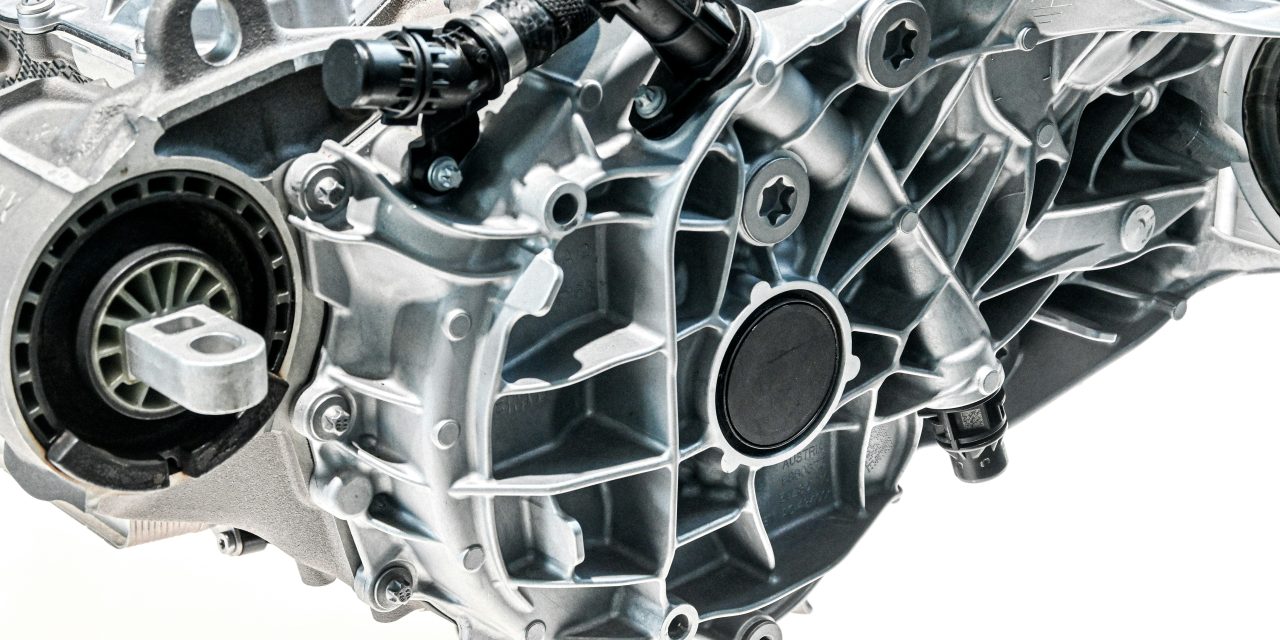
Transmission fluid plays a pivotal role in the overall functionality and longevity of a vehicle’s transmission system. This specialized lubricant serves multiple purposes, including cooling, cleaning, and providing hydraulic pressure necessary for gear shifting. The fluid ensures that the intricate components within the transmission operate smoothly, reducing friction and wear. Without adequate transmission fluid, the risk of severe mechanical failure increases significantly, potentially leading to costly repairs or complete transmission replacement.
Moreover, transmission fluid acts as a medium for transferring power from the engine to the wheels. It facilitates the engagement and disengagement of gears, allowing for seamless acceleration and deceleration. The quality and condition of this fluid are paramount; degraded or contaminated fluid can lead to erratic shifting patterns, increased wear on internal components, and ultimately, transmission failure. Therefore, understanding the importance of maintaining optimal transmission fluid levels and quality is essential for any vehicle owner.
When considering the maintenance of your vehicle, one crucial aspect is the frequency of changing the transmission fluid. Regularly checking and replacing transmission fluid can help ensure the longevity and efficiency of your vehicle’s transmission system. For more insights on maintaining your vehicle with simple recipes that can save you time, you might find this article on cooking with minimal ingredients interesting: Crockpot Chicken and Gravy with Just a Few Ingredients.
Recommended Transmission Fluid Change Intervals
The frequency of transmission fluid changes can vary based on several factors, including vehicle make and model, driving conditions, and the type of transmission fluid used. Generally, manufacturers recommend changing automatic transmission fluid every 30,000 to 60,000 miles. However, some modern vehicles equipped with advanced transmission systems may extend this interval to 100,000 miles or more. It is crucial to consult the owner’s manual for specific recommendations tailored to your vehicle.
Driving habits also play a significant role in determining how often transmission fluid should be changed. For instance, frequent stop-and-go driving, towing heavy loads, or driving in extreme temperatures can accelerate fluid degradation. In such cases, more frequent changes may be necessary to maintain optimal performance. Regular inspections and adherence to recommended intervals can prevent premature wear and extend the life of the transmission system.
Sign I: Unusual Transmission Noises

One of the first indicators that something may be amiss with your vehicle’s transmission is the presence of unusual noises. These sounds can manifest as grinding, whining, or clunking when shifting gears. Such noises often indicate that internal components are not functioning correctly or that there is insufficient lubrication due to low or degraded transmission fluid. Ignoring these warning signs can lead to more severe issues down the line.
In addition to unusual sounds during gear shifts, other auditory cues may include a high-pitched whine when accelerating or a thumping noise when changing gears. These symptoms warrant immediate attention from a qualified mechanic who can diagnose the underlying issue and recommend appropriate corrective measures. Early intervention can prevent further damage and save on costly repairs.
Sign II: Delayed or Sluggish Gear Shifts

Another critical sign that your transmission may be experiencing issues is delayed or sluggish gear shifts. When you press the accelerator pedal, you should feel a prompt response as the vehicle shifts gears smoothly. If there is a noticeable lag or hesitation before the gear engages, it could indicate that the transmission fluid is low or contaminated. This sluggishness can also stem from internal wear within the transmission itself.
In some cases, delayed shifts may be accompanied by harsh engagements or unexpected jolts during gear changes. These symptoms suggest that the hydraulic pressure required for smooth operation is compromised. Addressing these issues promptly is essential to avoid further complications that could lead to complete transmission failure.
When considering the maintenance of your vehicle, one crucial aspect is the frequency of changing transmission fluid, which can significantly impact the longevity and performance of your transmission. For a more in-depth understanding of vehicle maintenance practices, you might find this article on top veterinarians interesting, as it highlights the importance of regular care, whether for pets or vehicles. Keeping up with fluid changes can prevent costly repairs and ensure a smoother driving experience.
Sign III: Transmission Fluid Appears Dark or Dirty
The condition of your transmission fluid can provide valuable insights into the health of your transmission system. Fresh transmission fluid typically has a bright red color and a clear appearance. However, if you notice that the fluid appears dark brown or has a burnt smell, it is a clear indication that it has degraded and may no longer provide adequate lubrication or cooling.
Dirty transmission fluid can result from contamination due to metal shavings, debris, or overheating. This contamination can lead to increased friction within the transmission components, accelerating wear and tear. Regularly checking the color and clarity of your transmission fluid can help you identify potential issues early on and take corrective action before they escalate.
When considering vehicle maintenance, one crucial aspect is the frequency of changing transmission fluid, which can significantly impact the longevity and performance of your car. For a deeper understanding of essential care for your pet, you might find it interesting to explore how often you should be aware of vaccinations for your new dog. This article provides valuable insights that can help you ensure your furry friend stays healthy and happy. For more information, check out the article on puppy vaccines.
Sign IV: Burning Smell Coming from the Transmission
A burning smell emanating from your vehicle’s transmission is a serious warning sign that should not be ignored. This odor often indicates that the transmission fluid is overheating due to excessive friction or inadequate lubrication. Overheating can result from low fluid levels, contaminated fluid, or internal mechanical failures.
If you detect a burning smell while driving, it is crucial to pull over safely and inspect your vehicle immediately. Continuing to drive under these conditions can lead to catastrophic damage to the transmission system. A qualified technician should assess the situation promptly to determine the cause of overheating and recommend appropriate solutions.
Sign V: Transmission Overheating Warning
Modern vehicles are equipped with various warning systems designed to alert drivers to potential issues before they become critical. One such warning is an overheating indicator specific to the transmission system. If this light illuminates on your dashboard, it signifies that the transmission temperature has exceeded safe operating limits.
Overheating can result from several factors, including low fluid levels, contaminated fluid, or mechanical failures within the transmission itself. Ignoring this warning can lead to severe damage and costly repairs. If you experience an overheating warning light, it is essential to stop driving immediately and allow the vehicle to cool down before seeking professional assistance.
Sign VI: Transmission Slipping Between Gears
Transmission slipping occurs when the vehicle unexpectedly changes gears without input from the driver. This phenomenon can manifest as a loss of power during acceleration or a sudden drop in engine RPMs while driving at a constant speed. Slipping is often indicative of low or degraded transmission fluid levels or internal component wear.
If you experience slipping while driving, it is crucial to address the issue promptly. Continuing to drive with a slipping transmission can lead to further damage and potentially render your vehicle inoperable. A thorough inspection by a qualified technician can help identify the root cause of slipping and determine whether a fluid change or more extensive repairs are necessary.
Sign VII: Check Engine or Transmission Warning Lights
Modern vehicles are equipped with sophisticated onboard diagnostic systems that monitor various components’ performance and functionality. If there is an issue with your vehicle’s transmission system, you may see a check engine light or a dedicated transmission warning light illuminate on your dashboard. These warning lights serve as an early alert system for potential problems that require immediate attention.
When these lights appear, it is essential to have your vehicle scanned for diagnostic trouble codes (DTCs) using an OBD-II scanner. These codes provide valuable information about what may be malfunctioning within the transmission system. Ignoring these warning lights can lead to more severe issues down the line; therefore, prompt diagnosis and repair are crucial for maintaining optimal vehicle performance.
How to Check Your Transmission Fluid Yourself
Checking your transmission fluid is a straightforward process that can be performed by most vehicle owners with minimal tools required. To begin, ensure that your vehicle is parked on a level surface and that the engine is running at operating temperature. Locate the transmission dipstick—typically found near the back of the engine bay—and remove it carefully.
Wipe the dipstick clean with a lint-free cloth before reinserting it fully into its tube. Remove it again and inspect the fluid’s color and consistency. Fresh fluid should appear bright red and clear; if it looks dark brown or has a burnt odor, it may need changing. Additionally, check the fluid level against the markings on the dipstick; if it falls below the recommended level, top it off with the appropriate type of transmission fluid as specified in your owner’s manual.
Benefits of Regular Transmission Fluid Changes
Regularly changing your vehicle’s transmission fluid offers numerous benefits that contribute to overall performance and longevity. One significant advantage is improved shifting quality; fresh fluid ensures smooth transitions between gears, enhancing driving comfort and responsiveness. Additionally, regular changes help prevent overheating by maintaining optimal lubrication and cooling properties within the transmission system.
Another benefit is reduced wear on internal components; clean fluid minimizes friction and helps protect against corrosion and sludge buildup. This proactive maintenance approach can extend the lifespan of your transmission system significantly while reducing repair costs over time. Ultimately, investing in regular transmission fluid changes is a wise decision for any vehicle owner seeking reliability and performance.
In summary, understanding the importance of transmission fluid maintenance cannot be overstated; it plays a critical role in ensuring optimal vehicle performance and longevity. Recognizing signs of potential issues—such as unusual noises, delayed shifts, dark fluid appearance, burning smells, overheating warnings, slipping gears, and dashboard alerts—can help you address problems early on before they escalate into costly repairs. Regular checks and timely changes of your transmission fluid will not only enhance driving experience but also safeguard your investment in your vehicle’s future reliability.
FAQs
How often should transmission fluid be changed?
Transmission fluid should typically be changed every 30,000 to 60,000 miles, depending on the vehicle manufacturer’s recommendations and driving conditions. Some newer vehicles may have longer intervals, so it’s essential to consult your owner’s manual for specific guidance.
What are the signs that transmission fluid needs to be changed?
Signs that transmission fluid may need to be changed include slipping gears, delayed or rough shifting, unusual noises when changing gears, and a burnt smell coming from the transmission fluid. Additionally, if the fluid appears dark or contains debris, it may be time for a change.
Can I change my transmission fluid myself?
Yes, you can change your transmission fluid yourself if you have the necessary tools and knowledge. However, it can be a complex process that varies by vehicle, so it’s important to follow the manufacturer’s instructions carefully. If you’re unsure, it’s advisable to seek professional assistance.
What happens if I don’t change my transmission fluid?
If you don’t change your transmission fluid regularly, it can lead to overheating, increased friction, and ultimately, transmission failure. Old fluid can become contaminated and lose its effectiveness, which can cause significant damage to the transmission system over time.
Is it necessary to flush the transmission fluid?
A transmission fluid flush is not always necessary, but it can be beneficial in certain situations, especially if the fluid is contaminated or has not been changed in a long time. Flushing can help remove sludge and debris, but it’s important to follow the manufacturer’s recommendations, as some vehicles may not require a flush.