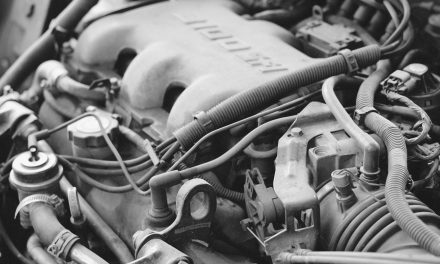
Regular oil changes are a fundamental aspect of vehicle maintenance that significantly contribute to the longevity and performance of an automobile. Engine oil serves as a lubricant, reducing friction between moving parts, thereby preventing wear and tear. Additionally, oil plays a crucial role in cooling the engine by dissipating heat generated during combustion. Over time, oil degrades due to exposure to heat, contaminants, and combustion byproducts, which can lead to a host of mechanical issues if not addressed promptly.
Neglecting regular oil changes can result in severe engine damage, reduced fuel efficiency, and costly repairs. According to the American Automobile Association (AAA), approximately 30% of drivers do not adhere to their vehicle’s recommended oil change intervals. This oversight can lead to sludge buildup, which obstructs oil flow and diminishes the engine’s ability to function optimally. Therefore, understanding the significance of timely oil changes is paramount for maintaining vehicle health and ensuring a smooth driving experience.
Knowing when your car needs an oil change is crucial for maintaining its performance and longevity. Regular oil changes help ensure that your engine runs smoothly and efficiently. For more tips on caring for your vehicle, you might find it helpful to read this related article on how to care for a ragdoll cat’s coat, which emphasizes the importance of regular maintenance in keeping your pet healthy and happy. You can check it out here: how to care for a ragdoll cat’s coat.
Sign 1: Engine Noise and Knocking Sounds
One of the most telling signs that your vehicle may require an oil change is the presence of unusual engine noise or knocking sounds. When engine oil becomes contaminated or depleted, it loses its viscosity and lubricating properties. This degradation can lead to increased friction between engine components, resulting in audible knocking or tapping noises. Such sounds often indicate that the engine is not receiving adequate lubrication, which can lead to severe damage if left unaddressed.
In addition to knocking sounds, drivers may also notice a general increase in engine noise levels. A well-lubricated engine operates quietly, while a lack of proper lubrication can cause metal components to grind against each other. If you begin to hear these unsettling noises, it is crucial to check your oil levels and consider an immediate change to prevent further damage.
Sign 2: Dark or Dirty Oil on the Dipstick

Another clear indicator that your vehicle needs an oil change is the appearance of dark or dirty oil on the dipstick. Fresh engine oil typically has a golden or amber hue, indicating its cleanliness and effectiveness in lubricating engine components. However, as oil ages and becomes contaminated with dirt, debris, and combustion byproducts, it darkens significantly.
To assess your oil’s condition, simply remove the dipstick from its tube and wipe it clean with a lint-free cloth. Reinsert it fully and then remove it again to check the color and consistency of the oil. If the oil appears thick, gritty, or has a dark color, it is time for a change. Regularly monitoring your oil’s appearance can help you stay ahead of potential engine issues and maintain optimal performance.
Sign 3: Exhaust Smoke or Unusual Emissions

Exhaust smoke or unusual emissions can serve as alarming indicators that your vehicle’s engine requires immediate attention. If you notice blue, white, or black smoke emanating from the exhaust pipe, it may signify underlying issues related to engine oil quality or quantity. Blue smoke often indicates that oil is burning within the combustion chamber, which could be due to worn piston rings or valve seals. This condition not only signifies that an oil change is necessary but may also point to more serious mechanical problems.
White smoke typically suggests coolant entering the combustion chamber, which could indicate a blown head gasket or other significant engine issues. Black smoke indicates an overly rich fuel mixture, which may be exacerbated by poor oil quality. Regardless of the color of the smoke, any unusual emissions should prompt an immediate inspection of your vehicle’s oil levels and quality.
Knowing when your car needs an oil change is essential for maintaining its performance and longevity. Regularly checking your oil level and color can help you determine if it’s time for a change. For more insights on keeping your vehicle in top shape, you might find this article on food shelf life interesting, as it highlights the importance of timely maintenance in various aspects of life, including your car and your kitchen.
Sign 4: Oil Change Light or Warning Indicator
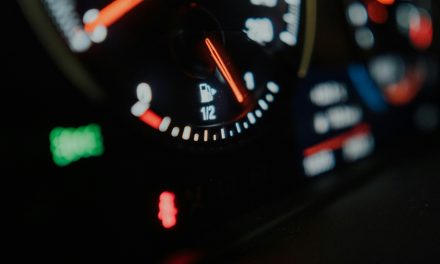
Modern vehicles are equipped with sophisticated onboard diagnostic systems that monitor various aspects of engine performance, including oil quality and levels. When the oil change light or warning indicator illuminates on your dashboard, it serves as a critical alert that your vehicle requires immediate attention. This warning system is designed to notify drivers when oil levels are low or when the oil has degraded beyond acceptable limits.
Ignoring this warning can lead to catastrophic engine failure and costly repairs. It is essential to respond promptly by checking your oil levels and scheduling an oil change if necessary. Regularly monitoring dashboard indicators can help you stay informed about your vehicle’s health and prevent potential breakdowns.
Sign 5: Reduced Fuel Efficiency
A noticeable decline in fuel efficiency can be another sign that your vehicle requires an oil change. Engine oil plays a vital role in ensuring that all moving parts operate smoothly and efficiently. When oil becomes dirty or degraded, it increases friction within the engine, forcing it to work harder and consume more fuel.
According to studies conducted by automotive experts, maintaining clean engine oil can improve fuel efficiency by up to 2% for conventional vehicles and even more for hybrid models. If you find yourself making more frequent trips to the gas station without any changes in driving habits, it may be time to check your oil levels and consider an oil change as part of your maintenance routine.
Sign 6: Engine Overheating
Engine overheating is a serious concern that can lead to catastrophic engine failure if not addressed promptly. One common cause of overheating is insufficient lubrication due to degraded or low-quality engine oil. When oil loses its ability to dissipate heat effectively, it can result in elevated engine temperatures.
If you notice that your temperature gauge is consistently reading higher than normal or if you see steam rising from under the hood, it is crucial to stop driving immediately and check your oil levels. In many cases, an oil change can resolve overheating issues by restoring proper lubrication and cooling properties. However, persistent overheating may indicate more severe problems that require professional diagnosis.
Sign 7: Rough Idling or Difficulty Starting
Rough idling or difficulty starting your vehicle can also signal that an oil change is overdue. When engine oil becomes contaminated or loses its viscosity, it can affect the overall performance of the engine, leading to rough idling or stalling during startup. This occurs because insufficient lubrication can cause components such as pistons and valves to struggle against one another.
If you experience these symptoms, it is advisable to check your oil levels immediately. A simple oil change may restore smooth operation; however, if problems persist after changing the oil, further investigation may be necessary to identify underlying issues.
How Often Should You Change Your Car’s Oil?
The frequency of oil changes depends on several factors, including vehicle make and model, driving conditions, and the type of oil used. Traditionally, many mechanics recommended changing conventional motor oil every 3,000 miles or every three months; however, advancements in engine technology and synthetic oils have extended these intervals significantly.
Most modern vehicles equipped with synthetic oils can go between 5,000 to 10,000 miles before requiring an oil change. It is essential to consult your owner’s manual for specific recommendations tailored to your vehicle’s needs. Additionally, factors such as frequent short trips, extreme temperatures, or towing heavy loads may necessitate more frequent changes.
Choosing the Right Oil for Your Vehicle
Selecting the appropriate motor oil for your vehicle is crucial for optimal performance and longevity. Motor oils are categorized by their viscosity ratings (e.g., 5W-30), which indicate how well they flow at different temperatures. The first number represents the oil’s viscosity at low temperatures (the “W” stands for winter), while the second number indicates its viscosity at high temperatures.
When choosing motor oil, consider factors such as manufacturer recommendations found in your owner’s manual and whether you drive in extreme conditions (e.g., high heat or cold). Synthetic oils offer superior protection and performance compared to conventional oils but may come at a higher cost. Ultimately, selecting the right motor oil tailored to your vehicle’s specifications will enhance engine performance and longevity.
Tips for Maintaining Optimal Engine Health Between Oil Changes
To ensure optimal engine health between scheduled oil changes, consider implementing several proactive maintenance practices:
1. **Regularly Check Oil Levels**: Make it a habit to check your dipstick regularly for accurate readings on oil levels and quality.
2. **Monitor Dashboard Indicators**: Pay attention to warning lights on your dashboard; they provide critical information about your vehicle’s health.
3. **Maintain Clean Air Filters**: A clean air filter ensures proper airflow into the engine, promoting efficient combustion and reducing strain on engine components.
4. **Use Quality Fuel**: Opt for high-quality fuel that meets manufacturer specifications; this can help reduce deposits in the engine.
5. **Schedule Routine Maintenance**: Regularly scheduled maintenance checks by a qualified mechanic can help identify potential issues before they escalate into costly repairs.
In conclusion, regular oil changes are essential for maintaining optimal vehicle performance and longevity. By recognizing signs such as unusual engine noise, dark or dirty oil on the dipstick, exhaust smoke, warning indicators on the dashboard, reduced fuel efficiency, overheating engines, rough idling, and difficulty starting your vehicle, drivers can take proactive measures to prevent severe damage. Understanding how often to change your car’s oil and selecting the right type of motor oil tailored to your vehicle’s needs will further enhance performance. Implementing routine maintenance practices will ensure optimal engine health between changes while prolonging the life of your automobile.
FAQs
How often should I change my car’s oil?
Most manufacturers recommend changing your car’s oil every 5,000 to 7,500 miles, but this can vary based on the type of oil used and your driving habits. Always refer to your owner’s manual for specific guidelines.
What are the signs that my car needs an oil change?
Common signs include a warning light on your dashboard, unusual engine noises, a burning smell, or dark, gritty oil on the dipstick. If you notice any of these symptoms, it’s time to check your oil and consider a change.
Can I go longer than the recommended oil change interval?
While some drivers may extend the interval slightly, it’s not advisable to exceed the manufacturer’s recommendations significantly. Doing so can lead to engine wear and potential damage over time.
What happens if I don’t change my oil?
Failing to change your oil can lead to sludge buildup, reduced engine performance, overheating, and ultimately, engine failure. Regular oil changes are crucial for maintaining engine health.
Is it necessary to change the oil filter every time I change the oil?
Yes, it is generally recommended to change the oil filter every time you change the oil. A new filter helps ensure that contaminants are removed from the oil, promoting better engine performance and longevity.