Wheel alignment refers to the adjustment of a vehicle’s suspension system, which connects the vehicle to its wheels. Proper alignment ensures that the wheels are positioned correctly relative to each other and the road. This process involves adjusting the angles of the wheels, specifically the camber, caster, and toe. Camber refers to the tilt of the wheels when viewed from the front, caster is the angle of the steering axis when viewed from the side, and toe indicates whether the wheels are pointed inward or outward.
The significance of maintaining proper wheel alignment cannot be overstated. Misalignment can lead to uneven tire wear, reduced fuel efficiency, and compromised handling. In fact, studies indicate that misaligned wheels can decrease fuel economy by up to 10%. Furthermore, proper alignment enhances vehicle safety by ensuring optimal contact between tires and the road surface, which is crucial for effective braking and steering response.
Wheel alignment can be negatively affected by various factors, including potholes, uneven road surfaces, and even regular wear and tear on your vehicle’s suspension components. For a deeper understanding of how to maintain your vehicle and keep it in top shape, you might find it helpful to read this article on effective cleaning techniques: 10 Tips for Cleaning with Microfiber Cloths the Right Way. Proper maintenance not only enhances the longevity of your vehicle but also contributes to better handling and safety on the road.
Common Signs of Wheel Alignment Problems
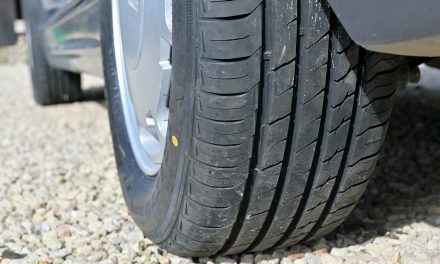
Identifying wheel alignment issues early can save drivers from costly repairs and enhance safety. One of the most noticeable signs is uneven tire wear; if one side of a tire appears more worn than the other, it may indicate misalignment. Additionally, drivers may experience a vehicle that pulls to one side while driving straight, which can be both distracting and dangerous.
Another common symptom is a steering wheel that is off-center when driving straight. This misalignment can lead to discomfort and difficulty in controlling the vehicle. Drivers may also notice vibrations in the steering wheel or a general feeling of instability while driving, which can further indicate that alignment adjustments are necessary.
Impact of Potholes and Road Hazards on Alignment

Potholes and other road hazards pose significant threats to wheel alignment. When a vehicle hits a pothole, the sudden impact can cause immediate misalignment by jarring suspension components out of their intended positions. Research shows that even minor impacts can lead to cumulative damage over time, resulting in persistent alignment issues.
Moreover, road hazards such as debris or uneven surfaces can exacerbate existing alignment problems. Regular exposure to these conditions can lead to accelerated wear on suspension components, further complicating alignment issues. Therefore, it is crucial for drivers to remain vigilant about road conditions and address any alignment concerns promptly.
Effects of Worn Suspension Components

Worn suspension components can significantly affect wheel alignment. Parts such as control arms, bushings, and ball joints play critical roles in maintaining proper alignment angles. As these components wear down over time due to normal use or exposure to harsh conditions, they can lead to misalignment.
For instance, worn bushings may allow excessive movement in the suspension system, causing changes in camber and toe angles. Similarly, degraded ball joints can result in instability and misalignment as they fail to hold the wheel in its correct position. Regular inspections of suspension components are essential for preventing alignment issues and ensuring optimal vehicle performance.
Wheel alignment can be negatively affected by several factors, including potholes, curb impacts, and general wear and tear on suspension components. When these issues arise, it can lead to uneven tire wear and poor handling, making it essential for drivers to stay informed about their vehicle’s maintenance needs. For a deeper understanding of how various driving conditions can impact your vehicle, you might find this article on cooking shrimp surprisingly relevant, as it highlights the importance of precision and care in both cooking and vehicle maintenance.
Role of Tire Wear and Pressure in Alignment Issues
Tire wear and pressure are closely linked to wheel alignment problems. Under-inflated tires can cause uneven wear patterns that mimic misalignment symptoms. Conversely, over-inflated tires may lead to excessive wear on the center of the tread, which can also mask underlying alignment issues.
Maintaining proper tire pressure is crucial for ensuring even wear and optimal handling characteristics. The recommended tire pressure varies by vehicle model but typically ranges from 30 to 35 psi. Regularly checking tire pressure and adjusting it as needed can help mitigate alignment problems and prolong tire life.
Influence of Accidents and Collisions on Wheel Position
Accidents and collisions can have a profound impact on wheel alignment. Even minor fender benders can cause significant misalignment due to the forces exerted on suspension components during impact. In many cases, drivers may not immediately notice alignment issues following an accident, making it essential to have a professional inspection conducted post-collision.
Furthermore, structural damage to the vehicle’s frame can lead to persistent alignment problems if not addressed properly. It is crucial for drivers involved in accidents to seek comprehensive assessments from qualified technicians who can identify any hidden damage that may affect wheel alignment.
How Improper Installation of Wheels Causes Misalignment
Improper installation of wheels can lead to immediate misalignment issues. When wheels are not mounted correctly or lug nuts are not torqued to manufacturer specifications, it can result in uneven pressure on suspension components. This improper installation may cause wheels to sit at incorrect angles, leading to rapid tire wear and compromised handling.
Additionally, using incompatible wheel sizes or offsets can exacerbate alignment problems. It is essential for vehicle owners to ensure that any wheel replacements or installations are performed by qualified professionals who adhere to manufacturer guidelines.
Diagnosing Alignment Problems: Tools and Techniques
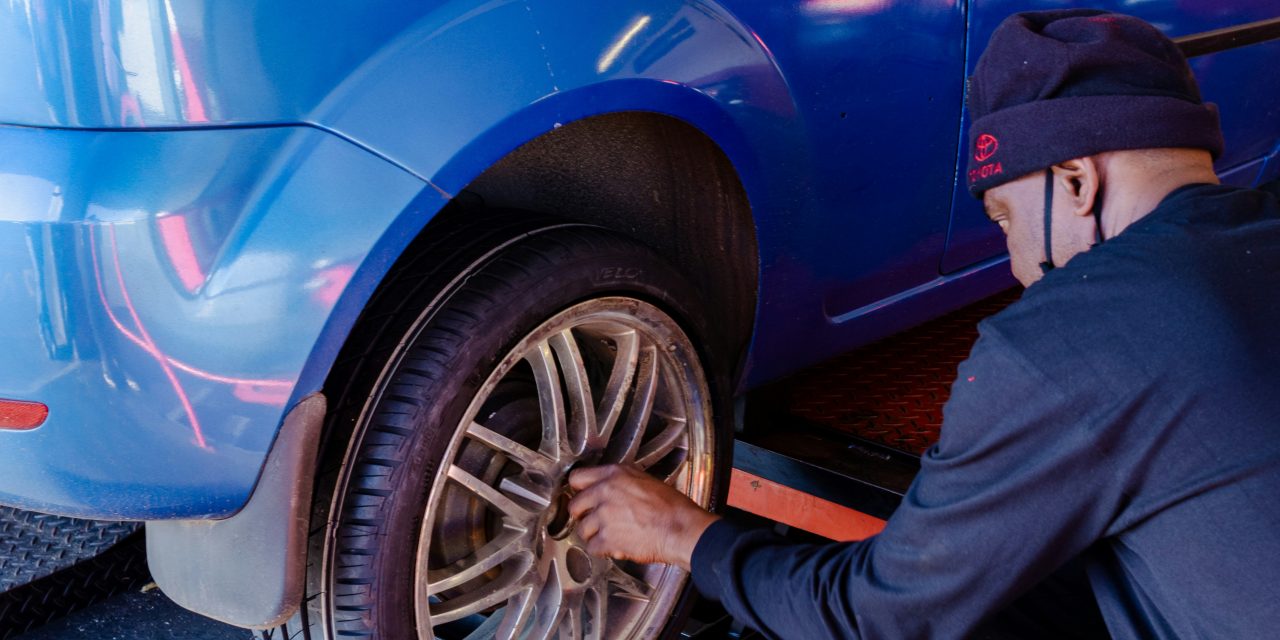
Diagnosing wheel alignment problems requires specialized tools and techniques. One common method involves using a computerized alignment machine that measures the angles of each wheel relative to the vehicle’s specifications. This equipment provides precise readings that help technicians determine whether adjustments are necessary.
Another diagnostic technique involves visual inspections of tire wear patterns and suspension components. Technicians may also perform a road test to assess how the vehicle handles under various driving conditions. By combining these methods, professionals can accurately diagnose alignment issues and recommend appropriate solutions.
DIY Quick Fixes for Minor Alignment Issues
For minor alignment issues, there are some DIY quick fixes that drivers can attempt before seeking professional help. One common method is adjusting tire pressure; ensuring that all tires are inflated to the recommended levels can alleviate some symptoms associated with misalignment.
Another temporary solution involves rotating tires to promote even wear patterns. While this does not correct underlying alignment problems, it may help extend tire life until a professional alignment can be performed. However, it is essential for drivers to recognize that these fixes are not substitutes for proper alignment services.
When to Seek Professional Wheel Alignment Services
While minor issues may be addressed through DIY methods, there are clear indicators that warrant professional intervention. If a vehicle consistently pulls to one side or exhibits uneven tire wear despite proper inflation, it is time to consult a qualified technician for an alignment check.
Additionally, after hitting a significant pothole or being involved in an accident, seeking professional services is crucial for ensuring that any potential misalignment is addressed promptly. Regular maintenance checks should also include alignment assessments as part of a comprehensive vehicle care routine.
Preventative Maintenance Tips to Avoid Alignment Problems
Preventative maintenance plays a vital role in avoiding wheel alignment problems. Regularly inspecting suspension components for signs of wear or damage can help catch potential issues before they escalate into significant misalignment concerns.
Moreover, maintaining proper tire pressure and rotating tires according to manufacturer recommendations can promote even wear and prolong tire life. Drivers should also be cautious when navigating rough roads or potholes; avoiding sudden impacts can significantly reduce the risk of misalignment.
In summary, understanding wheel alignment is essential for maintaining vehicle safety and performance. Recognizing common signs of misalignment, such as uneven tire wear or steering issues, allows drivers to address problems early on. Factors like potholes, worn suspension components, accidents, and improper installation contribute significantly to alignment issues. Diagnosing these problems requires specialized tools and techniques; however, minor issues may be temporarily managed through DIY fixes until professional services are sought. Ultimately, regular preventative maintenance is key to avoiding costly repairs and ensuring optimal vehicle operation over time.
FAQs
What is wheel alignment?
Wheel alignment refers to the adjustment of a vehicle’s suspension system, ensuring that the wheels are set to the correct angles as specified by the manufacturer. Proper alignment helps improve vehicle handling, tire wear, and overall safety.
What causes wheel alignment to go bad?
Wheel alignment can go bad due to several factors, including hitting potholes or curbs, uneven tire wear, worn suspension components, and changes in load or weight distribution in the vehicle. Regular driving conditions and road surfaces can also contribute to misalignment over time.
How can I tell if my wheel alignment is off?
Signs of poor wheel alignment include uneven tire wear, the vehicle pulling to one side while driving, a crooked steering wheel when driving straight, and vibrations in the steering wheel. If you notice any of these symptoms, it may be time to have your alignment checked.
How often should I check my wheel alignment?
It is generally recommended to check your wheel alignment at least once a year or every 12,000 miles. However, you should also have it checked after any significant impact, such as hitting a pothole or curb, or if you notice any symptoms of misalignment.
Can I fix wheel alignment myself?
While some minor adjustments can be made at home, proper wheel alignment typically requires specialized equipment and expertise. It is advisable to have a professional mechanic perform the alignment to ensure it meets the manufacturer’s specifications and to avoid further issues.