The foundation of any successful baking endeavor lies in the choice of flour. For soft cinnamon rolls, all-purpose flour is often the go-to option due to its balanced protein content, which typically ranges from 10-12%. This protein level is crucial as it provides the necessary gluten structure, allowing the dough to rise adequately while maintaining a tender crumb. However, for those seeking an even softer texture, bread flour can be an excellent alternative. With a higher protein content of approximately 12-14%, bread flour enhances gluten development, resulting in a chewier and more elastic dough.
When selecting flour, it is essential to consider its freshness and quality. Flour that has been stored improperly or is past its expiration date can lead to subpar results. Opting for organic or locally sourced flour can also elevate the flavor profile of your cinnamon rolls. Additionally, experimenting with a blend of flours, such as incorporating a small percentage of whole wheat flour, can add depth to the flavor while still achieving a soft texture. Ultimately, the right flour choice is pivotal in creating the perfect base for your cinnamon rolls.
If you’re looking to elevate your baking skills, you might also be interested in understanding the shelf life of various ingredients that can enhance your cinnamon rolls. For instance, knowing how long peanut butter lasts can help you incorporate it into your recipes without compromising flavor or texture. To learn more about this, check out this informative article on peanut butter’s shelf life at Peanut Butter Shelf Life: How Long Does It Really Last?.
Using Fresh Yeast for Optimal Rise
Yeast is the magical ingredient that transforms simple dough into fluffy, airy cinnamon rolls. For optimal results, using fresh yeast is paramount. Fresh yeast, also known as cake yeast or compressed yeast, contains live organisms that are highly active and capable of producing carbon dioxide efficiently. This gas is what causes the dough to rise, creating those delightful air pockets that contribute to the soft texture of the rolls.
When working with fresh yeast, it is crucial to activate it properly. Dissolving it in warm water (between 100°F and 110°F) along with a pinch of sugar can help awaken the yeast and kickstart fermentation. This process should take about 5-10 minutes, during which you should see bubbles forming on the surface. Alternatively, instant yeast or active dry yeast can also be used; however, they require different activation methods. Regardless of the type chosen, ensuring that your yeast is fresh and properly activated will significantly impact the final product’s rise and texture.
Perfecting the Dough Kneading Technique

Kneading is a critical step in developing gluten structure within the dough, which ultimately contributes to the softness of cinnamon rolls. The process involves folding and pressing the dough repeatedly to align gluten strands and create elasticity. A well-kneaded dough should be smooth and slightly tacky but not overly sticky. Typically, kneading should last between 8-10 minutes by hand or about 5-7 minutes using a stand mixer fitted with a dough hook.
To determine if your dough has been kneaded sufficiently, perform the “windowpane test.” Take a small piece of dough and stretch it gently between your fingers; if it forms a thin membrane without tearing, you have achieved the desired gluten development. If it tears easily, continue kneading until you reach this stage. Proper kneading not only enhances texture but also improves the overall rise during fermentation, leading to light and fluffy cinnamon rolls.
Incorporating the Ideal Amount of Butter and Sugar

Butter and sugar are essential components that contribute to both flavor and texture in cinnamon rolls. The right balance of these ingredients can elevate your rolls from ordinary to extraordinary. Typically, a rich dough will contain around 1/2 cup (1 stick) of unsalted butter and 1/2 cup of granulated sugar. The butter adds moisture and richness while also contributing to a tender crumb.
When incorporating butter into the dough, it should be softened but not melted. This allows for even distribution throughout the mixture without compromising the dough’s structure. Sugar not only sweetens but also aids in browning during baking due to caramelization. For those who prefer a more decadent roll, consider increasing the sugar slightly or adding brown sugar for a deeper flavor profile. Ultimately, achieving the right ratio of butter and sugar is crucial for creating irresistibly soft cinnamon rolls.
If you’re looking to elevate your baking skills, you might find it helpful to explore a related article that discusses the science behind why certain pests, like ants, keep returning even after cleaning. Understanding these patterns can inspire you to create a cleaner kitchen environment, perfect for making those soft and fluffy cinnamon rolls. You can read more about it in this insightful piece on ant behavior. With a tidy space, you’ll be all set to enjoy the delightful aroma and taste of freshly baked treats.
Letting the Dough Rise Twice for Fluffiness
The rising process is where the magic happens in bread-making. Allowing the dough to rise twice significantly enhances its texture and flavor. The first rise, known as bulk fermentation, typically lasts about 1-2 hours or until the dough has doubled in size. This initial rise allows yeast to produce carbon dioxide and develop flavor through fermentation.
After shaping your cinnamon rolls, a second rise—often referred to as proofing—should occur before baking. This step usually takes about 30-45 minutes and allows the rolls to expand further, resulting in a lighter texture. During this time, cover the rolls with a damp cloth or plastic wrap to prevent them from drying out. Skipping this crucial step can lead to denser rolls that lack the desired fluffiness.
Rolling Out the Dough to the Correct Thickness
Achieving the perfect thickness when rolling out your dough is vital for creating evenly sized cinnamon rolls that bake uniformly. Generally, you should aim for a thickness of about 1/4 inch when rolling out your dough. This thickness allows for adequate filling while ensuring that the rolls maintain their shape during baking.
To roll out your dough effectively, start by lightly flouring your work surface and rolling pin to prevent sticking. Gently press down on the dough with your rolling pin while applying even pressure to create an even surface. If you notice any resistance or shrinking, allow the dough to rest for a few minutes before continuing. This resting period relaxes the gluten strands, making it easier to achieve your desired thickness without tearing.
Spreading the Cinnamon Filling Evenly
The filling is what truly defines cinnamon rolls and elevates them from simple bread to a delightful treat. A classic filling typically consists of brown sugar, ground cinnamon, and softened butter. To create an evenly distributed filling, spread softened butter over the rolled-out dough first; this acts as an adhesive for the sugar and cinnamon mixture.
Once the butter is applied, sprinkle an even layer of brown sugar mixed with cinnamon across the surface of the dough. Aim for approximately 1/2 cup of brown sugar combined with 2 tablespoons of ground cinnamon for optimal flavor. Using an offset spatula can help achieve an even spread without tearing the dough. Ensuring that your filling is evenly distributed will result in consistent flavor throughout each roll.
Rolling and Cutting the Cinnamon Rolls with Care
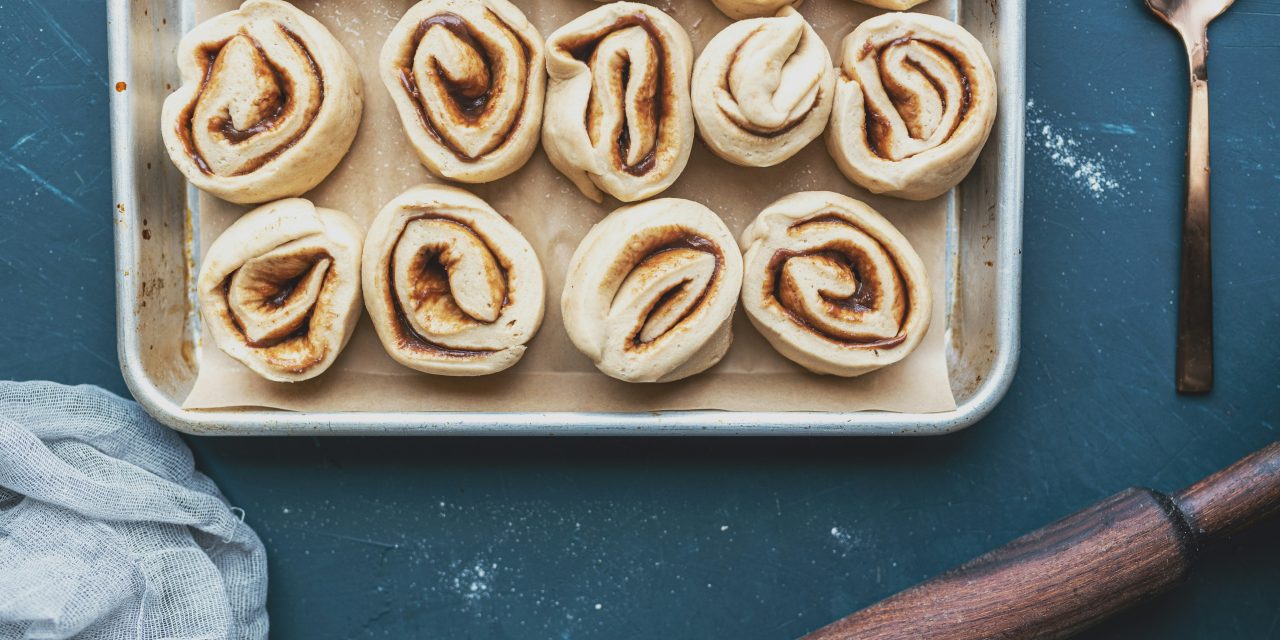
The technique used when rolling and cutting your cinnamon rolls can significantly impact their final appearance and texture. After spreading your filling evenly across the dough, begin rolling from one end tightly towards the other to form a log shape. A tight roll ensures that each slice maintains its shape during baking while also maximizing filling distribution.
When cutting your rolls, use a sharp knife or dental floss for clean edges without squishing the dough. Aim for slices that are approximately 1-2 inches thick; this size allows for even baking while still providing a generous portion of filling in each roll. After cutting, place them in a greased baking dish or on parchment paper-lined trays with enough space between each roll to allow for expansion during proofing.
Proofing the Rolls Before Baking
Proofing is an essential step that allows your cinnamon rolls to rise further before they hit the oven. This final rise typically lasts between 30-45 minutes and should occur in a warm environment free from drafts. Covering your rolls with a damp cloth or plastic wrap helps retain moisture while preventing them from drying out.
During proofing, you should observe noticeable expansion as air bubbles form within the dough due to continued yeast activity. To ensure optimal results, preheat your oven slightly before placing your rolls inside; this creates a warm environment conducive to rising without overheating them. Proper proofing leads to light and airy cinnamon rolls that are sure to impress.
Baking at the Right Temperature for Soft Texture
Baking temperature plays a crucial role in achieving soft cinnamon rolls with a golden-brown exterior. Preheat your oven to around 350°F (175°C), which is ideal for baking these treats evenly without burning them on the outside while leaving them undercooked on the inside.
Baking time typically ranges from 20-25 minutes; however, keep an eye on them as ovens can vary significantly in temperature accuracy. The rolls are done when they are golden brown on top and have an internal temperature of approximately 190°F (88°C). Using an instant-read thermometer can help ensure perfect doneness without risking overbaking.
Adding a Cream Cheese Glaze for Extra Moisture and Flavor
To elevate your cinnamon rolls further, consider adding a cream cheese glaze after they have cooled slightly post-baking. This glaze not only adds moisture but also introduces a tangy flavor that beautifully complements the sweetness of the rolls. A simple glaze can be made by combining softened cream cheese with powdered sugar, vanilla extract, and milk until smooth.
Drizzle or spread this glaze generously over each roll once they have cooled for about 10-15 minutes; this allows it to melt slightly into every crevice without sliding off entirely. The result is an indulgent treat that combines rich flavors with delightful textures—perfect for breakfast or dessert.
In summary, crafting soft cinnamon rolls requires attention to detail at every stage—from selecting high-quality flour and fresh yeast to perfecting kneading techniques and ensuring proper proofing before baking. By following these steps diligently and incorporating flavorful fillings and glazes, you can create irresistible cinnamon rolls that are sure to delight anyone who takes a bite.
### FAQ Section
1. **Can I use whole wheat flour instead of all-purpose flour?**
Yes, you can substitute whole wheat flour; however, consider using half whole wheat and half all-purpose flour for better texture.
2. **What if my yeast doesn’t foam when activated?**
If your yeast doesn’t foam after activation, it may be expired or inactive; try using fresh yeast or check water temperature.
3. **How do I store leftover cinnamon rolls?**
Store leftover rolls in an airtight container at room temperature for up to 2 days or refrigerate them for up to a week.
4. **Can I freeze cinnamon rolls?**
Yes! You can freeze unbaked rolls after shaping them; simply wrap tightly in plastic wrap and foil before freezing.
5. **What can I use instead of cream cheese in the glaze?**
You can substitute cream cheese with mascarpone cheese or omit it entirely for a simple powdered sugar glaze with milk.
6. **How do I know when my cinnamon rolls are done baking?**
They should be golden brown on top and have an internal temperature of around 190°F (88°C).
7. **Can I make these cinnamon rolls vegan?**
Yes! Substitute butter with vegan margarine and use plant-based milk along with egg replacers if needed.
8. **What’s the best way to reheat leftover cinnamon rolls?**
Reheat in a microwave for about 15-20 seconds or warm them in an oven at low heat until heated through.
9. **How long does it take for cinnamon roll dough to rise?**
The first rise typically takes about 1-2 hours until doubled in size; proofing after shaping takes about 30-45 minutes.
10. **Can I add nuts or raisins to my filling?**
Absolutely! Chopped nuts or raisins can enhance flavor and texture; just ensure they are evenly distributed throughout the filling.
In conclusion, mastering soft cinnamon rolls involves careful attention to each step—from ingredient selection through baking techniques—to achieve delightful results that are both visually appealing and deliciously satisfying.
FAQs
What ingredients are essential for making soft and fluffy cinnamon rolls?
To make soft and fluffy cinnamon rolls, you will need all-purpose flour, sugar, yeast, milk, butter, eggs, and cinnamon. Additionally, for the filling, you may want to include brown sugar and more butter, while cream cheese or powdered sugar can be used for frosting.
How long should the dough be allowed to rise?
The dough should be allowed to rise for about 1 to 2 hours, or until it has doubled in size. This rising time is crucial for developing the gluten structure, which contributes to the softness and fluffiness of the rolls.
What is the best way to ensure the cinnamon rolls are fluffy?
To ensure the cinnamon rolls are fluffy, make sure to knead the dough properly until it is smooth and elastic. Additionally, avoid over-proofing the dough, as this can lead to dense rolls. Baking them at the right temperature and not overcrowding the pan also helps maintain their fluffiness.
Can I prepare the cinnamon rolls in advance?
Yes, you can prepare cinnamon rolls in advance. After shaping the rolls, you can cover them tightly and refrigerate them overnight. In the morning, allow them to come to room temperature and rise for about 30 minutes before baking.
What is the ideal baking temperature for cinnamon rolls?
The ideal baking temperature for cinnamon rolls is typically around 350°F (175°C). This temperature allows the rolls to bake evenly and develop a golden-brown color while remaining soft and fluffy inside.