Dry patches on the face can be a frustrating and uncomfortable experience for many individuals. These patches may arise from a multitude of factors, including environmental influences, skin conditions, and lifestyle choices. One of the primary culprits is the disruption of the skin’s natural barrier, which can occur due to excessive exposure to harsh weather conditions, such as cold winds or intense sunlight. Additionally, indoor heating during winter months can strip moisture from the skin, leading to dryness and irritation.
Another significant factor contributing to dry patches is the presence of underlying skin conditions such as eczema, psoriasis, or dermatitis. These conditions can cause inflammation and exacerbate the skin’s inability to retain moisture. Furthermore, certain medications, particularly those that target acne or other skin disorders, may inadvertently lead to dryness as a side effect. Understanding these causes is crucial for developing an effective treatment plan and preventing future occurrences.
To effectively prevent dry patches on your face, it’s essential to maintain proper hydration and use suitable skincare products. For more insights on maintaining freshness and safety in your daily routines, you might find this article on how to store cut watermelon safely in the fridge helpful. It emphasizes the importance of moisture retention, which can be paralleled to keeping your skin hydrated. You can read the article here: How to Store Cut Watermelon Safely in the Fridge.
Choosing the Right Cleanser for Sensitive Skin
Selecting an appropriate cleanser is paramount for individuals with sensitive skin prone to dryness. A gentle, hydrating cleanser can help maintain the skin’s moisture balance while effectively removing impurities. Look for products that are free from sulfates, fragrances, and alcohol, as these ingredients can exacerbate dryness and irritation. Instead, opt for cream-based or oil-based cleansers that contain soothing ingredients such as aloe vera, chamomile, or glycerin.
It is also essential to consider the pH level of the cleanser. A product with a pH close to that of the skin (around 5.5) will help preserve the skin’s natural barrier and prevent further moisture loss. Cleansing should be performed twice daily—once in the morning and once before bedtime—to ensure that the skin remains clean without stripping it of essential oils. By choosing the right cleanser, individuals can significantly reduce the risk of developing dry patches and promote overall skin health.
The Importance of Regular Exfoliation

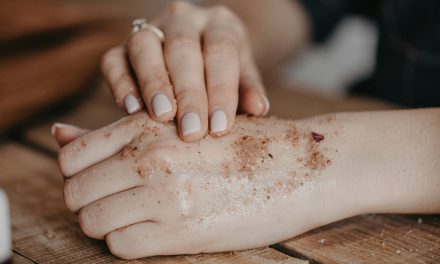
Exfoliation plays a critical role in maintaining healthy skin by removing dead skin cells that can accumulate on the surface. This buildup can lead to dullness and exacerbate dryness, making it essential to incorporate regular exfoliation into your skincare routine. However, it is crucial to choose gentle exfoliating methods suitable for sensitive skin types. Chemical exfoliants containing alpha-hydroxy acids (AHAs) or beta-hydroxy acids (BHAs) are often recommended as they provide a more controlled approach compared to physical scrubs.
Exfoliating once or twice a week can help improve skin texture and enhance the absorption of subsequent skincare products. This process stimulates cell turnover, allowing fresh, hydrated skin to emerge while minimizing the appearance of dry patches. However, over-exfoliation can lead to irritation and further dryness; therefore, it is vital to listen to your skin’s needs and adjust your routine accordingly.
Hydrating Your Skin with Moisturizers

Moisturizers are essential for combating dry patches on the face by providing hydration and sealing in moisture. When selecting a moisturizer, look for products that contain humectants such as hyaluronic acid or glycerin, which attract water to the skin. Additionally, occlusive agents like petrolatum or dimethicone can create a protective barrier that prevents moisture loss throughout the day.
For optimal results, apply moisturizer immediately after cleansing while the skin is still damp. This practice helps lock in hydration and enhances the effectiveness of the product. It is also advisable to choose a moisturizer tailored to your specific skin type—whether oily, combination, or dry—to ensure that it meets your unique needs without causing further irritation.
If you’re struggling with dry patches on your face, it’s essential to adopt a proper skincare routine that includes moisturizing and exfoliating. To learn more about maintaining healthy skin, you might find this article on successful service dog training particularly interesting, as it highlights the importance of consistency and care, which can also be applied to your skincare regimen. Remember, taking the time to understand your skin’s needs can lead to a more radiant and hydrated complexion.
Incorporating Facial Oils for Extra Nourishment
Facial oils can provide an additional layer of nourishment for individuals struggling with dry patches on their face. These oils are rich in essential fatty acids and antioxidants that help restore the skin’s lipid barrier and improve overall hydration levels. Oils such as jojoba oil, argan oil, and rosehip oil are particularly beneficial due to their lightweight texture and ability to absorb quickly into the skin.
Incorporating facial oils into your skincare routine can be done by applying a few drops after moisturizing or mixing them into your moisturizer for enhanced hydration. This practice not only helps alleviate dryness but also imparts a healthy glow to the complexion. However, it is essential to choose non-comedogenic oils if you are prone to breakouts, ensuring that your skincare regimen remains effective without clogging pores.
To effectively prevent dry patches on your face, it’s essential to adopt a consistent skincare routine that includes moisturizing and exfoliating. Additionally, you might find it helpful to explore related tips on maintaining healthy skin. For instance, you can check out this article that discusses various methods to keep your skin hydrated and glowing. By incorporating these strategies into your daily regimen, you can significantly reduce the occurrence of dry patches and enhance your overall complexion. For more insights, visit this helpful resource.
Protecting Your Skin from Harsh Weather Conditions
Environmental factors play a significant role in skin health, particularly when it comes to dryness. Protecting your skin from harsh weather conditions is crucial for preventing dry patches. During colder months, wearing protective clothing such as scarves and hats can shield your face from biting winds and low humidity levels. Additionally, applying a broad-spectrum sunscreen with an SPF of at least 30 is vital year-round to protect against UV damage that can exacerbate dryness.
In warmer months, consider using lightweight formulations that provide hydration without feeling heavy on the skin. Look for products containing antioxidants like vitamin C or E that can help combat oxidative stress caused by sun exposure. By taking proactive measures against environmental aggressors, you can significantly reduce the likelihood of developing dry patches on your face.
Avoiding Overuse of Harsh Skincare Products
While maintaining a skincare routine is essential for healthy skin, overusing harsh products can lead to adverse effects such as dryness and irritation. Ingredients like retinoids and benzoyl peroxide are effective for treating acne but can also strip moisture from the skin if used excessively. It is crucial to introduce these products gradually and monitor how your skin responds.
Instead of relying solely on potent active ingredients, consider incorporating soothing agents like ceramides or niacinamide into your routine. These ingredients help strengthen the skin barrier while providing hydration without causing irritation. Striking a balance between effective treatment and gentle care is key to preventing dry patches and maintaining overall skin health.
Drinking Plenty of Water for Internal Hydration
Hydration begins from within; therefore, drinking an adequate amount of water daily is vital for maintaining healthy skin. The general recommendation is to consume at least eight 8-ounce glasses (approximately 2 liters) of water per day; however, individual needs may vary based on factors such as activity level and climate. Proper hydration supports cellular function and helps maintain elasticity in the skin.
In addition to water intake, consuming foods with high water content—such as cucumbers, watermelon, and oranges—can further contribute to overall hydration levels. By prioritizing internal hydration alongside external skincare practices, individuals can enhance their efforts in combating dry patches effectively.
Using a Humidifier to Maintain Skin Moisture
A humidifier can be an invaluable tool in combating dry patches on the face, particularly during winter months when indoor heating systems tend to lower humidity levels significantly. By adding moisture back into the air, humidifiers help prevent excessive evaporation of water from the skin’s surface. This added humidity can lead to improved hydration levels and overall skin comfort.
When using a humidifier, it is essential to maintain proper cleanliness by regularly changing water and cleaning the device according to manufacturer instructions. This practice helps prevent mold growth and ensures that you are breathing in clean air while benefiting from increased humidity levels.
Adopting a Balanced Diet Rich in Essential Fatty Acids
A balanced diet plays a crucial role in maintaining healthy skin and preventing dryness. Foods rich in essential fatty acids—such as omega-3s found in fatty fish (salmon, mackerel), walnuts, flaxseeds, and chia seeds—can help support the skin’s lipid barrier and improve moisture retention. Incorporating these foods into your diet not only benefits your skin but also promotes overall health.
Additionally, consuming a variety of fruits and vegetables provides essential vitamins and antioxidants that contribute to skin health. Vitamins A, C, E, and zinc are particularly important for maintaining healthy skin function and combating oxidative stress caused by environmental factors.
Consulting a Dermatologist for Persistent Dry Patches
If dry patches persist despite implementing various skincare strategies, consulting a dermatologist is advisable for further evaluation and treatment options. A dermatologist can assess underlying conditions that may be contributing to dryness and recommend appropriate interventions tailored to individual needs.
Potential treatments may include prescription-strength moisturizers or topical corticosteroids for inflammatory conditions like eczema or psoriasis. In some cases, dermatologists may suggest advanced therapies such as phototherapy or systemic medications for more severe cases. Seeking professional guidance ensures that individuals receive targeted care aimed at alleviating persistent dry patches effectively.
In summary, addressing dry patches on your face requires a multifaceted approach that includes understanding underlying causes, selecting appropriate skincare products, maintaining hydration both internally and externally, and seeking professional advice when necessary. By implementing these strategies diligently, individuals can achieve healthier, more hydrated skin while minimizing discomfort associated with dryness.
FAQs
What causes dry patches on the face?
Dry patches on the face can be caused by a variety of factors including environmental conditions such as cold weather, low humidity, and excessive sun exposure. Additionally, skin conditions like eczema or psoriasis, as well as the use of harsh skincare products, can contribute to dryness. Dehydration and certain medical conditions may also play a role.
How can I hydrate my skin to prevent dry patches?
To hydrate your skin effectively, use a moisturizer that contains ingredients like hyaluronic acid, glycerin, or ceramides. Drinking plenty of water throughout the day is also essential for maintaining skin hydration. Additionally, consider using a humidifier in your home, especially during dry seasons, to add moisture to the air.
Are there specific ingredients to look for in skincare products to avoid dry patches?
Yes, look for skincare products that contain hydrating ingredients such as aloe vera, shea butter, jojoba oil, and vitamin E. Avoid products with alcohol, fragrances, or sulfates, as these can strip moisture from the skin and exacerbate dryness.
How often should I moisturize my face to prevent dryness?
It is generally recommended to moisturize your face at least twice a day—once in the morning and once at night. If your skin feels particularly dry, you may benefit from applying moisturizer more frequently throughout the day, especially after washing your face or being exposed to harsh environmental conditions.
Can diet affect the moisture levels of my skin?
Yes, diet can significantly impact skin moisture levels. Consuming a balanced diet rich in omega-3 fatty acids, antioxidants, and vitamins can help maintain skin health. Foods like fatty fish, nuts, seeds, fruits, and vegetables can promote hydration and improve the overall appearance of your skin.