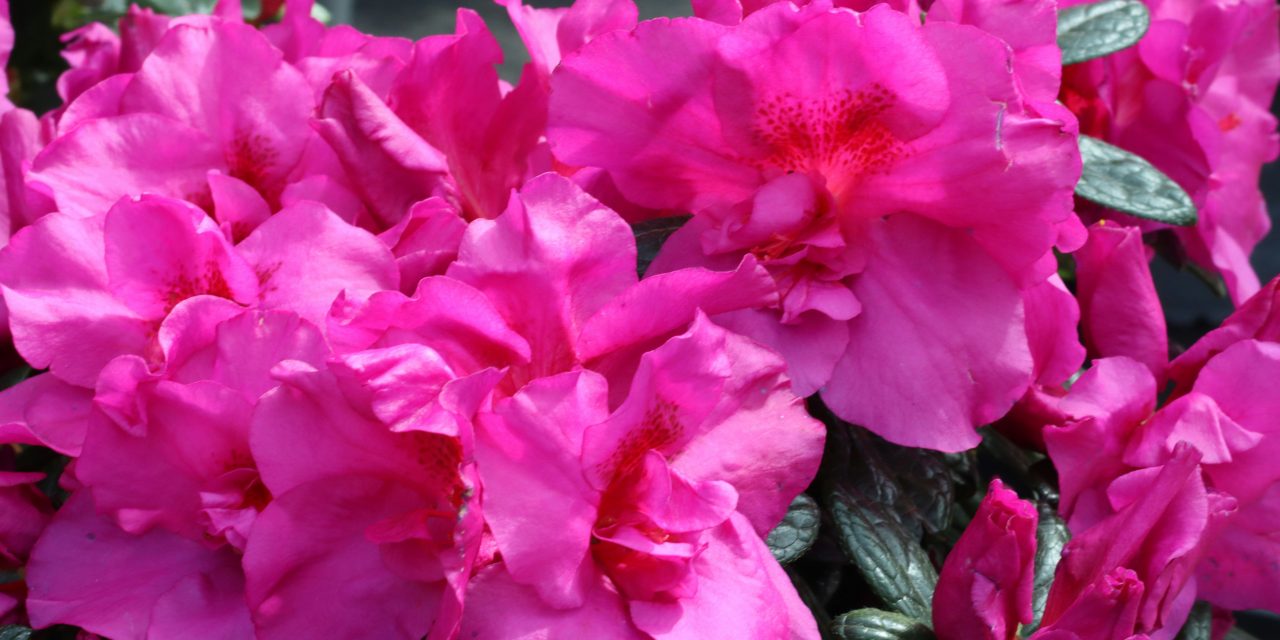
Azalea bushes, belonging to the Rhododendron genus, are renowned for their vibrant blooms and lush foliage. These deciduous or evergreen shrubs thrive in temperate climates, showcasing a variety of colors ranging from soft pastels to vivid hues. However, as winter approaches, understanding their specific needs becomes crucial for ensuring their survival and health. Azaleas are particularly sensitive to extreme cold, frost, and desiccating winds, which can lead to significant damage if not properly managed.
During winter, azaleas enter a dormant phase, where their metabolic processes slow down significantly. This dormancy is essential for their survival, allowing them to conserve energy and withstand harsh conditions. However, this does not mean they are entirely inactive; they still require adequate protection from environmental stressors. Factors such as temperature fluctuations, moisture levels, and exposure to harsh elements can impact their health. Therefore, it is imperative for gardeners to implement effective winter care strategies to safeguard these beautiful plants.
As winter approaches, it’s essential to consider the care of your azalea bush to ensure it thrives in the coming seasons. Proper winter maintenance can protect these beautiful plants from harsh weather conditions. For more insights on seasonal home maintenance, including tips for caring for your garden during winter, check out this informative article on top seasonal home maintenance tips for every time of year: Top Seasonal Home Maintenance Tips.
Choosing the Right Location for Winter Protection
Selecting an appropriate location for azalea bushes is paramount in ensuring their winter survival. Ideally, azaleas should be planted in areas that provide some natural protection from harsh winter elements. Locations that are shielded from strong winds and receive partial sunlight can help mitigate the effects of freezing temperatures. Planting azaleas near structures such as walls or fences can offer additional protection, as these surfaces can absorb heat during the day and release it at night.
Moreover, the soil type and drainage capabilities of the chosen location play a significant role in winter care. Azaleas prefer well-draining, acidic soils that retain some moisture without becoming waterlogged. Poor drainage can lead to root rot, especially during winter when the ground is often saturated with water from rain or melting snow. Therefore, assessing the soil conditions and ensuring proper drainage is essential when selecting a site for azalea bushes.
Proper Watering Techniques During Cold Months

Watering azaleas during the winter months requires a delicate balance. While these plants need moisture to survive, overwatering can lead to detrimental effects such as root rot and fungal diseases. It is crucial to monitor soil moisture levels regularly. A general rule of thumb is to water azaleas when the top inch of soil feels dry to the touch. This practice helps maintain adequate hydration without saturating the roots.
In regions where temperatures drop significantly, it is advisable to water azaleas before a freeze occurs. This preemptive measure ensures that the plants have sufficient moisture reserves to withstand cold spells. Additionally, watering should be done during the warmer parts of the day to allow any excess moisture on the foliage to evaporate before nightfall, reducing the risk of frost damage.
Mulching to Insulate and Protect Roots

Mulching is an effective strategy for insulating azalea roots during winter months. A layer of organic mulch, such as pine needles or shredded bark, can help regulate soil temperature and retain moisture. This protective barrier not only insulates the roots from extreme cold but also suppresses weed growth and improves soil structure as it decomposes.
When applying mulch, it is essential to create a layer that is approximately 2-4 inches thick around the base of the azalea bush. Care should be taken not to pile mulch directly against the stems, as this can lead to rot and other diseases. Instead, maintain a small gap between the mulch and the plant base to promote airflow and prevent moisture accumulation that could harm the plant.
Caring for your azalea bush in winter is essential to ensure its health and vibrancy in the spring. During the colder months, it’s important to protect the plant from harsh weather conditions and to provide the right care to help it thrive. For those looking to enhance their gardening skills, you might find this article on house cleaning helpful as it offers practical tips that can be applied to maintaining a tidy garden space as well. You can read more about it here.
Pruning Your Azalea Bush Before Winter
Pruning azalea bushes before winter is a critical step in preparing them for dormancy. Proper pruning encourages healthy growth in the spring while removing any dead or diseased branches that could harbor pests or diseases over the winter months. The best time to prune azaleas is after they have finished blooming but before the onset of cold weather.
When pruning, focus on removing any dead or damaged wood and thinning out crowded areas to improve air circulation within the plant. This practice not only enhances the overall appearance of the bush but also reduces the risk of fungal infections that thrive in damp, crowded conditions. Additionally, pruning encourages new growth in spring, leading to more abundant blooms.
Shielding Azaleas from Harsh Winds and Frost
Harsh winds and frost can pose significant threats to azalea bushes during winter months. Wind exposure can lead to desiccation of leaves and stems, while frost can cause cellular damage that may result in dieback or even death of the plant. To mitigate these risks, it is essential to provide physical barriers that shield azaleas from these elements.
One effective method is to use windbreaks such as burlap screens or strategically placed evergreen shrubs that can act as natural barriers against strong winds. Additionally, covering azaleas with frost cloths during particularly cold nights can help protect them from frost damage. These protective measures not only safeguard the plants but also promote healthier growth when spring arrives.
Using Burlap or Protective Covers Effectively
Burlap and other protective covers are invaluable tools for safeguarding azaleas during winter months. When using burlap, it is important to create a loose wrap around the plant rather than tightly binding it, which can trap moisture and lead to rot. The burlap should be secured with twine or string but should allow for airflow to prevent overheating on warmer days.
In addition to burlap, specialized frost cloths are available that provide insulation while allowing light and moisture to penetrate. These covers can be particularly beneficial during unexpected cold snaps or when temperatures drop significantly overnight. It is essential to monitor weather conditions regularly and adjust protective coverings accordingly to ensure optimal protection for azaleas.
Monitoring Soil Conditions and Drainage
Monitoring soil conditions is crucial for maintaining healthy azalea bushes throughout winter. As previously mentioned, azaleas thrive in well-draining soils that retain some moisture without becoming overly saturated. Regularly checking soil moisture levels can help prevent issues related to overwatering or drought stress.
In addition to moisture levels, assessing drainage capabilities is vital for preventing root rot and other complications associated with poor drainage. If soil tends to retain excess water during winter months, consider amending it with organic matter or creating raised beds to improve drainage. Ensuring that azaleas have access to well-draining soil will significantly enhance their chances of thriving through winter.
Avoiding Fertilization in Winter
Fertilization during winter months is generally discouraged for azalea bushes due to their dormant state. Applying fertilizers at this time can stimulate new growth that may not survive freezing temperatures, leading to wasted resources and potential harm to the plant. Instead, focus on providing adequate care through proper watering and mulching practices.
The best time to fertilize azaleas is in early spring when they begin to emerge from dormancy and show signs of new growth. At this point, using a balanced fertilizer specifically formulated for acid-loving plants can promote healthy foliage and abundant blooms throughout the growing season.
Identifying and Managing Winter Pests and Diseases
Winter can bring about unique challenges regarding pests and diseases that affect azalea bushes. Common pests such as aphids and spider mites may seek shelter on dormant plants during colder months. Regularly inspecting your azaleas for signs of infestation is crucial for early detection and management.
If pests are identified, consider using insecticidal soap or horticultural oils as environmentally friendly treatment options. Additionally, maintaining good cultural practices such as proper watering and pruning can help reduce susceptibility to diseases like powdery mildew or root rot that may arise during winter months.
Preparing Your Azalea Bush for Spring Growth
As winter comes to an end, preparing your azalea bushes for spring growth involves several key steps. Begin by removing any protective coverings gradually as temperatures rise, allowing the plants to acclimate to increased sunlight and warmth. This gradual exposure helps prevent shock and encourages healthy growth.
Additionally, inspect your azaleas for any signs of damage incurred during winter months. Prune away any dead or damaged branches while promoting healthy growth by ensuring adequate watering and mulching practices continue into spring. Fertilizing with a balanced formula designed for acid-loving plants will further support robust growth and vibrant blooms as your azaleas awaken from dormancy.
In summary, caring for azalea bushes during winter requires a comprehensive understanding of their needs and vulnerabilities. By choosing appropriate locations for planting, implementing effective watering techniques, mulching for insulation, pruning wisely, shielding from harsh elements, monitoring soil conditions, avoiding fertilization during dormancy, managing pests and diseases effectively, and preparing them for spring growth, gardeners can ensure their azaleas thrive year after year despite seasonal challenges.
FAQs
What happens to azalea bushes in winter?
In winter, azalea bushes enter a dormant phase where their growth slows down significantly. The leaves may drop in some deciduous varieties, while evergreen types retain their foliage but may exhibit browning or wilting due to cold temperatures. This dormancy is a natural process that helps the plant conserve energy until spring.
How should I care for azalea bushes during winter?
To care for azalea bushes in winter, it’s important to mulch around the base to protect the roots from freezing temperatures. Additionally, ensure they are adequately watered before the ground freezes, as dry roots can be more susceptible to cold damage. Avoid heavy pruning during this time, as it can stress the plant.
Can azalea bushes survive extreme cold?
Most azalea bushes can survive extreme cold, especially those that are hardy to the local climate. However, prolonged exposure to temperatures below their hardiness zone can cause damage to the buds and foliage. It’s essential to choose varieties suited to your climate zone for better winter survival.
Should I fertilize azalea bushes in winter?
It is generally not recommended to fertilize azalea bushes in winter. Fertilization should be done in early spring when the plants begin to emerge from dormancy. Applying fertilizer during winter can stimulate new growth that may be damaged by cold temperatures.
When will azalea bushes start to bloom after winter?
Azalea bushes typically start to bloom in late spring, depending on the variety and local climate conditions. After the winter dormancy ends, the plants will begin to show signs of new growth, and flowering usually occurs within a few weeks to a couple of months as temperatures warm up.