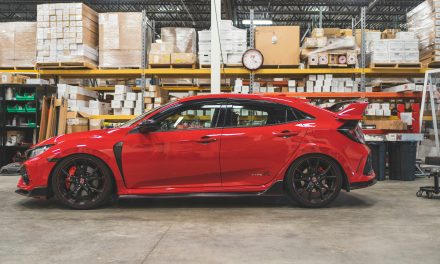

Purchasing a used vehicle can be an exciting yet daunting experience, particularly when the car in question has an existing loan. The primary risk associated with this scenario is the potential for financial complications that may arise if the seller fails to settle their outstanding loan. When a vehicle is financed, the lender holds the title until the loan is fully paid off. This means that if you buy a car with an existing loan, you may inadvertently assume responsibility for that debt, leading to potential repossession if payments are not maintained.
Moreover, buying a car with an outstanding loan can complicate the transfer of ownership. If the seller does not have the means or intention to pay off the loan, you could find yourself in a precarious situation where you are unable to register the vehicle in your name. This could lead to legal disputes and financial losses. Therefore, understanding these risks is crucial before proceeding with such a purchase.
When considering the purchase of a used car that still has an outstanding loan, it’s essential to understand the implications of such a transaction. A helpful resource that outlines the steps to navigate this process can be found in this article on how to buy a used car with a loan. For additional tips on managing your time in the kitchen, you might also find this article on how to cook salmon in the oven without overcooking it useful. You can read it here: how to cook salmon in the oven without overcooking it.
Researching the Vehicle’s Loan Status Before Purchase
Before committing to a used car purchase, it is imperative to conduct thorough research regarding the vehicle’s loan status. One effective method is to obtain the Vehicle Identification Number (VIN) and check it against various databases that track vehicle history. Services like Carfax or AutoCheck can provide valuable insights into whether there are any liens on the vehicle. These reports often include information about previous owners, accident history, and any outstanding loans.
Additionally, you can contact the seller’s lender directly to inquire about the loan status. This step can provide clarity on how much is owed and whether the lender has any restrictions on transferring ownership. Knowing this information upfront can save you from potential headaches later on and ensure that you are making an informed decision.
Verifying the Seller’s Ownership and Loan Details

Once you have established that there is an existing loan on the vehicle, it is essential to verify the seller’s ownership and gather detailed information about the loan. Requesting a copy of the title is a critical step in this process. The title should indicate whether there are any liens against it. If the seller cannot provide a clear title, this could be a red flag indicating potential issues with ownership.
Furthermore, ask for documentation related to the loan, including the lender’s name, account number, and remaining balance. This information will be crucial when negotiating payment methods and ensuring that all debts are settled before finalizing the sale. A legitimate seller should have no problem providing this documentation as proof of ownership and loan details.
Requesting a Payoff Statement from the Lender

A payoff statement is an official document provided by the lender that outlines the exact amount required to pay off the existing loan. This statement is vital for both parties involved in the transaction. It ensures transparency regarding how much money needs to be exchanged to clear the lien on the vehicle. Requesting this document from the lender can help you avoid any surprises during or after the purchase.
The payoff amount may vary slightly depending on when it is paid off due to interest accrual. Therefore, it is advisable to request this statement close to your intended purchase date. Additionally, ensure that you understand any fees associated with paying off the loan early, as these can impact your overall budget for acquiring the vehicle.
When considering the purchase of a used car that still has a loan, it’s essential to understand the implications of buying a vehicle with an outstanding lien. A helpful resource on this topic can be found in a related article that outlines the steps to navigate this process smoothly. For more information on how to handle such situations, you can read the article here. This guide provides valuable insights that can help ensure you make an informed decision while protecting your investment.
Negotiating Payment Methods to Clear the Existing Loan
Once you have obtained the payoff statement, it is time to negotiate payment methods with the seller to clear their existing loan. One common approach is to arrange for a direct payment from you to the lender for the amount specified in the payoff statement. This method ensures that the lender receives their funds directly, thereby releasing their lien on the vehicle.
Alternatively, you may choose to include the payoff amount in your overall purchase price and handle it through your financing arrangements. However, this method requires careful consideration and trust in the seller’s willingness to follow through with their obligations. Regardless of which method you choose, clear communication and written agreements are essential to protect both parties involved in this transaction.
When considering the purchase of a used car that still has an outstanding loan, it’s essential to understand the implications of such a transaction. Buyers should be aware of the process involved in transferring the loan and ensuring that the title is clear. For more detailed guidance on navigating this situation, you can refer to a helpful article that outlines the necessary steps and precautions to take. This resource can provide valuable insights into how to buy a used car that still has a loan, making the process smoother and more informed. To learn more, check out this informative piece here.
Using a Title Company or Escrow Service for Secure Transactions
To mitigate risks associated with buying a used car with an existing loan, consider utilizing a title company or escrow service during the transaction process. These entities act as neutral third parties that facilitate secure transactions by holding funds until all conditions of sale are met. By employing their services, you can ensure that both parties fulfill their obligations before any money changes hands.
A title company can also assist in verifying that all liens are cleared and that a clear title is transferred upon completion of payment. This added layer of security can provide peace of mind for both buyers and sellers, reducing potential disputes and ensuring compliance with local laws regarding vehicle sales.
Inspecting the Vehicle Thoroughly Before Finalizing the Deal
Before finalizing any purchase agreement, conducting a comprehensive inspection of the vehicle is paramount. This inspection should encompass both mechanical and aesthetic evaluations. Hiring a certified mechanic to perform a pre-purchase inspection can uncover hidden issues that may not be immediately apparent to an untrained eye.
In addition to mechanical checks, assess the vehicle’s exterior and interior condition for signs of wear and tear or previous accidents. A thorough inspection not only protects your investment but also provides leverage during negotiations if any issues are discovered. Documenting these findings can serve as evidence should disputes arise later on.
Confirming the Release of the Loan and Clear Title Transfer
After negotiating payment methods and completing your purchase, it is crucial to confirm that the loan has been paid off and that a clear title has been transferred into your name. Obtain written confirmation from the lender indicating that they have released their lien on the vehicle. This document serves as proof that you are now the rightful owner without any encumbrances.
Additionally, ensure that you receive all necessary paperwork from the seller for registering the vehicle in your name. This includes a bill of sale, title transfer documents, and any other relevant forms required by your local Department of Motor Vehicles (DMV). Completing these steps diligently will safeguard against future legal complications regarding ownership.
Avoiding Common Scams Related to Loaned Vehicles
The used car market can be rife with scams, particularly when it comes to vehicles with existing loans. One common scam involves sellers who attempt to sell cars without disclosing outstanding loans or liens. To avoid falling victim to such schemes, always conduct thorough research and verify all claims made by sellers.
Be wary of deals that seem too good to be true or sellers who pressure you into making quick decisions without allowing time for due diligence. Always insist on seeing documentation related to ownership and loan status before proceeding with any financial commitments. Trust your instincts; if something feels off about a transaction, it’s best to walk away.
Consulting Legal or Financial Advisors for Complex Cases
In situations where complexities arise—such as disputes over ownership or unclear loan statuses—consulting legal or financial advisors can provide invaluable guidance. These professionals can help navigate intricate legal frameworks surrounding vehicle purchases and ensure compliance with local regulations.
Legal advisors can assist in drafting contracts or agreements that protect your interests during transactions involving used cars with existing loans. Financial advisors can offer insights into budgeting for such purchases and help assess whether financing options align with your financial goals.
Finalizing Paperwork and Registering the Vehicle in Your Name
Once all conditions have been met and payments finalized, it’s time to complete all necessary paperwork for registering the vehicle in your name officially. This process typically involves submitting forms to your local DMV along with proof of ownership, such as a bill of sale and title transfer documents.
Ensure that you keep copies of all paperwork for your records, as these documents may be required for future reference or resale purposes. Additionally, familiarize yourself with local regulations regarding vehicle registration timelines and fees to avoid penalties or complications down the line.
In summary, purchasing a used car with an existing loan requires careful consideration and due diligence at every step of the process. From understanding risks associated with such transactions to verifying ownership details and utilizing secure payment methods, each phase plays a crucial role in ensuring a successful purchase experience. By following these guidelines and seeking professional advice when necessary, buyers can navigate this complex landscape confidently while minimizing potential pitfalls along the way.
FAQs
Can I buy a used car that still has a loan on it?
Yes, you can buy a used car that still has a loan on it. However, the process may involve additional steps to ensure that the loan is paid off and the title is transferred to you. It’s important to work with the seller and the lender to facilitate this process.
What steps should I take to buy a used car with an existing loan?
First, verify the loan balance with the seller’s lender. Then, negotiate the purchase price and agree on how the loan will be settled. You may need to pay the lender directly to clear the loan before the title can be transferred to you. Ensure that all paperwork is completed properly to avoid future complications.
How can I find out if there is a loan on the used car?
You can check for a loan on the used car by obtaining a vehicle history report using the car’s VIN (Vehicle Identification Number). This report can reveal any liens against the vehicle. Additionally, you can ask the seller for documentation from their lender confirming the loan status.
What happens if the seller doesn’t pay off the loan before selling the car?
If the seller does not pay off the loan before selling the car, the lender may still hold the title, and you could face complications in obtaining ownership. It’s crucial to ensure that the loan is settled before completing the sale to avoid any legal issues or financial liabilities.
Can I finance a used car that has an existing loan?
Yes, you can finance a used car that has an existing loan, but the financing process may be more complex. Lenders will typically require the existing loan to be paid off before they will finance the vehicle for you. Be prepared to provide documentation and work closely with both the seller and the lender.