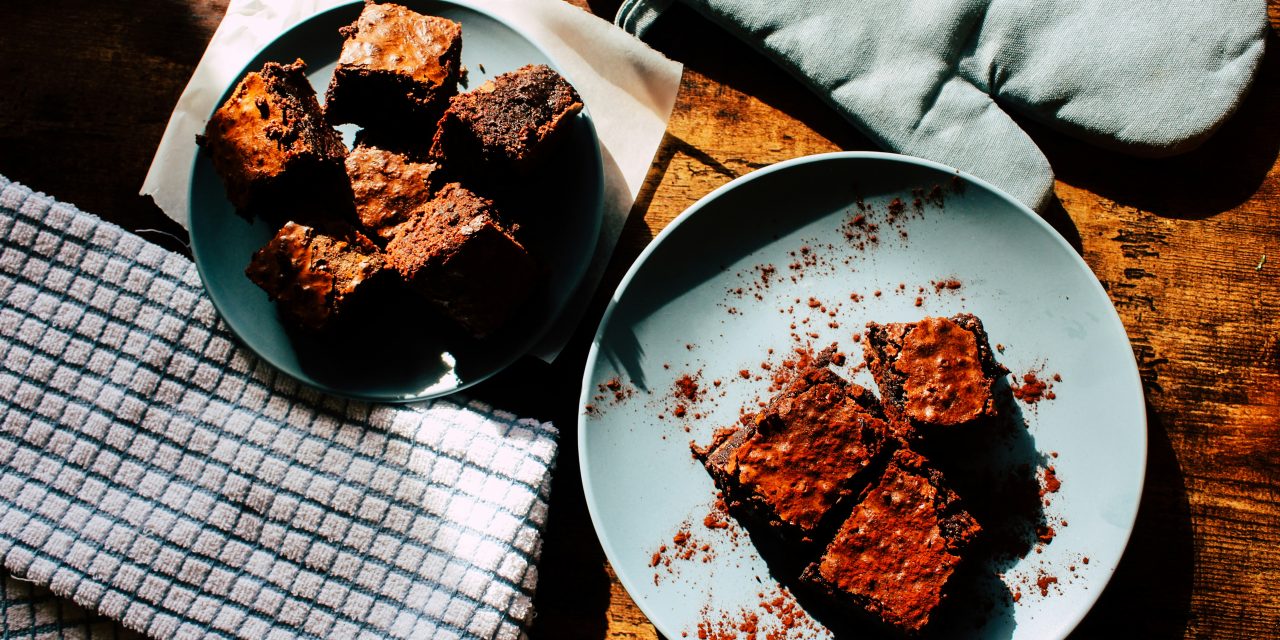
The quest for the perfect brownie is a culinary journey that many bakers embark upon, often with varying results. The ideal brownie texture is a harmonious balance between fudgy and cakey, creating a rich, decadent experience that tantalizes the taste buds. A well-baked brownie should possess a slightly crisp exterior that gives way to a moist, chewy interior. This duality is achieved through the careful selection of ingredients and precise baking techniques.
To achieve this coveted texture, one must consider the ratios of flour, sugar, and fat. A higher fat content, typically from butter or oil, contributes to a fudgier consistency, while an increased flour ratio leans towards a cakier outcome. The choice of chocolate also plays a pivotal role; using high-quality dark chocolate can enhance the depth of flavor and contribute to that sought-after moistness. Understanding these elements is crucial for any baker aiming to create brownies that are not only visually appealing but also texturally satisfying.
When baking brownies, it’s essential to know when they are perfectly done to achieve that ideal fudgy texture. A helpful article on this topic can guide you through the signs to look for, such as the toothpick test and the visual cues of doneness. For more delicious recipes that can complement your brownie baking, you might want to check out this easy crockpot turkey breast with garlic herb butter recipe found at this link.
Checking the Edges for a Slight Crispness
When assessing the doneness of brownies, one of the first indicators to examine is the edges. A perfectly baked brownie will exhibit a slight crispness around the perimeter, contrasting with the softer center. This textural variation is essential as it provides a delightful bite while maintaining the gooeyness that brownie enthusiasts crave.
To achieve this ideal edge, it is important to monitor the baking time closely. Brownies typically require 20 to 30 minutes in a preheated oven set at 350°F (175°C). However, every oven is unique, and slight variations in temperature can significantly affect the outcome. Observing the edges as they begin to pull away from the pan is a visual cue that indicates progress toward achieving that perfect crispness.
Using a Toothpick to Test Doneness

A classic method for determining brownie doneness involves utilizing a toothpick or skewer. This simple tool can provide invaluable insight into the internal structure of your brownies. When inserted into the center of the pan, the toothpick should emerge with a few moist crumbs clinging to it, indicating that the brownies are adequately baked yet still retain their fudgy quality.
It is essential to avoid over-testing, as repeatedly inserting and removing the toothpick can disrupt the baking process and lead to uneven results. Timing is crucial; checking for doneness a few minutes before the recommended baking time allows for adjustments without risking overbaking. Remember, brownies will continue to cook slightly after being removed from the oven due to residual heat.
Observing the Center for Slight Moisture

The center of brownies is often where bakers face their greatest challenge: achieving that perfect level of moisture without crossing into undercooked territory. A well-baked brownie should have a center that appears slightly moist but not raw. This delicate balance can be gauged visually; the surface should have a glossy sheen, indicating that the sugars have caramelized appropriately.
To ensure optimal moisture levels, consider using high-quality cocoa powder or melted chocolate in your batter. These ingredients not only enhance flavor but also contribute to a rich texture. Additionally, incorporating ingredients such as eggs at room temperature can help achieve an even bake throughout, ensuring that the center remains delectably moist without being overly gooey.
When baking brownies, it can sometimes be tricky to determine the perfect moment to take them out of the oven. A helpful resource that provides insights into this topic is an article that discusses various baking techniques and tips. Understanding how to tell when brownies are done baking can make a significant difference in achieving that fudgy texture we all love. For more information, you can check out this article on dog daycare training tips, which, while not directly related, offers valuable advice that can enhance your overall baking experience by keeping you focused and organized in the kitchen.
Noticing the Pull-Away from the Pan Sides
As brownies bake, they undergo a transformation that can be observed through their interaction with the baking pan. A telltale sign of doneness is when the edges begin to pull away from the sides of the pan. This phenomenon occurs as steam escapes and moisture evaporates, allowing for a firmer structure while retaining softness in the center.
To maximize this effect, it is advisable to line your baking pan with parchment paper or grease it thoroughly before pouring in your batter. This not only facilitates easy removal but also helps in achieving those desirable edges that contrast beautifully with the fudgy interior. Observing this pull-away effect can serve as an excellent guide for determining when your brownies are ready to be taken out of the oven.
Recognizing the Surface Crackle as a Sign of Perfection
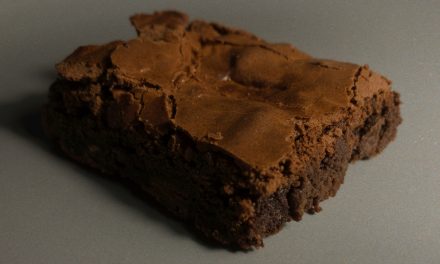
The surface of brownies can reveal much about their baking journey. A perfectly baked brownie often showcases a delicate crackle on top, which is not merely aesthetic but indicative of proper mixing and baking techniques. This crackling occurs due to the formation of a crust as moisture escapes during baking, creating an appealing texture that enhances both visual and sensory experiences.
To encourage this crackle effect, ensure that your batter is mixed thoroughly but not overmixed; this allows air to incorporate while maintaining structure. Additionally, allowing your batter to rest for 20-30 minutes before baking can enhance this surface texture by promoting gluten development and moisture absorption.
Timing Your Bake According to Your Oven
Every oven has its quirks and idiosyncrasies, making it imperative for bakers to adapt their timing based on their specific appliance. While most brownie recipes suggest a baking time of 20-30 minutes at 350°F (175°C), it is crucial to monitor your brownies closely as they approach this timeframe.
Investing in an oven thermometer can provide insights into temperature accuracy, ensuring that your brownies bake evenly without unexpected surprises. Additionally, rotating your pan halfway through baking can promote uniform heat distribution, preventing any hot spots from causing uneven cooking.
Smelling the Aroma for a Rich Chocolate Scent
The olfactory experience of baking brownies is one of pure delight. As they bake, an intoxicating aroma fills the kitchen, signaling that something delicious is on its way. The rich scent of chocolate wafting through the air serves as both an indicator of progress and an invitation to indulge in what’s to come.
This aromatic cue can also guide bakers in determining when their brownies are nearing completion. As chocolate begins to caramelize and sugars meld together, the scent intensifies, providing an additional layer of sensory feedback alongside visual cues like color and texture.
Gently Pressing the Top to Feel for Softness
Another effective method for assessing brownie doneness involves gently pressing down on the surface with your fingertips. A perfectly baked brownie will yield slightly under pressure but will spring back into shape almost immediately. This tactile test allows bakers to gauge moisture levels without compromising the integrity of their creation.
It’s important to approach this method with care; excessive pressure can lead to deflation or uneven texture. Instead, use just enough force to assess softness while preserving that coveted fudgy consistency.
Cooling Time: Letting Brownies Set Before Cutting
Once removed from the oven, patience becomes paramount in achieving brownie perfection. Allowing brownies to cool in their pan for at least 20-30 minutes before cutting is essential for setting their structure and enhancing flavor development. During this cooling period, residual heat continues to cook the center slightly while allowing flavors to meld together harmoniously.
For those who prefer cleaner cuts and defined edges, consider refrigerating brownies for an additional hour after cooling at room temperature. This step solidifies their texture further and makes slicing easier without compromising taste or quality.
Understanding the distinction between fudgy and cakey brownies is crucial when setting expectations for texture and flavor profiles. Fudgy brownies are characterized by their dense, moist interiors and rich chocolate flavor, often achieved through higher fat content and less flour. Conversely, cakey brownies tend to be lighter and fluffier due to increased flour ratios and leavening agents like baking powder.
When experimenting with recipes or adjusting ingredients, keep these differences in mind to ensure you achieve your desired outcome. Whether you prefer fudgy or cakey brownies, mastering these nuances will elevate your baking skills and delight those fortunate enough to indulge in your creations.
In summary, achieving brownie perfection requires attention to detail across various aspects of baking—from understanding ideal textures and checking edges for crispness to utilizing sensory cues like aroma and touch. By mastering these techniques and adjusting expectations based on brownie types, bakers can create delectable treats that satisfy cravings and impress palates alike.
FAQs
How can I tell if my brownies are done baking?
You can tell if your brownies are done baking by performing the toothpick test. Insert a toothpick or a knife into the center of the brownies; if it comes out with a few moist crumbs attached, they are done. If it comes out wet with batter, they need more time. If it comes out completely clean, they may be overbaked.
What temperature should brownies be baked at?
Brownies are typically baked at a temperature of 350°F (175°C). This temperature allows for even cooking and helps achieve a fudgy texture while ensuring the edges do not overbake before the center is set.
How long do brownies usually take to bake?
The baking time for brownies usually ranges from 20 to 30 minutes, depending on the recipe and the size of the pan used. It’s important to start checking for doneness around the 20-minute mark to avoid overbaking.
What should the texture of brownies be when they are done?
When brownies are done, they should have a slightly firm outer edge and a soft, fudgy center. The top should appear set and may have a shiny crust. If they feel too jiggly in the center, they likely need more time in the oven.
Can I bake brownies in a glass pan instead of a metal one?
Yes, you can bake brownies in a glass pan, but you may need to adjust the baking time. Glass pans tend to retain heat more than metal pans, which can lead to longer baking times. Start checking for doneness a few minutes earlier than the recipe suggests.