Dog daycare training is an essential component of responsible pet ownership, particularly for those who lead busy lifestyles. The significance of this training cannot be overstated, as it lays the groundwork for a well-adjusted and socially adept canine companion. Proper training ensures that dogs can thrive in a daycare environment, where they are exposed to various stimuli, including other dogs, humans, and different activities. This exposure is crucial for their emotional and psychological development, helping them to become more adaptable and resilient.
Moreover, dog daycare training fosters a sense of security and confidence in pets. When dogs are trained to navigate the complexities of a daycare setting, they are less likely to experience anxiety or fear when faced with new experiences. This training not only benefits the dog but also enhances the overall daycare experience for both staff and other pets. A well-trained dog is more likely to engage positively with peers, reducing the likelihood of conflicts and ensuring a harmonious environment.
Choosing the Right Daycare Environment for Your Pup
Selecting an appropriate daycare facility is paramount for your dog’s well-being. Not all daycare environments are created equal; therefore, it is crucial to conduct thorough research before making a decision. Look for facilities that prioritize safety, cleanliness, and proper supervision. A reputable daycare should have trained staff members who understand canine behavior and can manage interactions effectively. Additionally, the facility should be equipped with adequate space for play and rest, ensuring that dogs can engage in physical activity while also having quiet areas to retreat when needed.
Another critical factor to consider is the daycare’s approach to socialization and training. Some facilities may offer structured playgroups based on size, temperament, or energy levels, which can significantly enhance your dog’s experience. It is also beneficial to inquire about the daycare’s policies regarding vaccinations and health checks, as these measures help maintain a safe environment for all dogs. Visiting the facility beforehand can provide valuable insights into its atmosphere and operations, allowing you to make an informed choice.
Establishing a Consistent Routine for Your Dog

Creating a consistent routine is vital for your dog’s adjustment to daycare life. Dogs thrive on predictability, and establishing a daily schedule can help alleviate anxiety associated with new experiences. A well-structured routine should include regular feeding times, exercise sessions, and designated play periods. This predictability not only helps your dog feel secure but also reinforces good behavior through established patterns.
Incorporating training sessions into your dog’s daily routine can further enhance their readiness for daycare. Short, frequent training exercises can help reinforce commands and behaviors that will be beneficial in a group setting. For instance, practicing commands such as “sit,” “stay,” and “come” during walks or playtime can solidify your dog’s understanding of these cues. By integrating training into their routine, you are preparing your dog for success in a daycare environment while also strengthening your bond.
Socialization Strategies for Positive Interactions

Socialization is a critical aspect of dog daycare training that cannot be overlooked. Positive interactions with other dogs and humans are essential for developing good manners and reducing behavioral issues. To facilitate effective socialization, consider enrolling your dog in puppy classes or group training sessions before daycare enrollment. These environments provide controlled settings where dogs can learn to interact appropriately with their peers under the guidance of experienced trainers.
Additionally, gradual exposure to different environments can enhance your dog’s social skills. Take your dog on outings to parks or pet-friendly events where they can encounter various stimuli, including different breeds, sizes, and temperaments. Encourage positive interactions by rewarding calm behavior with treats or praise. This approach helps your dog associate new experiences with positive outcomes, fostering confidence and reducing fearfulness in unfamiliar situations.
Teaching Basic Commands Before Daycare Enrollment
Before enrolling your dog in daycare, it is crucial to teach them basic commands that will facilitate their integration into the group setting. Commands such as “sit,” “down,” “leave it,” and “come” are fundamental tools that promote safety and good behavior during playtime. These commands not only help manage your dog’s actions but also enable daycare staff to communicate effectively with them.
Training sessions should be consistent and engaging to maintain your dog’s interest. Utilize positive reinforcement techniques such as treats, praise, or playtime as rewards for successful command execution. Short training sessions of 5-10 minutes several times a day can yield significant results over time. By instilling these basic commands before daycare enrollment, you are equipping your dog with essential skills that will enhance their experience and interactions within the daycare environment.
Managing Separation Anxiety Effectively
Separation anxiety is a common issue among dogs, particularly when transitioning to a daycare setting. Recognizing the signs of separation anxiety—such as excessive barking, destructive behavior, or attempts to escape—can help you address the problem proactively. Gradual desensitization is an effective strategy for managing this anxiety. Start by leaving your dog alone for short periods and gradually increasing the duration as they become more comfortable with solitude.
Creating positive associations with your departure can also alleviate anxiety. Consider giving your dog a special toy or treat that they only receive when you leave. This tactic helps them associate your absence with something enjoyable rather than distressing. Additionally, maintaining a calm demeanor during departures and arrivals can signal to your dog that there is no reason to be anxious about being left alone.
Encouraging Good Behavior Through Positive Reinforcement
Positive reinforcement is a powerful tool in shaping desirable behaviors in dogs. This method involves rewarding good behavior with treats, praise, or playtime, reinforcing the actions you want to encourage. In a daycare setting, positive reinforcement can help establish good manners during playtime and interactions with other dogs.
To implement this strategy effectively, be consistent in your rewards and timing. For instance, if your dog greets another dog calmly without jumping or barking, reward them immediately with a treat or praise. This immediate reinforcement helps your dog understand which behaviors are acceptable and encourages them to repeat those actions in the future. Over time, this approach fosters a positive atmosphere within the daycare environment while promoting good behavior among all dogs.
Preparing Your Dog for Group Play and Activities
Preparing your dog for group play and activities at daycare requires careful consideration of their temperament and energy levels. Not all dogs thrive in high-energy environments; therefore, it is essential to assess your dog’s personality before introducing them to group play settings. Gradually acclimating them to larger groups through controlled introductions can help ease any apprehension they may have.
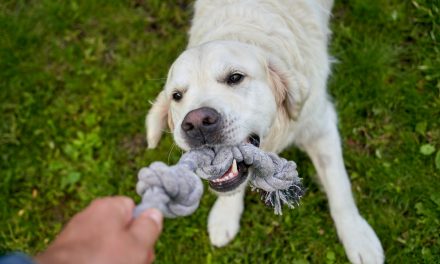
Engaging in interactive play sessions at home can also prepare your dog for group activities at daycare. Activities such as fetch or tug-of-war can help channel their energy positively while reinforcing social skills through play interactions with you or other family members. Additionally, teaching your dog how to share toys and take turns can foster cooperative behavior during group play at daycare.
Communicating Clearly with Daycare Staff
Effective communication with daycare staff is crucial for ensuring that your dog’s needs are met while they are in their care. Providing detailed information about your dog’s personality, preferences, and any behavioral concerns will enable staff members to tailor their approach accordingly. Be open about any specific training goals you have for your dog so that staff can reinforce these objectives during daycare hours.
Regular check-ins with daycare staff can also provide valuable insights into your dog’s progress and behavior throughout the day. Establishing a rapport with caregivers allows you to stay informed about any challenges or successes your dog experiences while at daycare. This collaborative approach ensures that both you and the staff are working towards the same goals for your dog’s development.
Monitoring Your Dog’s Progress and Adjusting Training
Monitoring your dog’s progress in daycare is essential for identifying areas that may require additional focus or adjustment in training methods. Keep track of any behavioral changes or improvements observed by daycare staff during playtime or interactions with other dogs. Regular feedback from caregivers can provide valuable insights into how well your dog is adapting to the daycare environment.
If you notice any persistent behavioral issues or challenges during monitoring, consider adjusting your training approach accordingly. This may involve revisiting basic commands or implementing new strategies tailored to address specific concerns. Flexibility in training methods allows you to adapt to your dog’s evolving needs while ensuring they continue to thrive in their daycare setting.
Maintaining Training Consistency at Home and Daycare
Consistency is key when it comes to reinforcing training both at home and in the daycare environment. Establishing clear expectations for behavior across different settings helps solidify learning and promotes good habits in your dog. Ensure that all family members are on board with training techniques and commands used at home so that there is no confusion for your pet.
Incorporating training exercises into daily routines at home will further reinforce skills learned at daycare. Regular practice of commands and positive reinforcement techniques will help maintain progress while ensuring that your dog remains well-behaved both at home and during their time at daycare.
In summary, effective dog daycare training encompasses various aspects including choosing the right environment, establishing routines, socialization strategies, teaching commands, managing anxiety, encouraging good behavior through positive reinforcement, preparing for group activities, communicating with staff, monitoring progress, and maintaining consistency across settings. By implementing these strategies thoughtfully, pet owners can ensure their dogs thrive in daycare environments while developing into well-adjusted companions.
FAQs
What is dog daycare training?
Dog daycare training refers to structured programs offered at dog daycare facilities that focus on teaching dogs essential obedience skills, socialization, and behavioral management while they are in a supervised environment. These programs often include playtime, training sessions, and social interactions with other dogs and humans.
What are the benefits of dog daycare training?
Dog daycare training provides numerous benefits, including improved socialization skills, reduced anxiety and behavioral issues, enhanced obedience, and increased physical activity. It also helps dogs learn to interact appropriately with other dogs and people, making them more well-rounded companions.
How do I choose the right dog daycare training facility?
When selecting a dog daycare training facility, consider factors such as the qualifications of the trainers, the facility’s safety measures, the training methods used, and the overall environment. It’s also beneficial to read reviews, visit the facility, and ask for recommendations from other dog owners.
What should I expect during a dog daycare training session?
During a dog daycare training session, you can expect a combination of structured activities, including obedience training exercises, socialization opportunities, and playtime. Trainers will typically use positive reinforcement techniques to encourage desired behaviors and may provide feedback to owners on their dog’s progress.
Is dog daycare training suitable for all dogs?
Dog daycare training can be suitable for most dogs, but it may not be ideal for those with severe behavioral issues or aggression problems. It’s important to assess your dog’s temperament and consult with a professional trainer or behaviorist to determine if daycare training is appropriate for your pet.