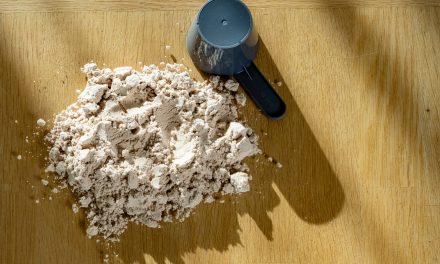
Cocoa powder serves as the cornerstone of brownie recipes, imparting both flavor and color to these beloved confections. Derived from roasted cacao beans, cocoa powder is rich in flavonoids, which not only contribute to the deep, chocolatey taste but also provide potential health benefits, such as antioxidant properties. The quality of cocoa powder can significantly influence the final product, affecting both the taste and texture of brownies. When incorporated into the batter, cocoa powder interacts with other ingredients, creating a rich, fudgy consistency that is characteristic of well-made brownies.
The type of cocoa powder used can also dictate the overall flavor profile. Natural cocoa powder tends to have a more acidic taste, while Dutch-processed cocoa powder is treated with an alkalizing agent, resulting in a smoother and less acidic flavor. Understanding these nuances allows bakers to tailor their brownies to their personal preferences or desired outcomes. The choice of cocoa powder not only impacts flavor but also affects the chemical reactions during baking, influencing the rise and texture of the brownies.
If you’re looking to enhance your baking skills, you might find it interesting to explore how to make chewy brownies with cocoa powder. This delightful treat can be made even more enjoyable by pairing it with the right storage techniques to maintain freshness. For tips on preserving the flavor of your ingredients, check out this related article on how to store tomatoes without losing flavor. Understanding proper storage can elevate your baking experience and ensure that your brownies taste their best!
Choosing the Right Type of Cocoa Powder
Selecting the appropriate cocoa powder is crucial for achieving the desired brownie outcome. Natural cocoa powder is often favored for its robust chocolate flavor and ability to create a lighter texture. It is typically used in recipes that include baking soda as a leavening agent, as its acidity reacts with the baking soda to produce carbon dioxide, resulting in a lighter crumb structure. On the other hand, Dutch-processed cocoa powder is ideal for recipes that utilize baking powder, as its neutral pH does not react with baking soda.
When choosing cocoa powder, consider factors such as fat content and processing methods. Higher fat cocoa powders tend to yield richer brownies with a denser texture. Additionally, opting for high-quality brands can make a significant difference in flavor intensity. Look for cocoa powders that are labeled as “100% cacao” and free from additives or fillers to ensure a pure chocolate experience. Ultimately, the choice between natural and Dutch-processed cocoa powder should align with your specific recipe requirements and personal taste preferences.
Selecting the Ideal Flour for Chewy Texture
The type of flour used in brownie recipes plays a pivotal role in determining their texture. All-purpose flour is commonly employed due to its balanced protein content, which contributes to a chewy yet tender consistency. However, for those seeking an even chewier brownie, bread flour can be an excellent alternative. With a higher protein content than all-purpose flour, bread flour promotes gluten development, resulting in a denser and chewier texture.
In addition to flour type, the method of incorporating flour into the batter can also affect chewiness. Overmixing can lead to excessive gluten formation, resulting in tough brownies. To achieve the perfect chewy texture, it is advisable to mix the dry ingredients just until combined with the wet ingredients. This gentle approach allows for optimal gluten development without compromising tenderness.
Balancing Sugar for Moisture and Sweetness
Sugar not only sweetens brownies but also contributes to their moisture content and overall texture. Granulated sugar is commonly used in brownie recipes; however, brown sugar can enhance moisture retention due to its molasses content. The combination of both sugars can yield a balanced sweetness while ensuring a fudgy interior.
When adjusting sugar levels, it is essential to consider the impact on moisture. Reducing sugar may lead to drier brownies, while increasing it can result in overly sweet confections. A common practice is to use a blend of granulated and brown sugar to achieve a harmonious balance of sweetness and moisture. Additionally, incorporating ingredients such as honey or maple syrup can introduce unique flavors while enhancing moisture levels.
The choice between butter and oil significantly influences the flavor and texture of brownies. Butter imparts a rich flavor and contributes to a slightly firmer texture due to its higher saturated fat content. When melted and mixed into the batter, butter creates a luscious mouthfeel that enhances the overall brownie experience.
Conversely, oil provides a moist and tender crumb due to its liquid state at room temperature. Vegetable oil or canola oil are popular choices for brownie recipes, as they yield a softer texture while allowing for easy mixing. Some bakers opt for a combination of both fats to achieve a balance between flavor and moisture. Ultimately, the choice between butter and oil should align with personal preferences and desired outcomes.
If you’re looking to enhance your baking skills, you might find it helpful to explore a related article that offers a comprehensive checklist for cleaning your new apartment, ensuring you have a spotless space to enjoy your delicious creations. This guide can help you prepare your kitchen for making chewy brownies with cocoa powder, allowing you to focus on perfecting your recipe without distractions. For more tips on maintaining a clean environment while baking, check out this useful resource here.
The Importance of Egg Quantity and Quality
Eggs are essential components in brownie recipes, contributing to structure, moisture, and richness. The quantity of eggs used can significantly impact the final product; typically, one egg per cup of flour is recommended for achieving optimal texture. However, increasing the number of eggs can lead to cakier brownies, while reducing them may yield denser results.
Quality also matters when it comes to eggs. Fresh eggs provide better emulsification and contribute to a more cohesive batter. Additionally, using room temperature eggs allows for better incorporation into the mixture, resulting in a smoother batter and improved texture. For those seeking an alternative to traditional eggs, flaxseed meal or applesauce can serve as effective substitutes while maintaining moisture levels.
If you’re looking to elevate your baking skills, you might find it helpful to explore common kitchen mistakes that can ruin good meals. Understanding these pitfalls can make a significant difference in your brownie-making process, especially when using cocoa powder for that rich, chocolatey flavor. For more insights, check out this informative article on kitchen mistakes that can impact your culinary creations. By avoiding these errors, you can ensure your chewy brownies turn out perfectly every time.
Mixing Techniques to Enhance Chewiness
The method of mixing ingredients plays a crucial role in achieving the desired chewiness in brownies. Overmixing can lead to excessive gluten development, resulting in tough brownies rather than the intended chewy texture. To avoid this pitfall, it is advisable to mix dry ingredients into wet ingredients until just combined.
Incorporating ingredients in stages can also enhance chewiness. For instance, mixing melted chocolate with butter before adding sugar allows for better emulsification and contributes to a fudgy texture. Additionally, folding in dry ingredients gently ensures that air pockets are maintained without overworking the batter.
Optimal Baking Temperature and Time
Baking temperature and time are critical factors that influence the final outcome of brownies. A common temperature range for baking brownies is between 325°F (163°C) and 350°F (177°C). Baking at lower temperatures allows for even cooking while preventing over-browning on the edges.
Timing is equally important; underbaking can result in gooey centers while overbaking leads to dry brownies. A toothpick test is an effective method for determining doneness—when inserted into the center, it should come out with moist crumbs rather than wet batter or completely clean. Adjusting baking time based on pan size and thickness can also help achieve optimal results.
Using Add-ins to Boost Texture and Flavor
Enhancing brownies with add-ins can elevate both texture and flavor profiles significantly. Common additions include nuts such as walnuts or pecans, which provide crunch and contrast against the fudgy base. Chocolate chips or chunks can intensify chocolate flavor while adding delightful pockets of melted chocolate throughout.
For those seeking unique flavors, consider incorporating ingredients like espresso powder or sea salt to enhance chocolate richness or balance sweetness. Dried fruits such as cherries or cranberries can introduce tartness that complements the sweetness of brownies beautifully. Experimenting with various add-ins allows bakers to create personalized brownie variations that cater to individual tastes.
Cooling and Storage Tips for Perfect Brownies
Proper cooling and storage techniques are essential for maintaining brownie quality over time. After baking, allow brownies to cool in the pan for approximately 10-15 minutes before transferring them to a wire rack for complete cooling. This step prevents sogginess by allowing steam to escape.
For storage, it is advisable to keep brownies in an airtight container at room temperature for up to five days or refrigerate them for extended freshness. To prevent drying out, consider wrapping individual brownies in plastic wrap before placing them in an airtight container. For longer-term storage, freezing brownies is an excellent option; simply wrap them tightly in plastic wrap followed by aluminum foil before placing them in a freezer-safe bag.
Troubleshooting Common Brownie Problems
Baking brownies can sometimes lead to unexpected challenges; however, understanding common issues allows bakers to troubleshoot effectively. If brownies turn out dry or crumbly, it may be due to overbaking or insufficient fat content—adjusting baking time or incorporating additional fats can remedy this problem.
On the other hand, if brownies are too gooey or undercooked, extending baking time or checking oven calibration may be necessary. Additionally, if brownies appear too cakey rather than chewy, reducing egg quantity or opting for bread flour instead of all-purpose flour may yield better results.
In conclusion, mastering brownie-making involves understanding various components such as cocoa powder selection, flour types, sugar balance, fat incorporation, egg quality, mixing techniques, baking conditions, add-ins, cooling methods, and troubleshooting strategies. By paying attention to these details and experimenting with different approaches, bakers can create deliciously chewy brownies tailored to their preferences while overcoming common challenges along the way.
FAQs
What ingredients do I need to make chewy brownies with cocoa powder?
To make chewy brownies with cocoa powder, you will need the following ingredients: unsweetened cocoa powder, all-purpose flour, granulated sugar, brown sugar, eggs, unsalted butter, vanilla extract, and a pinch of salt. Optional ingredients include chocolate chips or nuts for added texture and flavor.
How do I achieve a chewy texture in my brownies?
To achieve a chewy texture in brownies, use a combination of granulated sugar and brown sugar, as the molasses in brown sugar adds moisture. Additionally, avoid overmixing the batter and bake the brownies just until a toothpick inserted in the center comes out with a few moist crumbs.
What is the best way to bake brownies for optimal results?
For optimal results, preheat your oven to 350°F (175°C) and line your baking pan with parchment paper for easy removal. Bake the brownies for about 20-25 minutes, checking for doneness a few minutes before the recommended time to prevent overbaking.
Can I substitute cocoa powder with chocolate in brownie recipes?
Yes, you can substitute cocoa powder with melted chocolate in brownie recipes. Generally, for every 3 tablespoons of cocoa powder, you can use 1 ounce of unsweetened chocolate. However, you may need to adjust the fat content in the recipe since melted chocolate contains cocoa butter.
How should I store leftover brownies to maintain their chewiness?
To maintain the chewiness of leftover brownies, store them in an airtight container at room temperature for up to 3 days. For longer storage, you can refrigerate them for up to a week or freeze them for up to 3 months. Just make sure to wrap them tightly to prevent drying out.