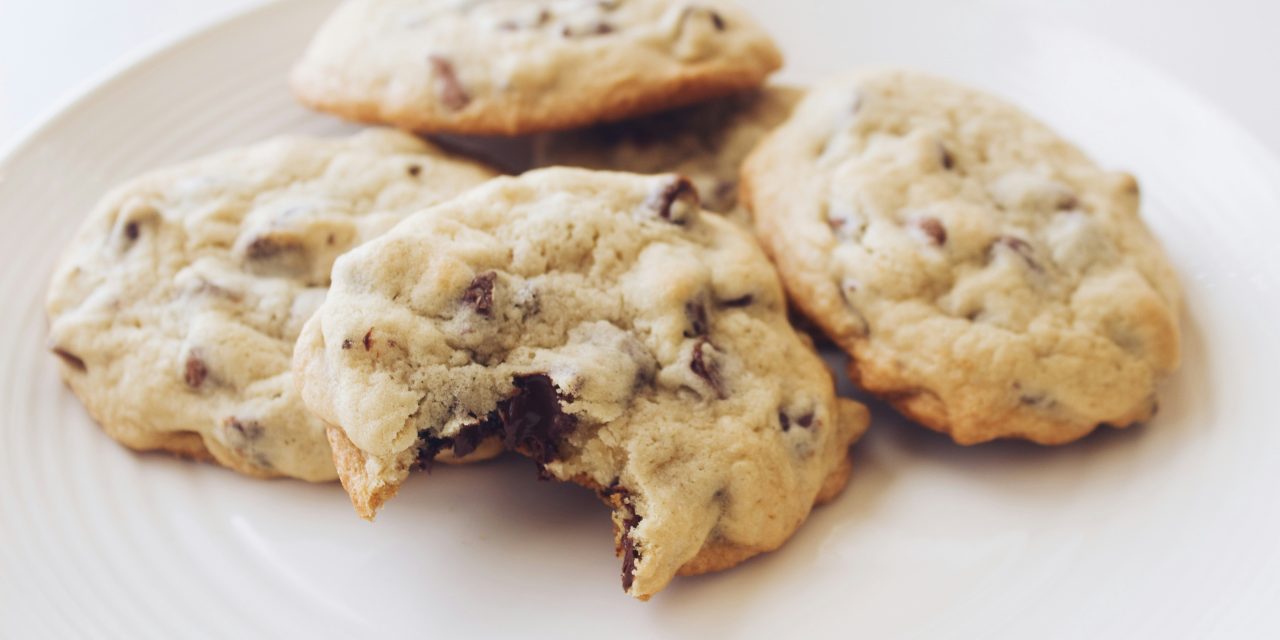
When it comes to baking cookies, the choice of flour plays a pivotal role in achieving the desired texture. All-purpose flour is the most commonly used type, providing a balanced protein content that contributes to a chewy yet crisp cookie. However, for those seeking an extra crunch, utilizing bread flour can be advantageous. Bread flour contains a higher protein percentage, which promotes gluten development, resulting in a firmer structure that enhances crispiness.
In addition to the type of flour, the milling process can also affect the final product. For instance, finely milled flours tend to absorb moisture differently than coarsely milled varieties. This absorption rate can influence the overall texture of the cookie. Experimenting with different flour types and blends can yield delightful variations in cookie crispiness, allowing bakers to tailor their recipes to personal preferences.
If you’re looking to elevate your baking skills beyond just crispy chocolate chip cookies, you might find it helpful to explore common pitfalls in cooking with an air fryer. Understanding these mistakes can help you achieve the perfect texture and flavor in your baked goods. For more insights, check out this article on common air fryer mistakes that ruin your food.
Using the Perfect Ratio of Butter to Sugar
The balance between butter and sugar is crucial in cookie baking, as it directly impacts both flavor and texture. A higher butter content typically results in a richer flavor and a softer cookie, while an increased sugar ratio can lead to a crisper texture. The classic ratio of one cup of butter to one cup of sugar is a good starting point, but adjustments can be made based on desired outcomes.
For instance, reducing the sugar slightly while maintaining the butter can yield a cookie that is less sweet but retains a delightful crispness. Conversely, increasing sugar can enhance caramelization during baking, contributing to a more pronounced crunch. Understanding how these ingredients interact allows bakers to manipulate their recipes effectively, achieving the perfect balance for their ideal cookie.
Incorporating Brown Sugar for Chewy Edges

Brown sugar is an essential ingredient for those who desire chewy edges in their cookies. The molasses content in brown sugar not only adds moisture but also contributes to a deeper flavor profile. When combined with granulated sugar, brown sugar can create a delightful contrast between crispy exteriors and chewy interiors.
To achieve this effect, consider using a combination of light and dark brown sugars. Light brown sugar will impart subtle caramel notes, while dark brown sugar will enhance the richness and depth of flavor. The interplay between these sugars can elevate the overall taste and texture of cookies, making them irresistibly delicious.
Chilling the Dough Before Baking

Chilling cookie dough is a crucial step that should not be overlooked. Allowing the dough to rest in the refrigerator for at least 30 minutes helps solidify the fats, which in turn prevents excessive spreading during baking. This results in cookies that maintain their shape and develop a desirable texture.
Moreover, chilling enhances the flavors as it allows time for the ingredients to meld together. The resting period also promotes gluten relaxation, leading to a more tender cookie. For optimal results, consider chilling the dough overnight; this extended time can significantly improve both flavor and texture.
If you’re looking to elevate your baking skills, you might find it helpful to explore a related article on how to make crispy chocolate chip cookies. This guide offers tips and tricks that can transform your cookie game, ensuring that each batch comes out perfectly crunchy on the outside while remaining chewy on the inside. For more insights on enhancing your culinary repertoire, check out this informative piece on dog boarding and training centers, which, while not directly related to baking, provides a great perspective on how to care for your furry friends while you indulge in your baking adventures.
Selecting the Ideal Baking Temperature
The baking temperature is another critical factor that influences cookie texture. Most cookie recipes recommend baking at temperatures ranging from 350°F to 375°F (175°C to 190°C). A higher temperature can lead to quicker browning and crispiness, while lower temperatures allow for more even cooking and softer centers.
For those aiming for a perfectly crisp cookie, preheating the oven thoroughly is essential. An oven thermometer can ensure accuracy, as many home ovens may not reflect true temperatures. Additionally, rotating baking sheets halfway through the baking process can promote even browning and prevent hot spots from affecting cookie consistency.
Spacing Cookies Properly on the Baking Sheet
Proper spacing on the baking sheet is vital for achieving evenly baked cookies. When cookies are placed too close together, they may merge during baking, resulting in uneven textures and shapes. A general rule of thumb is to leave about two inches between each cookie mound on the sheet.
This spacing allows for adequate air circulation, which is crucial for even heat distribution. It also prevents cookies from steaming each other, which can lead to undesirable softness rather than crispiness. By adhering to proper spacing guidelines, bakers can ensure that each cookie bakes uniformly and achieves its intended texture.
Using Parchment Paper or Silicone Mats
The choice of baking surface can significantly impact cookie outcomes. Parchment paper is a popular option due to its non-stick properties and ability to promote even browning. It also simplifies cleanup, as cookies release easily without sticking to the pan.
Silicone baking mats are another excellent alternative that provides similar benefits while being reusable and environmentally friendly. These mats offer consistent heat distribution and prevent cookies from spreading too much during baking. Regardless of the choice between parchment paper or silicone mats, utilizing these surfaces can enhance cookie crispiness and overall quality.
Monitoring Baking Time Closely
Baking time is critical in achieving the perfect cookie texture. Overbaking can lead to dry, hard cookies, while underbaking may result in soft centers that lack the desired crunch. Most cookie recipes provide a general baking time; however, individual ovens may vary significantly.
To ensure optimal results, bakers should start checking cookies a few minutes before the recommended time. Cookies should be removed from the oven when they are lightly golden around the edges but still soft in the center; they will continue to firm up as they cool on the baking sheet. This careful monitoring can make all the difference in achieving that perfect balance between chewy and crispy.
Cooling Cookies on a Wire Rack
Once cookies are removed from the oven, cooling them properly is essential for maintaining their texture. Transferring cookies directly onto a wire rack allows for optimal air circulation around each cookie, preventing steam buildup that could lead to sogginess.
Cooling on a wire rack also helps maintain crispness by allowing moisture to escape rather than being trapped underneath. For best results, let cookies cool completely before storing them; this ensures they retain their intended texture and flavor.
Adding a Touch of Cornstarch for Extra Crunch
Incorporating cornstarch into cookie recipes can provide an unexpected yet delightful crunch. Cornstarch acts as a tenderizer by inhibiting gluten formation while simultaneously adding structure to baked goods. This dual action results in cookies that are both crispy on the outside and tender on the inside.
A common practice is to replace a small portion of flour with cornstarch—typically about one tablespoon per cup of flour used. This simple adjustment can elevate cookie texture significantly, making them more enjoyable with each bite.
Storing Cookies to Maintain Crispness
Proper storage is crucial for preserving cookie freshness and maintaining crispness over time. To keep cookies crunchy, it’s essential to store them in an airtight container at room temperature. Adding a slice of bread or an apple slice inside the container can help regulate moisture levels; however, this method may soften cookies slightly.
For longer-term storage, consider freezing cookies after they have cooled completely. Wrapping them tightly in plastic wrap or placing them in freezer-safe bags will prevent freezer burn and maintain their quality for several months. When ready to enjoy, simply thaw at room temperature or warm briefly in an oven for that freshly baked taste.
In summary, achieving perfectly crispy cookies involves careful consideration of various factors including flour selection, ingredient ratios, chilling dough, baking temperatures, spacing on sheets, and proper cooling techniques. By implementing these strategies and understanding how each element contributes to texture and flavor, bakers can create delightful treats that satisfy any craving for crunchiness while maintaining delicious flavors throughout each bite.
FAQs
What ingredients are essential for making crispy chocolate chip cookies?
To make crispy chocolate chip cookies, you will need all-purpose flour, granulated sugar, brown sugar, unsalted butter, eggs, vanilla extract, baking soda, salt, and chocolate chips. The combination of granulated sugar and butter helps achieve a crispy texture.
How does the baking time affect the crispiness of the cookies?
The baking time is crucial for achieving crispy cookies. Baking them for a longer time, typically around 10-12 minutes, allows moisture to evaporate, resulting in a crunchier texture. However, it’s important to monitor them closely to avoid burning.
Should I chill the dough before baking for crispy cookies?
Chilling the dough is not necessary for crispy cookies, but it can enhance the flavor and texture. If you choose to chill the dough, aim for at least 30 minutes to an hour. This can help the cookies spread less during baking, contributing to a crispier edge.
What role does the type of sugar play in the texture of the cookies?
The type of sugar used significantly impacts the texture of the cookies. Granulated sugar promotes crispiness due to its ability to dissolve and caramelize during baking, while brown sugar adds moisture and chewiness. A higher ratio of granulated sugar will yield crispier cookies.
Can I use different types of chocolate for crispy chocolate chip cookies?
Yes, you can use different types of chocolate, such as dark chocolate, milk chocolate, or even white chocolate, to customize your crispy chocolate chip cookies. Each type of chocolate will impart a unique flavor, but the overall crispiness will primarily depend on the cookie dough recipe and baking method.