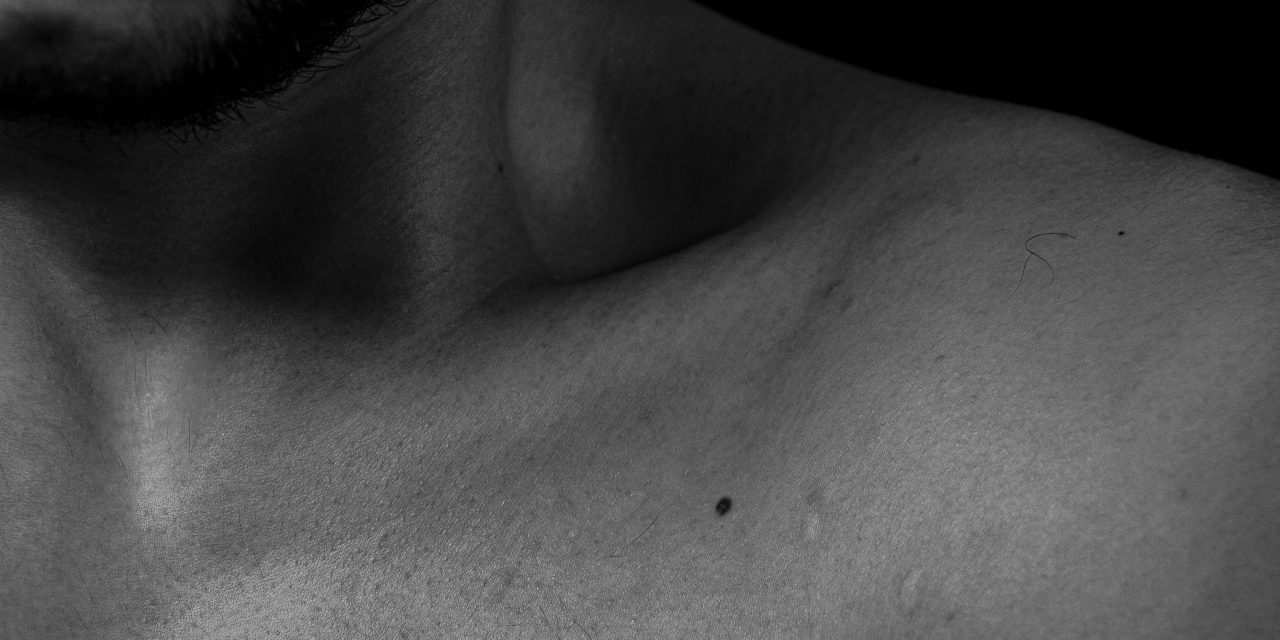
Shoulder and chest acne, often referred to as body acne, is a common dermatological condition that affects individuals of various ages, particularly adolescents and young adults. This form of acne manifests as inflammatory lesions, including papules, pustules, and cysts, primarily on the upper body. The pathophysiology of acne involves the obstruction of hair follicles due to excess sebum production, keratinization, and the proliferation of Cutibacterium acnes, a bacterium that thrives in the pilosebaceous unit. The presence of these lesions can lead to significant psychological distress, impacting self-esteem and social interactions.
The distribution of acne on the shoulders and chest can be attributed to several factors, including hormonal fluctuations, lifestyle choices, and environmental influences. Unlike facial acne, which is often more visible and socially stigmatized, body acne can be equally distressing for those affected. Understanding the underlying causes is crucial for effective management and treatment.
Acne on the shoulders and chest can be caused by a variety of factors, including hormonal changes, sweat, and friction from clothing. For a deeper understanding of skin health and grooming, you might find it interesting to read an article that discusses related topics. Check out this informative piece on how to groom a German Shepherd and manage heavy shedding, which also touches on the importance of maintaining skin health in pets and humans alike. You can find the article here: Grooming a German Shepherd.
Hormonal Imbalances and Their Impact
Hormonal imbalances play a pivotal role in the development of shoulder and chest acne. Androgens, such as testosterone, stimulate sebaceous glands to produce more sebum, leading to clogged pores. This hormonal surge is particularly prevalent during puberty, menstrual cycles, pregnancy, and conditions like polycystic ovary syndrome (PCOS). Elevated levels of these hormones can exacerbate acne severity and frequency.
To address hormonal imbalances, healthcare providers may recommend various treatment options. Oral contraceptives are often prescribed to regulate menstrual cycles and reduce androgen levels in women. Additionally, anti-androgen medications like spironolactone can be effective in managing acne by inhibiting sebaceous gland activity. Regular monitoring of hormone levels through blood tests can also provide insights into underlying issues contributing to acne.
The Role of Sweat and Hygiene

Sweat plays a dual role in the context of shoulder and chest acne. While perspiration itself is not a direct cause of acne, it can exacerbate existing conditions when combined with other factors. Sweat can mix with sebum and dead skin cells, leading to clogged pores. Furthermore, inadequate hygiene practices can contribute to the proliferation of bacteria on the skin’s surface.
Maintaining proper hygiene is essential for preventing body acne. Regular cleansing with non-comedogenic products helps remove excess oil and sweat from the skin. Exfoliation can also aid in preventing clogged pores by removing dead skin cells. Individuals who engage in physical activities should shower promptly after sweating to minimize the risk of breakouts.
Effects of Tight or Non-Breathable Clothing

The choice of clothing can significantly influence the development of shoulder and chest acne. Tight-fitting garments made from non-breathable fabrics can trap heat and moisture against the skin, creating an ideal environment for bacterial growth. This occlusion can lead to folliculitis, an inflammation of hair follicles that may present as small red bumps or pustules.
To mitigate this risk, individuals should opt for loose-fitting clothing made from breathable materials such as cotton or moisture-wicking fabrics. These choices allow for better air circulation and help keep the skin dry. Additionally, avoiding prolonged wear of tight sports bras or athletic gear can reduce friction and irritation on the skin.
Acne on the shoulders and chest can be a frustrating issue for many, often stemming from a combination of factors such as hormonal fluctuations, sweat, and clogged pores. To gain a deeper understanding of how these elements contribute to breakouts, you might find it helpful to explore a related article that discusses the balance of various elements in our daily lives. For instance, maintaining a proper balance in your diet can influence skin health, as highlighted in this insightful piece on cooking techniques. By addressing dietary habits, you may find a holistic approach to managing acne effectively.
Influence of Diet on Acne Development
Dietary choices have been increasingly recognized as potential contributors to acne development. High glycemic index foods, such as sugary snacks and refined carbohydrates, can lead to insulin spikes that may stimulate sebum production. Dairy products have also been implicated in exacerbating acne due to their hormonal content.
To promote clearer skin, individuals may benefit from adopting a balanced diet rich in whole foods. Incorporating fruits, vegetables, lean proteins, and healthy fats can provide essential nutrients that support skin health. Omega-3 fatty acids found in fish and flaxseeds possess anti-inflammatory properties that may help reduce acne severity. Staying hydrated by drinking adequate water is also crucial for maintaining skin elasticity and overall health.
Stress as a Trigger for Acne Flare-Ups
Stress is a well-documented trigger for various skin conditions, including shoulder and chest acne. The body’s response to stress involves the release of cortisol, a hormone that can increase sebum production and promote inflammation. This cascade of events can lead to exacerbated acne flare-ups.
To manage stress effectively, individuals should consider incorporating relaxation techniques into their daily routines. Practices such as mindfulness meditation, yoga, or deep-breathing exercises can help mitigate stress levels. Regular physical activity is also beneficial for reducing stress while promoting overall well-being. Seeking support from mental health professionals may be necessary for those experiencing chronic stress or anxiety.
Impact of Hair and Skin Care Products
The products used for hair and skin care can significantly influence the development of shoulder and chest acne. Comedogenic ingredients found in certain lotions, shampoos, or conditioners can clog pores and contribute to breakouts in these areas. It is essential to choose non-comedogenic formulations that are less likely to exacerbate existing conditions.
Individuals should carefully examine product labels for ingredients that may trigger acne flare-ups. Opting for oil-free moisturizers and gentle cleansers can help maintain skin balance without contributing to excess oil production. Additionally, individuals with long hair should consider tying it back during physical activities to prevent hair products from coming into contact with the skin.
Bacterial Infections and Acne
Bacterial infections play a crucial role in the pathogenesis of shoulder and chest acne. Cutibacterium acnes proliferates within clogged pores, leading to inflammation and pus formation. In some cases, secondary bacterial infections may occur if lesions become compromised or irritated.
Topical antibiotics such as clindamycin or erythromycin are often prescribed to combat bacterial overgrowth on the skin’s surface. In more severe cases, oral antibiotics may be necessary to reduce inflammation and bacterial load systemically. It is essential for individuals to adhere to prescribed treatment regimens to prevent antibiotic resistance and ensure effective management.
Allergic Reactions and Contact Dermatitis
Allergic reactions or contact dermatitis can mimic or exacerbate shoulder and chest acne symptoms. Irritants such as certain fabrics, laundry detergents, or skincare products may provoke an inflammatory response in sensitive individuals. This condition often presents as red, itchy patches or hives rather than traditional acne lesions.
Identifying potential allergens is crucial for effective management. Individuals should consider patch testing new products before widespread use and opt for hypoallergenic formulations whenever possible. Consulting with a dermatologist can provide insights into appropriate treatments for allergic reactions or dermatitis.
Genetic Predisposition to Body Acne
Genetic predisposition plays a significant role in determining an individual’s susceptibility to shoulder and chest acne. Family history of acne can indicate a higher likelihood of developing similar conditions due to inherited traits affecting sebum production or skin cell turnover rates.
While genetic factors cannot be altered, understanding one’s predisposition can inform proactive measures for prevention and treatment. Individuals with a family history of severe acne may benefit from early intervention strategies or consultations with dermatologists specializing in acne management.
Environmental Factors Contributing to Acne
Environmental factors such as pollution, humidity, and exposure to irritants can exacerbate shoulder and chest acne symptoms. Pollutants can accumulate on the skin’s surface, leading to inflammation and clogged pores. High humidity levels can increase sweat production, further contributing to breakouts.
To combat environmental influences on skin health, individuals should adopt a comprehensive skincare routine that includes regular cleansing to remove impurities. Protective measures such as wearing sunscreen daily can shield the skin from harmful UV rays while preventing further irritation from environmental stressors.
In summary, shoulder and chest acne is a multifactorial condition influenced by hormonal imbalances, hygiene practices, clothing choices, dietary habits, stress levels, product use, bacterial infections, allergic reactions, genetic predisposition, and environmental factors. Effective management requires a holistic approach that addresses these underlying causes through lifestyle modifications and appropriate medical interventions tailored to individual needs. By understanding these contributing factors, individuals can take proactive steps toward achieving clearer skin while enhancing their overall well-being.
FAQs
What are the primary causes of acne on shoulders and chest?
Acne on the shoulders and chest is primarily caused by the overproduction of sebum, clogged pores, and the presence of bacteria. Factors such as hormonal changes, stress, sweat, and friction from clothing can also contribute to the development of acne in these areas.
How does hormonal imbalance affect acne on the shoulders and chest?
Hormonal imbalances, particularly during puberty, menstruation, or due to conditions like polycystic ovary syndrome (PCOS), can lead to increased oil production in the skin. This excess oil can clog pores and result in acne on the shoulders and chest.
Can diet influence the occurrence of acne on the shoulders and chest?
Yes, diet can play a role in acne development. Foods high in sugar and dairy may exacerbate acne for some individuals. A diet rich in antioxidants, omega-3 fatty acids, and low-glycemic foods may help reduce inflammation and improve skin health.
What role does sweat play in the development of acne on the shoulders and chest?
Excessive sweating can contribute to acne by creating a moist environment that promotes bacterial growth. When sweat mixes with oils and dead skin cells, it can clog pores, leading to breakouts on the shoulders and chest, especially during physical activities.
Are there effective treatments for acne on the shoulders and chest?
Effective treatments for acne on the shoulders and chest include topical treatments containing benzoyl peroxide or salicylic acid, regular exfoliation, and maintaining good hygiene. In more severe cases, a dermatologist may recommend oral medications or professional treatments like chemical peels or laser therapy.