In the realm of skincare, two popular techniques have emerged as effective methods for enhancing skin health and appearance: dry brushing and body scrubs. Both practices are rooted in ancient traditions and have gained traction in modern beauty regimens due to their numerous benefits. While they share the common goal of exfoliation, they employ different methods and materials, leading to distinct outcomes for the skin. Understanding these techniques can empower individuals to make informed choices about their skincare routines, ultimately promoting healthier, more radiant skin.
Dry brushing involves the use of a firm, natural bristle brush to exfoliate the skin without the addition of water or products. This technique is often lauded for its ability to stimulate circulation and lymphatic drainage, contributing to overall skin vitality. On the other hand, body scrubs utilize granular substances combined with oils or creams to slough away dead skin cells while simultaneously moisturizing the skin. Each method offers unique advantages and can be tailored to suit individual preferences and skin types.
When considering the best method for exfoliating your skin, many people often debate between dry brushing and using a body scrub. Both techniques offer unique benefits, but understanding which one is better suited for your skin type and needs can be crucial. For a deeper dive into this topic, you may find it helpful to read a related article that explores various skincare methods and their effectiveness. Check it out here: Skincare Methods: Dry Brushing vs. Body Scrub.
What Is Dry Brushing?
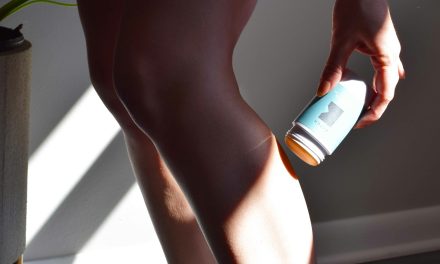
Dry brushing is a technique that involves using a specially designed brush with stiff bristles to gently exfoliate the skin’s surface. The process is performed on dry skin, typically before bathing, and is believed to promote various health benefits beyond mere exfoliation. The practice has its roots in ancient Ayurvedic medicine and has been embraced by many cultures for its purported ability to enhance skin health and overall well-being.
The technique is relatively straightforward: one begins at the feet and works upward in long, sweeping motions toward the heart. This direction is thought to support lymphatic flow, which is crucial for detoxification. The brush’s bristles effectively remove dead skin cells, revealing a smoother and more radiant complexion beneath. Additionally, dry brushing can help unclog pores, allowing for better absorption of skincare products applied afterward.
What Is a Body Scrub?

A body scrub is a cosmetic product designed to exfoliate the skin through mechanical action. Typically composed of a combination of exfoliating agents—such as sugar, salt, or coffee grounds—mixed with moisturizing ingredients like oils or creams, body scrubs provide a dual-action approach to skincare. The granules work to physically slough off dead skin cells while the accompanying oils hydrate and nourish the skin.
Body scrubs come in various formulations, catering to different skin types and preferences. Some scrubs are infused with essential oils for aromatherapy benefits, while others may contain botanical extracts known for their soothing or revitalizing properties. The application process usually involves massaging the scrub onto damp skin in circular motions, allowing the granules to effectively exfoliate while the oils penetrate the epidermis.
How Dry Brushing Benefits Your Skin

The benefits of dry brushing extend beyond mere exfoliation; this technique offers a plethora of advantages that contribute to overall skin health. One of the primary benefits is enhanced circulation. The brisk motion of brushing stimulates blood flow to the skin’s surface, promoting oxygenation and nutrient delivery to skin cells. This increased circulation can lead to a more vibrant complexion and improved skin tone.
Moreover, dry brushing is believed to support lymphatic drainage, which plays a vital role in detoxification. The lymphatic system helps remove waste products and toxins from the body, and stimulating this system through dry brushing may aid in reducing puffiness and promoting a more contoured appearance. Additionally, regular dry brushing can help prevent ingrown hairs by keeping hair follicles clear of dead skin cells, making it an excellent practice for those who shave or wax.
When considering the best method for exfoliating your skin, you might find yourself torn between dry brushing and body scrubs. Both techniques offer unique benefits, but understanding which one suits your needs can enhance your skincare routine. For a deeper dive into effective personal care practices, you can explore this insightful article on essential tips for maintaining your skin’s health. Whether you prefer the invigorating feel of dry brushing or the soothing experience of a body scrub, knowing the advantages of each can help you make an informed choice.
How Body Scrubs Benefit Your Skin
Body scrubs offer a multitude of benefits that cater to various skincare needs. One of the most significant advantages is their ability to provide deep exfoliation. The granular texture of scrubs effectively removes dead skin cells, revealing fresh, healthy skin underneath. This process not only enhances the skin’s appearance but also promotes cell turnover, which is essential for maintaining youthful-looking skin.
In addition to exfoliation, body scrubs often contain moisturizing ingredients that help hydrate the skin during the exfoliation process. Oils such as coconut oil or almond oil can penetrate deeply into the epidermis, leaving the skin feeling soft and supple after rinsing. Furthermore, many body scrubs are infused with antioxidants and vitamins that nourish the skin, providing additional protection against environmental stressors.
Comparing the Exfoliation Techniques
When comparing dry brushing and body scrubs, it becomes evident that both techniques serve distinct purposes within a skincare regimen. Dry brushing is primarily focused on stimulating circulation and lymphatic drainage while providing gentle exfoliation. It is an ideal choice for individuals seeking a quick and invigorating method to enhance their skincare routine without the need for additional products.
Conversely, body scrubs offer a more indulgent experience that combines exfoliation with hydration. The use of oils in scrubs not only aids in moisturizing but also enhances the sensory experience through pleasant fragrances and textures. For those looking for a more luxurious treatment that leaves the skin feeling pampered, body scrubs may be the preferred option.
Impact on Skin Texture and Appearance
Both dry brushing and body scrubs can significantly improve skin texture and appearance when incorporated into a regular skincare routine. Dry brushing promotes smoother skin by removing dead cells and encouraging cell turnover. As a result, individuals may notice a reduction in rough patches and an overall improvement in skin tone.
Body scrubs also contribute to enhanced texture by providing deeper exfoliation. The combination of physical exfoliation from granules and hydration from oils can lead to softer, more supple skin. Regular use of body scrubs can diminish the appearance of dryness or flakiness, resulting in a more polished look.
Suitability for Different Skin Types
When considering which technique may be best suited for individual needs, it is essential to take into account various skin types. Dry brushing is generally suitable for most skin types; however, individuals with sensitive or reactive skin should approach this method with caution. It is advisable to start with gentle strokes and observe how the skin responds before incorporating it into a regular routine.
Body scrubs can also be tailored to suit different skin types by selecting formulations that cater specifically to individual needs. For example, those with oily or acne-prone skin may benefit from scrubs containing salicylic acid or tea tree oil, while individuals with dry or mature skin may prefer hydrating scrubs enriched with nourishing oils.
Potential Risks and Precautions
While both dry brushing and body scrubs offer numerous benefits, there are potential risks associated with each technique that should be considered. Dry brushing can cause irritation if performed too aggressively or on compromised skin conditions such as eczema or psoriasis. It is crucial to use a brush with natural bristles and avoid sensitive areas like broken capillaries or inflamed patches.
Similarly, body scrubs can pose risks if used excessively or on broken or inflamed skin. Over-exfoliation can lead to irritation, redness, or even micro-tears in the epidermis. It is advisable to limit scrub usage to once or twice a week and always follow up with a moisturizer to maintain hydration levels.
How to Incorporate Each into Your Skincare Routine
Incorporating dry brushing into your skincare routine is relatively simple. Begin by selecting a high-quality brush with natural bristles. Perform dry brushing on clean, dry skin before showering, starting at your feet and working your way up toward your heart using long strokes. Focus on areas prone to dryness or roughness but avoid sensitive areas.
For body scrubs, choose a formulation that aligns with your skincare goals and preferences. Apply the scrub onto damp skin during your shower using circular motions to gently massage it into your body. Rinse thoroughly with warm water and follow up with a hydrating lotion or oil to lock in moisture.
Which Method Is Better for Your Skin?
Ultimately, determining which method—dry brushing or body scrubs—is better for your skin depends on individual preferences and specific skincare goals. Dry brushing offers invigorating benefits that promote circulation and lymphatic drainage while providing gentle exfoliation suitable for most skin types. Conversely, body scrubs deliver deeper exfoliation combined with hydration, making them ideal for those seeking a luxurious pampering experience.
Incorporating both techniques into your skincare routine may yield optimal results; alternating between dry brushing and body scrubs can provide comprehensive benefits while addressing various skincare needs. By understanding each method’s unique advantages and tailoring them to suit your individual requirements, you can achieve healthier, more radiant skin over time.
In summary, both dry brushing and body scrubs are effective exfoliation techniques that enhance skin health through different mechanisms. By carefully considering your skin type and preferences, you can choose the method that best aligns with your skincare goals while enjoying the myriad benefits each technique has to offer.
FAQs
What is dry brushing?
Dry brushing is a technique that involves using a firm, natural bristle brush to exfoliate the skin while it is dry. This method is typically performed before showering and is believed to help improve circulation, remove dead skin cells, and promote lymphatic drainage.
What is a body scrub?
A body scrub is a skincare product that typically contains exfoliating agents, such as sugar or salt, combined with oils or creams. It is applied to wet skin during a shower or bath to slough off dead skin cells, hydrate the skin, and leave it feeling smooth and refreshed.
Which method is better for exfoliation?
The effectiveness of dry brushing versus body scrubs for exfoliation can vary based on individual skin types and preferences. Dry brushing provides a more vigorous exfoliation and can stimulate circulation, while body scrubs offer a gentler approach with added hydration from oils. Ultimately, the best choice depends on personal skin needs and desired results.
Are there any skin types that should avoid dry brushing?
Yes, individuals with sensitive skin, eczema, or other skin conditions may want to avoid dry brushing, as it can cause irritation or exacerbate existing issues. It is advisable for those with such conditions to consult a dermatologist before trying dry brushing.
Can body scrubs be used daily?
While body scrubs can be beneficial for exfoliating the skin, using them daily is generally not recommended. Over-exfoliation can lead to skin irritation and damage. Most experts suggest using body scrubs 1-3 times a week, depending on skin sensitivity and the formulation of the scrub.