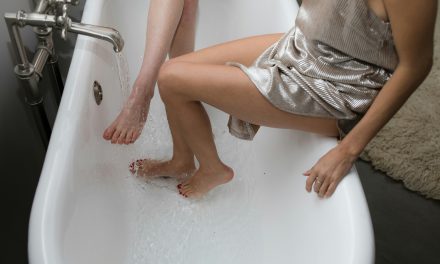
Body exfoliation is a crucial aspect of skincare that often goes overlooked. It involves the removal of dead skin cells from the surface of the skin, promoting a smoother, more radiant complexion. The skin naturally sheds dead cells, but this process can slow down due to various factors such as aging, environmental stressors, and inadequate hydration. Regular exfoliation helps to accelerate this natural process, revealing fresh skin underneath and enhancing overall skin texture.
Moreover, exfoliation plays a significant role in preventing various skin issues. By eliminating dead cells, it helps to unclog pores, reducing the likelihood of acne breakouts and blackheads. Additionally, it allows for better absorption of skincare products, ensuring that moisturizers and serums penetrate deeper into the skin. This not only maximizes their effectiveness but also contributes to a more youthful appearance by promoting cell turnover and stimulating collagen production.
If you’re looking to enhance your skincare routine, you might find it helpful to explore effective methods for exfoliating your body at home. Proper exfoliation can help remove dead skin cells, leaving your skin feeling smooth and rejuvenated. For additional tips on maintaining your living space, check out this article on essential home repair tips that every renter should know, which can help you create a more comfortable environment while you pamper yourself: Top 10 Home Repair Tips Every Renter Should Know.
Choosing the Right Exfoliant for Your Skin Type
Selecting an appropriate exfoliant is essential for achieving optimal results without causing irritation. There are two primary types of exfoliants: physical and chemical. Physical exfoliants contain granules or particles that manually scrub away dead skin cells, while chemical exfoliants utilize acids or enzymes to dissolve them.
For individuals with oily or acne-prone skin, a chemical exfoliant containing salicylic acid or glycolic acid may be beneficial. These ingredients penetrate deep into the pores, effectively removing excess oil and preventing breakouts. Conversely, those with dry or sensitive skin should opt for gentler options, such as lactic acid or enzyme-based exfoliants, which provide a milder approach without causing redness or irritation.
It is also important to consider the frequency of exfoliation based on skin type. Oily skin may tolerate exfoliation two to three times a week, while dry or sensitive skin should limit it to once a week to avoid over-exfoliation and subsequent damage.
DIY Sugar Scrub: A Sweet Way to Smooth Skin

Creating a DIY sugar scrub is an excellent way to incorporate exfoliation into your skincare routine while using natural ingredients. Sugar is a natural humectant, meaning it attracts moisture to the skin, making it an ideal choice for those looking to hydrate while exfoliating. To make a simple sugar scrub, combine equal parts granulated sugar and a carrier oil such as coconut oil or olive oil.
This mixture can be enhanced with essential oils for added benefits; for instance, lavender oil promotes relaxation while tea tree oil offers antibacterial properties. When applying the scrub, gently massage it onto damp skin in circular motions, focusing on areas prone to dryness such as elbows and knees. Rinse thoroughly with warm water to reveal soft, smooth skin.
Regular use of a sugar scrub can help maintain skin’s hydration levels while effectively sloughing off dead cells. However, it is crucial to avoid using this scrub on broken or irritated skin to prevent further damage.
Coffee Grounds Scrub: Energize and Exfoliate

Coffee grounds are not only a popular beverage ingredient but also an effective natural exfoliant. Rich in antioxidants and caffeine, coffee grounds can help improve circulation and reduce the appearance of cellulite when used in scrubs. To create a coffee grounds scrub, mix used coffee grounds with coconut oil or yogurt for added moisture.
The gritty texture of coffee grounds provides excellent physical exfoliation, making it suitable for those with normal to oily skin types. When massaging the scrub onto the body, focus on areas that require extra attention, such as thighs and arms. The invigorating scent of coffee can also provide an energizing boost during your skincare routine.
In addition to its exfoliating properties, coffee grounds can help brighten the skin and reduce puffiness due to their anti-inflammatory effects. However, individuals with sensitive skin should perform a patch test before full application to ensure no adverse reactions occur.
Exfoliating your body at home can be a rejuvenating experience, and if you’re looking for tips on how to achieve the best results, you might find this article helpful. It provides practical advice on various exfoliation techniques and products that can enhance your skincare routine. Additionally, for those interested in creating a vibrant garden, you can explore how to grow milkweed for monarch butterflies at home by checking out this informative piece here. This combination of self-care and gardening can lead to a more fulfilling lifestyle.
Oatmeal and Honey: Gentle Exfoliation for Sensitive Skin
For those with sensitive skin, oatmeal and honey offer a gentle yet effective exfoliating solution. Oatmeal contains saponins that act as natural cleansers, while honey is known for its antibacterial and moisturizing properties. Together, they create a soothing scrub that can help calm irritation and redness.
To prepare this scrub, blend finely ground oats with honey until a paste forms. Apply the mixture to damp skin and gently massage in circular motions before rinsing off with lukewarm water. This combination not only exfoliates but also nourishes the skin, leaving it feeling soft and hydrated.
Using oatmeal and honey as an exfoliant can be particularly beneficial during colder months when skin tends to become dry and irritated. Incorporating this scrub into your routine once a week can help maintain balance and prevent flare-ups associated with sensitive skin conditions.
Salt Scrub: Deep Cleansing and Skin Renewal
Salt scrubs are renowned for their deep cleansing properties due to the mineral content found in salt crystals. These scrubs are particularly effective for individuals with oily or combination skin types as they help absorb excess oil while providing thorough exfoliation. Sea salt or Himalayan salt can be used in combination with carrier oils like almond or jojoba oil for added hydration.
To create a salt scrub, mix coarse salt with your chosen oil until you achieve a paste-like consistency. Apply the scrub to damp skin using gentle pressure in circular motions, focusing on rough areas such as feet and elbows. Rinse thoroughly afterward to reveal refreshed and revitalized skin.
While salt scrubs are excellent for detoxifying the skin, they should be used cautiously on sensitive areas or broken skin to avoid irritation. Limiting use to once a week can help maintain optimal skin health without over-exfoliating.
Using a Dry Brush for Natural Exfoliation
Dry brushing is an ancient technique that has gained popularity in modern skincare routines due to its numerous benefits. This method involves using a natural bristle brush on dry skin before bathing to stimulate circulation and promote lymphatic drainage. The mechanical action of brushing helps remove dead skin cells while also encouraging cell turnover.
To dry brush effectively, start at your feet and work your way up towards your heart using long strokes. Focus on areas prone to dryness or roughness while avoiding sensitive regions such as the face or broken skin. This practice not only exfoliates but also enhances blood flow and can improve the appearance of cellulite over time.
Incorporating dry brushing into your routine can be done several times a week; however, it is essential to listen to your body and adjust frequency based on individual sensitivity levels.
Exfoliating with Baking Soda: A Simple At-Home Method
Baking soda is another versatile ingredient that can be utilized for gentle exfoliation at home. Its fine texture makes it suitable for various skin types, including oily and combination skin. Baking soda acts as a mild abrasive that helps remove dead cells without causing excessive irritation.
To create an exfoliating paste, mix baking soda with water until it forms a thick consistency. Apply this mixture to damp skin and gently massage in circular motions before rinsing off with warm water. The alkaline nature of baking soda can help balance pH levels in the skin while providing a refreshing cleanse.
While baking soda is effective for occasional use, it should not replace regular exfoliation methods entirely due to its potential to disrupt the skin barrier if used excessively.
How to Properly Exfoliate Without Irritating Your Skin
Proper exfoliation techniques are vital for achieving desired results without causing harm to the skin. First and foremost, always begin with clean skin; this ensures that any product applied will work effectively without interference from dirt or oils. When using physical exfoliants, apply gentle pressure—aggressive scrubbing can lead to micro-tears in the skin.
Timing is also crucial; limit exfoliation sessions to once or twice weekly based on your skin type. Over-exfoliating can lead to redness, irritation, and increased sensitivity over time. Additionally, always follow up with a hydrating moisturizer post-exfoliation to replenish moisture levels and support the skin barrier.
Lastly, consider patch testing new products before full application to identify any potential allergic reactions or sensitivities that may arise from specific ingredients.
Post-Exfoliation Care: Moisturizing and Protecting Your Skin
After exfoliating, proper post-care is essential for maintaining healthy skin. Immediately following exfoliation, apply a nourishing moisturizer to lock in hydration and soothe any potential irritation caused by the process. Look for products containing hyaluronic acid or glycerin—these ingredients attract moisture and help restore balance.
Furthermore, protecting your skin from environmental aggressors is crucial after exfoliation since freshly revealed layers may be more susceptible to damage from UV rays or pollutants. Always apply sunscreen during the day following an exfoliation session; this will safeguard against sunburns and premature aging caused by UV exposure.
Incorporating serums rich in antioxidants can also enhance post-exfoliation care by providing additional protection against free radicals while promoting overall skin health.
Tips for Making Body Exfoliation a Regular Self-Care Routine
Establishing body exfoliation as part of your self-care regimen can yield significant benefits for both your physical appearance and mental well-being. To make this practice more enjoyable, consider setting aside dedicated time each week specifically for exfoliation—transforming it into a ritual rather than just another chore.
Experimenting with different types of scrubs allows you to discover what works best for your unique needs while keeping things fresh and exciting. Additionally, pairing exfoliation with other self-care activities such as aromatherapy or soothing music can enhance relaxation during your routine.
Lastly, tracking progress through journaling or taking before-and-after photos can serve as motivation by showcasing improvements over time—encouraging consistency in maintaining healthy skincare habits.
In summary, body exfoliation is an essential practice that promotes smoother skin texture while preventing various issues such as acne and dryness. By choosing the right exfoliant tailored to individual needs—whether through DIY scrubs or commercial products—individuals can effectively incorporate this practice into their routines without causing irritation. Proper post-care following exfoliation ensures lasting results while establishing regular self-care habits fosters overall well-being and confidence in one’s appearance.
FAQs
What is body exfoliation?
Body exfoliation is the process of removing dead skin cells from the surface of the skin to promote a smoother, healthier appearance. This can be achieved through physical methods, such as scrubs and brushes, or chemical methods, using products containing exfoliating agents like alpha-hydroxy acids (AHAs) or beta-hydroxy acids (BHAs).
How often should I exfoliate my body at home?
It is generally recommended to exfoliate your body 1 to 3 times a week, depending on your skin type. Those with sensitive skin may benefit from exfoliating less frequently, while individuals with oily or thicker skin may be able to exfoliate more often. Always pay attention to how your skin reacts and adjust accordingly.
What are some effective homemade exfoliating scrubs?
Effective homemade exfoliating scrubs can be made using common kitchen ingredients. For example, a mixture of sugar or salt with olive oil or coconut oil creates a natural scrub. Other options include oatmeal mixed with honey or coffee grounds combined with yogurt. These ingredients help to slough off dead skin while moisturizing the skin.
Can exfoliating help with acne or body breakouts?
Yes, exfoliating can help with acne and body breakouts by removing dead skin cells that can clog pores and lead to blemishes. Regular exfoliation can also promote cell turnover, helping to prevent future breakouts. However, it is important to choose gentle exfoliants and not to over-exfoliate, as this can irritate the skin and worsen acne.
What should I do after exfoliating my body?
After exfoliating your body, it is essential to moisturize to replenish hydration and protect the skin barrier. Apply a nourishing lotion or body oil to lock in moisture. Additionally, avoid sun exposure immediately after exfoliating, as the skin may be more sensitive and prone to irritation.