As individuals transition into their forties, the skin undergoes a myriad of changes that can significantly affect its appearance and texture. The natural aging process is characterized by a decrease in collagen and elastin production, leading to a loss of firmness and elasticity. This reduction often manifests as sagging skin, fine lines, and wrinkles, particularly around the forehead, mouth, and eyes. Additionally, the skin’s ability to retain moisture diminishes, resulting in dryness and a rough texture. Hormonal fluctuations, particularly in women during perimenopause, can exacerbate these changes, leading to increased sensitivity and pigmentation issues.
Moreover, the cumulative effects of sun exposure over the years can lead to photoaging, which is characterized by uneven skin tone, age spots, and a leathery texture. The skin’s barrier function also weakens with age, making it more susceptible to environmental aggressors such as pollution and harsh weather conditions. Understanding these changes is crucial for developing an effective skincare regimen tailored to the unique needs of mature skin.
For women over 40, establishing an effective skincare routine is essential to maintain a youthful and radiant complexion. A related article that provides valuable insights into achieving this is available at this link. It discusses various skincare tips and product recommendations tailored specifically for mature skin, helping to address common concerns such as dryness, fine lines, and loss of elasticity.
Importance of a Consistent Skincare Routine
Establishing a consistent skincare routine is paramount for maintaining healthy skin as one ages. A well-structured regimen not only addresses existing concerns but also helps prevent further deterioration of skin quality. Consistency allows active ingredients to work effectively over time, promoting cellular turnover and enhancing overall skin health. A daily routine should ideally include cleansing, exfoliating, moisturizing, and sun protection.
Incorporating products with proven efficacy can yield significant improvements in skin texture and appearance. For instance, using antioxidants such as Vitamin C can combat oxidative stress while retinoids can stimulate collagen production. Furthermore, consistency fosters a sense of self-care and well-being, which can positively impact mental health. By committing to a daily skincare routine, individuals can take proactive steps toward preserving their skin’s vitality.
Choosing the Right Cleanser for Mature Skin

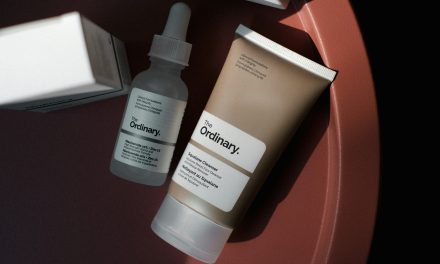
Selecting an appropriate cleanser is essential for mature skin, as it sets the foundation for the entire skincare regimen. Mature skin often requires gentle formulations that effectively remove impurities without stripping natural oils. Cream-based or hydrating cleansers are ideal choices, as they provide moisture while cleansing. Ingredients such as glycerin and hyaluronic acid can help maintain hydration levels during the cleansing process.
Avoiding harsh soaps or foaming cleansers is crucial, as these can exacerbate dryness and irritation. Instead, opt for sulfate-free products that respect the skin’s natural barrier. Cleansing should be performed twice daily—once in the morning to remove overnight buildup and once at night to eliminate makeup and pollutants accumulated throughout the day. This practice not only promotes a clean canvas for subsequent products but also enhances overall skin health.
Exfoliation: How and When to Do It

Exfoliation plays a vital role in maintaining youthful-looking skin by promoting cellular turnover and enhancing product absorption. For mature skin, it is essential to choose gentle exfoliation methods that do not cause irritation or damage. Chemical exfoliants containing alpha-hydroxy acids (AHAs) or beta-hydroxy acids (BHAs) are often recommended due to their ability to dissolve dead skin cells without physical abrasion.
Incorporating exfoliation into a skincare routine should be done with caution; typically, once or twice a week is sufficient for most individuals over 40. Over-exfoliating can lead to increased sensitivity and compromise the skin barrier. It is advisable to perform exfoliation in the evening to allow the skin to recover overnight. Following up with a hydrating serum or moisturizer post-exfoliation can help soothe any potential irritation while maximizing hydration.
For women over 40, establishing an effective skincare routine is essential to maintain a youthful glow and address the unique challenges that come with aging skin. Incorporating products that focus on hydration, sun protection, and targeted treatments can make a significant difference. If you’re looking for more insights on how to enhance your skincare regimen, you might find this article on best skincare practices particularly helpful, as it offers valuable tips tailored to your needs. Prioritizing your skincare can lead to healthier and more radiant skin as you embrace this new chapter in life.
Hydration Essentials: Moisturizers That Work
Hydration is a cornerstone of effective skincare for mature individuals. As the skin loses its ability to retain moisture with age, selecting the right moisturizer becomes imperative. Look for products that contain occlusive agents such as shea butter or ceramides that create a protective barrier on the skin’s surface, preventing moisture loss. Additionally, humectants like hyaluronic acid attract water molecules to the skin, providing an instant plumping effect.
When choosing a moisturizer, consider formulations that cater specifically to mature skin concerns. Products enriched with peptides can stimulate collagen production while antioxidants protect against environmental damage. A rich night cream can provide intensive hydration during sleep when the skin undergoes repair processes. Regular application of an appropriate moisturizer can significantly improve skin texture and elasticity over time.
Incorporating Anti-Aging Serums and Ingredients
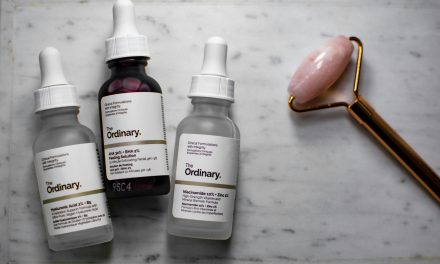
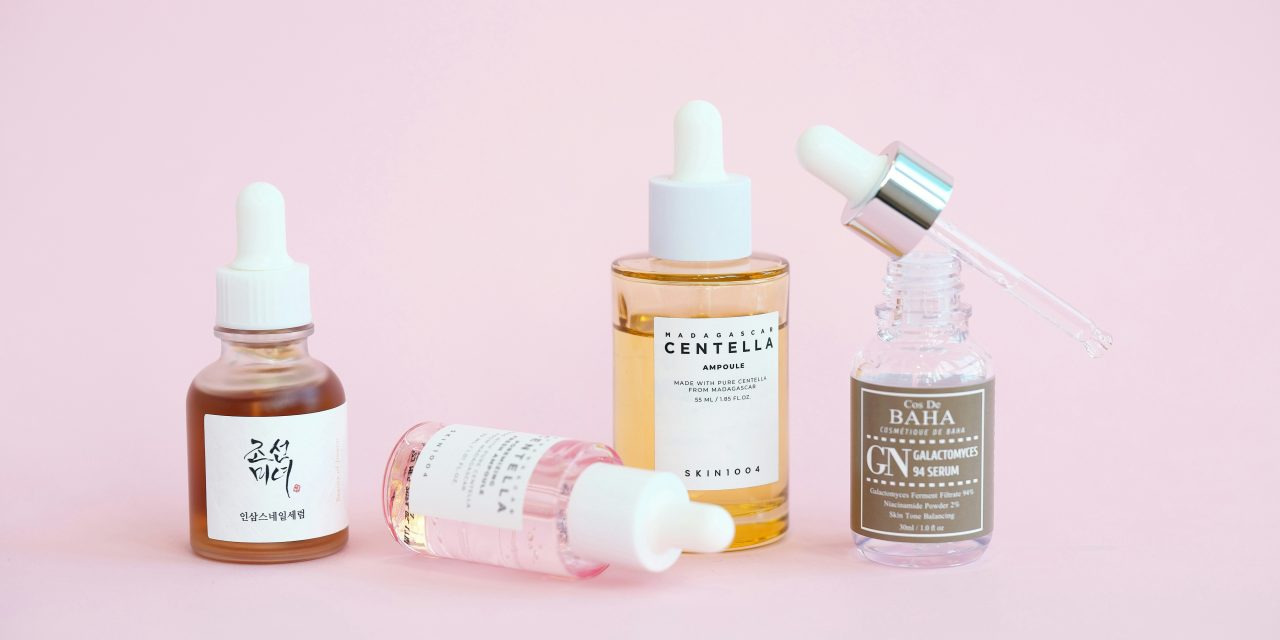
Integrating anti-aging serums into a skincare routine can yield transformative results for mature skin. Serums are typically more concentrated than moisturizers and contain active ingredients designed to target specific concerns such as fine lines, pigmentation, and loss of firmness. Retinol, a derivative of Vitamin A, is one of the most researched anti-aging ingredients known for its ability to promote cell turnover and stimulate collagen synthesis.
Other beneficial ingredients include peptides, which help improve skin elasticity; niacinamide, which brightens uneven skin tone; and antioxidants like Vitamin C that combat free radical damage. When incorporating serums into your regimen, it is advisable to start slowly—using them two to three times a week initially—to gauge how your skin reacts before increasing frequency. Layering serums under moisturizers can enhance their efficacy while providing additional hydration.
Sun Protection: Daily SPF Use and Benefits
Daily sun protection is non-negotiable for maintaining healthy skin at any age but becomes increasingly critical after 40. Ultraviolet (UV) radiation contributes significantly to premature aging through photoaging mechanisms such as collagen breakdown and DNA damage. Using a broad-spectrum sunscreen with an SPF of at least 30 every day—regardless of weather conditions—is essential for protecting against both UVA and UVB rays.
In addition to preventing sunburns and reducing the risk of skin cancer, consistent sunscreen use helps maintain an even skin tone by preventing hyperpigmentation and dark spots from forming. Reapplication every two hours when outdoors is crucial for optimal protection. Incorporating sun protection into your daily routine not only safeguards your skin but also enhances the effectiveness of other anti-aging products by preventing further damage.
Eye Care: Tackling Fine Lines and Puffiness
The delicate eye area often shows signs of aging first due to its thin skin structure and lack of oil glands. Fine lines, puffiness, and dark circles can become more pronounced after 40, necessitating targeted eye care solutions. Eye creams formulated with peptides or retinol can help reduce the appearance of fine lines by promoting collagen production while improving overall texture.
For puffiness and dark circles, ingredients such as caffeine can constrict blood vessels and reduce swelling, while Vitamin K may help improve circulation in the area. Applying eye cream gently with your ring finger can prevent unnecessary tugging on this sensitive area. Additionally, incorporating lifestyle changes such as adequate sleep and hydration can further enhance the effectiveness of eye care products.
Nighttime Skincare: Repair and Rejuvenate While You Sleep
Nighttime skincare routines are crucial for repair and rejuvenation processes that occur during sleep. The skin’s permeability increases at night, allowing active ingredients to penetrate more effectively. Incorporating richer formulations such as night creams or sleeping masks can provide intensive hydration while you rest.
Consider using products containing retinol or growth factors during nighttime routines to stimulate cellular regeneration while minimizing exposure to sunlight that can degrade these ingredients during the day. Additionally, incorporating a facial oil rich in fatty acids can enhance moisture retention overnight. Establishing a calming nighttime ritual not only benefits your skin but also promotes relaxation and better sleep quality.
Healthy Lifestyle Habits for Glowing Skin
Beyond topical treatments, adopting healthy lifestyle habits plays a pivotal role in achieving glowing skin after 40. A balanced diet rich in antioxidants—found in fruits and vegetables—can combat oxidative stress while promoting overall health. Omega-3 fatty acids from sources like fish or flaxseed oil support skin barrier function and hydration.
Regular physical activity enhances circulation, delivering essential nutrients to the skin while promoting detoxification through sweating. Staying adequately hydrated by drinking sufficient water throughout the day is equally important for maintaining skin elasticity and suppleness. Additionally, managing stress through mindfulness practices such as yoga or meditation can positively impact hormonal balance and overall well-being.
When to Consult a Dermatologist for Personalized Care
While many skincare concerns can be addressed through over-the-counter products and lifestyle changes, consulting a dermatologist may be necessary for personalized care tailored to individual needs. If you experience persistent issues such as severe dryness, redness, or sudden changes in pigmentation, seeking professional advice is crucial.
Dermatologists can provide advanced treatments such as chemical peels, laser therapy, or prescription-strength topical medications that may yield more significant results than standard products. Regular check-ups are also essential for monitoring any suspicious moles or lesions that could indicate underlying health issues. By collaborating with a dermatologist, individuals can develop a comprehensive skincare plan that addresses their unique concerns effectively.
In summary, understanding the changes that occur in the skin after 40 is vital for developing an effective skincare regimen tailored to individual needs. A consistent routine that includes gentle cleansing, regular exfoliation, adequate hydration, sun protection, targeted treatments for aging signs around the eyes, and healthy lifestyle habits can significantly enhance skin health and appearance. Consulting with a dermatologist ensures personalized care that addresses specific concerns effectively while promoting long-term skin vitality.
FAQs
What are the key components of a skincare routine for women over 40?
A comprehensive skincare routine for women over 40 typically includes a gentle cleanser, a hydrating toner, a serum rich in antioxidants or peptides, a moisturizer tailored to mature skin, and a broad-spectrum sunscreen. Additionally, incorporating products with retinoids or hyaluronic acid can help address signs of aging.
How often should women over 40 exfoliate their skin?
Women over 40 should aim to exfoliate their skin 1-2 times a week. This helps remove dead skin cells, promotes cell turnover, and enhances the absorption of other skincare products. However, it’s important to choose a gentle exfoliant to avoid irritation, especially for sensitive skin.
What ingredients should be prioritized in skincare products for mature skin?
Key ingredients to look for in skincare products for mature skin include hyaluronic acid for hydration, retinoids for promoting collagen production, peptides for skin repair, antioxidants like vitamin C for protection against environmental damage, and ceramides for strengthening the skin barrier.
Is it necessary to use sunscreen daily after 40?
Yes, using sunscreen daily is crucial for women over 40. Sunscreen protects against harmful UV rays that can accelerate skin aging, cause pigmentation, and increase the risk of skin cancer. A broad-spectrum sunscreen with at least SPF 30 should be applied every day, regardless of the weather.
Can lifestyle changes impact the effectiveness of a skincare routine for women over 40?
Absolutely. Lifestyle changes such as maintaining a balanced diet rich in antioxidants, staying hydrated, getting regular exercise, managing stress, and avoiding smoking can significantly enhance the effectiveness of a skincare routine. These factors contribute to overall skin health and can improve the appearance of aging skin.