Chin acne, a common dermatological concern, manifests as pimples, cysts, or pustules localized on the chin area. This condition can be particularly distressing due to its visibility and association with self-esteem issues. Acne vulgaris, the medical term for acne, occurs when hair follicles become clogged with sebum, dead skin cells, and bacteria. The chin is a frequent site for breakouts due to its unique anatomical and physiological characteristics, including the presence of sebaceous glands that produce oil.
Chin acne can affect individuals of all ages, but it is particularly prevalent among adolescents and young adults due to hormonal changes. The severity of this condition can vary significantly, ranging from mild comedonal acne to severe cystic lesions. Understanding the multifactorial nature of chin acne is crucial for effective management and treatment. Factors such as hormonal fluctuations, stress levels, dietary habits, skincare routines, and underlying medical conditions all contribute to the development of acne in this area.
If you’re struggling with persistent breakouts on your chin, you might find it helpful to explore various lifestyle factors that could be contributing to your skin issues. One interesting article that discusses the importance of maintaining a tidy living environment is available at this link: 10 Tips to Organize a Shared Apartment Without Clutter. A clutter-free space can reduce stress and improve your overall well-being, which may positively impact your skin health.
Hormonal Fluctuations and Their Impact on Chin Breakouts
Hormonal fluctuations are one of the primary culprits behind chin acne, particularly in women. The menstrual cycle, pregnancy, and conditions such as polycystic ovary syndrome (PCOS) can lead to increased androgen levels, which stimulate sebaceous glands to produce excess sebum. This overproduction of oil can clog pores and create an environment conducive to bacterial growth, resulting in inflammatory lesions on the chin.
Moreover, hormonal imbalances can exacerbate existing acne conditions. For instance, during the luteal phase of the menstrual cycle, many women experience heightened oiliness and breakouts due to increased progesterone levels. Understanding these hormonal influences is essential for developing targeted treatment strategies. Options may include hormonal therapies such as oral contraceptives or anti-androgens like spironolactone, which can help regulate sebum production and reduce acne severity.
The Role of Stress in Causing Chin Acne

Stress is another significant factor contributing to chin acne. When individuals experience stress, the body releases cortisol, a hormone that can increase oil production in the skin. This heightened sebum production can lead to clogged pores and subsequent breakouts. Additionally, stress may lead to unhealthy coping mechanisms such as poor dietary choices or neglecting skincare routines, further exacerbating acne.
To mitigate stress-related chin acne, individuals can adopt various stress management techniques. Mindfulness practices such as meditation and yoga have been shown to reduce cortisol levels and improve overall skin health. Regular physical activity can also alleviate stress while promoting better circulation and skin vitality. By addressing the psychological aspects of acne, individuals may find relief from both stress and its dermatological consequences.
How Diet Influences Acne on the Chin

Diet plays a pivotal role in skin health and can significantly influence the occurrence of chin acne. Research suggests that high glycemic index foods—such as white bread, sugary snacks, and processed carbohydrates—can lead to spikes in insulin levels. Elevated insulin can increase sebum production and promote inflammation, both of which contribute to acne development.
Conversely, a diet rich in antioxidants, omega-3 fatty acids, and vitamins A and E may help combat acne. Foods such as leafy greens, fatty fish, nuts, and whole grains can support skin health by reducing inflammation and promoting cellular repair. Maintaining proper hydration is also crucial; drinking adequate water helps flush out toxins and keeps skin cells functioning optimally. Individuals struggling with chin acne should consider consulting a nutritionist to develop a personalized dietary plan that supports their skin health.
If you find yourself frequently breaking out on your chin, it might be helpful to explore various factors that could be contributing to this issue. Hormonal fluctuations, diet, and skincare products can all play a significant role in acne development. For a deeper understanding of how certain foods can affect your skin health, you might want to check out this article on food storage and safety, which discusses the importance of maintaining a balanced diet. You can read more about it here.
Effects of Poor Skincare Habits on Chin Breakouts
Inadequate skincare practices can significantly contribute to the persistence of chin acne. Using comedogenic products—those that clog pores—can exacerbate breakouts. Heavy creams or oils may lead to increased oiliness on the chin area, creating an ideal environment for acne formation. Furthermore, neglecting regular cleansing can result in the accumulation of dirt and bacteria on the skin’s surface.
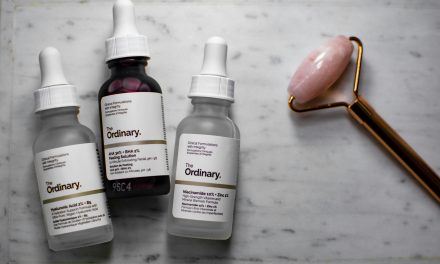
To establish an effective skincare routine, individuals should prioritize gentle cleansing with non-comedogenic products tailored for acne-prone skin. Incorporating exfoliation into the regimen can help remove dead skin cells that contribute to clogged pores. Additionally, using topical treatments containing salicylic acid or benzoyl peroxide can target existing breakouts while preventing new ones from forming. Consistency in skincare practices is vital for achieving long-term results.
If you’re struggling with persistent breakouts on your chin, it could be helpful to explore various factors that contribute to this issue, such as hormonal changes, diet, or skincare products. Understanding the underlying causes can lead to more effective solutions. For a deeper dive into skin health and related topics, you might find this article on top tips for maintaining healthy skin particularly insightful. By addressing these aspects, you can work towards clearer skin and a better understanding of your body’s responses.
The Impact of Hair and Skin Products on Chin Acne
The products used on hair and skin can inadvertently contribute to chin acne through a phenomenon known as “acne mechanica.” Hair products containing oils or silicones can transfer onto the chin during daily activities such as styling or sleeping, leading to clogged pores. Similarly, certain skincare products may contain irritating ingredients that provoke inflammatory responses in sensitive skin.
To minimize the risk of product-induced chin acne, individuals should opt for non-comedogenic formulations specifically designed for sensitive or acne-prone skin. Additionally, it is advisable to keep hair away from the face when using styling products and to wash pillowcases regularly to reduce product buildup. Awareness of ingredient labels is essential for making informed choices about personal care products.
The Connection Between Touching Your Face and Chin Pimples
Touching the face is a common habit that can significantly impact chin acne development. The hands carry bacteria and oils that can transfer onto the skin when individuals touch their faces. This transfer can lead to clogged pores and subsequent breakouts on the chin area. Furthermore, frequent touching may irritate existing lesions, exacerbating inflammation.
To combat this issue, individuals should practice conscious awareness regarding their hand movements. Implementing a no-touch policy for the face can help reduce the risk of introducing bacteria onto the skin’s surface. Regular handwashing is also crucial in minimizing bacterial transfer. Additionally, using tools such as facial rollers or brushes can provide a hygienic alternative for applying skincare products without direct hand contact.
Underlying Medical Conditions Linked to Chin Acne
Certain underlying medical conditions may predispose individuals to chin acne or exacerbate existing breakouts. Conditions such as polycystic ovary syndrome (PCOS) are characterized by hormonal imbalances that often manifest as acne along the jawline and chin area. Other endocrine disorders may also contribute to increased sebum production and subsequent breakouts.
Individuals experiencing persistent chin acne despite appropriate skincare measures should consider consulting a healthcare professional for evaluation. Diagnostic tests may be necessary to identify any underlying hormonal or metabolic issues contributing to acne development. Treatment options may include hormonal therapies or medications aimed at addressing specific medical conditions.
Effective Skincare Routines to Prevent Chin Breakouts
Establishing an effective skincare routine is paramount for preventing chin breakouts. A comprehensive regimen should include cleansing, exfoliating, treating active lesions, and moisturizing with non-comedogenic products. Cleansing twice daily with a gentle foaming cleanser helps remove excess oil and impurities without stripping the skin’s natural barrier.
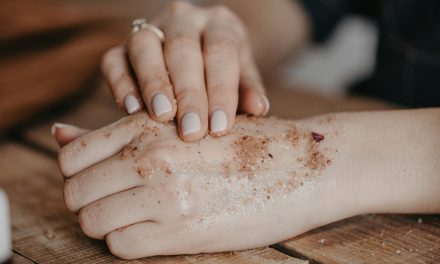
Incorporating exfoliation into the routine two to three times per week can aid in preventing clogged pores by removing dead skin cells. Topical treatments containing active ingredients such as salicylic acid or retinoids can target existing breakouts while preventing new ones from forming. Finally, using a lightweight moisturizer helps maintain hydration without contributing to excess oiliness.
Lifestyle Changes to Reduce Chin Acne
In addition to skincare routines, lifestyle changes play a crucial role in managing chin acne effectively. Regular physical activity promotes circulation and helps regulate hormone levels, which can positively impact skin health. Adequate sleep is equally important; insufficient rest can lead to increased stress levels and hormonal imbalances that exacerbate acne.
Moreover, practicing stress-reduction techniques such as mindfulness meditation or yoga can help mitigate cortisol levels associated with stress-induced breakouts. Avoiding smoking and limiting alcohol consumption are also beneficial lifestyle modifications that support overall skin health.
When to See a Dermatologist for Persistent Chin Breakouts
Individuals experiencing persistent chin breakouts despite implementing appropriate skincare measures should seek professional guidance from a dermatologist. A dermatologist can conduct a thorough evaluation of the skin condition and recommend tailored treatment options based on individual needs.
In cases where hormonal imbalances are suspected, dermatologists may refer patients for further evaluation by an endocrinologist or gynecologist specializing in hormonal disorders. Treatment options may include prescription medications such as topical retinoids, oral antibiotics for inflammatory lesions, or hormonal therapies aimed at regulating sebum production.
In summary, chin acne is a multifaceted condition influenced by various factors including hormonal fluctuations, stress levels, dietary habits, skincare routines, product choices, and underlying medical conditions. Understanding these contributing factors is essential for effective management and prevention strategies. By adopting a comprehensive approach that includes lifestyle modifications and targeted treatments, individuals can achieve clearer skin and improved self-confidence over time.
FAQs
What causes chin breakouts?
Chin breakouts are often caused by hormonal fluctuations, which can lead to increased oil production and clogged pores. Other factors include stress, diet, and the use of certain skincare products that may irritate the skin.
Are chin breakouts related to hormonal changes?
Yes, chin breakouts are commonly linked to hormonal changes, particularly in women. Conditions such as menstruation, pregnancy, and polycystic ovary syndrome (PCOS) can trigger hormonal imbalances that result in acne on the chin.
Can diet affect chin acne?
Absolutely. Diets high in sugar, dairy, and processed foods may contribute to acne flare-ups, including on the chin. Foods that cause inflammation can exacerbate skin issues, so maintaining a balanced diet may help reduce breakouts.
How can I prevent breakouts on my chin?
To prevent chin breakouts, maintain a consistent skincare routine that includes cleansing, exfoliating, and moisturizing. Additionally, avoid touching your face, manage stress levels, and consider using non-comedogenic products that won’t clog pores.
When should I see a dermatologist for chin acne?
If chin breakouts persist despite over-the-counter treatments or if they are severe and painful, it is advisable to consult a dermatologist. They can provide tailored treatment options, including prescription medications or professional procedures.