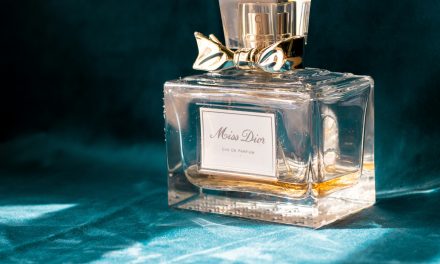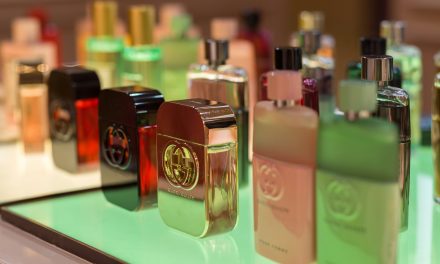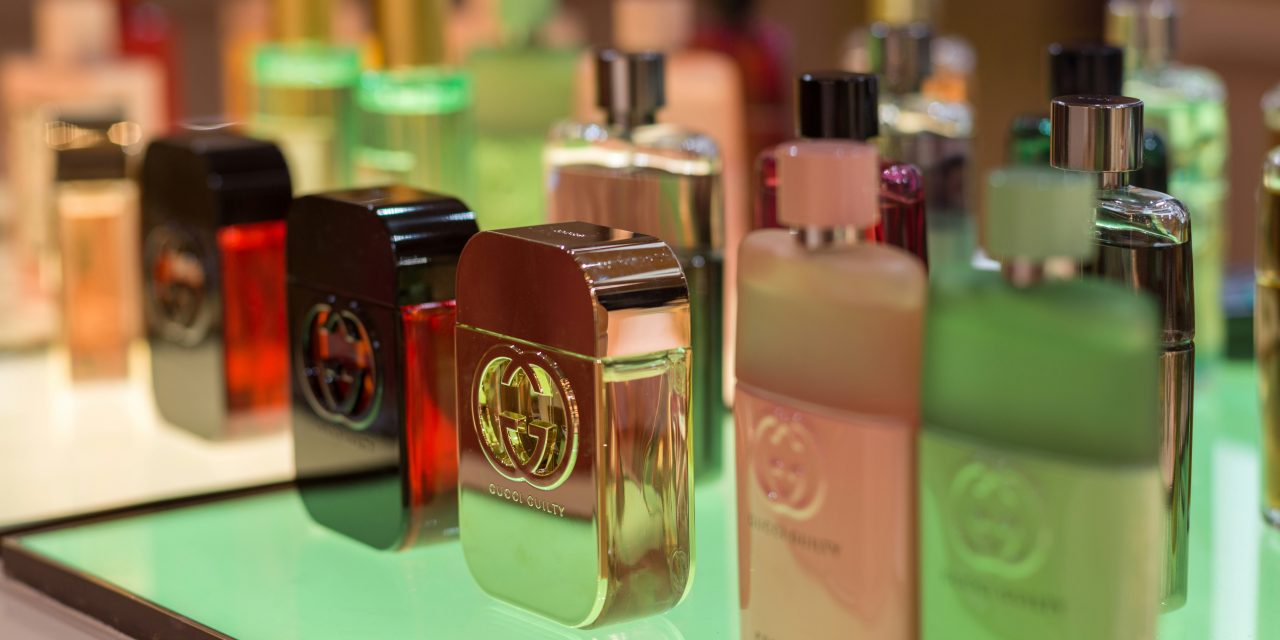
Perfume layering is an art form that allows individuals to create a unique olfactory signature by combining different fragrances. This technique involves strategically applying multiple scents to achieve a harmonious blend that reflects personal style and mood. The concept of layering is rooted in the understanding that fragrances can interact with one another, enhancing or altering their characteristics when combined. By mastering this technique, one can elevate their fragrance experience, making it more dynamic and personalized.
The practice of layering fragrances dates back centuries, with various cultures employing different methods to create signature scents. In contemporary perfumery, layering has gained popularity as individuals seek to express their individuality through scent. The key to successful layering lies in understanding the composition of fragrances, including top, middle, and base notes, as well as the overall scent profile. By grasping these fundamentals, one can embark on a journey of olfactory exploration that transcends traditional fragrance application.
If you’re interested in enhancing your fragrance experience, you might want to explore the art of layering perfumes without clashing. This technique allows you to create a unique scent profile that reflects your personality. For more tips on caring for your beloved pets, you can check out this informative article on essential advice for cat owners at Top 10 Tips for Neuter Care Cat Owners Must Know.
Choose Complementary Fragrance Families
Selecting complementary fragrance families is crucial for achieving a balanced and harmonious scent profile. Fragrance families are categorized into various groups, including floral, oriental, woody, fresh, and gourmand, among others. Each family possesses distinct characteristics that can either enhance or clash with one another. For instance, floral scents often pair well with fruity or green notes, while woody fragrances can complement spicy or oriental elements.
When choosing fragrances for layering, it is essential to consider the overall mood and occasion. For a romantic evening, one might opt for a combination of floral and oriental scents to evoke warmth and intimacy. Conversely, a fresh and citrusy blend may be more suitable for daytime wear. By understanding the nuances of each fragrance family, individuals can curate combinations that resonate with their personal preferences and enhance their overall scent experience.
Start with a Light Base Scent

Beginning the layering process with a light base scent sets the foundation for a well-balanced fragrance experience. Base scents typically consist of lighter notes that evaporate quickly, allowing for other fragrances to shine through without overwhelming the senses. Common base notes include citrus, green tea, or light florals, which provide a refreshing backdrop for more complex layers.
Starting with a light base also allows for greater versatility in layering. As the day progresses, individuals can add richer or more intense scents without fear of overpowering the initial fragrance. This approach not only enhances the longevity of the overall scent but also creates an evolving olfactory experience that adapts to different environments and occasions.
Layer with Different Concentrations

The concentration of fragrance plays a significant role in how scents interact when layered. Perfumes are available in various concentrations, ranging from eau de toilette (EDT) to parfum (pure perfume), each offering different levels of intensity and longevity. When layering fragrances, it is advisable to mix different concentrations to achieve a balanced and nuanced scent profile.
For example, one might start with an eau de toilette as the base layer due to its lighter nature and then add a parfum for depth and richness. This combination allows for a gradual build-up of scent intensity while maintaining a harmonious balance. Additionally, varying concentrations can help create a multi-dimensional fragrance experience that evolves throughout the day.
Layering perfumes can be an art, and understanding how to do it without clashing is essential for creating a harmonious scent profile. For those looking to enhance their fragrance game, exploring techniques and tips can be incredibly helpful. A related article that offers insights into creating a balanced atmosphere in your home is available at 10 Tips to Make Your Pothos Grow Faster Indoors. While it may seem unrelated, the principles of layering scents can be likened to nurturing plants, as both require attention to detail and an understanding of how different elements interact with one another.
Test Scents on Your Skin Before Combining
Before committing to a layered fragrance combination, it is essential to test each scent on your skin. Fragrances can react differently based on individual skin chemistry, which can significantly alter their scent profile. What smells delightful in the bottle may not translate the same way when applied to the skin due to factors such as pH levels, body temperature, and even diet.
To effectively test scents, apply small amounts of each fragrance on different pulse points—such as wrists or behind the ears—and allow them to develop over time. This practice enables individuals to observe how the fragrances interact with their skin chemistry and whether they create the desired effect when layered together. Taking this step ensures that the final combination is not only pleasing but also uniquely suited to the individual.
Use Scented Body Products to Enhance Layers
Incorporating scented body products into your layering routine can significantly enhance the overall fragrance experience. Body lotions, shower gels, and deodorants infused with complementary scents can serve as an excellent foundation for your perfume layers. These products not only provide hydration but also help to lock in fragrance, extending its longevity throughout the day.
When selecting scented body products, aim for those that align with your chosen fragrance families. For instance, if you plan to layer floral perfumes, consider using a floral-scented body lotion or shower gel. This approach creates a cohesive scent profile that enhances the overall experience while ensuring that each layer complements rather than competes with one another.
Balance Strong and Subtle Notes Carefully
Achieving balance between strong and subtle notes is essential for successful perfume layering. Strong notes can easily overpower lighter ones if not applied thoughtfully. When combining fragrances, it is crucial to consider the intensity of each scent and how they will interact once layered.
To maintain balance, start by applying stronger scents sparingly and gradually build up as needed. This method allows for greater control over the final outcome while ensuring that no single note dominates the composition. Additionally, consider using strong notes as accents rather than primary layers; this approach adds depth without overwhelming the overall fragrance experience.
Avoid Overlapping Similar Notes
While it may be tempting to layer fragrances with similar notes in hopes of creating a more intense scent, this practice can often lead to muddiness rather than clarity. Overlapping similar notes can result in an unbalanced fragrance that lacks depth and complexity. Instead of enhancing the overall experience, it may create confusion for both the wearer and those around them.
To avoid this pitfall, carefully analyze the notes in each fragrance before combining them. Aim for diversity in your selections by choosing scents that offer contrasting elements while still complementing one another. This strategy not only enhances the overall olfactory experience but also allows for greater creativity in crafting unique combinations.
Consider the Order of Application
The order in which fragrances are applied plays a pivotal role in how they interact when layered. Generally, it is advisable to start with lighter scents before moving on to heavier ones. This approach allows the lighter notes to establish a foundation while preventing stronger fragrances from overshadowing them.
For example, begin by applying your chosen base scent followed by mid-range fragrances before finishing with more intense options. This method ensures that each layer has its moment to shine while contributing to an overall harmonious blend. Additionally, consider reapplying lighter scents throughout the day to refresh your fragrance without overwhelming your senses.
Refresh Layers Throughout the Day
As the day progresses, fragrances naturally evolve due to factors such as body heat and environmental conditions. To maintain your desired scent profile throughout the day, consider refreshing your layers periodically. This practice not only revitalizes your fragrance but also allows you to adapt your scent based on changing circumstances or moods.
When refreshing layers, focus on reapplying lighter scents first before adding any stronger notes. This approach helps maintain balance while ensuring that your fragrance remains vibrant and engaging throughout various activities or settings.
Experiment and Personalize Your Signature Blend
Ultimately, perfume layering is about experimentation and personalization. Each individual’s olfactory preferences are unique; therefore, finding a signature blend requires exploration and creativity. Take time to experiment with different combinations of fragrances until you discover what resonates most with your personal style.
Consider keeping a fragrance journal where you document successful combinations along with notes on how they made you feel throughout the day. This practice not only helps refine your layering technique but also serves as a valuable reference for future endeavors in crafting your signature scent.
In summary, mastering perfume layering involves understanding fragrance families, starting with light base scents, balancing concentrations, testing on skin, utilizing scented body products, maintaining harmony between strong and subtle notes, avoiding overlapping similarities, considering application order, refreshing throughout the day, and embracing experimentation for personalization. By following these guidelines, individuals can create unique olfactory experiences that reflect their individuality while enhancing their overall presence through scent.
FAQs
What does it mean to layer perfumes?
Layering perfumes refers to the practice of applying multiple fragrances in a way that they complement each other rather than clash. This technique allows individuals to create a unique scent profile by combining different notes and intensities, enhancing the overall fragrance experience.
How can I choose complementary fragrances for layering?
To choose complementary fragrances, look for scents that share similar notes or themes. For example, pairing a floral fragrance with a citrus scent can create a fresh and uplifting combination. Additionally, consider the fragrance families, such as woody, oriental, or fresh, and select perfumes that harmonize within those categories.
What are some tips for applying layered perfumes?
When applying layered perfumes, start with the lighter scent first, as it will be more easily overpowered by stronger fragrances. Apply the base scent to pulse points, such as wrists and neck, and then add the second fragrance sparingly. It’s also helpful to test the combination on your skin before committing to the full application.
Can I layer perfumes with different concentrations?
Yes, you can layer perfumes with different concentrations, such as eau de toilette and eau de parfum. However, it’s advisable to start with the lighter concentration first to avoid overwhelming the senses. This approach allows the more intense fragrance to enhance the overall scent without overpowering it.
Are there any fragrances that should not be layered?
While personal preference plays a significant role, it’s generally best to avoid layering fragrances that have conflicting notes, such as heavy musks with fresh citrus or sweet gourmand scents with sharp spices. These combinations can create an unpleasant olfactory experience. Testing combinations on a small scale can help determine what works best for you.