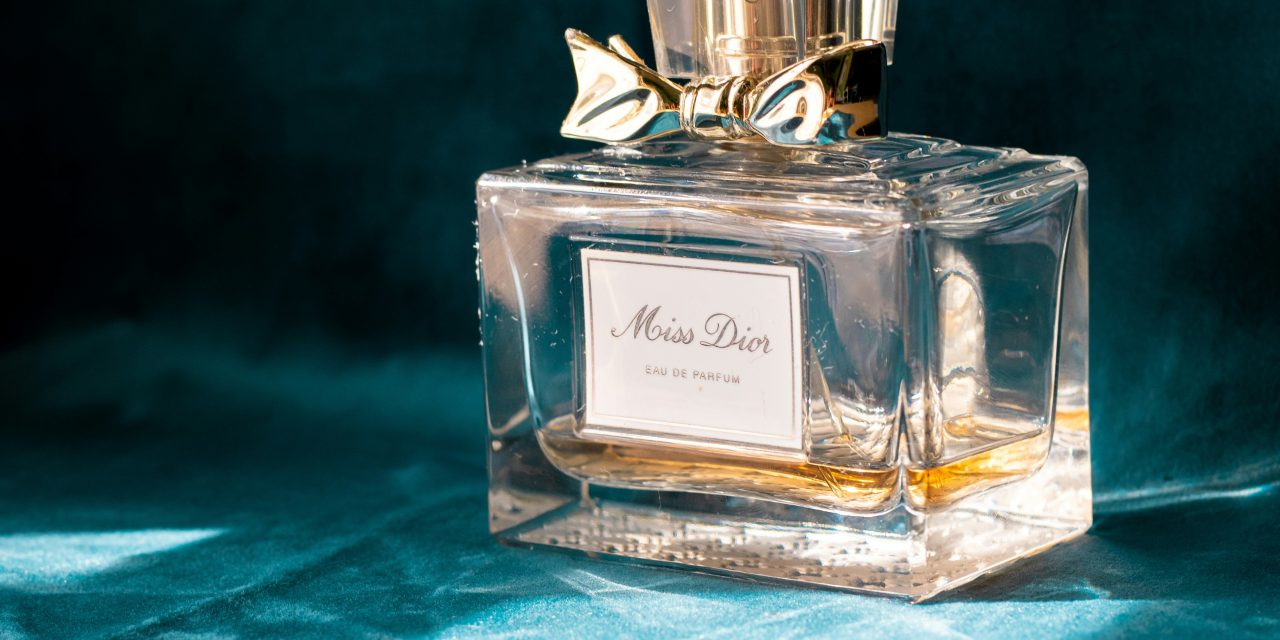
A signature scent is more than just a fragrance; it embodies an individual’s personality, style, and essence. It serves as an olfactory representation of who you are, leaving a lasting impression on those you encounter. The concept of a signature scent transcends mere aesthetics; it is deeply intertwined with emotional resonance and personal identity. When you wear a fragrance that aligns with your character, it can evoke confidence, nostalgia, or even comfort, creating a unique aura that distinguishes you from others.
The significance of a signature scent lies in its ability to evoke memories and emotions. For instance, a particular fragrance may remind you of a cherished moment or a loved one, making it an integral part of your personal narrative. This emotional connection can enhance your overall experience with the fragrance, making it feel like an extension of yourself. Therefore, understanding what a signature scent means is crucial in your journey to finding the perfect fragrance that resonates with your identity.
If you’re on a quest to discover your signature scent, you might find it helpful to explore related articles that delve into the nuances of fragrance selection. For instance, understanding how different scents can evoke emotions and memories can significantly enhance your fragrance journey. You can read more about the importance of creating a comforting environment and how it relates to personal choices in the article found here: Does Homeowners Insurance Cover Termite Damage?. This article provides insights that can inspire you to think about how your surroundings influence your scent preferences.
Identify Your Preferred Fragrance Family
Fragrances are categorized into various families, each with distinct characteristics and notes. The primary fragrance families include floral, oriental, woody, fresh, and citrus. Understanding these categories is essential for narrowing down your options and identifying scents that align with your preferences. Floral fragrances often evoke femininity and romance, while oriental scents are rich and exotic, characterized by spices and warmth. Woody fragrances provide depth and earthiness, while fresh and citrus scents offer a clean and invigorating experience.
To identify your preferred fragrance family, consider your personal tastes and lifestyle. Do you gravitate towards light and airy scents that uplift your mood? Or do you prefer deeper, more complex fragrances that exude sophistication? Engaging in self-reflection can help you pinpoint the fragrance family that resonates most with you. Additionally, exploring various scents within each family can further refine your preferences and guide you toward finding your signature scent.
Consider the Occasion and Season

The occasion and season play a pivotal role in selecting the right fragrance. Different scents evoke varying moods and atmospheres, making it essential to choose a fragrance that complements the context in which it will be worn. For instance, lighter, fresher fragrances are often preferred during warmer months, as they provide a refreshing sensation in the heat. Conversely, richer and more intense fragrances are typically favored during colder seasons, as they offer warmth and depth.
When considering occasions, think about where you will be wearing the fragrance. A casual day out may call for a light and playful scent, while a formal event might warrant something more sophisticated and elegant. Additionally, workplace environments often require subtlety; therefore, opting for fragrances with moderate sillage can ensure you leave a pleasant impression without overwhelming those around you. By aligning your fragrance choices with both the occasion and season, you can enhance your overall experience and make a lasting impact.
Test Scents on Your Skin, Not Just Paper

When exploring fragrances, it is crucial to test them on your skin rather than solely relying on paper testers. The chemistry of your skin interacts with the fragrance molecules, resulting in a unique scent profile that may differ significantly from what is experienced on paper. Factors such as skin type, pH levels, and even diet can influence how a fragrance develops over time. Therefore, applying scents directly to your skin allows you to assess how they evolve throughout the day.
To effectively test fragrances on your skin, apply them to pulse points such as the wrists or neck. These areas generate heat, which can enhance the diffusion of the fragrance. Allow the scent to settle for at least 30 minutes before making any judgments; this waiting period enables you to experience the top notes as well as the heart and base notes that emerge later. By taking this approach, you can gain a comprehensive understanding of how a fragrance interacts with your body chemistry and whether it aligns with your preferences.
Finding your signature scent can be an exciting journey that enhances your personal style and boosts your confidence. To help you navigate this aromatic adventure, you might find it useful to explore related topics, such as the importance of creating a harmonious environment in your home. For instance, maintaining a pest-free space can significantly influence your overall well-being and comfort, which in turn can affect how you perceive and enjoy your chosen fragrance. You can read more about this in the article on pest control services that can keep your home inviting and pleasant by following this link: pest control services.
Start with Sample Sizes or Discovery Sets
Embarking on the journey to find your signature scent can be overwhelming due to the vast array of options available. To simplify this process, consider starting with sample sizes or discovery sets offered by many fragrance brands. These smaller quantities allow you to explore multiple scents without committing to a full-sized bottle. Sampling various fragrances provides an opportunity to experiment with different notes and families while discovering what resonates with you.
Discovery sets often include a curated selection of fragrances from a particular brand or collection. This approach not only saves money but also allows you to experience how different scents evolve on your skin over time. As you test these samples in various settings and seasons, you’ll gain valuable insights into which fragrances align with your preferences and lifestyle. Ultimately, this methodical exploration can lead you closer to identifying your signature scent.
Finding your signature scent can be an exciting journey, and understanding the different fragrance families is a great place to start. If you’re looking for tips on how to choose a scent that truly represents you, check out this insightful article on discovering your perfect fragrance. By exploring various notes and considering your personal style, you can uncover a scent that resonates with your personality and leaves a lasting impression.
Pay Attention to the Fragrance Notes
Fragrance notes are the individual components that make up a scent’s profile. They are typically categorized into three layers: top notes, heart notes (or middle notes), and base notes. Top notes are the initial scents perceived upon application; they are often light and volatile, providing an immediate impression of the fragrance. Heart notes emerge after the top notes dissipate and form the core of the scent; they are usually more robust and complex. Finally, base notes provide depth and longevity to the fragrance; they linger on the skin long after the other notes have faded.
Understanding fragrance notes is essential for selecting a scent that resonates with you. Take note of which notes appeal to your senses—whether it’s floral jasmine, warm vanilla, or earthy sandalwood—and use this knowledge to guide your choices. Additionally, consider how these notes interact with one another; harmonious combinations can create a well-rounded fragrance experience. By paying attention to fragrance notes, you can make informed decisions that align with your olfactory preferences.
Take Your Time and Avoid Rushing the Decision
Finding your signature scent is not a task to be rushed; it requires thoughtful consideration and exploration. Fragrance is deeply personal, and what works for one individual may not resonate with another. Taking your time allows you to fully immerse yourself in the experience of discovering scents that evoke emotions and memories unique to you.
As you navigate through various options, allow yourself to revisit fragrances multiple times before making a decision. This approach enables you to assess how scents evolve over time and how they fit into different aspects of your life. Additionally, consider seeking feedback from trusted friends or family members who can provide valuable insights into how certain fragrances complement your personality. By adopting a patient mindset throughout this process, you’ll be more likely to find a signature scent that truly reflects who you are.
Seek Recommendations from Trusted Sources
When searching for a signature scent, seeking recommendations from trusted sources can be invaluable. Friends or family members who share similar tastes may provide insights into fragrances they love or have had positive experiences with. Additionally, online communities dedicated to fragrance enthusiasts often share reviews and recommendations based on personal experiences.
Consider consulting fragrance experts at specialty stores or boutiques; their knowledge can guide you toward options that align with your preferences. Many retailers also offer personalized consultations where trained staff can help identify scents based on your likes and dislikes. By leveraging recommendations from trusted sources, you can streamline your search for the perfect fragrance while gaining insights into lesser-known gems that may resonate with you.
Evaluate Longevity and Sillage
Longevity refers to how long a fragrance lasts on the skin before it fades away completely, while sillage describes the trail of scent left behind as one moves through space. Both factors are crucial when selecting a signature scent; a fragrance that lacks longevity may require frequent reapplication throughout the day, while one with poor sillage may not leave an impactful impression on others.
To evaluate longevity and sillage effectively, test fragrances during different times of day and in various environments. Apply them in the morning before heading out for errands or social engagements; observe how they evolve over several hours. Additionally, ask friends or family members if they can detect the scent after you’ve worn it for some time—this feedback can provide valuable insights into its sillage. By considering these factors during your exploration process, you’ll be better equipped to choose a fragrance that meets your expectations for lasting power and presence.
Trust Your Instincts and Emotional Connection
Ultimately, trusting your instincts is paramount when selecting a signature scent. While research and recommendations are helpful tools in guiding your choices, personal intuition plays an equally significant role in finding what resonates with you emotionally. A fragrance should evoke feelings of joy or comfort; if it doesn’t elicit any emotional response upon application, it may not be the right fit for you.
Consider how certain scents make you feel—do they uplift your spirits or transport you back to cherished memories? This emotional connection is often what transforms a mere fragrance into a signature scent that becomes synonymous with your identity. Allow yourself to embrace these feelings as you explore different options; by prioritizing emotional resonance alongside aesthetic appeal, you’ll be more likely to discover a fragrance that truly reflects who you are.
Keep a Fragrance Journal to Track Favorites
Maintaining a fragrance journal can be an effective way to track your favorites throughout your exploration process. Documenting your experiences allows you to reflect on which scents resonate most deeply with you over time while providing insights into how they evolve on your skin under different circumstances.
In this journal, note down details such as the name of each fragrance tested, its key notes, occasions when worn, and any emotional responses elicited during wear. This practice not only helps organize your thoughts but also serves as a valuable reference point when revisiting past favorites or considering new options in the future. By keeping track of these details systematically, you’ll gain clarity in identifying patterns within your preferences—ultimately guiding you toward finding that elusive signature scent.
In summary, finding your signature scent is an intricate journey that involves understanding personal preferences across various dimensions—from fragrance families to emotional connections. By taking time for exploration while considering factors such as occasion suitability and longevity potential alongside instinctual responses towards scents tested on skin rather than paper alone—one can navigate this process effectively toward discovering their unique olfactory identity through thoughtful engagement with fragrances available today!
FAQs
What is a signature scent?
A signature scent is a fragrance that is uniquely associated with an individual, often reflecting their personality, style, and preferences. It is a scent that someone chooses to wear regularly, creating a lasting impression and evoking memories for both the wearer and those around them.
How can I determine my fragrance preferences?
To determine your fragrance preferences, start by identifying the scents you are naturally drawn to. Consider the different fragrance families such as floral, fruity, woody, and oriental. You can also explore various notes within these families, such as citrus, vanilla, or sandalwood, by sampling different perfumes at a store or using fragrance discovery sets.
What factors should I consider when choosing a signature scent?
When choosing a signature scent, consider factors such as your personal style, the occasion for which you will wear the fragrance, and the season. Additionally, think about how the scent interacts with your body chemistry, as this can affect how the fragrance smells on your skin compared to how it smells in the bottle.
How do I test a fragrance properly?
To test a fragrance properly, spray it on your wrist or the back of your hand and allow it to dry without rubbing. This helps preserve the scent’s integrity. Wait for at least 30 minutes to an hour to experience the fragrance’s full development, as it can change over time due to the evaporation of top notes and the emergence of middle and base notes.
Can my signature scent change over time?
Yes, your signature scent can change over time due to various factors such as changes in personal taste, lifestyle, or even hormonal fluctuations. Additionally, seasonal changes may influence your fragrance preferences, leading you to choose lighter scents in warmer months and richer scents in colder months.