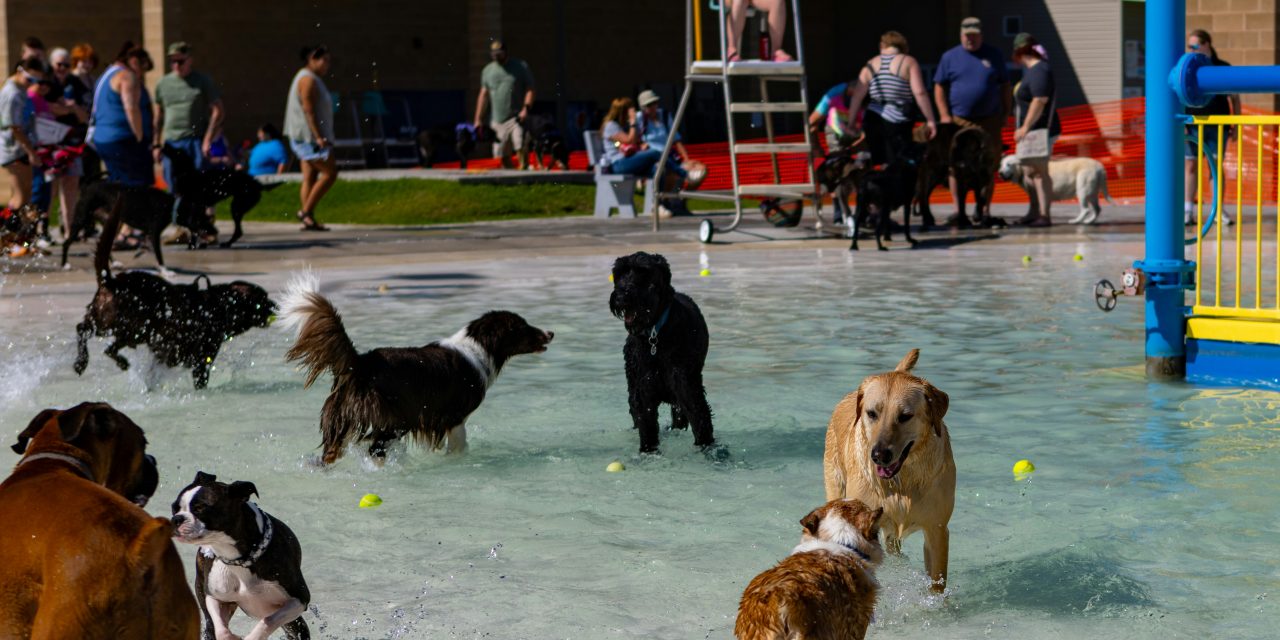
Socialization is a critical aspect of canine development, significantly influencing a dog’s behavior and temperament. When dogs interact with their peers, they learn essential social cues and communication skills that are vital for harmonious coexistence. Engaging with other dogs allows them to understand body language, vocalizations, and the subtleties of canine etiquette. This exposure can lead to improved interactions not only with fellow dogs but also with humans, fostering a well-rounded and adaptable pet.
Moreover, socialization helps mitigate behavioral issues that may arise from fear or aggression. Dogs that are well-socialized are less likely to exhibit anxiety-driven behaviors, such as excessive barking or destructive tendencies. Regular interactions in controlled environments, such as dog parks or training classes, can enhance these skills. The benefits of socialization extend beyond mere play; they contribute to a dog’s emotional intelligence and ability to navigate various social situations effectively.
Increased Physical Exercise and Activity
Physical exercise is paramount for maintaining a dog’s health and vitality. Regular activity helps prevent obesity, which is a growing concern among pets today. Engaging in physical activities such as walking, running, or playing fetch not only burns calories but also strengthens muscles and improves cardiovascular health. A well-exercised dog is typically more content and less prone to behavioral issues stemming from pent-up energy.
Incorporating varied forms of exercise into a dog’s routine can also enhance their overall fitness levels. Activities like agility training or swimming provide excellent cardiovascular workouts while also being low-impact on joints. Furthermore, increased physical activity can lead to improved sleep patterns, as dogs that expend energy during the day are more likely to rest peacefully at night. This cycle of exercise and rest contributes to a healthier lifestyle for dogs of all ages.
Mental Stimulation Through Engaging Activities
Mental stimulation is just as crucial as physical exercise for a dog’s overall well-being. Engaging activities such as puzzle toys, scent work, or obedience training challenge a dog’s cognitive abilities and keep their minds sharp. These activities can prevent boredom, which often leads to destructive behaviors when dogs lack sufficient mental engagement.
Interactive games that require problem-solving skills can significantly enhance a dog’s mental acuity. For instance, toys that dispense treats when manipulated correctly encourage dogs to think critically about how to achieve their goal. Additionally, training sessions that incorporate new commands or tricks stimulate cognitive function and strengthen the bond between the dog and its owner. By providing varied mental challenges, pet owners can ensure their dogs remain intellectually engaged and emotionally fulfilled.
Reduction in Separation Anxiety and Stress

Separation anxiety is a common issue faced by many dogs, often resulting in destructive behaviors when left alone. Regular socialization and structured activities can significantly reduce anxiety levels in dogs by providing them with a sense of security and routine. When dogs are accustomed to being around other animals and people, they are less likely to experience distress when separated from their owners.
Creating a positive environment through consistent routines can also alleviate stress. Dogs thrive on predictability; knowing when they will be fed, exercised, or engaged in playtime can help them feel more secure. Additionally, incorporating calming techniques such as crate training or using pheromone diffusers can further reduce anxiety levels. By addressing the root causes of separation anxiety, pet owners can foster a more relaxed and confident canine companion.
Development of Better Behavioral Habits
Establishing good behavioral habits is essential for any dog owner. Through consistent training and positive reinforcement techniques, dogs can learn desirable behaviors that enhance their quality of life and strengthen their relationship with their owners. Training sessions focused on obedience commands such as “sit,” “stay,” and “come” not only improve behavior but also provide mental stimulation.
Moreover, engaging in group training classes allows dogs to learn from one another while under the guidance of professional trainers. This environment fosters healthy competition and encourages dogs to exhibit good manners in the presence of their peers. As dogs master new skills and commands, they gain confidence in their abilities, leading to improved behavior both at home and in public settings.
Professional Supervision and Care
Professional supervision plays a vital role in ensuring the safety and well-being of dogs during socialization and training activities. Experienced trainers possess the knowledge necessary to assess canine behavior accurately and intervene when necessary to prevent conflicts or accidents. Their expertise allows them to create structured environments where dogs can interact safely while learning essential skills.
Additionally, professional care providers can offer tailored training programs that address specific behavioral issues or developmental needs. Whether it’s addressing aggression, fearfulness, or anxiety, trained professionals can implement strategies that promote positive outcomes for both the dog and its owner. By investing in professional supervision, pet owners can ensure their dogs receive the highest quality care while developing essential social skills.
Opportunities for Training and Obedience Improvement
Training opportunities abound for dog owners seeking to enhance their pets’ obedience skills. From basic commands to advanced tricks, structured training programs provide a framework for learning that benefits both the dog and its owner. These programs often incorporate positive reinforcement techniques that encourage desired behaviors while building trust between the dog and handler.
Moreover, specialized training classes focusing on agility or scent detection offer unique challenges that stimulate both physical and mental capabilities. Participating in these activities not only improves obedience but also fosters a sense of accomplishment for both the dog and its owner. As dogs progress through training levels, they gain confidence in their abilities, leading to improved behavior in various situations.
Consistent Routine Promoting Stability
Establishing a consistent routine is crucial for promoting stability in a dog’s life. Dogs thrive on predictability; knowing when they will eat, exercise, or engage in playtime helps them feel secure in their environment. A structured daily schedule reduces anxiety levels and fosters a sense of calmness within the household.
Incorporating regular feeding times, exercise sessions, and training activities into a daily routine creates an environment where dogs can flourish. This consistency not only benefits the dog but also simplifies life for pet owners by establishing clear expectations for behavior and care. By prioritizing routine, pet owners can cultivate a harmonious living situation that enhances the overall well-being of their canine companions.
Building Confidence and Reducing Fearfulness
Confidence-building is an essential aspect of canine development that can significantly impact behavior. Dogs that lack confidence may exhibit fearfulness or aggression in unfamiliar situations. Engaging in socialization activities with other dogs allows them to build self-assurance through positive experiences.
Gradual exposure to new environments, people, and stimuli helps desensitize fearful dogs while reinforcing positive behaviors through rewards. Training sessions focused on overcoming specific fears—such as loud noises or unfamiliar objects—can further bolster confidence levels. By providing opportunities for success in various situations, pet owners can help their dogs develop resilience and adaptability.
Improved Overall Health and Well-being
The cumulative effects of enhanced socialization skills, increased physical activity, mental stimulation, and reduced anxiety contribute significantly to a dog’s overall health and well-being. Regular exercise promotes cardiovascular health while preventing obesity-related issues such as diabetes or joint problems. Mental engagement fosters cognitive function and emotional stability.
Moreover, socialization reduces stress levels, which can have profound effects on physical health by lowering cortisol levels associated with anxiety. A well-rounded approach to canine care encompasses all aspects of health—physical, mental, and emotional—ensuring that dogs lead fulfilling lives free from preventable health issues.
Peace of Mind for Pet Owners
Ultimately, investing time and effort into enhancing a dog’s socialization skills, physical activity levels, mental stimulation opportunities, and overall well-being provides peace of mind for pet owners. Knowing that their furry companions are happy, healthy, and well-adjusted alleviates concerns about behavioral issues or health problems down the line.
Furthermore, establishing strong bonds through training and socialization fosters trust between pet owners and their dogs. This relationship enhances communication and understanding, leading to more enjoyable experiences together. By prioritizing comprehensive care strategies for their pets, owners can cultivate lasting connections built on mutual respect and love.
In summary, enhancing socialization skills through structured activities leads to numerous benefits for dogs—including improved physical health, reduced anxiety levels, better behavioral habits, increased confidence, and overall well-being—ultimately providing peace of mind for pet owners who prioritize their furry companions’ happiness and health.
FAQs
What services does Happy Heeling Dog Daycare offer?
Happy Heeling Dog Daycare provides a variety of services including supervised playtime, socialization with other dogs, basic training sessions, grooming, and individualized care plans tailored to each dog’s needs.
What are the operating hours of Happy Heeling Dog Daycare?
The daycare operates Monday through Friday from 7:00 AM to 6:00 PM, with extended hours available for early drop-off and late pick-up upon request.
How does Happy Heeling ensure the safety of the dogs in their care?
Happy Heeling Dog Daycare prioritizes safety by maintaining a secure facility, conducting thorough health screenings for all dogs, and employing trained staff who supervise playgroups to prevent any aggressive behavior.
What is the process for enrolling a dog at Happy Heeling Dog Daycare?
To enroll a dog, owners must complete an application form, provide vaccination records, and schedule a meet-and-greet to assess compatibility with other dogs and the daycare environment.
Are there any breed restrictions at Happy Heeling Dog Daycare?
Happy Heeling Dog Daycare welcomes dogs of all breeds, but they do require an assessment to ensure that each dog can safely interact with others in the daycare setting.