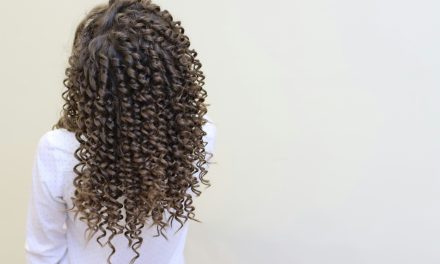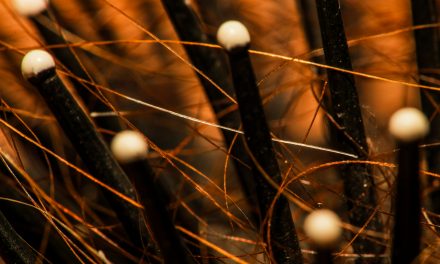
The phenomenon of an oily scalp coupled with dry ends is a common hair concern that many individuals face. This condition arises from an imbalance in the scalp’s sebaceous gland activity, which produces sebum, the natural oil that lubricates hair and skin. Factors contributing to this imbalance include hormonal fluctuations, particularly during puberty, menstruation, or pregnancy, which can lead to increased oil production. Additionally, environmental factors such as humidity and pollution can exacerbate oiliness, while the ends of the hair may suffer from dehydration due to lack of moisture retention.
Another significant contributor to this duality is the use of harsh hair care products. Shampoos containing sulfates and alcohol can strip the scalp of its natural oils, prompting the sebaceous glands to overcompensate by producing excess sebum. Conversely, the ends of the hair may become dry and brittle due to frequent heat styling, chemical treatments, or inadequate hydration. Understanding these underlying causes is crucial for developing an effective hair care regimen that addresses both oily roots and dry ends.
If you’re struggling with an oily scalp and dry ends, it’s essential to find a balanced hair care routine that addresses both issues. For more tips on managing hair health, you might find this article helpful: How to Get Rid of Ants in the House and Keep Them Out. While it may seem unrelated, the principles of maintaining a clean environment can also apply to your hair care regimen, emphasizing the importance of using the right products and techniques to achieve optimal results.
Choosing the Right Shampoo for Balanced Hair
Selecting an appropriate shampoo is paramount for achieving a harmonious balance between an oily scalp and dry ends. Look for formulations specifically designed for oily hair types, which typically contain ingredients such as tea tree oil, witch hazel, or salicylic acid. These components help regulate sebum production while maintaining scalp health. It is advisable to avoid shampoos laden with sulfates, parabens, and heavy silicones, as these can exacerbate dryness in the hair shaft.
For individuals with combination hair types, a clarifying shampoo used once a week can effectively remove product buildup and excess oil without overly drying the ends. Additionally, consider alternating between a gentle cleansing shampoo and a moisturizing one to cater to both the scalp and hair ends. This dual approach ensures that while the scalp remains clean and balanced, the ends receive the necessary hydration to prevent brittleness.
How to Properly Wash Your Hair Without Over-Stripping

Washing hair correctly is essential to avoid stripping it of its natural oils while still addressing oiliness at the roots. Begin by thoroughly wetting your hair with lukewarm water, as hot water can further dehydrate the ends. When applying shampoo, focus on massaging it into the scalp rather than the lengths of your hair. This technique allows for effective cleansing of excess oil without subjecting the ends to unnecessary friction or stripping.
Rinse thoroughly to ensure all product is removed, then follow up with a conditioner applied solely to the mid-lengths and ends. This targeted application prevents the scalp from becoming greasy while providing moisture where it is most needed. Additionally, consider limiting washing frequency to two or three times per week; this practice allows natural oils to nourish the hair while preventing overproduction from excessive cleansing.
The Importance of Conditioning Only the Ends

Conditioning only the ends of your hair is a critical step in maintaining a healthy balance between oily roots and dry ends. The ends are often more susceptible to damage due to environmental exposure and lack of moisture retention. By applying conditioner solely to this area, you can provide essential hydration without weighing down the roots or exacerbating oiliness.
When selecting a conditioner, opt for lightweight formulations that contain hydrating ingredients such as aloe vera, argan oil, or glycerin. These components help lock in moisture without leaving a greasy residue. Additionally, consider using leave-in conditioners or hair oils sparingly on the ends for added nourishment and protection against environmental stressors.
If you’re struggling with an oily scalp and dry ends, it’s essential to find a balance in your hair care routine. One helpful resource is an article that discusses effective strategies for managing this common issue. You can explore more about this topic by checking out the article on hair care tips. By incorporating the right products and techniques, you can achieve healthier hair that feels revitalized from root to tip.
Using Natural Remedies to Control Oiliness
Natural remedies can be effective in managing an oily scalp while promoting overall hair health. One popular option is apple cider vinegar (ACV), known for its ability to balance pH levels and reduce excess oil production. Diluting ACV with water and using it as a rinse after shampooing can help clarify the scalp and restore shine to the hair.
Another beneficial remedy is witch hazel, which possesses astringent properties that can help control sebum production. Applying witch hazel directly to the scalp using a cotton ball can provide immediate relief from oiliness. Additionally, incorporating essential oils such as rosemary or lavender into your hair care routine can promote scalp health while imparting a pleasant fragrance.
Avoiding Overuse of Hair Styling Products
The overuse of hair styling products can contribute significantly to an oily scalp and dry ends. Heavy gels, waxes, and sprays can build up on the scalp, leading to clogged pores and increased oiliness. To mitigate this issue, it is advisable to limit product usage and opt for lighter alternatives when possible.
When styling your hair, consider using products specifically designed for oily hair types or those labeled as “lightweight.” Additionally, ensure that you thoroughly cleanse your scalp during washing to remove any residual product buildup. Regularly rotating styling products can also prevent dependency on specific formulations that may not suit your hair’s changing needs.
Incorporating Scalp Exfoliation into Your Routine
Scalp exfoliation is an often-overlooked aspect of hair care that can significantly improve scalp health and manage oiliness. By removing dead skin cells and product buildup, exfoliation promotes better circulation and encourages healthy hair growth. Consider using a gentle exfoliating scrub or a DIY mixture of sugar and coconut oil once every two weeks.
When exfoliating, focus on massaging the product into the scalp using circular motions to stimulate blood flow. This practice not only helps control oiliness but also enhances nutrient absorption from subsequent treatments. Following exfoliation with a nourishing conditioner can further enhance hydration levels in the hair.
Tips for Regular Deep Conditioning Treatments
Regular deep conditioning treatments are essential for maintaining moisture levels in dry ends while preventing damage from environmental factors. Aim to incorporate deep conditioning into your routine at least once a week. Look for products rich in proteins and hydrating agents such as shea butter or keratin.
To maximize effectiveness, apply deep conditioner generously to the mid-lengths and ends of your hair after shampooing. Consider using a shower cap or heat cap to create a warm environment that allows for better penetration of the product into the hair shaft. Rinse thoroughly after 20-30 minutes for optimal results.
Protecting Hair from Heat and Environmental Damage
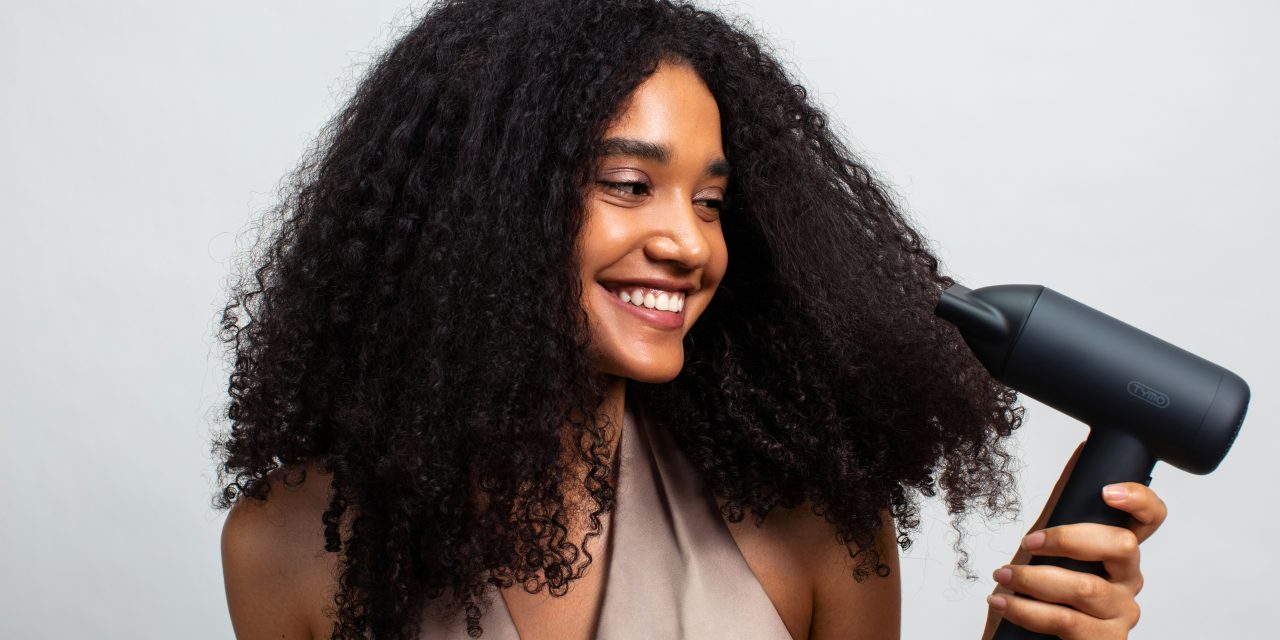
Heat styling tools such as blow dryers, curling irons, and straighteners can exacerbate dryness in hair ends while contributing to an oily scalp due to increased sebum production as a protective response. To mitigate damage, always apply a heat protectant spray before styling; this creates a barrier against high temperatures.
Additionally, consider reducing heat styling frequency by embracing natural hairstyles or air-drying whenever possible. Protecting hair from environmental factors such as UV rays and pollution is equally important; wearing hats or using UV-protectant sprays can shield your locks from harmful exposure.
Adjusting Your Diet for Healthier Hair
Diet plays a crucial role in maintaining healthy hair and scalp conditions. Consuming a balanced diet rich in vitamins A, C, D, E, zinc, iron, omega-3 fatty acids, and biotin can promote optimal hair health. Foods such as leafy greens, nuts, seeds, fish, and avocados are excellent sources of these nutrients.
Hydration is equally vital; drinking adequate water throughout the day helps maintain moisture levels in both skin and hair. Reducing intake of processed foods high in sugar and unhealthy fats can also contribute positively to overall scalp health by minimizing inflammation and promoting balanced oil production.
When to Seek Professional Help for Persistent Issues
If you find that despite implementing various strategies your oily scalp and dry ends persist or worsen over time, it may be time to consult a healthcare professional or dermatologist specializing in trichology (the study of hair). Persistent issues could indicate underlying conditions such as seborrheic dermatitis or hormonal imbalances that require targeted treatment.
A professional evaluation may involve a thorough examination of your scalp and hair history along with potential laboratory tests to identify any deficiencies or hormonal irregularities. Treatment options may include medicated shampoos containing ketoconazole or corticosteroids for inflammation control or hormonal therapies if indicated.
In summary, managing an oily scalp with dry ends requires a multifaceted approach that includes understanding underlying causes, selecting appropriate products, adopting proper washing techniques, utilizing natural remedies, and making dietary adjustments. Regular maintenance through conditioning treatments and protective measures against heat damage will further enhance overall hair health. If issues persist despite these efforts, seeking professional guidance is advisable for tailored solutions.
FAQs
What causes an oily scalp and dry ends?
An oily scalp is often caused by overactive sebaceous glands that produce excess sebum, which can be influenced by factors such as hormonal changes, diet, and stress. On the other hand, dry ends can result from a lack of moisture, heat styling, chemical treatments, or environmental factors like sun exposure and pollution, leading to a mismatch in moisture levels along the hair shaft.
How can I balance oiliness on my scalp while moisturizing my dry ends?
To balance oiliness and dryness, consider using a gentle, sulfate-free shampoo that targets oily scalps while avoiding heavy conditioners on the scalp. Instead, apply a lightweight conditioner or a deep conditioning treatment specifically to the ends of your hair. Additionally, incorporating a clarifying shampoo once a week can help remove excess oil without stripping moisture from the ends.
Are there specific products recommended for managing oily scalp and dry ends?
Look for products labeled as “balancing” or “moisturizing.” For the scalp, consider using a clarifying shampoo or a shampoo with tea tree oil or salicylic acid to control oil. For the ends, opt for leave-in conditioners, hair oils, or serums that contain ingredients like argan oil, jojoba oil, or shea butter to provide hydration without weighing the hair down.
How often should I wash my hair if I have an oily scalp and dry ends?
It is generally recommended to wash your hair every 2-3 days if you have an oily scalp. However, if your ends are particularly dry, you might consider washing less frequently and using dry shampoo in between washes to absorb excess oil at the scalp while keeping the ends hydrated. Adjust your routine based on how your hair responds.
Can diet affect the oiliness of my scalp and the dryness of my hair ends?
Yes, diet can significantly impact the health of your scalp and hair. Consuming a balanced diet rich in vitamins, minerals, and healthy fats can promote overall hair health. Foods high in omega-3 fatty acids, antioxidants, and vitamins A, C, and E can help regulate oil production and improve moisture retention in hair, potentially alleviating issues with an oily scalp and dry ends.