Carpet stains can be a homeowner’s worst nightmare, particularly when they become old and set-in. These blemishes not only detract from the aesthetic appeal of a room but can also harbor bacteria and allergens, posing potential health risks. Old stains often result from spills that were not promptly addressed, leading to the absorption of substances into the carpet fibers. Common culprits include food and beverage spills, pet accidents, and dirt tracked in from outside. The longer a stain remains untreated, the more challenging it becomes to remove, as the pigments and residues bond with the carpet fibers.
Understanding the nature of these stains is crucial for effective removal. Stains can be classified into two primary categories: organic and inorganic. Organic stains, such as those from food, beverages, or biological sources, often contain proteins and sugars that can attract pests and promote mold growth. In contrast, inorganic stains, such as those from ink or paint, may require different cleaning agents due to their chemical composition. Recognizing the type of stain is essential for selecting the appropriate cleaning method and ensuring the longevity of your carpet.
Identifying the Type of Stain for Effective Removal
To effectively tackle old carpet stains, one must first identify their specific type. This classification can significantly influence the cleaning approach. For instance, protein-based stains like blood or vomit require enzymatic cleaners that break down proteins, while tannin-based stains from coffee or wine may respond better to acidic solutions. Additionally, oil-based stains from grease or cosmetics necessitate solvents that can dissolve oils without damaging the carpet fibers.
A simple test can help determine the stain type: dab a small amount of water on the stain and observe its reaction. If the stain lightens or dissolves, it may be water-soluble; if not, it could be oil-based or pigment-based. Furthermore, understanding the age of the stain is vital; older stains may have set deeper into the fibers and may require more intensive treatment methods. By accurately identifying the stain type and age, homeowners can select the most effective cleaning solutions and techniques.
Gathering Essential Cleaning Supplies and Tools

Before embarking on a stain removal journey, it is imperative to gather the necessary cleaning supplies and tools. A well-equipped cleaning arsenal can make a significant difference in achieving optimal results. Essential items include:
1. **Absorbent Cloths or Paper Towels**: These are crucial for blotting up excess liquid and preventing further penetration into the carpet fibers.
2. **Vacuum Cleaner**: A high-quality vacuum is essential for removing loose dirt and debris before applying any cleaning solutions.
3. **Stain Remover Solutions**: Depending on the identified stain type, this may include enzymatic cleaners, vinegar, baking soda, or commercial carpet cleaners.
4. **Spray Bottles**: These are useful for applying homemade solutions evenly across stained areas.
5. **Soft-Bristled Brush**: A gentle brush can help work cleaning solutions into the carpet fibers without causing damage.
6. **Steam Cleaner**: For deep cleaning and extracting stubborn stains, a steam cleaner can be invaluable.
Having these supplies on hand will streamline the cleaning process and enhance the likelihood of successful stain removal.
Pre-Treatment: Preparing the Carpet for Stain Removal

Preparation is key when it comes to effectively removing old carpet stains. Before applying any cleaning solution, it is essential to pre-treat the area to maximize results. Start by vacuuming the stained area thoroughly to eliminate any loose dirt or debris that could interfere with the cleaning process. This step ensures that cleaning agents can penetrate deeply into the fibers without obstruction.
Next, assess the stain’s severity and age. For particularly stubborn stains, consider applying a small amount of warm water to help loosen the residue before treatment. Allow this to sit for a few minutes to soften the stain further. Additionally, if you are dealing with a large area or multiple stains, it may be beneficial to section off the carpet into manageable parts to ensure thorough treatment without overwhelming yourself.
Using Homemade Solutions to Tackle Stubborn Stains
Homemade cleaning solutions can be highly effective in addressing stubborn carpet stains while being gentle on fibers and environmentally friendly. One popular option is a mixture of white vinegar and water in equal parts. This solution works well on organic stains due to its acidic properties that help break down residues. Simply spray the mixture onto the stained area, let it sit for 5-10 minutes, then blot with a clean cloth.
Another effective homemade remedy involves baking soda and water to create a paste. This paste can be applied directly to grease or oil-based stains; allow it to dry completely before vacuuming it away. The baking soda absorbs odors while lifting stains from deep within the fibers. For ink stains, rubbing alcohol applied with a cotton ball can effectively lift pigment without damaging the carpet.
Applying Commercial Carpet Stain Removers Safely
While homemade solutions can be effective, commercial carpet stain removers offer specialized formulations designed for specific types of stains. When selecting a commercial product, it is crucial to read labels carefully to ensure compatibility with your carpet type and stain nature. Look for products containing enzymes for organic stains or solvents for oil-based blemishes.
Before applying any commercial cleaner, conduct a patch test in an inconspicuous area of your carpet to ensure there are no adverse reactions or discoloration. Follow manufacturer instructions meticulously regarding application methods and dwell times. It is advisable to wear gloves during application to protect your skin from potential irritants.
Techniques for Deep Cleaning Old Stains
Deep cleaning techniques are essential when dealing with old stains that have set into carpet fibers over time. One effective method is using a combination of blotting and scrubbing. Begin by blotting up any excess moisture with an absorbent cloth before applying your chosen cleaning solution directly onto the stain.
After allowing the solution to penetrate for several minutes, use a soft-bristled brush to gently scrub the area in circular motions. This technique helps lift embedded dirt while ensuring that cleaning agents reach deeper layers of fibers. Rinse thoroughly with clean water afterward to remove any residue from cleaning agents that could attract dirt in the future.
Utilizing Steam Cleaners for Enhanced Stain Extraction
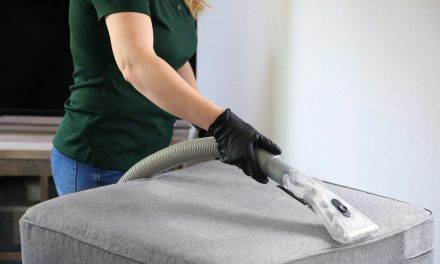
Steam cleaners are powerful tools that can significantly enhance stain extraction capabilities when dealing with old carpet blemishes. These machines utilize high-temperature steam to penetrate deep into carpet fibers, loosening dirt and grime while sanitizing surfaces effectively. When using a steam cleaner, ensure that your carpet is compatible with steam cleaning methods; some delicate fabrics may not withstand high temperatures.
Begin by vacuuming thoroughly before using the steam cleaner to remove loose debris. Fill the machine with water according to manufacturer instructions and allow it to heat up fully before proceeding with cleaning. Move slowly over stained areas, allowing steam to work its magic while extracting dirt simultaneously. Afterward, ensure proper drying by ventilating the area or using fans to prevent mold growth.
Tips for Rinsing and Drying the Carpet Properly
Proper rinsing and drying techniques are crucial in preventing future staining and maintaining carpet integrity after cleaning efforts. After applying any cleaning solution—whether homemade or commercial—rinse thoroughly with clean water to remove residues that could attract dirt over time. Use a clean cloth or sponge to blot away excess moisture during this process.
Once rinsing is complete, drying becomes paramount in preventing mold growth and odors. Open windows or use fans to circulate air in the room effectively; this will expedite drying time significantly. Avoid walking on damp carpets until they are completely dry to prevent re-soiling or damaging fibers.
Preventing Future Stains and Maintaining Carpet Cleanliness
Preventive measures play an essential role in maintaining carpet cleanliness and minimizing future staining incidents. Regular vacuuming is vital; aim for at least once a week to remove dirt particles before they settle into fibers permanently. Additionally, consider using area rugs in high-traffic zones to protect carpets from wear and tear.
Implementing a no-shoes policy indoors can also significantly reduce dirt accumulation on carpets. For households with pets or children, consider using pet-friendly products that are safe for both animals and humans alike when cleaning up spills or accidents promptly.
When to Call Professional Carpet Cleaning Services
Despite diligent efforts at home, some old stains may prove too stubborn for DIY methods or require specialized equipment for effective removal. In such cases, enlisting professional carpet cleaning services may be necessary. Professionals possess advanced tools such as industrial-grade steam cleaners and specialized stain removal products tailored for various types of carpets.
Additionally, professional services often include deep cleaning techniques that go beyond surface-level treatments, ensuring thorough sanitation of carpets while extending their lifespan significantly. If you notice persistent odors or visible staining despite your best efforts at home, it may be time to consult experts who can restore your carpets’ original beauty.
In summary, addressing old set-in carpet stains requires a comprehensive understanding of stain types, effective pre-treatment methods, and appropriate cleaning solutions—whether homemade or commercial. By gathering essential supplies and employing deep-cleaning techniques such as steam cleaning while ensuring proper rinsing and drying practices are followed, homeowners can maintain their carpets’ cleanliness effectively. Preventive measures further enhance longevity while knowing when to seek professional assistance ensures optimal results in restoring carpets’ appearance over time.