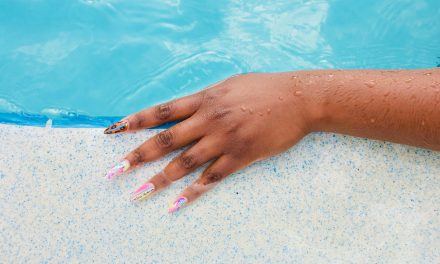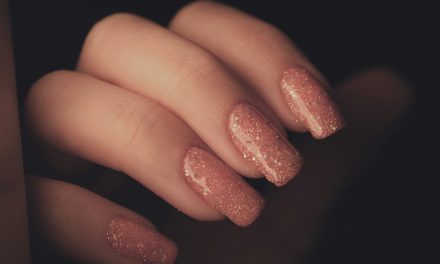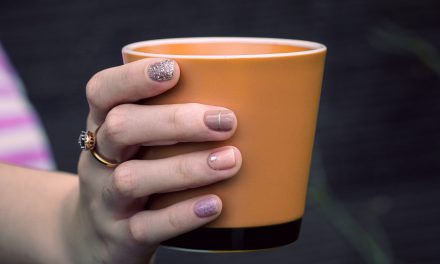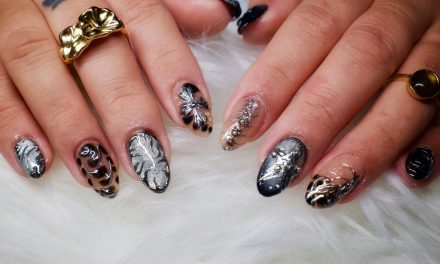
Fingernail splitting, medically referred to as onychoschizia, is a common condition characterized by the separation of the nail plate into layers or fragments. This phenomenon can arise from a multitude of factors, including environmental influences, nutritional deficiencies, and underlying health conditions. Understanding the etiology of this ailment is crucial for effective management and prevention.
One primary cause of fingernail splitting is excessive dryness, which can result from environmental factors such as low humidity or frequent exposure to water. Additionally, certain medical conditions like hypothyroidism or psoriasis can compromise nail integrity. Nutritional deficiencies, particularly in vitamins and minerals such as biotin, zinc, and iron, can also contribute to weakened nails. Identifying these underlying causes is essential for developing a targeted treatment plan.
To effectively prevent fingernails from splitting, it’s essential to adopt a holistic approach that includes proper nail care and nutrition. For additional insights on maintaining a healthy lifestyle that can indirectly benefit your nails, you might find the article on pest prevention in gardening quite interesting. A thriving garden not only provides fresh produce but also encourages a balanced diet, which is crucial for nail health. You can read more about it in this article: Top 10 Pest Prevention Tips for a Thriving Garden.
Keep Your Nails Hydrated with Regular Moisturizing
Maintaining optimal hydration levels in your nails is paramount for preventing splitting and promoting overall nail health. Regular moisturizing helps to maintain the structural integrity of the nail plate by preventing excessive dryness and brittleness. The application of emollients or specialized nail oils can significantly enhance moisture retention.
To effectively hydrate your nails, consider using products that contain ingredients such as jojoba oil, vitamin E, or shea butter. These components not only provide moisture but also create a protective barrier against environmental stressors. Incorporating a daily moisturizing routine can lead to noticeable improvements in nail strength and resilience over time.
Avoid Excessive Exposure to Water and Harsh Chemicals
Prolonged exposure to water can lead to nail weakening and splitting due to the swelling and subsequent drying out of the nail plate. Activities such as dishwashing or prolonged bathing can exacerbate this issue. To mitigate these effects, it is advisable to limit direct contact with water whenever possible.
Moreover, harsh chemicals found in cleaning products, detergents, and even some personal care items can strip nails of their natural oils, leading to increased fragility. Opting for gentle, non-toxic alternatives can significantly reduce the risk of damage. Wearing gloves during household chores is an effective strategy to shield your nails from both water and chemical exposure.
Use Gentle Nail Care Products and Avoid Harsh Nail Polish Removers
The choice of nail care products plays a pivotal role in maintaining nail health. Many conventional nail polish removers contain acetone and other harsh solvents that can dehydrate and weaken nails over time. Instead, consider using acetone-free removers that are formulated with nourishing ingredients to minimize damage.
Additionally, selecting gentle nail care products such as non-toxic polishes and strengthening treatments can help fortify nails against splitting. Look for formulations that include keratin or calcium, which are known to enhance nail strength. By prioritizing gentle products, you can create a healthier environment for your nails to thrive.
If you’re looking for effective ways to prevent fingernails from splitting, it’s essential to understand the underlying causes and adopt a proper nail care routine. One helpful resource that discusses common issues and solutions is an article that explores various household problems, including the wobbling of ceiling fans, which can be surprisingly related to maintaining a stable environment for your nails. You can read more about it in this informative piece on common causes and safe fixes. By ensuring your living space is well-maintained, you can create a healthier atmosphere for your nails to thrive.
Trim and File Nails Properly to Prevent Snags
Proper nail trimming and filing techniques are essential for preventing snags that can lead to splitting. When trimming nails, it is advisable to use sharp, sanitized tools to achieve clean cuts without causing trauma to the nail bed. Avoid cutting nails too short, as this can increase the risk of injury and subsequent splitting.
Filing should be done in one direction rather than a back-and-forth motion to prevent fraying at the edges. A fine-grit file is recommended for smoothing rough edges without causing additional damage. Regular maintenance through proper trimming and filing can significantly reduce the likelihood of splits and breaks.
If you’re looking for ways to prevent your fingernails from splitting, it’s essential to adopt a comprehensive nail care routine. This includes keeping your nails moisturized and avoiding harsh chemicals that can weaken them. Additionally, maintaining a balanced diet rich in vitamins and minerals can significantly contribute to nail health. For more tips on caring for your nails and preventing other grooming issues, you might find this article on grooming helpful, as it emphasizes the importance of proper care in maintaining overall health and appearance.
Wear Protective Gloves During Household Chores
Household chores often expose nails to various damaging elements, including water, chemicals, and physical trauma. Wearing protective gloves during tasks such as cleaning or gardening is an effective strategy for safeguarding your nails from potential harm.
Opt for gloves made from materials that provide both protection and breathability, such as latex or nitrile. This barrier not only shields nails from harsh substances but also prevents excessive moisture loss during prolonged exposure to water. By incorporating glove use into your routine, you can significantly enhance your nails’ resilience against splitting.
Maintain a Balanced Diet Rich in Vitamins and Minerals
A well-balanced diet plays a crucial role in promoting healthy nails. Nutritional deficiencies can lead to weakened nail structures, making them more susceptible to splitting. Incorporating a variety of foods rich in essential vitamins and minerals is vital for optimal nail health.
Key nutrients include biotin, which supports keratin production; zinc, which aids in cell division; and iron, which is essential for oxygen transport in the body. Foods such as eggs, nuts, leafy greens, and lean proteins should be staples in your diet to ensure adequate nutrient intake. By prioritizing nutrition, you can foster stronger nails that are less prone to splitting.
Incorporate Biotin Supplements for Stronger Nails
Biotin supplementation has gained popularity as a potential remedy for improving nail strength and reducing splitting. Biotin, also known as vitamin B7, plays a critical role in keratin production—the primary protein found in nails. Research suggests that biotin supplementation may enhance nail thickness and reduce brittleness.
For those experiencing persistent nail issues, consider consulting with a healthcare professional regarding appropriate biotin dosages. While biotin is generally considered safe, individual needs may vary based on dietary intake and overall health status. Incorporating biotin supplements into your regimen may provide the additional support needed for stronger nails.
Avoid Using Nails as Tools to Prevent Damage
Using nails as tools for tasks such as opening packages or prying objects can lead to significant damage and increase the risk of splitting. This practice places undue stress on the nail plate and can result in trauma that compromises its structural integrity.
To prevent such damage, it is advisable to utilize appropriate tools designed for specific tasks instead of relying on your nails. By adopting this habit, you can minimize the risk of injury and maintain healthier nails over time.
Practice Regular Nail Care and Hygiene
Establishing a consistent nail care routine is essential for maintaining optimal nail health and preventing splitting. Regular cleaning and grooming help remove debris and promote hygiene while allowing for early detection of any potential issues.
Incorporate practices such as gentle buffing to smooth the surface of the nails and regular moisturizing to maintain hydration levels. Additionally, consider scheduling periodic manicures with a professional who can provide expert care tailored to your specific needs. By prioritizing regular nail care, you can foster an environment conducive to healthy growth.
Seek Professional Help for Persistent Nail Problems
If fingernail splitting persists despite implementing preventive measures and self-care strategies, it may be time to seek professional assistance from a dermatologist or healthcare provider specializing in nail disorders. Persistent issues could indicate underlying health conditions that require medical intervention.
A thorough evaluation may include diagnostic tests to assess for nutritional deficiencies or systemic diseases affecting nail health. Treatment options may range from topical therapies to oral medications aimed at addressing specific concerns. Early intervention is key in preventing further complications and ensuring optimal nail health.
In summary, fingernail splitting is a multifaceted issue influenced by various factors including environmental exposure, nutritional status, and personal habits. By understanding its causes and implementing preventive measures such as proper hydration, gentle care products, dietary adjustments, and professional guidance when necessary, individuals can significantly improve their nail health and reduce the incidence of splitting over time. Prioritizing these strategies will not only enhance the appearance of nails but also contribute to overall well-being.
FAQs
What are the common causes of splitting fingernails?
Common causes of splitting fingernails include excessive exposure to water, harsh chemicals, nutritional deficiencies, and trauma to the nails. Conditions such as fungal infections or underlying health issues can also contribute to nail splitting.
How can I improve my nail health to prevent splitting?
To improve nail health, maintain a balanced diet rich in vitamins and minerals, particularly biotin, zinc, and protein. Staying hydrated and using moisturizers on both your nails and cuticles can also help strengthen them.
Are there specific products that can help prevent nail splitting?
Yes, there are various products designed to strengthen nails, such as nail hardeners, cuticle oils, and moisturizing creams. Look for products containing ingredients like keratin, calcium, or vitamin E for added benefits.
What lifestyle changes can I make to protect my nails?
To protect your nails, avoid using them as tools, wear gloves when doing household chores, and limit exposure to water and harsh chemicals. Additionally, practice good nail hygiene by keeping them trimmed and filed to prevent snagging.
How often should I trim my nails to prevent splitting?
Trimming your nails every 1-2 weeks can help prevent splitting by reducing the length and minimizing the risk of breakage. Regular filing can also help maintain their shape and prevent snagging.