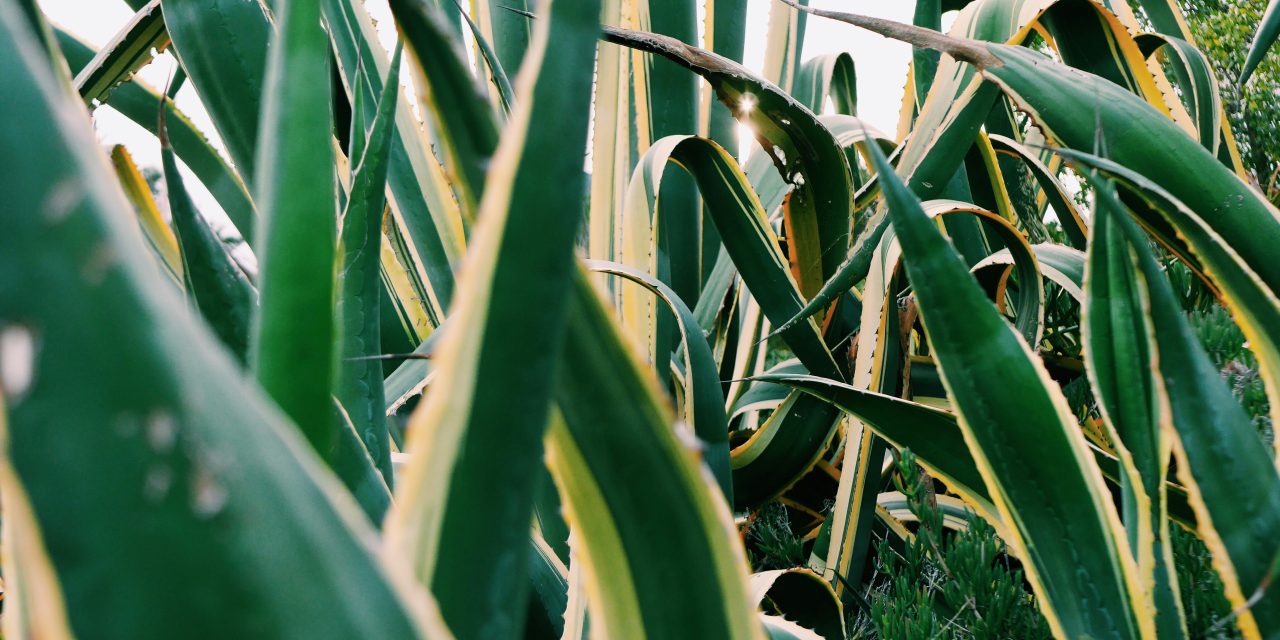
Growing snake plants (Sansevieria trifasciata), also known as mother-in-law’s tongue, from seeds can be a rewarding endeavor for indoor gardening enthusiasts. These resilient plants are renowned for their striking architectural foliage and air-purifying qualities. While many opt for propagation through leaf cuttings or offsets, starting from seeds offers a unique opportunity to cultivate a diverse range of snake plant varieties. This method requires patience and attention to detail, but the satisfaction of nurturing these hardy plants from their very beginnings is unparalleled.
The process of growing snake plants from seeds involves understanding their specific germination requirements and providing optimal conditions for growth. Unlike other houseplants that may thrive in a variety of environments, snake plants have particular needs that must be met to ensure successful germination and growth. This article will delve into the intricacies of cultivating snake plants from seeds, exploring the benefits of these plants, the ideal conditions for growth, and practical tips for overcoming common challenges.
If you’re interested in cultivating your own snake plants from seeds, you might find it helpful to explore the importance of maintaining a clean environment for your plants. A related article discusses effective cleaning schedules that can help keep your home sparkling all year, which can also benefit your indoor gardening efforts. You can read more about it here: Top Cleaning Schedules to Keep Your Home Sparkling All Year.
Benefits of Growing Snake Plants Indoors
Snake plants are not only aesthetically pleasing but also offer numerous benefits when grown indoors. One of the most significant advantages is their ability to purify the air. According to NASA’s Clean Air Study, snake plants can effectively remove toxins such as formaldehyde, benzene, and xylene from indoor environments. This air-purifying quality makes them an excellent choice for homes, offices, and other enclosed spaces where air quality may be compromised.
In addition to their air-cleaning properties, snake plants are incredibly low-maintenance. They thrive in a variety of lighting conditions, from low light to bright indirect sunlight, making them suitable for almost any indoor setting. Their drought-resistant nature means they require minimal watering, making them ideal for busy individuals or those new to gardening. Furthermore, snake plants are known for their resilience; they can tolerate neglect and still flourish, making them a perfect choice for novice gardeners.
Understanding Snake Plant Seed Germination

Germination is a critical phase in the life cycle of any plant, and understanding the specific requirements for snake plant seeds is essential for successful cultivation. Snake plant seeds are relatively small and require specific environmental conditions to sprout. The germination process typically takes between two to three weeks, depending on factors such as temperature, humidity, and soil conditions.
For optimal germination, snake plant seeds prefer a warm environment with temperatures ranging from 70°F to 85°F (21°C to 29°C). Additionally, maintaining high humidity levels can significantly enhance germination rates. It is advisable to use a humidity dome or plastic wrap over the seed tray to create a greenhouse effect that retains moisture. Proper light exposure is also crucial; while direct sunlight can be too harsh for seedlings, bright indirect light will encourage healthy growth.
Preparing the Ideal Soil Mix for Snake Plant Seeds

The soil mix used for planting snake plant seeds plays a pivotal role in their successful germination and growth. Snake plants thrive in well-draining soil that prevents waterlogging, which can lead to root rot. A recommended soil mix consists of equal parts potting soil, perlite, and coarse sand. This combination ensures adequate drainage while retaining enough moisture for seedling development.
Before planting, it is essential to sterilize the soil mix to eliminate any pathogens or pests that could hinder seed germination. This can be achieved by baking the soil in an oven at 180°F (82°C) for about 30 minutes. Once cooled, fill seed trays or pots with the prepared soil mix, ensuring that it is lightly compacted but not overly dense. This will provide a stable foundation for the seeds while allowing for proper aeration.
If you’re interested in expanding your knowledge about snake plant seeds and their cultivation, you might find this article on pet care particularly intriguing. It discusses various aspects of maintaining a healthy environment for your pets, which can include the types of plants you choose to have around your home. For more information, you can check out the article here: why does my dog have bad breath even after dental care. Understanding the relationship between your indoor plants and pet health can help you create a safer living space for both.
Best Indoor Conditions for Snake Plant Seed Growth
Creating the ideal indoor environment for snake plant seed growth is crucial for successful cultivation. As previously mentioned, maintaining a temperature range of 70°F to 85°F (21°C to 29°C) is vital. Additionally, providing bright indirect light will promote healthy seedling development without risking sunburn or dehydration.
Humidity levels should be kept high during the germination phase. A humidity dome or plastic wrap can help retain moisture while allowing some airflow. Once seedlings emerge, it is essential to gradually acclimate them to lower humidity levels to prevent shock. Regularly monitoring soil moisture is also important; the soil should remain slightly damp but never soggy.
If you’re interested in expanding your indoor garden, you might want to explore the fascinating world of snake plant seeds. These resilient plants are not only easy to care for but also purify the air in your home. For tips on keeping your pets happy while you nurture your plants, check out this informative article on ways to keep your dog active indoors. You can find it here: ways to keep your dog happy and active indoors.
Step-by-Step Guide to Planting Snake Plant Seeds
1. **Gather Materials**: Collect snake plant seeds, a sterilized soil mix (potting soil, perlite, coarse sand), seed trays or pots, and a humidity dome or plastic wrap.
2. **Prepare Soil**: Fill seed trays or pots with the prepared soil mix, ensuring it is evenly distributed and lightly compacted.
3. **Sow Seeds**: Scatter snake plant seeds evenly across the surface of the soil mix. Lightly press them into the soil without burying them too deeply, as they require light for germination.
4. **Watering**: Mist the surface of the soil gently using a spray bottle to moisten it without saturating it.
5. **Cover**: Place a humidity dome or plastic wrap over the seed trays to maintain high humidity levels.
6. **Provide Light**: Position the trays in an area with bright indirect light.
7. **Monitor Conditions**: Regularly check temperature and humidity levels while ensuring the soil remains slightly damp.
8. **Transplanting**: Once seedlings develop several sets of true leaves and are large enough to handle, transplant them into individual pots with well-draining soil.
Watering and Care Tips for Seedlings
Proper watering and care are essential during the early stages of snake plant growth. After germination, seedlings should be watered sparingly; overwatering can lead to root rot and other complications. It is advisable to allow the top inch of soil to dry out before watering again. Using a spray bottle can help control moisture levels without overwhelming the young plants.
Fertilization should be approached with caution during the initial growth phase. A diluted liquid fertilizer can be applied every four to six weeks once seedlings have established themselves with at least two sets of true leaves. This will provide essential nutrients without overwhelming the delicate root systems.
Common Challenges When Growing Snake Plants from Seeds
While growing snake plants from seeds can be fulfilling, several challenges may arise during the process. One common issue is poor germination rates due to inadequate temperature or humidity levels. If seeds do not sprout within three weeks, it may be necessary to reassess environmental conditions and make adjustments accordingly.
Another challenge is damping-off disease, which can occur when seedlings are overwatered or when air circulation is poor. This fungal disease causes seedlings to wilt and die suddenly. To prevent damping-off, ensure proper drainage in the soil mix and avoid overcrowding seedlings in trays.
Pest infestations can also pose a threat to young snake plants. Common pests include aphids and spider mites, which can weaken seedlings if left untreated. Regularly inspecting plants and using insecticidal soap or neem oil can help manage pest populations effectively.
Top 10 Indoor Plants to Complement Your Snake Plant
1. **Pothos (Epipremnum aureum)**: A hardy trailing plant that thrives in various lighting conditions.
2. **ZZ Plant (Zamioculcas zamiifolia)**: Known for its glossy leaves and low maintenance needs.
3. **Peace Lily (Spathiphyllum spp.)**: Offers beautiful white blooms while purifying indoor air.
4. **Spider Plant (Chlorophytum comosum)**: An adaptable plant that produces “baby” offshoots.
5. **Philodendron (Philodendron spp.)**: A versatile plant that adds lush greenery.
6. **Dracaena (Dracaena spp.)**: Features striking foliage and requires minimal care.
7. **Rubber Plant (Ficus elastica)**: Known for its large leaves and air-purifying qualities.
8. **Chinese Evergreen (Aglaonema spp.)**: A colorful foliage plant that thrives in low light.
9. **Cast Iron Plant (Aspidistra elatior)**: Extremely resilient and tolerant of neglect.
10. **Boston Fern (Nephrolepis exaltata)**: Adds texture with its feathery fronds while increasing humidity.
Decorating Your Home with Snake Plants and Companion Plants
Incorporating snake plants into your home decor can enhance both aesthetics and air quality. Their upright growth habit makes them ideal for corners or as statement pieces on shelves or tabletops. Pairing snake plants with companion plants creates visual interest while promoting a healthy indoor environment.
Consider grouping snake plants with trailing varieties like pothos or spider plants in decorative pots at varying heights for an eye-catching display. Alternatively, placing them alongside flowering plants like peace lilies adds color and vibrancy to your space while maintaining air purification benefits.
Why Snake Plants Are Perfect for Indoor Gardening Enthusiasts
In conclusion, growing snake plants from seeds presents an exciting opportunity for indoor gardening enthusiasts seeking a unique challenge. With their numerous benefits—including air purification, low maintenance requirements, and resilience—snake plants are an excellent addition to any indoor garden. By understanding their specific germination needs and providing optimal care throughout their growth stages, gardeners can successfully cultivate these striking plants from seed to maturity.
Whether you choose to grow snake plants alone or incorporate them into a diverse indoor garden alongside companion plants, their versatility and beauty will undoubtedly enhance your living space while contributing positively to your indoor environment. Embrace the journey of growing snake plants from seeds and enjoy the rewards they bring to your home!
FAQs
What are snake plant seeds?
Snake plant seeds are the reproductive seeds produced by the Sansevieria plant, commonly known as the snake plant or mother-in-law’s tongue. These seeds can be used to propagate new plants, although snake plants are more commonly propagated through leaf cuttings or division.
How do you collect snake plant seeds?
To collect snake plant seeds, you need to allow the plant to flower, which typically occurs in the summer. Once the flowers have been pollinated, they will develop seed pods. When the pods turn brown and dry, you can harvest them and extract the seeds for planting.
Can snake plant seeds be planted directly in soil?
Yes, snake plant seeds can be planted directly in soil. It is recommended to use a well-draining potting mix. Plant the seeds about 1/4 inch deep and keep the soil moist but not soggy. Germination may take several weeks, so patience is essential.
What conditions are ideal for germinating snake plant seeds?
Ideal conditions for germinating snake plant seeds include warm temperatures between 70°F to 85°F (21°C to 29°C) and indirect sunlight. Maintaining humidity can also help improve germination rates, so covering the pot with plastic wrap or a humidity dome can be beneficial.
How long does it take for snake plant seeds to germinate?
Snake plant seeds typically take anywhere from 2 to 6 weeks to germinate, depending on environmental conditions such as temperature and moisture. Once germination occurs, the seedlings will grow slowly, and it may take several months before they are ready for transplanting.