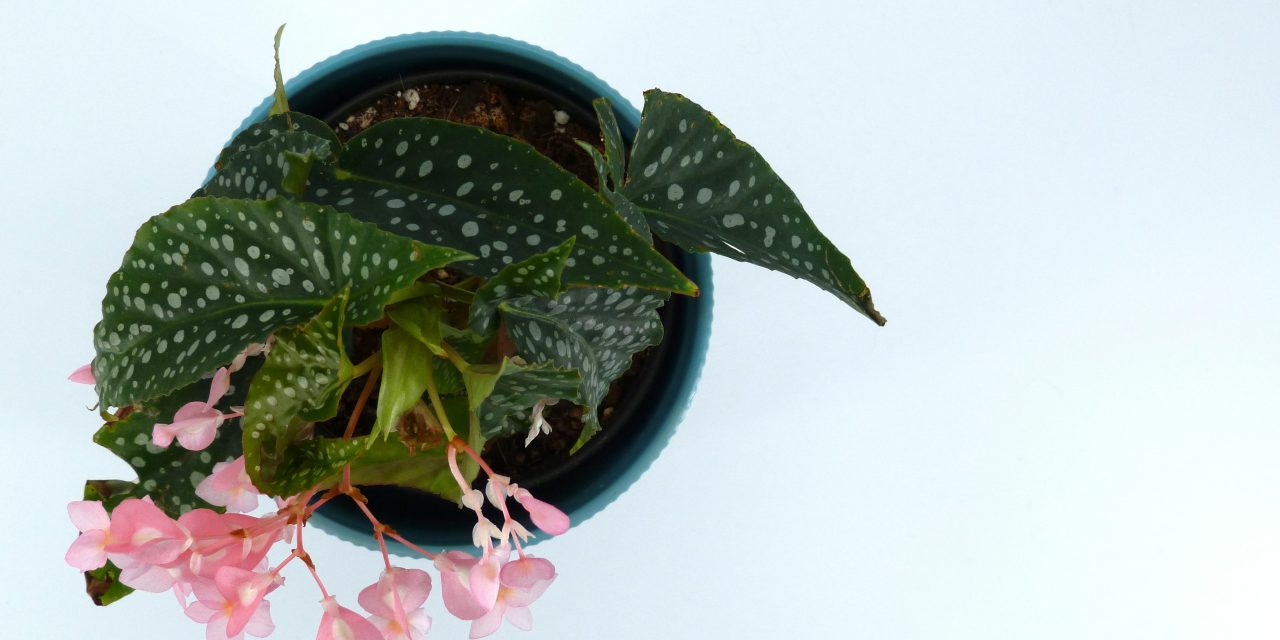
Begonias are a diverse genus of flowering plants that belong to the family Begoniaceae, comprising over 1,800 species. These captivating plants are renowned for their stunning foliage and vibrant blooms, making them an ideal choice for indoor gardening enthusiasts. Their adaptability to various indoor environments, coupled with their relatively low maintenance requirements, positions begonias as a favored option for both novice and experienced plant caretakers. With their unique leaf shapes, colors, and textures, begonias can effortlessly enhance the aesthetic appeal of any living space.
The allure of begonias extends beyond their visual charm; they also contribute to improved air quality by filtering toxins and releasing oxygen. This dual benefit makes them not only a decorative addition but also a functional one. As we delve deeper into the world of begonias, we will explore various species that stand out for their distinctive characteristics and discuss how they can transform your home decor.
If you’re looking to enhance your indoor gardening experience, particularly with begonia plants, you might find it interesting to explore how to maintain a pest-free environment in your home. A related article discusses natural methods to keep ants out of your kitchen, which can be beneficial for protecting your indoor plants as well. You can read more about it here: Natural Ways to Keep Ants Out of Your Kitchen.
Why Choose Begonias for Home Decor?
Choosing begonias for home decor offers numerous advantages that go beyond mere aesthetics. One of the primary reasons for selecting these plants is their remarkable versatility. They thrive in various lighting conditions, from bright indirect light to partial shade, allowing them to adapt to different rooms and environments. This adaptability makes them suitable for spaces such as living rooms, bedrooms, and even bathrooms.
Moreover, begonias are known for their resilience. Many species can tolerate fluctuations in humidity and temperature, making them ideal for indoor settings where conditions may not always be optimal. Their ability to bloom throughout the year adds to their appeal, providing continuous color and vibrancy to your home. Additionally, begonias are relatively pest-resistant compared to other houseplants, reducing the need for chemical treatments and making them a safer choice for households with pets and children.
Rex Begonia: The Colorful Foliage Star

Rex begonias (Begonia rex) are celebrated for their striking foliage, which features intricate patterns and a kaleidoscope of colors ranging from deep greens to vibrant reds and silvers. These plants are native to tropical regions and thrive in warm, humid environments. The leaves of Rex begonias are often asymmetrical and can grow up to 12 inches long, making them a focal point in any indoor garden.
To cultivate Rex begonias successfully, it is essential to provide them with well-draining soil and maintain consistent moisture levels without overwatering. They prefer indirect light, as direct sunlight can scorch their delicate leaves. Regular misting can help maintain humidity levels, which is crucial for their growth. With proper care, Rex begonias can flourish indoors, showcasing their stunning foliage year-round.
Angel Wing Begonia: Elegant and Graceful

Angel Wing begonias (Begonia coccinea) are characterized by their unique wing-shaped leaves that resemble angel wings. These plants are known for their elegant appearance and can produce clusters of small, tubular flowers in shades of pink or white. Angel Wing begonias are particularly popular for their ability to thrive in lower light conditions, making them suitable for dimly lit spaces.
To ensure the health of Angel Wing begonias, it is vital to provide them with well-draining potting mix and moderate watering. Allowing the top inch of soil to dry out between waterings helps prevent root rot. Additionally, these begonias benefit from regular fertilization during the growing season to promote robust growth and flowering. With their graceful form and vibrant blooms, Angel Wing begonias can add a touch of elegance to any indoor setting.
If you’re considering adding a begonia to your indoor plant collection, it’s essential to understand how to care for it properly to ensure its vibrant growth. Many plant enthusiasts often overlook the importance of pest management, which can significantly affect the health of your begonias. For insights on common pest control myths and facts that every indoor gardener should know, check out this informative article on pest control. By arming yourself with the right knowledge, you can create a thriving environment for your begonias and other houseplants.
Fibrous Begonia: Vibrant Blooms All Year Round
Fibrous begonias (Begonia semperflorens) are known for their prolific blooming habits and vibrant flowers that can brighten any indoor space. These plants produce clusters of small flowers in various colors, including red, pink, and white, creating a cheerful display throughout the year. Fibrous begonias are particularly hardy and can tolerate a range of growing conditions.
To care for fibrous begonias, it is essential to provide them with well-draining soil and moderate watering. They thrive in bright indirect light but can also adapt to partial shade. Regular deadheading of spent blooms encourages continuous flowering and promotes bushier growth. With their vibrant blooms and resilience, fibrous begonias are an excellent choice for those looking to add color to their indoor gardens.
If you’re looking to enhance your indoor garden, the begonia is a fantastic choice due to its vibrant foliage and beautiful blooms. To ensure your begonia thrives, it’s essential to understand its specific care requirements, such as light, humidity, and watering needs. For more tips on maintaining a healthy environment for your plants, you might find this article on pet grooming helpful, as it emphasizes the importance of creating a nurturing space for living beings. You can read it here: pet grooming basics.
Tuberous Begonia: Show-Stopping Flowers Indoors
Tuberous begonias (Begonia tuberhybrida) are renowned for their spectacular flowers that come in various shapes and sizes. These plants produce large, showy blooms in an array of colors, including red, pink, yellow, and white. Tuberous begonias are particularly popular for their ability to create stunning displays in pots or hanging baskets.
To cultivate tuberous begonias successfully, it is crucial to plant them in well-draining soil and provide them with bright indirect light. They prefer slightly cooler temperatures and should be watered sparingly during the dormant period in winter. Fertilizing every two weeks during the growing season promotes healthy growth and abundant flowering. With their breathtaking blooms, tuberous begonias can serve as a stunning centerpiece in any indoor space.
Rhizomatous Begonia: Unique Leaf Patterns
Rhizomatous begonias (Begonia rhizomatosa) are distinguished by their unique leaf structures that often feature intricate patterns and textures. These plants have thick rhizomes that store nutrients and water, allowing them to thrive in various conditions. Rhizomatous begonias produce small flowers that may not be as showy as other species but are complemented by their striking foliage.
To care for rhizomatous begonias, it is essential to provide them with well-draining soil and moderate humidity levels. They prefer bright indirect light but can tolerate lower light conditions as well. Regular watering is necessary to keep the soil consistently moist without becoming waterlogged. With their captivating leaf patterns and resilience, rhizomatous begonias can add a unique touch to your indoor garden.
Begonia Maculata: The Polka Dot Wonder
Begonia maculata, commonly known as the Polka Dot Begonia, is celebrated for its distinctive spotted leaves that create a striking visual effect. The leaves feature a deep green background adorned with silvery-white spots, resembling polka dots. This unique appearance makes it a favorite among plant enthusiasts looking for something different.
To ensure the health of Begonia maculata, it is essential to provide it with bright indirect light and well-draining soil. Regular watering is crucial; however, it is important to allow the top inch of soil to dry out between waterings to prevent root rot. Fertilizing every four weeks during the growing season promotes healthy growth and vibrant foliage. With its eye-catching appearance, Begonia maculata can serve as a stunning accent plant in any indoor setting.
Begonia Masoniana: The Iron Cross Beauty
Begonia masoniana, also known as the Iron Cross Begonia due to its distinctive leaf pattern resembling an iron cross, is a unique addition to any indoor garden. The leaves are thick and textured, featuring dark green backgrounds with lighter green markings that create an intriguing contrast. This species is particularly hardy and can tolerate varying light conditions.
To care for Begonia masoniana effectively, it is essential to provide it with well-draining soil and moderate humidity levels. It thrives in bright indirect light but can adapt to lower light conditions as well. Regular watering is necessary; however, allowing the top inch of soil to dry out between waterings helps prevent overwatering issues. With its striking leaf pattern and resilience, Begonia masoniana can be a standout feature in your home decor.
Begonia Erythrophylla: Glossy and Striking Leaves
Begonia erythrophylla, commonly known as the Beefsteak Begonia due to its thick, fleshy leaves resembling beefsteak cuts, is another captivating species worth considering for indoor gardening. The leaves are glossy and dark green on top while showcasing a striking red underside that adds depth to its appearance.
To cultivate Begonia erythrophylla successfully, it is crucial to provide it with well-draining soil and moderate humidity levels. This species prefers bright indirect light but can tolerate partial shade as well. Regular watering is necessary; however, allowing the top inch of soil to dry out between waterings helps prevent root rot issues. With its unique leaf structure and glossy finish, Begonia erythrophylla can serve as an eye-catching addition to your indoor plant collection.
Begonia ‘Bonfire’: Fiery and Bright Accent Plant
Begonia ‘Bonfire’ is a hybrid variety known for its fiery red foliage that adds a bold splash of color to any indoor space. The leaves have serrated edges that enhance its visual appeal while maintaining a compact growth habit suitable for smaller spaces or tabletops.
To care for Begonia ‘Bonfire,’ it is essential to provide it with well-draining soil and moderate humidity levels. This variety thrives in bright indirect light but can adapt to lower light conditions as well. Regular watering is necessary; however, allowing the top inch of soil to dry out between waterings helps prevent overwatering issues. With its vibrant foliage and compact size, Begonia ‘Bonfire’ makes an excellent accent plant for any indoor setting.
Begonia ‘Fireworks’: A Burst of Color and Texture
Begonia ‘Fireworks’ is another hybrid variety that captivates with its unique foliage featuring splashes of red and green colors reminiscent of fireworks bursting in the sky. This plant’s striking appearance makes it an excellent choice for adding visual interest to your indoor garden.
To cultivate Begonia ‘Fireworks’ successfully, it is crucial to provide it with well-draining soil and moderate humidity levels. This variety thrives in bright indirect light but can tolerate partial shade as well. Regular watering is necessary; however, allowing the top inch of soil to dry out between waterings helps prevent root rot issues. With its vibrant colors and unique texture, Begonia ‘Fireworks’ can serve as a stunning focal point in your home decor.
Care Tips to Keep Your Begonias Thriving Indoors
To ensure your begonias thrive indoors, several care tips should be followed diligently:
1. **Lighting**: Most begonias prefer bright indirect light but can adapt to lower light conditions depending on the species.
2. **Watering**: Allow the top inch of soil to dry out between waterings; overwatering can lead to root rot.
3. **Humidity**: Maintain moderate humidity levels; misting or using a humidity tray can help.
4. **Soil**: Use well-draining potting mix; consider adding perlite or sand for improved drainage.
5. **Fertilization**: Feed your begonias with a balanced liquid fertilizer every 4-6 weeks during the growing season.
6. **Pest Management**: Regularly inspect your plants for pests such as aphids or spider mites; treat infestations promptly with insecticidal soap or neem oil.
7. **Pruning**: Remove dead or yellowing leaves regularly to promote healthy growth.
By adhering to these care tips, you can ensure that your begonias remain healthy and vibrant throughout the year.
Transform Your Space with Begonias
In conclusion, begonias offer an exceptional opportunity to enhance your indoor space with their stunning foliage and vibrant blooms. With numerous species available—each possessing unique characteristics—there is a begonia suitable for every home decor style and preference. From the colorful Rex begonia to the elegant Angel Wing begonia or the show-stopping Tuberous begonia, these plants bring life and beauty into any environment.
By understanding their specific care requirements and providing them with the right conditions, you can enjoy these captivating plants year-round while reaping the benefits they offer in terms of air quality improvement and aesthetic appeal. Embrace the beauty of begonias today and transform your living space into a lush indoor garden filled with color and texture!
FAQs
What are the ideal growing conditions for a begonia indoor plant?
Begonias thrive in bright, indirect light and prefer temperatures between 65°F to 75°F (18°C to 24°C). They enjoy high humidity levels, so it’s beneficial to keep them in a humid environment or use a humidity tray. Well-draining potting soil is essential to prevent root rot.
How often should I water my begonia indoor plant?
Water your begonia when the top inch of soil feels dry to the touch. Typically, this means watering once a week, but it can vary based on humidity and temperature. Ensure that excess water drains out to avoid soggy soil.
What type of fertilizer is best for begonias?
A balanced, water-soluble fertilizer with an NPK ratio of 10-10-10 or similar is ideal for begonias. Fertilize every 4-6 weeks during the growing season (spring and summer) and reduce feeding in the fall and winter when the plant’s growth slows down.
Are begonias toxic to pets?
Yes, begonias are considered toxic to pets, particularly cats and dogs. Ingesting parts of the plant can cause irritation, vomiting, and other gastrointestinal issues. It’s best to keep them out of reach of pets.
How can I propagate a begonia indoor plant?
Begonias can be propagated through leaf cuttings or stem cuttings. For leaf cuttings, select a healthy leaf, cut it into sections, and place them in moist potting soil. For stem cuttings, cut a healthy stem just below a node, place it in water or soil, and keep it warm and humid until roots develop.