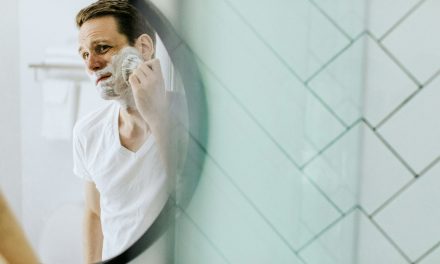
Beard irritation is a common concern among men who maintain facial hair. While many attribute discomfort to dry skin, it is crucial to recognize that irritation can stem from various underlying issues. The skin beneath the beard is sensitive and can react adversely to several factors, including environmental conditions, grooming habits, and skin conditions. Understanding the nuances of beard irritation is essential for effective management and treatment.
When irritation occurs, it may manifest as redness, itching, or discomfort. However, distinguishing between simple dryness and more serious dermatological issues is vital. Factors such as the type of beard care products used, frequency of washing, and even dietary habits can contribute to skin health. Men experiencing persistent irritation should consider these variables and seek appropriate solutions to alleviate discomfort.
If you’re experiencing beard irritation and are unsure whether it’s time to consult a dermatologist, you might find it helpful to read related articles that discuss skin care and health. For instance, understanding how diet can impact your skin can be beneficial. You can explore this topic further in the article about food preservation methods, which highlights how certain foods can affect overall health and potentially influence skin conditions. Check it out here: Top 10 Food Preservation Methods to Keep Your Meals Fresh Longer.
Persistent Redness and Inflammation: A Clear Warning Sign
Persistent redness and inflammation in the beard area can indicate an underlying dermatological condition rather than mere irritation. Conditions such as folliculitis, eczema, or psoriasis may present with these symptoms. Folliculitis, characterized by inflamed hair follicles, often results from bacterial or fungal infections and can lead to further complications if left untreated.
Inflammation can also be a response to allergens or irritants found in grooming products. Ingredients such as alcohol, fragrances, or harsh chemicals can exacerbate skin sensitivity. Identifying the source of inflammation is crucial for effective treatment. A thorough examination by a dermatologist can help determine the cause and guide appropriate interventions.
Frequent or Severe Itching That Disrupts Daily Life

Itching is a common symptom associated with beard irritation, but when it becomes frequent or severe, it can significantly disrupt daily activities. This intense itching may lead to scratching, which can further damage the skin and exacerbate inflammation. Conditions such as seborrheic dermatitis or contact dermatitis may be responsible for this persistent discomfort.
Seborrheic dermatitis is characterized by red, flaky patches and can affect areas rich in sebaceous glands, including the beard region. Treatment often involves medicated shampoos containing ketoconazole or selenium sulfide to reduce fungal growth and inflammation. For contact dermatitis, identifying and avoiding irritants is essential for symptom relief.
Unusual Bumps, Pimples, or Pustules in the Beard Area

The appearance of unusual bumps, pimples, or pustules in the beard area warrants immediate attention. These lesions may indicate folliculitis or acneiform eruptions caused by clogged pores or bacterial infections. Folliculitis presents as small red bumps around hair follicles and can be painful or itchy.
Treatment options for folliculitis include topical antibiotics such as clindamycin or benzoyl peroxide to reduce bacterial load and inflammation. In more severe cases, oral antibiotics may be necessary. Maintaining proper hygiene and avoiding tight clothing around the beard area can also help prevent recurrence.
If you’re experiencing persistent beard irritation, it might be time to consult a dermatologist to address your concerns effectively. Understanding when to seek professional help can make a significant difference in your grooming routine and overall skin health. For more insights on related topics, you might find this article on beard care particularly useful, as it offers tips that can help minimize irritation and promote a healthier appearance.
Excessive Flaking or Scaling That Doesn’t Improve
Excessive flaking or scaling beneath the beard can be indicative of several skin conditions, including psoriasis or seborrheic dermatitis. These conditions often require targeted treatment to manage symptoms effectively. Psoriasis is an autoimmune disorder that leads to rapid skin cell turnover, resulting in thick, scaly patches.
For seborrheic dermatitis, over-the-counter antifungal shampoos containing zinc pyrithione or ketoconazole can provide relief. In cases of psoriasis, topical corticosteroids or vitamin D analogs may be prescribed to reduce inflammation and scaling. Regular moisturizing is also essential to maintain skin hydration and prevent exacerbation of symptoms.
If you’re experiencing persistent beard irritation, it might be time to consult a dermatologist for professional advice. Understanding when to seek help can be crucial for maintaining healthy skin and facial hair. For further insights on related skin issues, you might find this article on what to check when your electric stove burner is not working quite interesting, as it highlights the importance of addressing problems before they escalate. Remember, taking care of your skin is just as important as troubleshooting your appliances. You can read more about it here.
Painful Razor Burn or Cuts That Won’t Heal Properly
Razor burn is a common issue for men who shave their beards but can become problematic if cuts do not heal properly. This condition often results from improper shaving techniques or using dull blades, leading to irritation and inflammation of the skin. Razor burn may present as redness, swelling, and discomfort in the shaved area.
To alleviate razor burn, it is essential to adopt proper shaving techniques, such as using a sharp blade and applying a soothing shaving cream or gel. Post-shave care should include applying an alcohol-free aftershave balm to reduce irritation. If cuts persist without healing, it may indicate an underlying infection requiring medical intervention.
Noticeable Hair Loss or Patchy Beard Growth
Hair loss or patchy growth in the beard area can be distressing for many men. Conditions such as alopecia areata may lead to sudden hair loss in patches, while other factors like hormonal imbalances or nutritional deficiencies can contribute to uneven growth patterns. Identifying the underlying cause is crucial for effective management.
Alopecia areata is an autoimmune condition that targets hair follicles, leading to hair loss in specific areas. Treatment options include corticosteroid injections to reduce inflammation and promote hair regrowth. Additionally, ensuring adequate nutrition with vitamins such as biotin and minerals like zinc can support healthy hair growth.
Signs of Infection: Pus, Swelling, or Warmth Around Hair Follicles
Signs of infection in the beard area should never be ignored. Symptoms such as pus formation, swelling, or warmth around hair follicles indicate a potential bacterial infection that requires prompt medical attention. Folliculitis is a common infection that can lead to more severe complications if not treated appropriately.
In cases of bacterial infection, oral antibiotics may be necessary to eliminate the infection effectively. Topical antiseptics can also aid in managing localized infections. Maintaining proper hygiene practices and avoiding sharing personal grooming tools can help prevent future infections.
Chronic Beard Dandruff Resistant to Over-the-Counter Treatments
Chronic dandruff in the beard area can be frustrating and embarrassing for many men. When over-the-counter treatments fail to provide relief, it may indicate an underlying condition such as seborrheic dermatitis or psoriasis that requires more intensive management strategies.
For persistent dandruff resistant to standard treatments, a dermatologist may recommend prescription-strength antifungal creams or medicated shampoos containing coal tar or salicylic acid. Regular exfoliation of the skin beneath the beard can also help remove dead skin cells and reduce flaking.
Changes in Skin Texture or Color Underneath the Beard
Changes in skin texture or color beneath the beard can signal underlying dermatological issues that require evaluation by a healthcare professional. Conditions such as eczema or vitiligo may present with altered pigmentation or texture changes that necessitate targeted treatment approaches.
Eczema often manifests as dry, itchy patches that may become inflamed over time. Treatment typically involves topical corticosteroids to reduce inflammation and moisturizers to maintain skin hydration. Vitiligo requires a different approach, focusing on repigmentation therapies or camouflage techniques to address cosmetic concerns.
When Home Remedies Fail: The Importance of Professional Diagnosis and Treatment
While many men turn to home remedies for beard irritation, persistent symptoms warrant professional evaluation and treatment. Dermatologists possess the expertise to diagnose underlying conditions accurately and recommend appropriate interventions tailored to individual needs.
Professional treatments may include prescription medications such as topical corticosteroids for inflammation or oral antibiotics for infections. Additionally, dermatologists can provide guidance on effective grooming practices and recommend suitable products that minimize irritation while promoting healthy skin beneath the beard.
In conclusion, understanding beard irritation involves recognizing various symptoms that extend beyond simple dryness. Persistent redness, itching, unusual bumps, excessive flaking, razor burn, hair loss, signs of infection, chronic dandruff, changes in skin texture or color all require careful evaluation and management strategies tailored to individual needs. Seeking professional diagnosis ensures effective treatment options are pursued for optimal skin health beneath facial hair.
FAQs
What are common causes of beard irritation?
Common causes of beard irritation include dry skin, ingrown hairs, allergic reactions to grooming products, and improper shaving techniques. Environmental factors such as weather changes and pollution can also contribute to skin irritation.
When should I see a dermatologist for beard irritation?
You should see a dermatologist if your beard irritation persists for more than a few days, worsens over time, or is accompanied by severe symptoms such as swelling, pain, or pus. Additionally, if you experience significant itching or flaking, a dermatologist can help diagnose the underlying cause.
Can beard irritation lead to other skin conditions?
Yes, untreated beard irritation can lead to other skin conditions such as folliculitis, which is an infection of the hair follicles, or dermatitis, which can cause redness and inflammation. Seeking treatment early can help prevent these complications.
What treatments might a dermatologist recommend for beard irritation?
A dermatologist may recommend treatments such as topical corticosteroids to reduce inflammation, antibiotics for infections, or medicated shampoos to address dandruff or seborrheic dermatitis. They may also suggest changes in grooming habits or products to prevent future irritation.
Are there any home remedies for beard irritation before seeing a dermatologist?
Yes, some home remedies include using a gentle cleanser, applying aloe vera or coconut oil to soothe the skin, and avoiding harsh grooming products. However, if irritation persists or worsens, it is important to consult a dermatologist for professional advice.