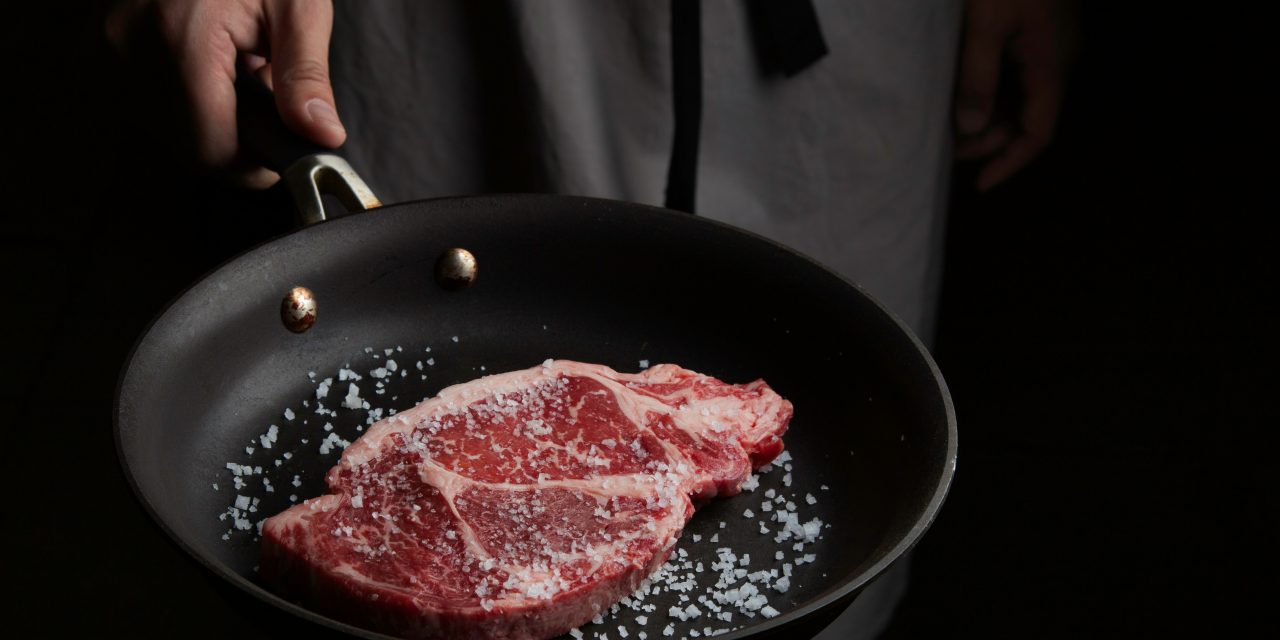
Sous vide cooking, a French term meaning “under vacuum,” has revolutionized the culinary landscape by offering a method that guarantees precision and consistency. This technique involves sealing food in a vacuum-sealed bag and immersing it in a water bath at a controlled temperature for an extended period. The result is food that is cooked evenly throughout, retaining moisture and flavor that traditional cooking methods often compromise. The science behind sous vide lies in its ability to cook food at lower temperatures than conventional methods, allowing for enhanced tenderness and juiciness.
The appeal of sous vide cooking extends beyond just the final product; it also simplifies the cooking process. With precise temperature control, chefs can achieve perfect doneness without the risk of overcooking. This method is particularly beneficial for proteins, which can easily become dry or tough when subjected to high heat. Additionally, sous vide cooking allows for the infusion of flavors, as the vacuum-sealed environment traps seasonings and marinades, enhancing the overall taste profile of the dish. As a result, sous vide has become a favorite among both home cooks and professional chefs alike.
If you’re looking to elevate your cooking skills, you might want to explore the art of sous vide cooking, which allows for precise temperature control and perfectly cooked meals every time. For a quick and delicious recipe that can complement your sous vide creations, check out this article on a simple yet satisfying dish: Easy Cheeseburger Pasta Skillet for Busy Families. This recipe is perfect for those days when you want a hearty meal without spending too much time in the kitchen.
Essential Equipment for Sous Vide Success
To embark on your sous vide journey, certain essential equipment is required to ensure optimal results. The cornerstone of sous vide cooking is an immersion circulator, which heats and circulates water to maintain a consistent temperature throughout the cooking process. Brands like Anova and Joule offer reliable models that are user-friendly and efficient. A high-quality vacuum sealer is also crucial, as it removes air from bags to prevent oxidation and freezer burn, ensuring food remains fresh and flavorful.
In addition to these primary tools, having a large container or pot for the water bath is necessary. The container should be deep enough to accommodate the immersion circulator while allowing ample space for the food bags. For those who wish to cook larger quantities or multiple items simultaneously, consider investing in a sous vide container with a lid to minimize evaporation during long cooking sessions. Lastly, a digital thermometer can be beneficial for monitoring food temperatures, especially when experimenting with various recipes.
Classic Sous Vide Steak: Juicy and Tender Every Time

One of the most celebrated applications of sous vide cooking is preparing steak. The process allows for unparalleled control over doneness, resulting in a perfectly cooked piece of meat from edge to edge. To achieve this culinary masterpiece, start by seasoning your steak generously with salt and pepper or your preferred rub. Place the seasoned steak in a vacuum-sealed bag, ensuring it is tightly sealed to prevent water from entering.
Set your immersion circulator to your desired temperature—typically between 129°F (54°C) for medium-rare and 140°F (60°C) for medium—and immerse the bag in the water bath. Cooking times can vary based on thickness; a one-inch steak typically requires about 1-2 hours, while thicker cuts may need up to 4 hours. Once cooked, remove the steak from the bag and pat it dry with paper towels. For an added layer of flavor and texture, sear the steak in a hot skillet with butter or oil for 1-2 minutes per side until a golden crust forms.
Perfectly Cooked Chicken Breast with Herbs and Garlic

Sous vide chicken breast is another dish that benefits immensely from this cooking technique. Often criticized for being dry and bland, chicken breast can be transformed into a succulent meal through sous vide preparation. Begin by seasoning the chicken breasts with salt, pepper, minced garlic, and fresh herbs such as thyme or rosemary. Place the seasoned chicken in a vacuum-sealed bag, ensuring it is airtight.
Set your immersion circulator to 145°F (63°C) and cook the chicken for 1-2 hours. This low-temperature cooking method ensures that the chicken remains juicy while achieving safe internal temperatures. After cooking, remove the chicken from the bag and sear it briefly in a hot skillet to develop a golden-brown exterior. The result is tender, flavorful chicken that can be served alongside vegetables or sliced for salads and sandwiches.
Sous vide cooking has gained popularity for its ability to deliver perfectly cooked meals with minimal effort, and if you’re looking to enhance your culinary skills, you might find this article on brushing your dog’s teeth surprisingly relevant. Just as sous vide allows for precision in cooking, maintaining your pet’s dental hygiene requires attention to detail and the right techniques. Both practices emphasize the importance of care and consistency, whether in the kitchen or when looking after your furry friend.
Sous Vide Salmon: Flaky and Flavorful in Minutes
Salmon is another protein that shines when cooked sous vide. This method preserves the delicate texture and rich flavor of the fish while preventing it from drying out. To prepare sous vide salmon, season fillets with salt, pepper, and a drizzle of olive oil or melted butter. You may also add aromatics such as lemon slices or dill for added flavor.
Set your immersion circulator to 125°F (52°C) for perfectly flaky salmon and immerse the sealed bag in the water bath for 45 minutes to 1 hour. The gentle cooking process allows the fish to retain its moisture while achieving an ideal texture. Once cooked, you can serve the salmon immediately or give it a quick sear on high heat for added color and flavor.
Sous vide cooking has gained popularity for its ability to produce perfectly cooked meals with minimal effort. If you’re interested in exploring more about the science behind this cooking method, you might find a related article on the benefits of sous vide fascinating. It delves into how precise temperature control can enhance flavors and textures in your dishes. For more insights, check out this informative piece on sous vide cooking.
Vegetables Elevated: Sous Vide Carrots with Honey Glaze
Sous vide cooking isn’t limited to proteins; vegetables also benefit from this technique by enhancing their natural flavors and textures. Carrots, in particular, become tender and sweet when cooked sous vide. Start by peeling and cutting carrots into uniform pieces before seasoning them with salt, pepper, and a drizzle of honey or maple syrup.
Set your immersion circulator to 183°F (84°C) and cook the carrots for about 1 hour. This method allows the carrots to retain their vibrant color while becoming tender without losing nutrients. After cooking, you can finish them off by sautéing in a skillet with butter for added richness or serving them directly from the bag as a healthy side dish.
Decadent Sous Vide Egg Bites for Breakfast or Brunch
Sous vide egg bites have gained popularity as a convenient breakfast option that can be customized to suit individual tastes. These creamy bites are easy to prepare and can be made ahead of time for busy mornings. To create your egg bites, whisk together eggs with cream or milk, cheese, and your choice of fillings such as spinach, bacon, or bell peppers.
Pour the mixture into small mason jars or silicone molds, leaving some space at the top for expansion during cooking. Set your immersion circulator to 172°F (78°C) and cook for about 1 hour. The result is fluffy, custard-like egg bites that are packed with flavor and perfect for on-the-go breakfasts or brunch gatherings.
Pork Tenderloin with a Savory Sous Vide Twist
Pork tenderloin is another cut that benefits from sous vide cooking due to its lean nature. This method ensures that the pork remains juicy while allowing for precise control over doneness. Begin by seasoning the pork tenderloin with salt, pepper, garlic powder, and fresh herbs like rosemary or thyme.
Set your immersion circulator to 140°F (60°C) and cook the pork tenderloin for 2-3 hours. Once cooked, remove it from the bag and sear it in a hot skillet for a few minutes on each side until browned. The result is tender pork that can be sliced into medallions and served with your favorite sauce or side dishes.
Creamy Sous Vide Mashed Potatoes: Smooth and Velvety
Mashed potatoes are a classic comfort food that can be elevated through sous vide cooking. This method allows potatoes to cook evenly while retaining their natural creaminess without excess water. Start by peeling and cutting potatoes into uniform chunks before placing them in a vacuum-sealed bag with butter, cream, salt, and pepper.
Set your immersion circulator to 194°F (90°C) and cook the potatoes for about 1-2 hours until fork-tender. Once cooked, transfer the potatoes to a mixing bowl and mash them until smooth and creamy. The result is velvety mashed potatoes that are rich in flavor and perfect as a side dish for any meal.
Dessert Delight: Sous Vide Crème Brûlée Made Easy
Sous vide cooking can even extend into dessert preparation, making it possible to create restaurant-quality crème brûlée at home without fear of curdling eggs or uneven cooking. To prepare this classic dessert, whisk together heavy cream, sugar, egg yolks, vanilla extract, and a pinch of salt until well combined.
Pour the mixture into small jars or ramekins and seal them tightly before placing them in the water bath set at 176°F (80°C). Cook for about 1 hour until set but still slightly jiggly in the center. Once cooled, sprinkle sugar on top of each custard and use a kitchen torch to caramelize it until golden brown. The result is a creamy dessert with a perfectly crisp sugar crust that will impress any guest.
Tips and Tricks to Master Sous Vide Cooking for Beginners
For those new to sous vide cooking, there are several tips that can enhance your experience and results. First, always ensure that your vacuum-sealed bags are airtight; any air left inside can lead to uneven cooking or floating bags during immersion. Additionally, consider using weights or clips to keep bags submerged in the water bath.
Experimenting with different temperatures and cooking times can yield unique textures and flavors; don’t hesitate to adjust based on personal preferences or specific recipes. Lastly, keep track of your cooking times using timers or apps designed for sous vide cooking to ensure precision every time you step into the kitchen.
In summary, sous vide cooking offers an innovative approach that guarantees consistent results across various dishes—from perfectly cooked meats to decadent desserts. By investing in essential equipment such as an immersion circulator and vacuum sealer, anyone can master this technique at home. With practice and experimentation, you can elevate your culinary skills while enjoying delicious meals prepared with precision and care.
FAQs
What is sous vide cooking?
Sous vide cooking is a method of preparing food by vacuum-sealing it in a bag and immersing it in a water bath at a precise, controlled temperature. This technique allows for even cooking and helps retain moisture and flavor, resulting in tender and perfectly cooked dishes.
What equipment do I need for sous vide cooking?
To start sous vide cooking, you will need a sous vide immersion circulator, which heats and circulates the water, a vacuum sealer or zip-top bags for sealing food, and a container or pot to hold the water. Optional accessories include a food thermometer and a blowtorch for finishing touches.
How long does it take to cook food using sous vide?
The cooking time for sous vide varies depending on the type of food and the desired doneness. For example, a steak may take 1 to 4 hours, while vegetables can take anywhere from 30 minutes to 2 hours. The low and slow cooking process allows for flexibility in timing without compromising quality.
Is sous vide cooking safe?
Yes, sous vide cooking is safe when done correctly. Cooking food at the right temperature for the appropriate amount of time kills harmful bacteria. It is important to follow food safety guidelines, such as ensuring the water bath is maintained at the correct temperature and using proper sealing techniques to prevent contamination.
Can I sous vide frozen food?
Yes, you can sous vide frozen food without thawing it first. Just add additional cooking time to ensure that the food reaches the desired temperature throughout. This method is convenient and helps preserve the quality of the food during the cooking process.