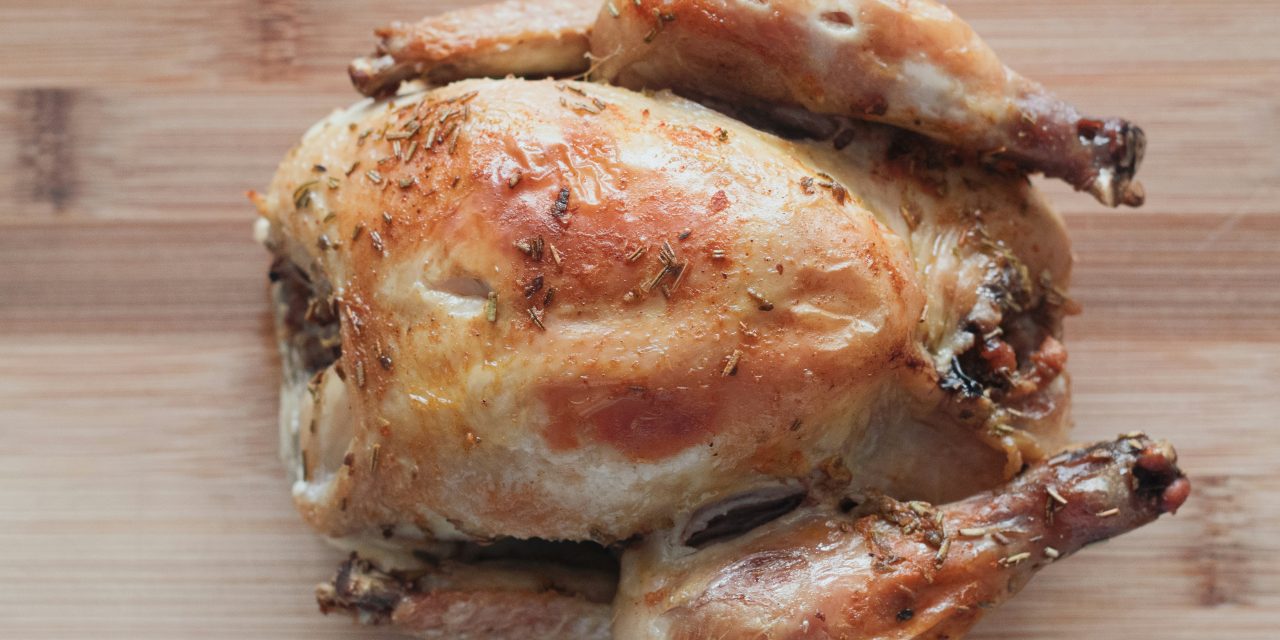
Cooked chicken is a staple in many households due to its versatility and nutritional value. However, understanding its shelf life is crucial for food safety and quality. Generally, cooked chicken can be safely stored in the refrigerator for 3 to 4 days. Beyond this timeframe, the risk of bacterial growth increases significantly, leading to potential foodborne illnesses. The primary pathogens associated with poultry include Salmonella and Campylobacter, which can proliferate if the meat is not handled or stored correctly.
The shelf life of cooked chicken can be influenced by several factors, including the cooking method, initial temperature, and storage conditions. For instance, chicken that has been grilled or roasted may have a slightly longer shelf life compared to boiled chicken due to the lower moisture content. Additionally, if the chicken was cooked to an internal temperature of 165°F (74°C) and cooled promptly, it is more likely to remain safe for consumption within the recommended timeframe.
When considering the shelf life of cooked chicken, it’s important to understand how proper storage can impact food safety. For more insights on food preparation and safety, you might find this article on making fluffy pancakes from scratch helpful, as it emphasizes the importance of using fresh ingredients and proper cooking techniques. You can read it here: How to Make Fluffy Pancakes from Scratch.
Proper Cooling Techniques for Cooked Chicken
Cooling cooked chicken properly is essential to minimize the risk of bacterial growth. The USDA recommends the “two-hour rule,” which states that cooked chicken should be refrigerated within two hours of cooking. If the ambient temperature exceeds 90°F (32°C), this window shortens to just one hour. To expedite cooling, it is advisable to cut the chicken into smaller portions or shred it before placing it in the refrigerator. This increases surface area and allows heat to dissipate more rapidly.
Another effective technique involves using an ice bath. By placing the container of cooked chicken in a larger bowl filled with ice and water, the temperature can be lowered quickly and safely. This method is particularly useful for larger quantities of chicken, ensuring that it cools evenly and reduces the risk of bacterial proliferation.
Optimal Storage Containers to Preserve Freshness

Choosing the right storage containers is vital for maintaining the freshness and quality of cooked chicken. Airtight containers made from glass or BPA-free plastic are ideal as they prevent air exposure, which can lead to freezer burn or spoilage. Vacuum-sealed bags are another excellent option, as they remove excess air and create a tight seal around the food.
When storing cooked chicken, it is important to ensure that containers are clean and dry before use. Additionally, avoid overfilling containers, as this can trap moisture and promote bacterial growth. For longer storage periods, consider using freezer-safe containers or heavy-duty aluminum foil to protect against freezer burn while preserving flavor and texture.
Refrigeration Temperature Guidelines

Maintaining proper refrigeration temperatures is crucial for food safety. The USDA recommends keeping your refrigerator at or below 40°F (4°C) to inhibit bacterial growth effectively. It is advisable to use an appliance thermometer to monitor the temperature regularly, ensuring that it remains within safe limits.
In addition to monitoring the refrigerator’s temperature, it is essential to avoid overcrowding shelves. Proper air circulation helps maintain consistent temperatures throughout the appliance. When storing cooked chicken, place it on a shelf rather than in the door, as temperatures can fluctuate more in this area due to frequent opening and closing.
When it comes to ensuring food safety, understanding the shelf life of cooked chicken is crucial for preventing foodborne illnesses. For those interested in learning more about how to properly store and handle cooked chicken, you might find this informative article on dog sitting adventures particularly useful, as it highlights the importance of maintaining a clean environment for both pets and food. You can read more about it here.
Freezing Cooked Chicken Correctly
Freezing cooked chicken is an excellent way to extend its shelf life beyond the refrigerator’s limits. When freezing, ensure that the chicken is cooled completely before placing it in the freezer. This prevents condensation from forming inside the packaging, which can lead to ice crystals and affect texture upon thawing.
For optimal results, wrap cooked chicken tightly in plastic wrap or aluminum foil before placing it in a freezer-safe container or bag. Label each package with the date of freezing to keep track of storage time. Cooked chicken can be safely frozen for up to four months without significant loss of quality; however, it remains safe indefinitely if kept at 0°F (-18°C).
When considering the shelf life of cooked chicken, it’s essential to understand proper storage methods to ensure food safety. For those interested in enhancing their culinary skills, you might find useful tips in a related article about gardening, which can help you grow your own herbs and vegetables to pair with your meals. You can read more about it here. Properly storing cooked chicken not only extends its freshness but also complements the flavors of homegrown produce.
Avoiding Cross-Contamination in Storage
Cross-contamination poses a significant risk when storing cooked chicken alongside other foods. To mitigate this risk, always store cooked chicken on a separate shelf or in a designated container away from raw meats and other perishable items. This practice prevents juices from raw foods from contaminating cooked products.
Additionally, ensure that utensils and surfaces used for handling raw chicken are thoroughly cleaned before coming into contact with cooked chicken. Using separate cutting boards for raw and cooked foods can further reduce the risk of cross-contamination, promoting safer food handling practices in your kitchen.
Labeling and Dating Cooked Chicken
Labeling and dating cooked chicken is an essential practice that aids in food safety management. By clearly marking containers with the date of preparation or freezing, you can easily track how long the chicken has been stored. This practice helps prevent consuming spoiled food and reduces waste by allowing you to prioritize older items.
Using waterproof markers or labels designed for food storage ensures that information remains legible even when exposed to moisture or condensation. Additionally, consider implementing a first-in-first-out (FIFO) system in your refrigerator or freezer, where older items are placed at the front for easy access.
Reheating Cooked Chicken Safely
Reheating cooked chicken requires careful attention to ensure that it reaches a safe internal temperature of 165°F (74°C) before consumption. This temperature effectively kills any bacteria that may have developed during storage. The most effective methods for reheating include using an oven, stovetop, or microwave.
When using an oven, preheat it to 350°F (175°C) and place the chicken in an oven-safe dish covered with foil to retain moisture. For stovetop reheating, add a small amount of broth or water to prevent drying out while heating over medium heat until warmed through. If using a microwave, cover the dish with a microwave-safe lid or wrap to ensure even heating while preventing splatters.
Signs of Spoilage to Watch For
Recognizing signs of spoilage is crucial for ensuring food safety when consuming cooked chicken. Common indicators include an off-putting odor, slimy texture, or discoloration on the surface of the meat. If any of these signs are present, it is best to err on the side of caution and discard the chicken.
Additionally, if cooked chicken has been stored beyond its recommended timeframe—3 to 4 days in the refrigerator or four months in the freezer—it should not be consumed regardless of its appearance or smell. Always prioritize safety over potential waste when assessing food quality.
Using Leftover Cooked Chicken Creatively
Leftover cooked chicken offers endless culinary possibilities that can help reduce food waste while providing delicious meals. One popular option is to shred or dice the chicken and incorporate it into salads, sandwiches, or wraps for added protein and flavor. Chicken can also be used as a topping for pizzas or mixed into pasta dishes for a hearty meal.
For those looking for comfort food options, consider making soups or casseroles featuring leftover chicken as a primary ingredient. These dishes not only utilize leftover meat but also allow for creativity with various vegetables and seasonings, making them both nutritious and satisfying.
Best Practices for Transporting Cooked Chicken
Transporting cooked chicken requires careful consideration to maintain food safety during transit. When packing cooked chicken for picnics or gatherings, use insulated containers that retain heat or cold as needed. If transporting hot chicken, ensure that it remains above 140°F (60°C) until served.
For cold dishes such as salads containing cooked chicken, pack them with ice packs or gel packs to keep them at safe temperatures below 40°F (4°C). Avoid leaving cooked chicken out at room temperature for extended periods; instead, aim to serve it promptly upon arrival at your destination.
In summary, understanding how to handle cooked chicken safely is essential for maintaining its quality and preventing foodborne illnesses. By implementing proper cooling techniques, utilizing optimal storage containers, adhering to refrigeration guidelines, and recognizing signs of spoilage, you can enjoy delicious meals while minimizing waste and ensuring safety in your kitchen practices.
FAQs
What is the shelf life of cooked chicken in the refrigerator?
Cooked chicken can be safely stored in the refrigerator for 3 to 4 days. It should be kept in an airtight container or tightly wrapped to maintain its quality and prevent contamination.
How long can cooked chicken be stored in the freezer?
Cooked chicken can be stored in the freezer for up to 4 months. For best quality, it should be placed in a freezer-safe container or wrapped tightly in plastic wrap and aluminum foil to prevent freezer burn.
What are the signs that cooked chicken has gone bad?
Signs that cooked chicken has gone bad include an off smell, a slimy texture, discoloration, or the presence of mold. If any of these signs are present, it is best to discard the chicken to avoid foodborne illness.
Can cooked chicken be reheated after being stored?
Yes, cooked chicken can be reheated after being stored in the refrigerator or freezer. It should be heated to an internal temperature of 165°F (74°C) to ensure it is safe to eat.
Is it safe to eat cooked chicken after the expiration date?
While cooked chicken may still be safe to eat shortly after the expiration date if it has been stored properly, it is important to check for any signs of spoilage. If in doubt, it is safer to discard it to avoid health risks.