Indoor plants have gained immense popularity in recent years, and for good reason. They not only enhance the aesthetic appeal of living spaces but also contribute significantly to the overall well-being of individuals. Research indicates that indoor greenery can improve air quality by filtering toxins, increase humidity levels, and even boost mood and productivity. The presence of plants has been linked to reduced stress levels, enhanced concentration, and a greater sense of tranquility.
Moreover, incorporating plants into your home or office environment can foster a connection with nature, which is often lacking in urban settings. This biophilic design approach promotes mental health and emotional stability. With a plethora of options available, selecting the right indoor plants can transform any space into a vibrant oasis. In this article, we will explore various popular indoor plants, their unique characteristics, and how to care for them effectively.
If you’re looking to enhance your indoor space with vibrant greenery, the coleus plant is a fantastic choice due to its colorful foliage and ease of care. For more insights on maintaining a healthy indoor environment, you might find this article on pest control helpful, particularly regarding common household issues: Signs of Mice in Walls, Attics, and Kitchen Cabinets. Keeping your home pest-free will ensure that your coleus and other indoor plants thrive beautifully.
Coleus: A Colorful Foliage Favorite
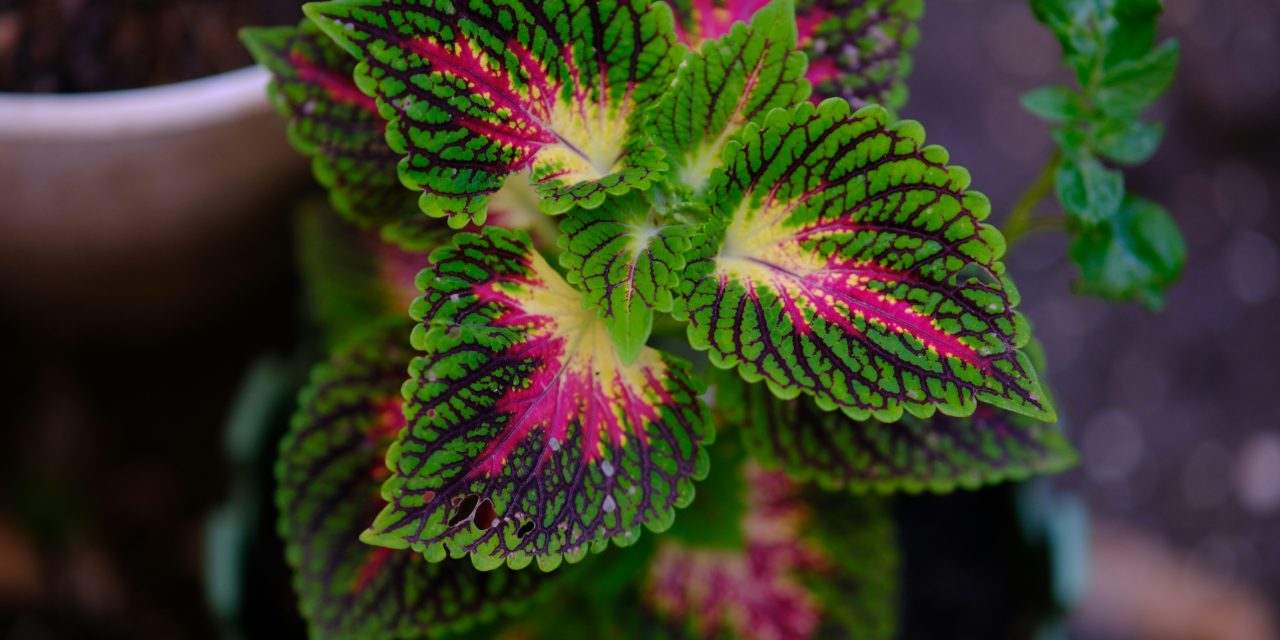
Coleus (Solenostemon scutellarioides) is renowned for its vibrant foliage that comes in an array of colors, including deep reds, bright yellows, and rich greens. This plant is particularly favored for its ability to thrive in various lighting conditions, making it an excellent choice for both beginners and seasoned plant enthusiasts. Coleus plants can grow up to 3 feet tall and are often used as decorative accents in homes and offices.
One of the most appealing aspects of coleus is its versatility. It can be grown in pots, hanging baskets, or even as part of a mixed container garden. To ensure optimal growth, coleus requires well-draining soil and regular watering, allowing the top inch of soil to dry out between waterings. Additionally, pinching back the tips of the stems encourages bushier growth and enhances its overall appearance.
Snake Plant: The Low-Maintenance Air Purifier

The snake plant (Sansevieria trifasciata), also known as mother-in-law’s tongue, is celebrated for its striking architectural form and remarkable air-purifying qualities. This hardy succulent is characterized by its long, upright leaves that can reach heights of up to 4 feet. Snake plants are particularly adept at removing toxins such as formaldehyde and benzene from the air, making them an ideal choice for bedrooms and living areas.
One of the key advantages of the snake plant is its low-maintenance nature. It thrives in a variety of lighting conditions, from low light to bright indirect sunlight, and requires minimal watering—typically only when the soil has completely dried out. This resilience makes it an excellent option for individuals who may not have a green thumb or those with busy lifestyles. To promote healthy growth, it is advisable to repot the snake plant every couple of years to refresh the soil and provide additional nutrients.
Monstera Deliciosa: The Iconic Swiss Cheese Plant

Monstera deliciosa, commonly referred to as the Swiss cheese plant due to its unique leaf perforations, has become a staple in contemporary interior design. This tropical plant can grow quite large, reaching heights of up to 10 feet in optimal conditions. Its dramatic foliage adds a touch of exotic flair to any space, making it a favorite among plant lovers and decorators alike.
Caring for a monstera involves providing it with bright, indirect light and maintaining consistent moisture in the soil without overwatering. These plants thrive in humid environments, so misting the leaves or placing a humidifier nearby can enhance their growth. Additionally, monstera plants benefit from occasional fertilization during the growing season to support their vigorous growth. With proper care, this stunning plant can become a focal point in any room.
If you’re looking to enhance your indoor gardening experience, you might find it interesting to explore the benefits of the coleus plant, known for its vibrant foliage and easy care requirements. For more insights on how to cultivate a thriving indoor garden, check out this informative article on indoor plants, which offers tips and tricks for keeping your green companions healthy and flourishing.
Peace Lily: Elegant and Easy to Grow
The peace lily (Spathiphyllum spp.) is celebrated for its elegant white blooms and glossy green leaves. This plant is not only visually appealing but also boasts impressive air-purifying capabilities, effectively removing harmful pollutants from indoor environments. Peace lilies are relatively easy to care for, making them an excellent choice for novice gardeners.
To thrive, peace lilies prefer low to medium indirect light and should be watered when the top inch of soil feels dry. Overwatering can lead to root rot, so it is essential to ensure proper drainage. Additionally, peace lilies benefit from occasional fertilization during the growing season to promote blooming. With their graceful appearance and air-cleaning properties, peace lilies are a perfect addition to homes and offices alike.
If you’re interested in enhancing your indoor gardening skills, you might find it helpful to explore tips on maintaining the health of your plants. For instance, a related article that offers practical advice is available at 7 tips to brown ground beef perfectly without drying it out. This resource can provide insights that, while focused on cooking, can inspire you to think creatively about nurturing your coleus and other indoor plants.
Spider Plant: A Hardy and Adaptable Choice
The spider plant (Chlorophytum comosum) is known for its resilience and adaptability, making it an ideal choice for both beginners and experienced plant enthusiasts. Characterized by its arching green leaves with white stripes, this plant produces small “baby” spiderettes that can be propagated easily. Spider plants are particularly effective at removing indoor air pollutants such as formaldehyde and xylene.
Caring for spider plants is straightforward; they thrive in bright indirect light but can also tolerate lower light conditions. Regular watering is essential, allowing the soil to dry out slightly between waterings. Spider plants are also forgiving if you occasionally forget to water them. To encourage healthy growth and propagation, consider repotting every couple of years or when the plant becomes root-bound.
Pothos: The Versatile Vine for Any Space
Pothos (Epipremnum aureum), often referred to as devil’s ivy or golden pothos, is a versatile vine that can adapt to various indoor environments. Its heart-shaped leaves come in shades of green and variegated patterns, adding visual interest to any space. Pothos is renowned for its air-purifying abilities and is particularly effective at removing indoor toxins such as formaldehyde.
This low-maintenance plant thrives in a range of lighting conditions but prefers bright indirect light for optimal growth. Pothos can be grown in hanging baskets or trained to climb trellises or poles. Watering should be done when the top inch of soil feels dry; overwatering can lead to root rot. Regular pruning encourages bushier growth and prevents leggy stems.
ZZ Plant: Glossy Leaves with Minimal Care
The ZZ plant (Zamioculcas zamiifolia) has gained popularity due to its striking glossy leaves and remarkable resilience in low-light conditions. This drought-tolerant plant can survive with minimal water and thrives on neglect, making it an excellent choice for busy individuals or those new to gardening.
ZZ plants prefer well-draining soil and should be watered sparingly—typically every few weeks—allowing the soil to dry out completely between waterings. They can tolerate low light but will flourish in bright indirect light. Fertilization is not necessary but can be done during the growing season if desired. With its unique appearance and low-maintenance requirements, the ZZ plant is an attractive addition to any indoor space.
Fiddle Leaf Fig: A Bold Statement Plant
The fiddle leaf fig (Ficus lyrata) has become synonymous with modern interior design due to its large, dramatic leaves that can reach up to 18 inches in length. This striking plant serves as a bold statement piece in any room and has garnered a dedicated following among plant enthusiasts.
Caring for a fiddle leaf fig requires attention to detail; it thrives in bright indirect light and prefers consistent moisture without being waterlogged. Regularly rotating the plant ensures even growth on all sides. Fertilizing during the growing season promotes healthy foliage development. However, it’s essential to monitor for pests such as spider mites or scale insects that may affect its health.
Aloe Vera: Beauty and Medicinal Uses Combined
Aloe vera (Aloe barbadensis miller) is not only a popular houseplant but also revered for its medicinal properties. The gel extracted from its leaves has been used for centuries for its soothing effects on burns, cuts, and skin irritations. Aloe vera’s succulent leaves store water, making it an easy-to-care-for option that thrives on neglect.
This plant prefers bright indirect sunlight and well-draining soil; watering should be done sparingly—typically every two to three weeks—allowing the soil to dry out completely between waterings. Aloe vera benefits from occasional fertilization during the growing season but does not require frequent feeding. With its dual purpose as both an ornamental plant and a natural remedy, aloe vera is a valuable addition to any indoor garden.
How to Care for Your Indoor Plants to Keep Them Thriving
To ensure your indoor plants flourish, it’s essential to understand their specific care requirements. Here are some general tips that apply across various species:
1. **Lighting**: Assess the light conditions in your space before selecting plants; some thrive in bright light while others prefer low-light environments.
2. **Watering**: Overwatering is one of the most common mistakes; always check soil moisture before watering.
3. **Humidity**: Many tropical plants benefit from higher humidity levels; consider using a humidifier or misting leaves regularly.
4. **Soil**: Use well-draining potting mixes tailored to specific plant needs; repotting every couple of years refreshes nutrients.
5. **Fertilization**: During the growing season (spring and summer), provide appropriate fertilizers based on individual plant requirements.
6. **Pest Management**: Regularly inspect plants for pests; early detection allows for effective treatment before infestations occur.
By following these guidelines and understanding each plant’s unique needs, you can create a thriving indoor garden that enhances your living space while promoting health and well-being.
In summary, indoor plants offer numerous benefits ranging from improved air quality to enhanced aesthetics in living spaces. Popular choices such as coleus, snake plants, monstera deliciosa, peace lilies, spider plants, pothos, ZZ plants, fiddle leaf figs, and aloe vera each bring unique characteristics that cater to various preferences and care levels. By understanding their specific needs and implementing effective care strategies, anyone can cultivate a flourishing indoor garden that contributes positively to their environment.
FAQs
What are the ideal light conditions for growing coleus indoors?
Coleus plants thrive in bright, indirect sunlight. They can tolerate some direct sunlight, especially in the morning, but too much direct sun can scorch their leaves. A spot near a window with filtered light is ideal for maintaining vibrant foliage.
How often should I water my indoor coleus plant?
Indoor coleus plants prefer to be kept consistently moist but not soggy. Water them when the top inch of soil feels dry to the touch. Typically, this means watering once a week, but frequency may vary based on humidity and temperature conditions in your home.
What type of soil is best for coleus plants?
Coleus plants do best in well-draining potting soil that retains some moisture. A mix designed for houseplants or a combination of potting soil with perlite or vermiculite works well to ensure proper drainage and aeration.
Can coleus plants be propagated indoors?
Yes, coleus plants can be easily propagated indoors through stem cuttings. Simply cut a healthy stem just below a leaf node, remove the lower leaves, and place the cutting in water or directly into moist soil. Roots will typically develop within a few weeks.
Are coleus plants toxic to pets?
Coleus plants are generally considered non-toxic to pets, including cats and dogs. However, ingestion of any plant material can cause mild gastrointestinal upset, so it’s best to keep them out of reach of curious pets.