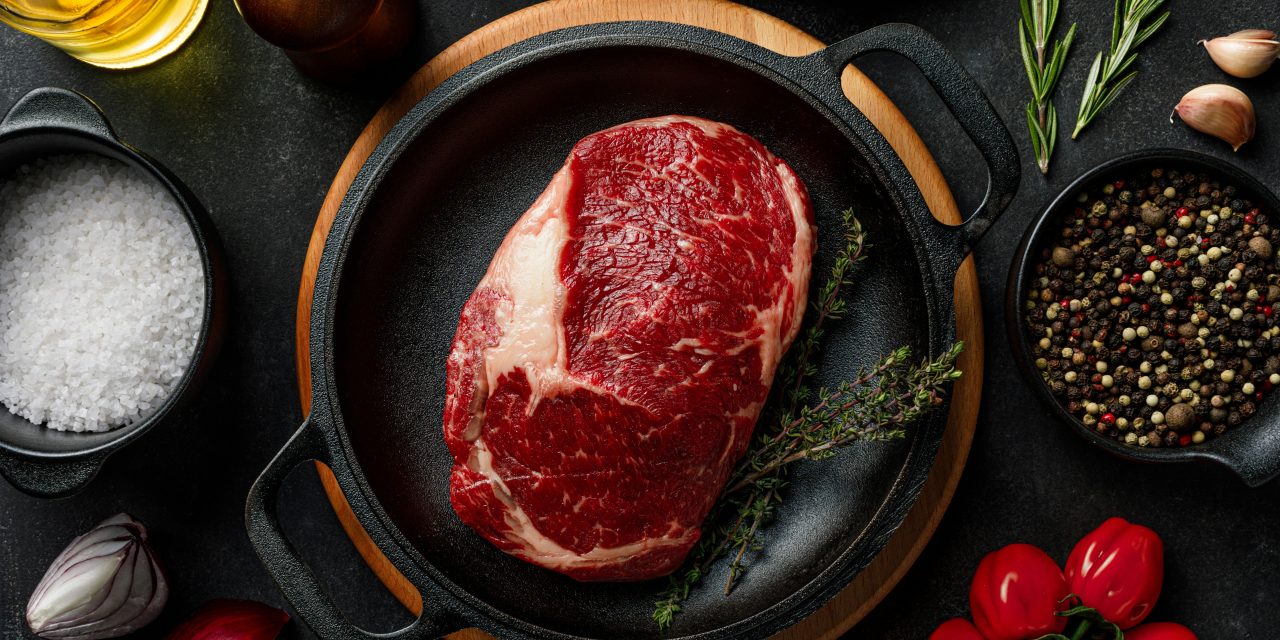
When embarking on the culinary journey of roasting sirloin, selecting the appropriate cut is paramount. Sirloin is a versatile section of beef that can be divided into several sub-cuts, each offering unique textures and flavors. The two most popular cuts for roasting are the top sirloin and the bottom sirloin. The top sirloin is known for its tenderness and rich flavor, making it an excellent choice for roasting. It is well-marbled, which contributes to its juiciness and enhances the overall taste profile. Conversely, the bottom sirloin, while slightly less tender, offers a robust flavor that can be appealing when prepared correctly.
In addition to these primary cuts, one might also consider the sirloin tip, which is technically part of the round but often grouped with sirloin due to its similar characteristics. This cut is leaner and may require additional care during cooking to prevent it from becoming tough. When selecting your sirloin, look for cuts with a bright red color and a good amount of marbling. The presence of intramuscular fat is crucial as it melts during cooking, imparting flavor and moisture to the meat.
If you’re looking to elevate your culinary skills, roasting sirloin is a fantastic technique to master. Not only does it yield a tender and flavorful cut of meat, but it also allows for a variety of seasoning and side dish pairings. For those interested in enhancing their cooking repertoire, you might find this article on quick and easy fixes for everyday problems, such as a squeaky car door hinge, quite interesting as it highlights the importance of maintenance in both cooking and daily life. Check it out here: Top 7 Ways to Fix a Squeaky Car Door Hinge Quickly & Easily.
Preparing Your Sirloin: Trimming and Seasoning Tips
Preparation is key to achieving a succulent roast. Begin by trimming any excess fat from the sirloin, as this can lead to flare-ups during cooking and may result in an overly greasy final product. However, it is essential to leave some fat intact, as it contributes to flavor and moisture retention. Use a sharp knife to carefully remove any silver skin or sinew, which can be tough and chewy if left on.
Once trimmed, seasoning your sirloin is the next critical step. A simple yet effective approach involves using kosher salt and freshly cracked black pepper. Generously season the meat on all sides at least 30 minutes before roasting to allow the salt to penetrate and enhance the flavor. For those looking to elevate their seasoning game, consider incorporating garlic powder, onion powder, or fresh herbs such as rosemary or thyme. A dry rub can also be applied for added depth; combine spices like paprika, cumin, and brown sugar for a sweet and smoky crust.
The Importance of Bringing Your Meat to Room Temperature

One often overlooked aspect of roasting meat is allowing it to come to room temperature before cooking. This step is crucial for achieving even doneness throughout the roast. When meat is cold from refrigeration, the exterior cooks faster than the interior, leading to a gradient of doneness that can result in an overcooked exterior and an undercooked center.
To bring your sirloin to room temperature, remove it from the refrigerator about 30-60 minutes prior to roasting. This practice not only promotes even cooking but also enhances the overall flavor and texture of the meat. As the proteins relax at room temperature, they become more tender during cooking, resulting in a juicier final product.
Selecting the Perfect Marinade to Enhance Flavor

Marinating sirloin can significantly enhance its flavor profile while also tenderizing the meat. A well-crafted marinade typically consists of an acid (such as vinegar or citrus juice), oil, and various seasonings or aromatics. The acid helps break down tough muscle fibers, while oil adds moisture and richness.
For a classic marinade, consider combining red wine vinegar with olive oil, minced garlic, fresh herbs like thyme or rosemary, and a touch of Dijon mustard for depth. Allow your sirloin to marinate for at least 2 hours, but ideally overnight in the refrigerator for maximum flavor infusion. Be cautious not to marinate for too long; excessive acidity can lead to a mushy texture.
Roasting sirloin is a fantastic way to bring out the rich flavors of this cut of beef, and if you’re looking to enhance your culinary skills further, you might find this article on home repairs quite interesting. While it may seem unrelated, knowing how to maintain your kitchen environment, such as fixing a torn window screen to keep pests away, can make your cooking experience more enjoyable. For tips on that, check out this helpful guide on repairing a torn window screen.
Mastering Oven Temperatures for Even Roasting
Understanding oven temperatures is vital for achieving perfectly roasted sirloin. Preheat your oven to a high temperature of around 450°F (232°C) initially; this will help create a beautiful crust on the outside of the meat. After searing the exterior for about 15-20 minutes, reduce the temperature to 325°F (163°C) to allow for gentle cooking throughout.
Using this two-step method not only enhances flavor through caramelization but also ensures that the interior reaches your desired level of doneness without overcooking the exterior. It’s essential to monitor your roast closely during this process; using an oven thermometer can help maintain accuracy in temperature settings.
Roasting sirloin can be a delightful culinary experience, especially when you know the right techniques to enhance its flavor and tenderness. For those looking to elevate their cooking skills, exploring various methods and tips can be incredibly beneficial. One such resource is an article that offers smart tips for organizing your kitchen space, which can ultimately make your cooking process more efficient. You can check it out here. By creating an organized environment, you can focus more on perfecting your sirloin roast and less on the clutter around you.
Using a Meat Thermometer to Achieve Perfect Doneness
A meat thermometer is an indispensable tool in achieving perfectly cooked sirloin. Relying solely on cooking times can lead to inconsistencies due to variations in oven performance and meat thickness. Instead, invest in a reliable instant-read thermometer or a probe thermometer that can remain in the meat while it cooks.
For optimal results, aim for an internal temperature of 130°F (54°C) for medium-rare, 140°F (60°C) for medium, and 150°F (65°C) for medium-well. Remember that the meat will continue to cook slightly after being removed from the oven due to residual heat; this phenomenon is known as carryover cooking. Therefore, it’s advisable to remove your sirloin from the oven when it’s about 5°F (3°C) below your target temperature.
Resting Your Sirloin: Why It’s Crucial for Juiciness
Resting your roasted sirloin is a critical step that should never be overlooked. After removing the meat from the oven, allow it to rest on a cutting board or platter for at least 15-20 minutes before slicing. This resting period enables the juices within the meat to redistribute evenly throughout, preventing them from spilling out when cut.
If you slice into your sirloin immediately after cooking, you risk losing valuable moisture that contributes to juiciness and flavor. During resting, the muscle fibers relax and reabsorb some of the juices that may have been expelled during cooking. Covering the roast loosely with aluminum foil can help retain warmth while allowing steam to escape.
Creating a Flavorful Pan Sauce from Roasting Juices
One of the most rewarding aspects of roasting sirloin is transforming the flavorful drippings into a delectable pan sauce. After resting your roast, transfer it to a cutting board and pour off excess fat from the roasting pan, leaving behind about one tablespoon of fat along with any browned bits stuck to the bottom.
Place the pan over medium heat on the stovetop and deglaze with red wine or beef broth, scraping up those flavorful bits with a wooden spoon. Allow the liquid to reduce by half before adding a pat of butter for richness and finishing with fresh herbs or a splash of balsamic vinegar for acidity. This simple yet elegant sauce can elevate your roasted sirloin experience significantly.
Alternative Cooking Methods: Reverse Searing and Sous Vide
While traditional roasting methods yield excellent results, alternative cooking techniques such as reverse searing and sous vide offer unique advantages worth exploring. Reverse searing involves cooking the sirloin at a low temperature in the oven until it reaches near your desired doneness before finishing it off with a quick sear in a hot skillet or grill. This method ensures even cooking throughout while developing a beautifully caramelized crust.
Sous vide cooking involves vacuum-sealing your sirloin and immersing it in a water bath at a precise temperature for an extended period. This technique guarantees consistent doneness throughout while retaining moisture and tenderness. After sous vide cooking, a quick sear on high heat creates an appealing crust without compromising juiciness.
Pairing Roasted Sirloin with Complementary Side Dishes
The right side dishes can elevate your roasted sirloin meal from ordinary to extraordinary. Classic accompaniments include creamy mashed potatoes or roasted vegetables such as Brussels sprouts or carrots drizzled with balsamic glaze. For a lighter option, consider serving your roast alongside a fresh arugula salad topped with shaved Parmesan and lemon vinaigrette.
Grains such as quinoa or farro can also provide a hearty base that complements the richness of sirloin beautifully. Additionally, consider incorporating sauces or condiments like chimichurri or horseradish cream for added flavor contrast that enhances each bite.
Storing and Reheating Leftover Roasted Sirloin for Maximum Taste
Proper storage techniques are essential for maintaining the quality of leftover roasted sirloin. Allow any remaining meat to cool completely before wrapping it tightly in plastic wrap or aluminum foil and placing it in an airtight container. Stored correctly in the refrigerator, leftover sirloin can last up to three days.
When reheating, aim to preserve moisture by using low heat in either an oven or microwave. For oven reheating, preheat to 250°F (121°C) and place the sliced meat on a baking sheet covered with foil until warmed through—this method helps prevent drying out. Alternatively, if using a microwave, cover with a damp paper towel to retain moisture while reheating in short intervals until warmed.
In summary, mastering the art of roasting sirloin involves careful selection of cuts, meticulous preparation techniques, and understanding cooking principles such as temperature control and resting periods. By employing these strategies—from choosing quality cuts and seasoning effectively to utilizing alternative cooking methods—you can create an unforgettable dining experience centered around perfectly roasted sirloin paired with complementary sides and sauces that enhance its natural flavors while ensuring maximum enjoyment even when reheating leftovers.
FAQs
What is sirloin and how is it typically prepared?
Sirloin is a cut of beef that comes from the rear back portion of the cow, specifically from the area between the short loin and the round. It is known for its balance of flavor and tenderness. Sirloin can be prepared in various ways, including grilling, pan-searing, and roasting. Roasting is a popular method that involves cooking the meat in an oven at a high temperature to achieve a flavorful crust while keeping the inside juicy.
What temperature should sirloin be roasted at?
For roasting sirloin, it is generally recommended to preheat the oven to 425°F (220°C). This high temperature helps to sear the outside of the meat, locking in juices and flavor. The internal temperature of the sirloin should reach at least 135°F (57°C) for medium-rare, and 145°F (63°C) for medium doneness, as measured with a meat thermometer.
How long does it take to roast sirloin?
The roasting time for sirloin can vary depending on the size of the cut and the desired level of doneness. As a general guideline, a 2-inch thick sirloin roast typically takes about 20-25 minutes per pound at 425°F (220°C). It is important to use a meat thermometer to ensure the roast reaches the desired internal temperature for safety and optimal flavor.
Should sirloin be marinated before roasting?
While marinating sirloin is not strictly necessary, it can enhance the flavor and tenderness of the meat. A marinade typically consists of acidic ingredients like vinegar or citrus juice, along with herbs and spices. If marinating, it is best to do so for at least 30 minutes to a few hours before roasting, but avoid marinating for too long as it can break down the meat too much.
What are some recommended side dishes to serve with roasted sirloin?
Roasted sirloin pairs well with a variety of side dishes. Popular options include roasted vegetables, mashed potatoes, or a fresh salad. Additionally, classic accompaniments like gravy, horseradish sauce, or chimichurri can enhance the meal. Choosing sides that complement the rich flavor of the sirloin can create a well-rounded dining experience.