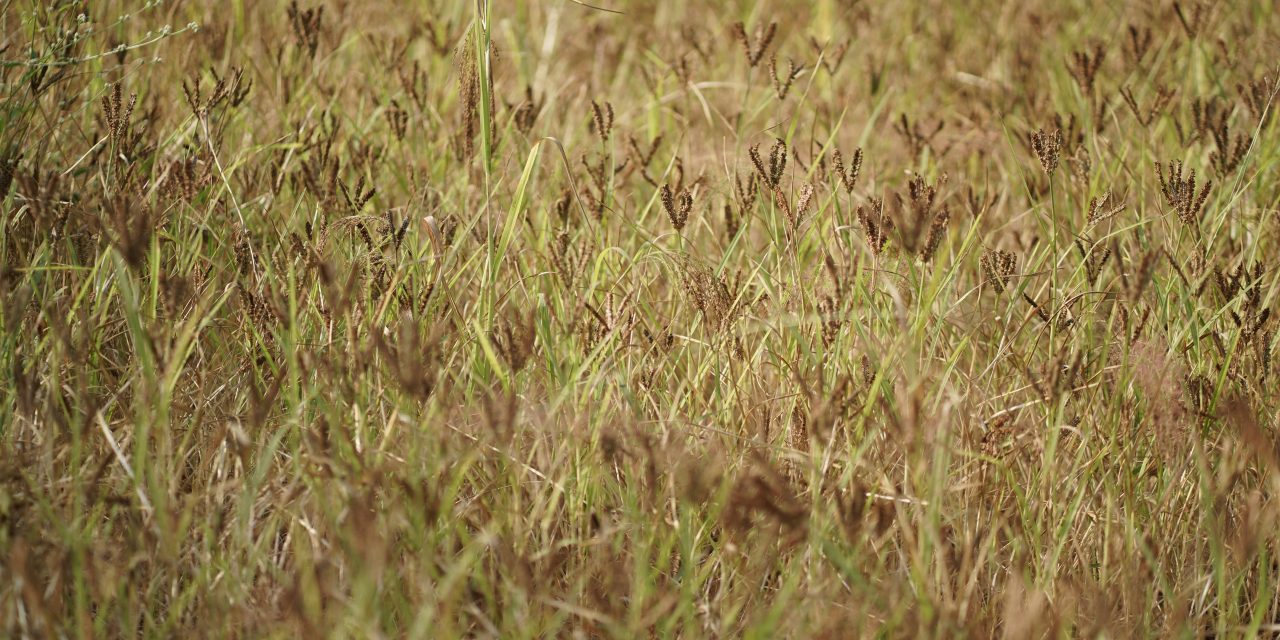
Timing is crucial when it comes to seeding your lawn in autumn. The ideal window for sowing grass seed typically falls between late summer and early fall, specifically from mid-August to mid-October, depending on your geographical location. During this period, soil temperatures remain warm enough to encourage germination while cooler air temperatures reduce stress on young seedlings. This combination creates an optimal environment for grass growth, allowing roots to establish before winter dormancy sets in.
Moreover, autumn seeding takes advantage of natural rainfall patterns, which can provide the necessary moisture for seed germination without the need for excessive irrigation. Additionally, the cooler temperatures of fall help to minimize competition from weeds, which are more prevalent in the warmer months. By seeding at the right time, homeowners can ensure a lush, green lawn that thrives in the spring.
As the leaves begin to change and the air turns crisp, many homeowners start thinking about preparing their lawns for the cooler months ahead. One essential aspect of this preparation is selecting the right autumn grass seed to ensure a lush and healthy lawn come spring. For those interested in enhancing their outdoor spaces, you might find it helpful to read a related article on dog boarding services, which can provide insights into keeping your furry friends entertained while you focus on lawn care. Check out the article here: Top 10 Dog Boarding Services for Your Furry Friends’ Staycation.
Choosing the Right Grass Seed for Fall Planting
Selecting the appropriate grass seed is paramount for achieving a healthy lawn. Cool-season grasses are typically recommended for fall planting, as they are well-suited to thrive in cooler temperatures. Varieties such as Kentucky bluegrass, perennial ryegrass, and tall fescue are popular choices due to their resilience and adaptability. Kentucky bluegrass is known for its rich color and dense growth, while perennial ryegrass germinates quickly and establishes rapidly. Tall fescue offers drought resistance and deep root systems, making it ideal for transitional zones.
When choosing grass seed, consider factors such as your local climate, sun exposure, and soil type. For instance, if your lawn receives full sun, a sun-tolerant variety like Kentucky bluegrass may be ideal. Conversely, shaded areas may benefit from a mix that includes fine fescue. Additionally, purchasing high-quality seed from reputable suppliers ensures better germination rates and reduces the likelihood of weed contamination.
Preparing Your Lawn for Autumn Seeding
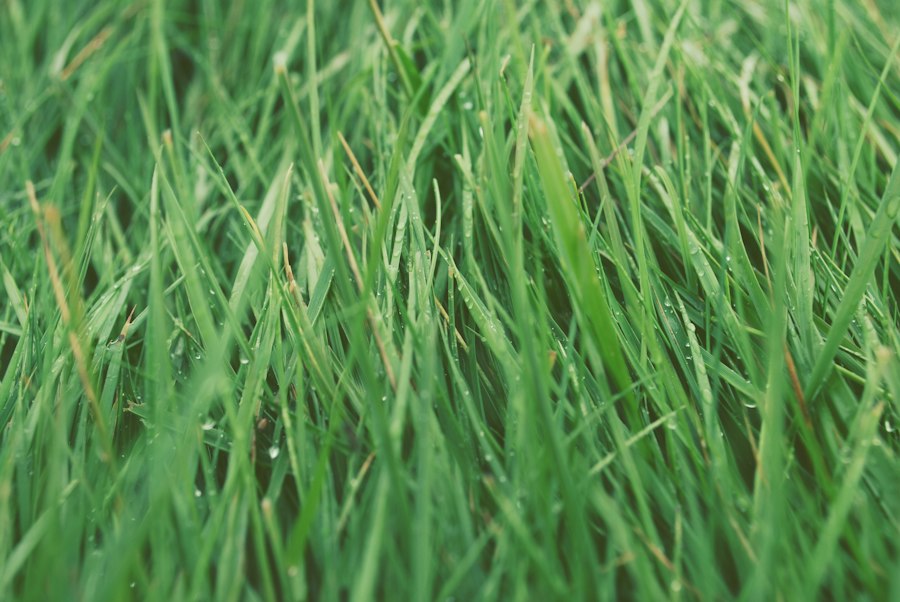
Preparation is key to successful lawn seeding in autumn. Begin by clearing the area of debris, such as leaves, sticks, and rocks, which can hinder seed-to-soil contact. Next, assess the existing grass and determine whether it needs to be removed or simply overseeded. If the lawn is sparse or unhealthy, consider using a dethatching rake to remove excess thatch and promote better seed penetration.
Soil aeration is another critical step in preparation. Aerating the soil involves perforating it with holes to allow air, water, and nutrients to penetrate deeper into the root zone. This process enhances root development and improves overall soil structure. After aeration, it’s advisable to level any uneven areas with topsoil or compost to create a smooth surface for seeding.
How to Test and Improve Soil Quality Before Seeding

Before sowing grass seed, conducting a soil test is essential for understanding its pH level and nutrient content. Soil testing kits are readily available at garden centers or through local extension services. A pH level between 6.0 and 7.0 is generally ideal for grass growth. If your soil is too acidic or alkaline, amendments such as lime or sulfur can be added to adjust the pH accordingly.
In addition to pH adjustments, improving soil quality involves incorporating organic matter such as compost or well-rotted manure. These amendments enhance soil fertility and structure while promoting beneficial microbial activity. Furthermore, ensuring proper drainage is vital; compacted soils may require aeration or the addition of sand to improve permeability.
As the leaves begin to change and the air turns crisp, it’s the perfect time to consider the benefits of autumn grass seed for your lawn. This type of seed is specially formulated to thrive in cooler temperatures, ensuring a lush green yard even as the seasons shift. For those looking to enhance their pet’s diet during this transition, you might find it interesting to explore a related article that discusses various cat food flavors that your feline will love. Check it out here for some great options to keep your furry friend happy while you work on your autumn lawn care.
Proper Seed Spreading Techniques for Even Coverage
Achieving even seed distribution is crucial for a uniform lawn appearance. There are several methods for spreading grass seed effectively. A broadcast spreader is one of the most efficient tools for this task, allowing for consistent coverage across large areas. When using a spreader, adjust the settings according to the seed type and follow a crisscross pattern to ensure even distribution.
For smaller areas or patching specific spots, hand broadcasting can be effective as well. When using this method, it’s important to maintain a steady hand and distribute seeds evenly across the surface. Regardless of the method chosen, avoid over-seeding in certain areas as this can lead to overcrowding and competition among seedlings.
As the leaves begin to change and the air turns crisp, many homeowners start to think about preparing their lawns for the colder months ahead. One important aspect of this preparation is selecting the right autumn grass seed, which can help ensure a lush and healthy lawn come spring. For those curious about maintaining a comfortable home environment during this seasonal transition, a related article discusses the reasons why one room may feel hotter or colder than the rest of the house. You can read more about it here.
Watering Tips to Promote Healthy Seed Germination
Watering plays a pivotal role in promoting successful seed germination after autumn seeding. Initially, it’s essential to keep the soil consistently moist but not saturated. Light watering sessions should be conducted multiple times a day until seeds germinate—typically within 7 to 14 days depending on the grass type and environmental conditions.
Once seedlings emerge, gradually reduce watering frequency while increasing the depth of each watering session. This encourages deeper root growth and enhances drought resistance in young grass plants. A general rule of thumb is to provide about 1 inch of water per week through rainfall or irrigation during the establishment phase.
Fertilizing Your Lawn for Optimal Fall Growth
Fertilization is an integral part of establishing a healthy lawn in autumn. Applying a starter fertilizer that is high in phosphorus promotes root development and overall plant vigor during this critical growth phase. Look for fertilizers with an N-P-K ratio that emphasizes phosphorus (the middle number), such as 10-20-10 or 5-10-5.
Timing is also important; fertilize immediately after seeding to provide essential nutrients right when seedlings need them most. Follow up with additional applications every 4-6 weeks throughout the fall season to support continued growth and prepare the lawn for winter dormancy.
Managing Weeds During the Autumn Seeding Process
Weed management is essential during the autumn seeding process to ensure that new grass has the best chance of thriving without competition. Pre-emergent herbicides can be applied before seeding to prevent weed seeds from germinating; however, caution must be exercised as many pre-emergents can also inhibit grass seed germination if applied too soon.
Post-emergent herbicides may be used once new grass has established itself; however, it’s crucial to select products that are safe for use on young grass varieties. Hand-pulling weeds can also be effective in small areas where herbicides may not be suitable.
Protecting New Grass Seed from Birds and Pests
Newly sown grass seed can attract birds and other pests that may consume or disturb it before germination occurs. To protect your investment, consider using bird netting or lightweight fabric covers over seeded areas until seedlings are established. These barriers deter birds while allowing sunlight and moisture to reach the seeds.
Additionally, employing natural deterrents such as predator decoys or reflective tape can help keep birds at bay without harming them. For ground pests like grubs or insects, applying organic pest control solutions can safeguard your newly seeded lawn from potential damage.
Mowing Guidelines After Seeding in the Fall
Mowing newly seeded grass requires careful consideration to avoid damaging young plants. It’s advisable to wait until the grass reaches a height of approximately 3 inches before mowing for the first time. This height allows sufficient leaf surface area for photosynthesis while promoting healthy root development.
When mowing, ensure that your mower blades are sharp to prevent tearing of tender grass blades. Set the mower height higher than usual during this initial phase; cutting too short can stress young grass and hinder its establishment.
Monitoring and Maintaining Your Lawn Through the Autumn Season
Once your lawn has been seeded and established, ongoing monitoring and maintenance are essential for long-term health. Regularly inspect your lawn for signs of disease or pest infestations and address any issues promptly to prevent widespread damage. Additionally, continue watering as needed based on weather conditions and soil moisture levels.
As temperatures drop towards winter, gradually reduce watering frequency while ensuring that your lawn remains adequately nourished through fertilization practices established earlier in the season. By maintaining vigilance throughout autumn, homeowners can enjoy a vibrant lawn come springtime.
In summary, successful autumn lawn seeding involves understanding timing, selecting appropriate grass types, preparing soil adequately, employing effective watering techniques, managing weeds diligently, protecting seeds from pests, and maintaining proper mowing practices post-seeding. By following these guidelines meticulously, homeowners can cultivate a lush lawn that thrives through seasonal changes and emerges beautifully in springtime.
FAQs
What is autumn grass seed?
Autumn grass seed refers to specific types of grass seeds that are best suited for planting in the fall season. These seeds are typically chosen for their ability to germinate and establish roots before the onset of winter, ensuring a healthy lawn in the spring.
Why is autumn a good time to plant grass seed?
Autumn is an ideal time to plant grass seed because the soil is still warm from summer, which promotes faster germination. Additionally, cooler air temperatures reduce stress on the young grass, and autumn rains provide adequate moisture for seed establishment.
What types of grass are best for autumn planting?
Cool-season grasses, such as Kentucky bluegrass, fescue, and ryegrass, are typically the best choices for autumn planting. These grasses thrive in cooler temperatures and can establish strong root systems before winter.
How should I prepare my lawn for autumn grass seeding?
To prepare your lawn for autumn grass seeding, start by mowing the existing grass to a shorter height, removing any debris, and aerating the soil to improve seed-to-soil contact. You may also want to test the soil pH and amend it as necessary to create optimal growing conditions.
When is the best time to sow autumn grass seed?
The best time to sow autumn grass seed is typically between late August and mid-October, depending on your geographical location. This timeframe allows the seeds to germinate and establish before the first frost, ensuring a healthy lawn come spring.