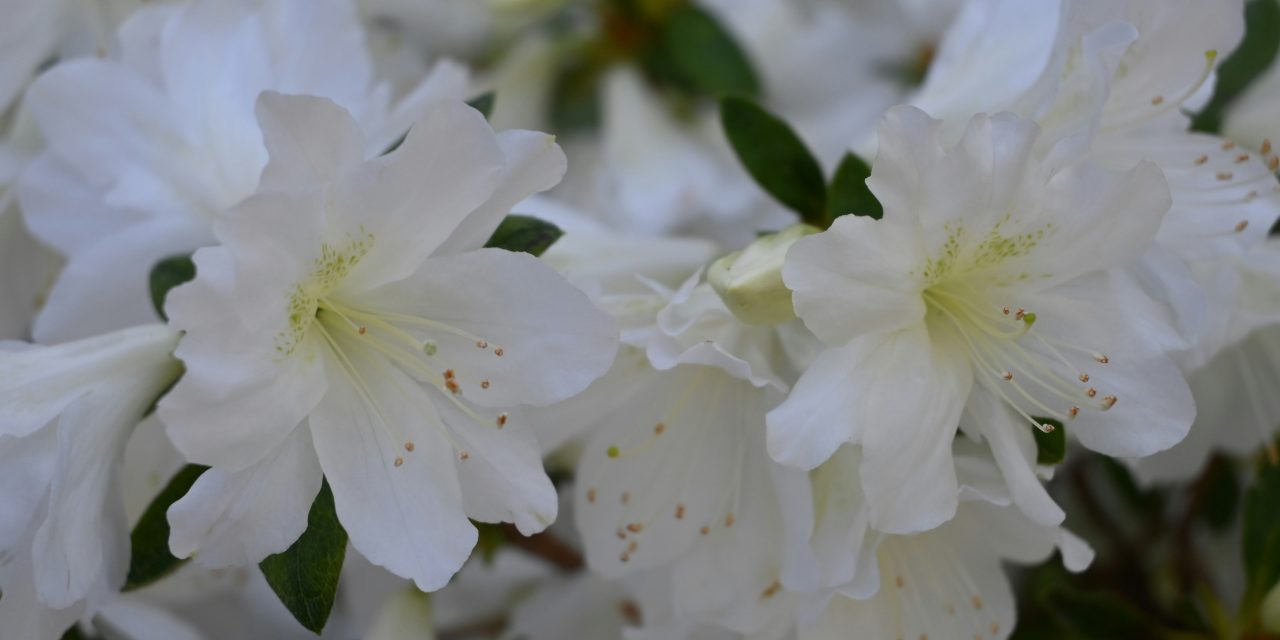
Rhododendrons, renowned for their vibrant blooms and lush foliage, are particularly susceptible to the harsh conditions of winter frost. These evergreen shrubs thrive in temperate climates but can suffer significant damage when exposed to extreme cold temperatures, especially during late winter or early spring when new growth begins to emerge. Frost can lead to desiccation, where the plant loses moisture faster than it can absorb it, resulting in wilting and browning of leaves. Additionally, frost can cause cellular damage within the plant tissues, leading to stunted growth or even death in severe cases.
The physiological impact of frost on rhododendrons is multifaceted. When temperatures drop below freezing, the water within the plant’s cells can freeze, causing ice crystals to form. This process disrupts cellular integrity and can lead to irreversible damage. Furthermore, fluctuating temperatures can exacerbate the situation; a sudden thaw followed by a freeze can catch plants off guard, leading to further stress. Understanding these dynamics is crucial for gardeners aiming to protect their rhododendrons from winter’s harsh embrace.
As winter approaches, many gardeners wonder how to care for their rhododendron bushes during the colder months. Proper winter care is essential to ensure these beautiful plants thrive in the spring. For tips on preparing and storing your garden for winter, you might find this article helpful: 7 Easy Freezer-Friendly Chili Recipes & Tips to Prepare & Store. While it primarily focuses on meal prep, the article also includes valuable insights on maintaining your garden during the winter season.
Choosing the Right Location for Planting
Selecting an appropriate location for planting rhododendrons is paramount in mitigating frost damage. Ideally, these plants should be situated in a location that offers partial shade, particularly during the hottest parts of the day. This not only helps maintain soil moisture but also protects the foliage from excessive sun exposure that can lead to dehydration during winter months. Additionally, planting rhododendrons in a sheltered area, such as near a building or under taller trees, can provide a buffer against harsh winds that exacerbate frost conditions.
Soil drainage is another critical factor when choosing a planting site. Rhododendrons prefer well-drained, acidic soils rich in organic matter. Poor drainage can lead to root rot and other complications that weaken the plant’s overall health, making it more susceptible to frost damage. Conducting a soil test prior to planting can help determine pH levels and nutrient content, allowing for necessary amendments to create an optimal growing environment.
Preparing the Soil for Winter Protection

Proper soil preparation is essential for ensuring that rhododendrons can withstand winter conditions. Before the onset of frost, it is advisable to amend the soil with organic matter such as compost or peat moss. This not only enhances soil structure but also improves moisture retention, which is vital during dry winter months. Additionally, incorporating mulch into the soil can help regulate temperature fluctuations and provide insulation against extreme cold.
Furthermore, ensuring that the soil is adequately aerated is crucial for root health. Compacted soil can hinder root development and limit access to essential nutrients and water. Utilizing tools such as a garden fork or aerator can help alleviate compaction and promote healthy root systems. By preparing the soil effectively, gardeners can create a robust foundation that supports rhododendrons through the rigors of winter.
Applying Mulch to Insulate Roots

Mulching is an effective strategy for insulating rhododendron roots against winter frost. A layer of organic mulch, such as shredded bark or pine needles, should be applied around the base of the plant after the first hard frost has occurred. This layer acts as a thermal blanket, helping to maintain consistent soil temperatures and preventing freeze-thaw cycles that can damage roots.
The recommended thickness for mulch application is approximately 2 to 4 inches. This depth provides adequate insulation while allowing moisture to penetrate the soil. It is important to keep mulch away from the plant’s stem to prevent rot and fungal diseases. Regularly checking and replenishing mulch throughout the winter months ensures continued protection against frost and desiccation.
Rhododendron bushes can be quite striking even in winter, as their evergreen foliage adds a splash of color to the otherwise bare landscape. To ensure these beautiful plants thrive during the colder months, it’s essential to understand their care requirements. For those interested in enhancing their indoor environment with vibrant greenery, you might find it helpful to explore related topics, such as the benefits of indoor plants. You can read more about this in the article on beautiful palms that can brighten your home by following this link.
Watering Strategies Before the Frost Sets In
Watering strategies play a pivotal role in preparing rhododendrons for winter frost. Prior to the onset of freezing temperatures, it is essential to ensure that plants are well-hydrated. Adequate moisture levels help maintain cellular turgor pressure, which is crucial for preventing desiccation during cold spells. Watering should be done deeply and infrequently, allowing moisture to penetrate the root zone without saturating the soil.
Timing is also critical; watering should ideally occur in late fall before the ground freezes. This practice ensures that roots have access to moisture during winter months when precipitation may be limited. Additionally, avoiding watering during periods of frost is advisable, as this can lead to ice formation around roots and increase susceptibility to cold damage.
Using Burlap or Frost Cloth for Shielding
Utilizing burlap or frost cloth as protective coverings can significantly reduce frost damage to rhododendrons during extreme cold spells. These materials provide a physical barrier against freezing temperatures while allowing air circulation and light penetration essential for plant health. When using burlap or frost cloth, it is important to secure them properly around the plant without constricting growth.
The best practice involves wrapping the burlap around the plant loosely and securing it with twine or stakes. This method allows for some movement while still providing protection from harsh winds and frost. It is advisable to remove these coverings during milder weather conditions to prevent overheating and ensure adequate light exposure.
Pruning Techniques to Minimize Damage
Pruning rhododendrons before winter sets in can help minimize potential frost damage by removing dead or diseased branches that may harbor pests or pathogens. Proper pruning techniques involve cutting back any weak or damaged growth while maintaining the overall shape of the plant. This practice not only enhances air circulation but also reduces stress on the plant during winter months.
Timing is crucial when it comes to pruning; it should be done in late summer or early fall before new growth begins to harden off for winter. Avoid heavy pruning in late fall as this can stimulate new growth that may not have time to mature before frost arrives. By employing strategic pruning techniques, gardeners can promote healthier plants better equipped to withstand winter conditions.
Avoiding Late-Season Fertilization
Late-season fertilization poses risks for rhododendrons as it can stimulate new growth that lacks sufficient time to harden off before winter sets in. Fertilizers high in nitrogen encourage lush foliage development but may leave plants vulnerable to frost damage if new shoots are not adequately prepared for cold temperatures. Therefore, it is advisable to refrain from fertilizing after mid-summer.
Instead, focus on providing balanced nutrition earlier in the growing season using slow-release fertilizers formulated specifically for acid-loving plants like rhododendrons. This approach ensures that plants receive essential nutrients without promoting excessive growth that could compromise their winter hardiness.
Creating Windbreaks to Reduce Exposure
Establishing windbreaks around rhododendron plantings can significantly reduce exposure to harsh winter winds that exacerbate frost damage. Windbreaks can be created using natural barriers such as hedges or fences, or by strategically placing boulders or other landscape features that redirect wind flow away from vulnerable plants.
When designing windbreaks, consider both height and density; taller barriers provide better protection against strong gusts while denser materials block wind more effectively. Additionally, positioning windbreaks at an angle rather than directly facing prevailing winds can enhance their effectiveness in shielding rhododendrons from cold drafts.
Monitoring Temperature and Weather Forecasts
Regularly monitoring temperature fluctuations and weather forecasts is essential for proactive rhododendron care during winter months. Utilizing local weather apps or websites allows gardeners to stay informed about impending cold snaps or frost warnings that may necessitate immediate protective measures.
In addition to monitoring forecasts, consider investing in a digital thermometer placed near your rhododendron plants to track microclimate conditions accurately. This information enables timely interventions such as applying protective coverings or adjusting watering schedules based on real-time temperature readings.
Post-Winter Care and Recovery Tips
Once winter has passed, providing proper post-winter care is crucial for helping rhododendrons recover from any potential frost damage they may have sustained. Begin by assessing each plant’s condition; look for signs of wilting leaves or damaged branches that may require pruning back to healthy tissue.
Gradually reintroduce watering as temperatures rise, ensuring that plants receive adequate moisture without over-saturating the soil. Fertilization should resume in early spring with a balanced fertilizer designed for acid-loving plants, promoting healthy growth as they emerge from dormancy.
In conclusion, protecting rhododendrons from winter frost requires a multifaceted approach encompassing site selection, soil preparation, mulching techniques, and vigilant monitoring of weather conditions. By implementing these strategies effectively, gardeners can ensure their rhododendrons thrive through even the harshest winters.
FAQ Section:
1. **What are signs of frost damage on rhododendrons?**
– Signs include wilting leaves, browning edges, and stunted growth.
2. **When should I apply mulch around my rhododendrons?**
– Mulch should be applied after the first hard frost has occurred.
3. **Can I use regular garden soil for planting rhododendrons?**
– No, rhododendrons prefer well-drained acidic soils rich in organic matter.
4. **How often should I water my rhododendrons in winter?**
– Water deeply before freezing temperatures; avoid watering during frost periods.
5. **Is burlap effective against all types of frost?**
– Yes, burlap provides insulation but should be monitored for overheating during milder weather.
6. **What type of fertilizer should I use for rhododendrons?**
– Use slow-release fertilizers formulated specifically for acid-loving plants.
7. **How do I create an effective windbreak?**
– Use natural barriers like hedges or fences positioned at an angle against prevailing winds.
8. **When is the best time to prune rhododendrons?**
– Late summer or early fall is ideal before new growth hardens off.
9. **Should I fertilize my rhododendrons in late fall?**
– No, avoid late-season fertilization as it encourages vulnerable new growth.
10. **How can I monitor temperature effectively?**
– Use local weather apps and digital thermometers placed near your plants for accurate readings.
In summary, safeguarding rhododendrons from winter frost involves strategic planning and proactive care throughout the year. By understanding their needs and implementing protective measures effectively, gardeners can enjoy healthy blooms year after year despite challenging winter conditions.
FAQs
What happens to rhododendron bushes in winter?
In winter, rhododendron bushes enter a dormant phase where their growth slows significantly. The leaves may curl or droop due to cold temperatures, but the plant is still alive and will resume growth in the spring. Some varieties may retain their leaves, while others may lose them, depending on the species and climate.
How should I care for my rhododendron bush during winter?
To care for rhododendron bushes in winter, ensure they are well-watered before the ground freezes. Mulching around the base can help insulate the roots and retain moisture. Additionally, consider wrapping the bush in burlap or using anti-desiccant sprays to protect the foliage from harsh winds and extreme cold.
Can rhododendron bushes survive extreme cold temperatures?
Yes, many rhododendron species are hardy and can survive extreme cold temperatures, particularly those that are native to colder climates. However, some tender varieties may struggle in severe conditions. It’s important to choose the right species for your climate zone to ensure winter survival.
When should I prune my rhododendron bush?
The best time to prune rhododendron bushes is after they have finished blooming, typically in late spring or early summer. Pruning in winter is not recommended as it can expose the plant to cold damage and hinder its ability to thrive in the spring.
Are there any pests or diseases that affect rhododendrons in winter?
While rhododendrons are generally resilient, they can be susceptible to pests like scale insects and diseases such as root rot during winter if conditions are overly wet. It’s important to monitor the plants and ensure proper drainage to minimize these risks.