Selecting the appropriate cut of beef is paramount when it comes to slow cooking. The ideal cuts are those that are rich in connective tissue and fat, which break down during the prolonged cooking process, resulting in tender and flavorful meat. Cuts such as chuck roast, brisket, and short ribs are particularly well-suited for this method. Chuck roast, for instance, is a well-marbled cut that becomes incredibly tender when cooked slowly, making it a favorite among culinary enthusiasts. Brisket, with its robust flavor profile, also benefits from slow cooking, allowing the fat to render and infuse the meat with moisture.
In contrast, lean cuts like sirloin or tenderloin are not recommended for slow cooking due to their low fat content. These cuts can become dry and tough when subjected to extended cooking times. Instead, opt for cuts that have a higher fat content and more connective tissue. The marbling in these cuts not only enhances flavor but also contributes to the overall juiciness of the dish. Understanding the anatomy of beef and the characteristics of various cuts will significantly elevate your slow-cooking experience.
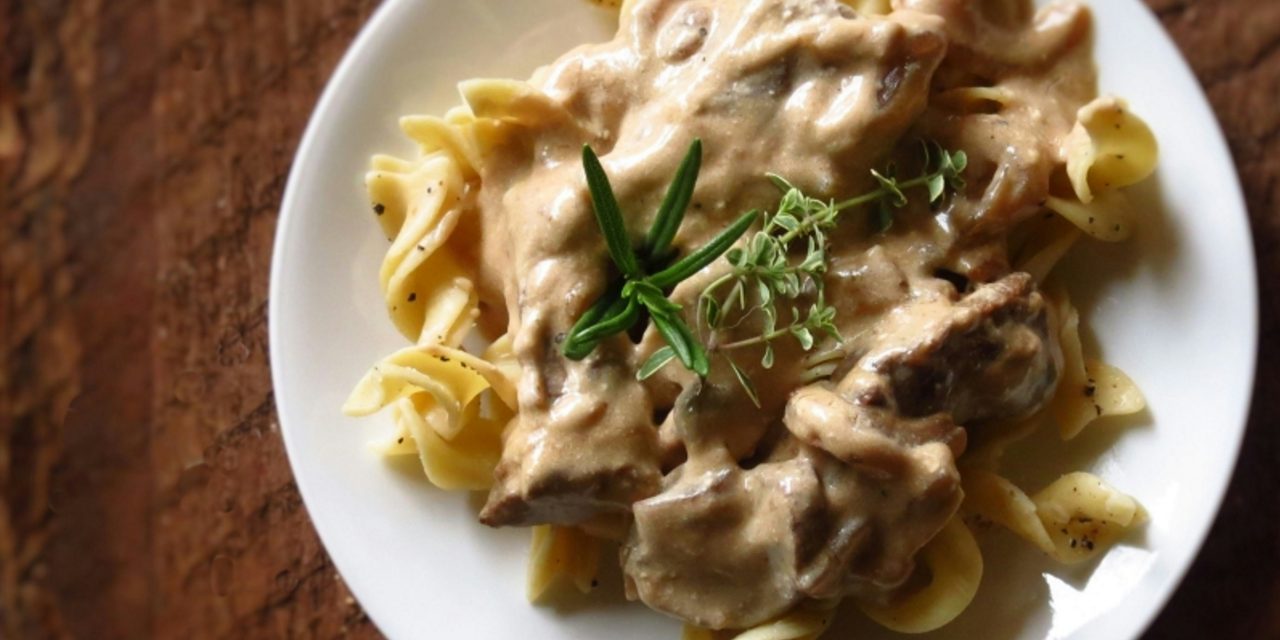
If you’re looking for a delicious and easy meal to prepare in your slow cooker, consider trying out a recipe for beef tips with gravy. This hearty dish pairs wonderfully with mashed potatoes or rice, making it a perfect comfort food option. For more tips on creating a cozy home environment while enjoying your meals, check out this related article on decluttering your space: 10 Easy Steps to Declutter One Room at a Time for a Tidy Home.
Preparing Your Beef: Trimming and Seasoning Tips
Before embarking on the slow-cooking journey, proper preparation of the beef is essential. Trimming excess fat is crucial; however, it is important to leave some fat intact as it contributes to flavor and moisture during cooking. Aim to remove any large chunks of hard fat while retaining a thin layer of fat that will melt into the meat. This balance ensures that the beef remains succulent without being overly greasy.
Seasoning is another critical aspect of preparation. A simple rub of salt and pepper can enhance the natural flavors of the beef, but consider incorporating additional spices such as garlic powder, onion powder, or smoked paprika for a more complex flavor profile. Marinating the beef overnight can also yield excellent results, allowing the flavors to penetrate deeply into the meat. For those looking to elevate their seasoning game, a blend of herbs such as thyme, rosemary, and bay leaves can add aromatic depth that complements the richness of the beef.
Browning Beef Before Slow Cooking: Why It Matters

Browning beef before placing it in the slow cooker is a technique that should not be overlooked. This process, known as the Maillard reaction, occurs when meat is seared at high temperatures, creating a rich brown crust that enhances flavor through caramelization. The resulting depth of flavor is often described as umami, which adds complexity to the final dish.
In addition to flavor enhancement, browning also contributes to the visual appeal of the dish. A beautifully seared piece of beef presents a more appetizing appearance compared to unbrowned meat. To achieve optimal browning, use a heavy-bottomed skillet over medium-high heat and ensure that the pan is adequately preheated before adding the beef. Avoid overcrowding the pan, as this can lead to steaming rather than browning. Once browned on all sides, transfer the beef to the slow cooker along with any fond (the browned bits left in the pan) for added flavor.
Layering Ingredients for Optimal Flavor Absorption

The arrangement of ingredients within the slow cooker plays a significant role in flavor absorption and overall dish quality. Begin by placing heartier vegetables such as carrots, potatoes, and onions at the bottom of the cooker. These ingredients take longer to cook and will benefit from direct contact with the heat source. Layering these vegetables first allows them to soften and release their flavors into the cooking liquid.
Next, add the browned beef on top of the vegetables. This positioning allows the juices from the meat to drip down and infuse the vegetables with flavor as they cook. Finally, pour in any liquids or sauces you plan to use, ensuring that they cover the ingredients adequately without submerging them completely. This method promotes even cooking and maximizes flavor absorption throughout the dish.
If you’re looking for a comforting meal that requires minimal effort, slow cooker beef tips with gravy are a fantastic choice. These tender bites of beef simmered in a rich gravy can be served over mashed potatoes or rice for a satisfying dinner. For those who enjoy exploring more culinary delights, you might find this article on cat boarding services interesting, as it highlights the importance of care and comfort, much like the cozy feeling a warm meal provides. You can check it out here.
Selecting the Perfect Liquid for Rich, Flavorful Gravy
The choice of liquid used in slow cooking significantly impacts the final flavor profile of your dish. While water can be used in a pinch, opting for richer alternatives such as beef broth or stock will yield a more robust gravy. Homemade broth is ideal if you have time; however, store-bought options can also provide excellent results when selected carefully.
For an added layer of complexity, consider incorporating red wine or balsamic vinegar into your liquid mixture. These ingredients not only enhance flavor but also contribute acidity that balances richness. When using wine, allow it to simmer briefly before adding it to the slow cooker to cook off some of the alcohol content while retaining its depth of flavor. Additionally, incorporating aromatics such as garlic or shallots into your liquid can further elevate your dish.
Setting the Right Temperature and Cooking Time
Achieving optimal results in slow cooking hinges on setting the correct temperature and cooking duration. Most slow cookers offer low and high settings; however, understanding when to use each is crucial for different cuts of beef. Generally, tougher cuts benefit from low-temperature cooking over an extended period—typically 8-10 hours—allowing collagen to break down and transform into gelatin.
Conversely, if you are short on time and using a more tender cut, a high setting may suffice for 4-6 hours. It is essential to monitor internal temperatures using a meat thermometer; beef should reach an internal temperature of at least 145°F (63°C) for safe consumption. However, for optimal tenderness in tougher cuts, aim for an internal temperature closer to 190°F (88°C), where collagen has fully dissolved.
Avoiding Common Slow Cooker Mistakes with Beef
While slow cooking is generally forgiving, certain pitfalls can detract from your culinary success. One common mistake is overfilling the slow cooker; exceeding its capacity can lead to uneven cooking and potential spillage. Aim to fill your slow cooker no more than two-thirds full for optimal heat circulation.
Another frequent error involves neglecting to season adequately. Under-seasoned dishes can result in bland flavors that fail to excite the palate. Always taste your dish before serving and adjust seasoning as necessary. Additionally, avoid lifting the lid during cooking; each time you do so, heat escapes and prolongs cooking time.
Using Herbs and Spices to Enhance Tenderness and Taste
Incorporating herbs and spices into your slow-cooked beef not only enhances flavor but can also contribute to tenderness through their natural properties. For instance, marjoram and thyme contain enzymes that help break down proteins in meat, promoting tenderness during cooking. Fresh herbs should be added towards the end of cooking to preserve their vibrant flavors.
Spices such as cumin or coriander can introduce warmth and depth without overpowering the dish’s essence. Experimenting with different combinations allows for personalization based on individual preferences. Additionally, consider using spice blends like garam masala or Italian seasoning for an exciting twist on traditional recipes.
How to Thicken Gravy for a Luxurious Finish
A rich gravy is often considered the crowning glory of any slow-cooked beef dish. To achieve this luxurious finish, several methods can be employed for thickening your gravy effectively. One popular technique involves creating a slurry by mixing equal parts cornstarch or flour with cold water before gradually incorporating it into your cooking liquid while stirring continuously.
Alternatively, you can remove some of the cooking liquid once your beef is done and reduce it in a saucepan over medium heat until it thickens naturally. This method intensifies flavors while achieving a velvety consistency without additional thickeners. For those seeking a gluten-free option, arrowroot powder serves as an excellent substitute for cornstarch.
Resting and Serving Your Slow Cooker Beef for Maximum Juiciness
Resting cooked beef is an essential step that should not be overlooked; it allows juices to redistribute throughout the meat fibers, resulting in maximum juiciness upon slicing. After removing your beef from the slow cooker, let it rest covered with foil for at least 15-20 minutes before carving.
When serving your dish, consider garnishing with fresh herbs or a sprinkle of coarse sea salt for added texture and visual appeal. Pairing your slow-cooked beef with complementary sides such as creamy mashed potatoes or crusty bread can elevate your meal experience further.
Storing and Reheating Leftover Slow Cooker Beef and Gravy
Proper storage techniques are vital for preserving leftover slow-cooked beef and gravy’s quality and safety. Allow any leftovers to cool completely before transferring them into airtight containers; this prevents condensation from forming inside and maintains freshness.
When reheating, opt for gentle methods such as using a stovetop or microwave at low power settings to avoid drying out the meat. Adding a splash of broth or water during reheating can help restore moisture levels while enhancing flavor.
In summary, mastering slow-cooked beef involves careful selection of cuts, meticulous preparation techniques, and an understanding of flavor dynamics through layering ingredients and seasoning effectively. By avoiding common mistakes and employing methods for enhancing tenderness and taste, you can create dishes that are not only delicious but also memorable experiences at your dining table.
FAQs
What ingredients are typically used in slow cooker beef tips with gravy?
Common ingredients for slow cooker beef tips with gravy include beef tips (such as sirloin or chuck), beef broth, onion, garlic, soy sauce, Worcestershire sauce, and various seasonings like salt, pepper, and herbs. Additionally, you may use vegetables like carrots or mushrooms for added flavor and nutrition.
How long does it take to cook beef tips in a slow cooker?
Cooking beef tips in a slow cooker typically takes about 6 to 8 hours on low heat or 3 to 4 hours on high heat. The longer cooking time allows the beef to become tender and absorb the flavors of the gravy.
Can I use frozen beef tips in a slow cooker?
It is not recommended to use frozen beef tips directly in a slow cooker, as they may not cook evenly and could remain at unsafe temperatures for too long. It is best to thaw the beef tips in the refrigerator before cooking them in the slow cooker.
What can I serve with slow cooker beef tips with gravy?
Slow cooker beef tips with gravy pairs well with a variety of sides, such as mashed potatoes, rice, egg noodles, or crusty bread. You can also serve it with steamed vegetables or a fresh salad for a balanced meal.
Can I make slow cooker beef tips with gravy ahead of time?
Yes, you can prepare slow cooker beef tips with gravy ahead of time. You can either cook the dish and store it in the refrigerator for up to 3 days or prepare the ingredients and store them in the slow cooker insert in the fridge, then cook it on the day you plan to serve it.