Sous vide cooking, a method that translates from French as “under vacuum,” has revolutionized the culinary landscape by introducing a level of precision and consistency previously unattainable through traditional cooking techniques. This innovative approach involves sealing food in vacuum-sealed bags and immersing it in a water bath at a precisely controlled temperature. The result is a culinary experience that maximizes flavor, texture, and nutritional value. By cooking food evenly and gently, sous vide allows for the development of complex flavors while ensuring that proteins remain tender and juicy.
The origins of sous vide can be traced back to the 1970s when French chefs began experimenting with vacuum-sealing techniques. However, it wasn’t until the early 2000s that this method gained popularity among home cooks, thanks to advancements in technology and the availability of affordable sous vide equipment. Today, sous vide is embraced by both professional chefs and culinary enthusiasts alike, offering an unparalleled level of control over the cooking process. Whether you’re aiming for a perfectly cooked steak or a delicate poached egg, sous vide cooking provides the tools necessary to achieve culinary perfection.
Sous vide cooking has gained popularity for its precision and ability to enhance flavors while ensuring food safety. For those interested in optimizing their culinary techniques, it’s essential to consider not only the cooking methods but also the environment in which food is prepared. A related article discusses the importance of maintaining a pest-free kitchen, which can significantly impact food quality and safety. You can read more about it here: How Often Should You Schedule Preventive Pest Control?.
Essential Equipment for Sous Vide Success
To embark on your sous vide journey, certain essential equipment is required to ensure optimal results. The cornerstone of sous vide cooking is an immersion circulator, a device that heats water to a precise temperature and circulates it for even cooking. Popular models include brands like Anova, Joule, and Sansaire, each offering varying features such as Wi-Fi connectivity and app integration for remote monitoring.
In addition to an immersion circulator, vacuum-sealable bags are crucial for sous vide cooking. These bags are designed to withstand high temperatures and prevent water from entering during the cooking process. While dedicated vacuum sealers are available, high-quality resealable bags can also be used effectively by removing as much air as possible before sealing. A large pot or container is necessary to hold the water bath, with options ranging from standard stockpots to specialized sous vide containers that offer insulation and stability.
Other helpful tools include a digital thermometer for verifying food temperatures, a pair of tongs for safely handling hot bags, and a blowtorch or broiler for finishing touches on meats. With the right equipment in hand, you can confidently explore the world of sous vide cooking.
Recipe I: Classic Sous Vide Steak with Garlic Butter

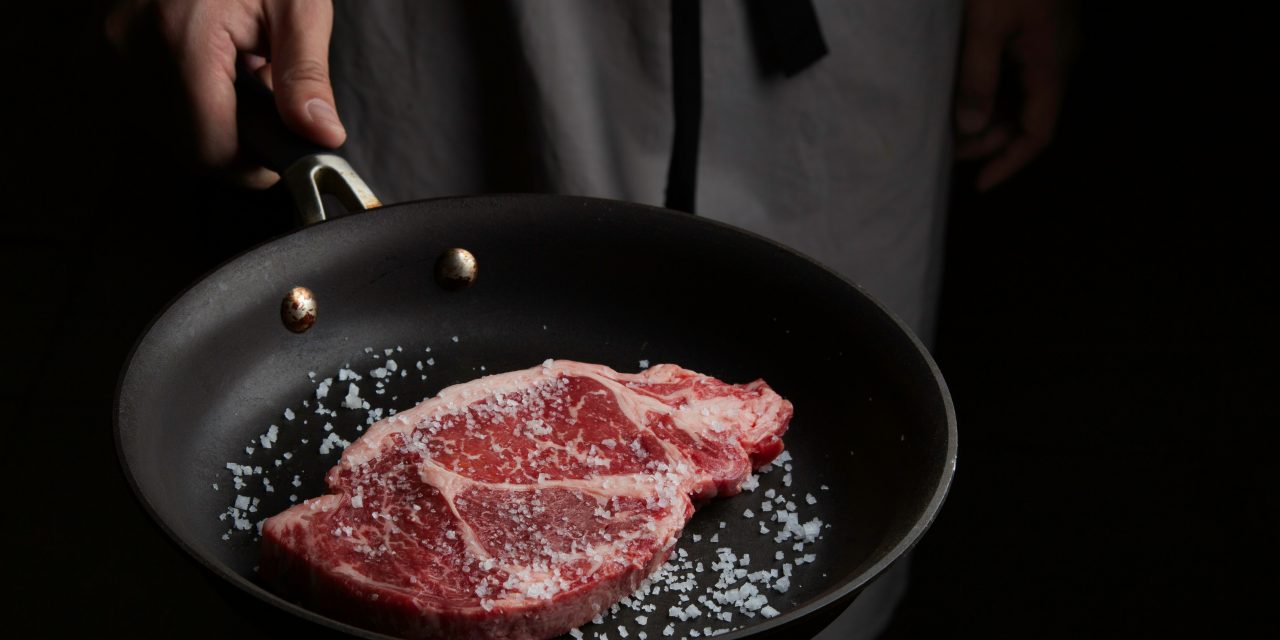
One of the most celebrated dishes in sous vide cooking is the classic steak, which showcases the method’s ability to produce perfectly cooked meat every time. To prepare this dish, start by seasoning your steak generously with salt and pepper. Place it in a vacuum-sealable bag along with a few cloves of crushed garlic and a sprig of fresh rosemary or thyme for added flavor.
Set your immersion circulator to your desired doneness temperature—typically around 129°F (54°C) for medium-rare—and immerse the sealed bag in the water bath. Cook for 1 to 4 hours, depending on the thickness of the steak. Once cooked, remove the steak from the bag and pat it dry with paper towels. This step is crucial for achieving a beautiful sear.
To finish, heat a skillet over high heat and add a tablespoon of butter. Once melted and bubbling, sear the steak for about 1 minute on each side until a golden crust forms. For an extra touch of flavor, baste the steak with the melted garlic butter during the searing process. Allow it to rest briefly before slicing and serving, ensuring that each bite is tender and bursting with flavor.
Recipe II: Tender Sous Vide Chicken Breast with Herbs

Sous vide chicken breast is renowned for its moistness and tenderness, making it an ideal choice for health-conscious diners seeking flavorful protein options. Begin by seasoning boneless, skinless chicken breasts with salt, pepper, and your choice of fresh herbs such as thyme or rosemary. Place the seasoned chicken in a vacuum-sealed bag along with a drizzle of olive oil or melted butter to enhance richness.
Set your immersion circulator to 140°F (60°C) for juicy chicken that remains succulent throughout. Cook for 1 to 2 hours in the water bath. Once finished, remove the chicken from the bag and pat dry. For added texture and flavor, quickly sear the chicken in a hot skillet for about 1 minute per side until golden brown.
Serve your sous vide chicken breast sliced over a bed of mixed greens or alongside roasted vegetables for a wholesome meal. The gentle cooking method ensures that every bite is tender and infused with aromatic herb flavors.
Sous vide cooking has gained immense popularity among home chefs and culinary enthusiasts alike, thanks to its ability to deliver perfectly cooked meals with minimal effort. For those looking to enhance their cooking skills, exploring related topics can be incredibly beneficial. One such article discusses the importance of proper training in the kitchen, which can significantly elevate your culinary experience. You can read more about this in the article on doggy daycare and training, which highlights the parallels between training pets and mastering cooking techniques. Check it out here for insights that may inspire your next sous vide adventure.
Recipe III: Juicy Sous Vide Pork Chops with Apple Glaze
Pork chops can often be dry and tough when cooked using traditional methods; however, sous vide transforms them into juicy delights. Start by seasoning thick-cut pork chops with salt, pepper, and your choice of spices such as smoked paprika or garlic powder. Place them in vacuum-sealed bags along with slices of fresh apple or apple cider for added sweetness.
Set your immersion circulator to 140°F (60°C) and cook the pork chops for 1 to 4 hours in the water bath. Once cooked, remove them from the bags and pat dry. To create an enticing glaze, combine apple juice or cider with brown sugar in a saucepan over medium heat until it thickens slightly.
Sear the pork chops in a hot skillet for about 1 minute per side until golden brown, then drizzle with the apple glaze before serving. The combination of tender pork and sweet apple creates an irresistible dish that will impress any dinner guest.
Recipe IV: Flavorful Sous Vide Salmon with Lemon Dill
Sous vide salmon is an exquisite dish that highlights the delicate flavors of fish while ensuring perfect doneness without overcooking. Begin by seasoning salmon fillets with salt, pepper, lemon zest, and fresh dill. Place them in vacuum-sealed bags along with a slice of lemon for added brightness.
Set your immersion circulator to 125°F (52°C) for tender salmon that melts in your mouth. Cook for 45 minutes to 1 hour in the water bath. Once finished, carefully remove the salmon from the bag and pat dry.
For an elegant finish, quickly sear the salmon skin-side down in a hot skillet until crispy or serve it directly from the bag with a drizzle of olive oil and additional lemon juice. This dish pairs beautifully with asparagus or quinoa salad for a light yet satisfying meal.
Recipe V: Creamy Sous Vide Mashed Potatoes
Sous vide mashed potatoes elevate this classic side dish by ensuring creamy texture without risk of overcooking. Start by peeling and cubing Yukon Gold potatoes before placing them in vacuum-sealed bags with butter, cream, salt, and pepper.
Set your immersion circulator to 194°F (90°C) and cook for 1 to 2 hours until fork-tender. Once cooked, carefully remove the potatoes from the bags and transfer them to a mixing bowl. Use a potato masher or ricer to achieve your desired consistency.
For added richness, fold in additional butter or cream before serving alongside your favorite protein dishes. The result is velvety mashed potatoes that are bursting with flavor.
Recipe VI: Perfect Sous Vide Eggs for Breakfast
Sous vide eggs are an excellent way to achieve perfectly cooked eggs every time without fear of overcooking or undercooking. To prepare sous vide eggs, simply place whole eggs (in their shells) into a water bath set at 167°F (75°C) for 13 minutes.
Once cooked, remove the eggs from the water bath and cool them briefly under cold running water before cracking them open into bowls or onto toast. The result is creamy yolks with tender whites that can be enjoyed on their own or as part of an elaborate breakfast spread.
Recipe VII: Sous Vide Vegetables with Garlic and Thyme
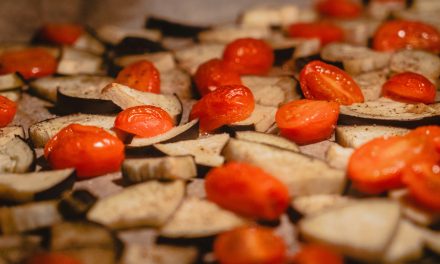
Sous vide vegetables retain their vibrant colors and nutrients while achieving perfect tenderness without losing flavor. Begin by selecting seasonal vegetables such as carrots, asparagus, or bell peppers. Season them with salt, pepper, minced garlic, and fresh thyme before placing them in vacuum-sealed bags.
Set your immersion circulator to 183°F (84°C) and cook for 45 minutes to 1 hour depending on vegetable type and size. Once cooked, remove from bags and serve immediately or quickly sauté in olive oil for added flavor.
These sous vide vegetables make an excellent side dish or can be incorporated into salads or grain bowls for added nutrition.
Recipe VIII: Decadent Sous Vide Cheesecake
Sous vide cheesecake offers an indulgent dessert option that ensures creamy texture without cracks or dryness often associated with traditional baking methods. Begin by preparing a graham cracker crust using crushed crackers mixed with melted butter pressed into individual jars or ramekins.
For the cheesecake filling, blend cream cheese with sugar, eggs, vanilla extract, and sour cream until smooth. Pour this mixture over the crusts in jars before sealing them tightly.
Set your immersion circulator to 176°F (80°C) and cook for 1 hour in the water bath. Once finished cooking, allow cheesecakes to cool before chilling in the refrigerator for several hours before serving topped with fresh fruit or chocolate sauce.
Tips and Tricks for Consistent Sous Vide Results Every Time
Achieving consistent results in sous vide cooking requires attention to detail and adherence to best practices. First and foremost, always ensure that your immersion circulator is calibrated correctly; this guarantees accurate temperature readings throughout the cooking process.
When sealing food in vacuum bags, remove as much air as possible to prevent floating during cooking; this ensures even heat distribution around all sides of the food item. Additionally, consider using weights or clips to keep bags submerged if necessary.
Experimenting with different cooking times can yield varying textures; thicker cuts may require longer cooking times while thinner cuts may need less time to achieve optimal results. Lastly, always allow proteins to rest briefly after cooking before slicing; this helps retain juices within the meat.
In summary, sous vide cooking offers unparalleled precision and consistency across various dishes—from perfectly cooked meats to decadent desserts—allowing home cooks to elevate their culinary skills effortlessly. With essential equipment at hand and an array of delicious recipes to explore, anyone can master this innovative technique while enjoying flavorful meals that impress family and friends alike.
FAQs
What is sous vide cooking?
Sous vide cooking is a method of preparing food by vacuum-sealing it in a bag and cooking it to a very precise temperature in a water bath. This technique allows for even cooking and helps retain moisture and flavor in the food.
What equipment is needed for sous vide cooking?
The essential equipment for sous vide cooking includes a sous vide immersion circulator, vacuum sealer or zip-top bags, and a container or pot to hold the water. Some people also use a blow torch for finishing touches on meats.
What types of food can be cooked using sous vide?
Sous vide cooking can be used for a wide variety of foods, including meats (like steak, chicken, and pork), vegetables, eggs, and even desserts. It is particularly popular for cooking proteins to achieve the desired doneness without overcooking.
How long does it take to cook food sous vide?
The cooking time for sous vide can vary significantly depending on the type and thickness of the food being cooked. While some items may take only 1-2 hours, others, like tougher cuts of meat, may require 24 hours or more to become tender.
Is sous vide cooking safe?
Yes, sous vide cooking is considered safe when done correctly. Cooking food at the right temperature for the appropriate amount of time can kill harmful bacteria. However, it is important to follow food safety guidelines, such as keeping food at safe temperatures and using proper sealing techniques.