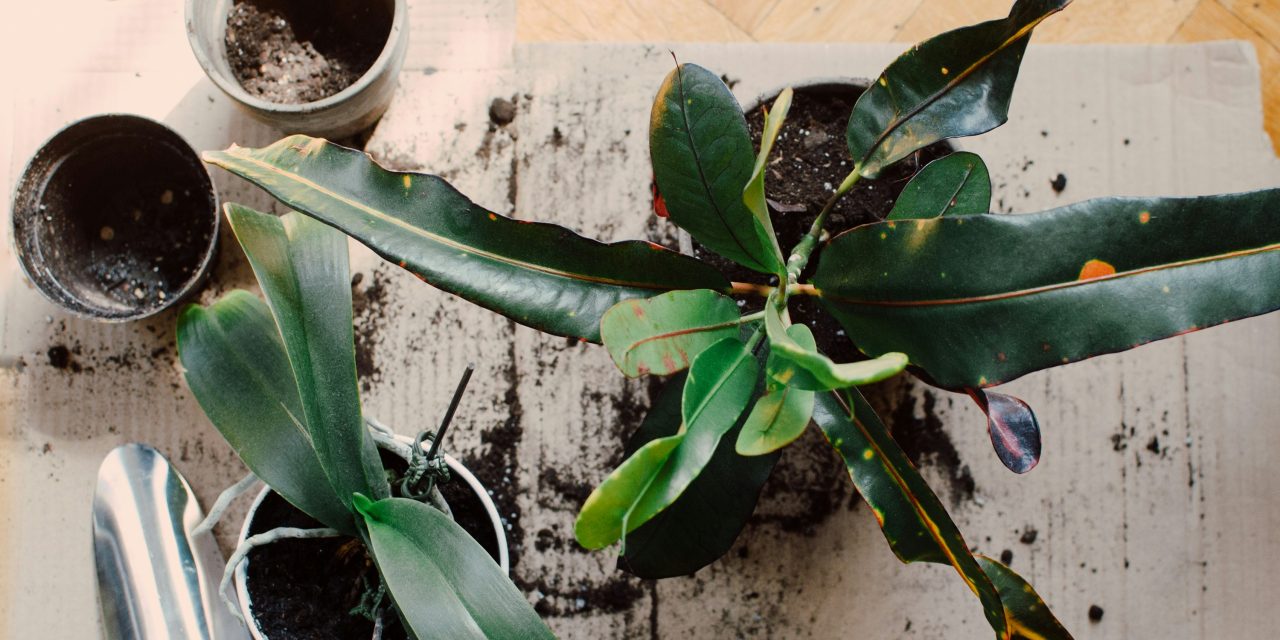
Ferns are a diverse group of vascular plants that thrive in a variety of environments, yet they share specific soil requirements that are crucial for their growth and vitality. These plants prefer a substrate that mimics their natural habitat, which typically consists of rich, organic matter found in forest floors. The ideal soil for ferns is characterized by its ability to retain moisture while providing adequate drainage. This balance is essential because ferns are sensitive to both drought and waterlogged conditions.
The pH level of the soil is another critical factor; most ferns flourish in slightly acidic to neutral pH levels, generally ranging from 5.5 to 7.0. This range allows for optimal nutrient availability and uptake. Additionally, the texture of the soil plays a significant role in root development and overall plant health. A well-aerated soil structure promotes healthy root systems, which are vital for nutrient absorption and stability. Understanding these fundamental requirements is the first step toward cultivating thriving fern specimens.
When it comes to growing ferns in pots, selecting the right soil is crucial for their health and vitality. A related article that provides insights into the best soil types for potted ferns can be found here: Best Soil for Ferns in Pots. This resource discusses the ideal soil composition, drainage requirements, and tips for maintaining the perfect moisture levels to ensure your ferns thrive in a container environment.
Importance of Drainage and Moisture Retention
Drainage and moisture retention are two pivotal aspects of soil health that directly influence fern growth. Ferns require a consistently moist environment, but they are also susceptible to root rot if their roots sit in waterlogged conditions. Therefore, the soil must be designed to facilitate excess water drainage while retaining enough moisture to keep the roots hydrated.
To achieve this delicate balance, incorporating materials that enhance drainage is essential. For instance, adding perlite or coarse sand can improve aeration and prevent compaction, allowing water to flow freely through the substrate. Conversely, organic matter such as peat moss or compost can enhance moisture retention, ensuring that the soil remains adequately hydrated without becoming overly saturated. This dual approach not only supports healthy fern growth but also minimizes the risk of fungal diseases that thrive in overly wet conditions.
Peat-Based Potting Mixes for Ferns

Peat-based potting mixes are among the most popular choices for cultivating ferns due to their excellent moisture retention properties. Peat moss is derived from decomposed sphagnum moss and is known for its ability to hold water while providing a light and airy texture. This characteristic makes it particularly suitable for ferns, which prefer consistently moist conditions without the risk of root rot.
When selecting a peat-based mix, it is crucial to ensure that it is free from additives that may harm sensitive fern roots. Many commercial mixes are formulated specifically for ferns, containing a blend of peat moss, perlite, and other organic materials that promote aeration and drainage. However, it is essential to monitor the pH levels of peat-based mixes, as they can sometimes be slightly acidic. Regular testing can help maintain an optimal environment for fern growth.
Loamy Soil Blends: Balanced Nutrients and Texture

Loamy soil blends offer a balanced combination of sand, silt, and clay, making them an excellent choice for ferns that require a nutrient-rich environment. This type of soil provides the necessary structure for root development while ensuring adequate drainage and moisture retention. The presence of organic matter in loamy soils enhances fertility, supplying essential nutrients that support healthy fern growth.
Incorporating well-rotted compost into loamy blends can further enrich the soil, providing a slow-release source of nutrients that benefits ferns over time. Additionally, loamy soils tend to have a neutral pH, making them suitable for a wide variety of fern species. When using loamy blends, it is important to monitor moisture levels closely, as they can dry out more quickly than peat-based mixes. Regular watering and mulching can help maintain consistent moisture levels.
When it comes to growing ferns in pots, choosing the right soil is crucial for their health and vibrancy. A well-draining potting mix that retains moisture without becoming waterlogged is ideal for these lush plants. For more insights on creating the perfect environment for your ferns, you might find this article on the best soil for ferns in pots particularly helpful. It offers detailed guidance on soil composition and care techniques that can enhance your fern-growing experience. You can read more about it here.
Coconut Coir: An Eco-Friendly Alternative
Coconut coir has emerged as an eco-friendly alternative to traditional peat moss in recent years. Derived from the fibrous husks of coconuts, coir is sustainable and biodegradable, making it an attractive option for environmentally conscious gardeners. Its structure allows for excellent aeration while retaining moisture effectively, which aligns well with the needs of ferns.
One of the significant advantages of coconut coir is its neutral pH level, which makes it suitable for various plant species, including ferns. Additionally, coir is resistant to compaction, ensuring that air pockets remain within the soil mix for healthy root development. When using coconut coir as a primary component in potting mixes for ferns, it can be beneficial to combine it with other organic materials such as compost or perlite to enhance nutrient content and drainage capabilities.
When it comes to growing ferns in pots, selecting the right soil is crucial for their health and vibrancy. A well-draining, organic mix that retains moisture without becoming waterlogged is ideal for these delicate plants. For more insights on maintaining the overall cleanliness and freshness of your home, you might find this article on how to wash yellowed pillows and remove sweat stains particularly helpful. By ensuring a clean environment, you can create a more welcoming space for your ferns to thrive. For more information, check out the article here.
Perlite-Enhanced Soils for Aeration
Perlite is a volcanic glass that has been heated and expanded to create lightweight particles that improve soil aeration and drainage. Incorporating perlite into potting mixes for ferns can significantly enhance root health by preventing soil compaction and allowing excess water to drain away efficiently. This is particularly important for ferns, which are prone to root rot if their roots remain submerged in waterlogged conditions.
When creating a potting mix for ferns, a common ratio involves combining equal parts of perlite with organic materials such as peat moss or coconut coir. This blend not only provides excellent aeration but also retains sufficient moisture to keep fern roots hydrated. Regularly checking the moisture levels in perlite-enhanced soils is essential, as they may dry out more quickly than denser mixes.
Compost-Enriched Potting Soil for Fertility
Compost-enriched potting soil serves as an excellent foundation for growing ferns due to its rich nutrient profile and ability to improve soil structure. Compost is created through the decomposition of organic matter, resulting in a dark, crumbly substance that enhances fertility and microbial activity within the soil. By incorporating compost into potting mixes for ferns, gardeners can provide essential nutrients that promote vigorous growth.
The slow-release nature of compost ensures that ferns receive a steady supply of nutrients over time without the risk of chemical burn associated with synthetic fertilizers. Additionally, compost improves moisture retention and aeration within the soil mix, creating an ideal environment for fern roots to thrive. When using compost-enriched potting soil, it is advisable to monitor nutrient levels regularly and adjust as needed based on the specific requirements of different fern species.
Commercial Fern-Specific Potting Mixes
For those seeking convenience and reliability, commercial fern-specific potting mixes are readily available at garden centers and online retailers. These specialized blends are formulated with the unique needs of ferns in mind, often containing a combination of peat moss, perlite, coconut coir, and other organic materials designed to promote optimal growth conditions.
When selecting a commercial mix, it is essential to read labels carefully to ensure that it does not contain harmful additives or synthetic fertilizers that could adversely affect sensitive fern roots. Many reputable brands offer mixes tailored specifically for various fern species, providing an excellent starting point for both novice and experienced gardeners alike.
DIY Soil Mix Recipes for Fern Enthusiasts
Creating your own potting mix for ferns can be a rewarding endeavor that allows you to customize the blend according to specific plant needs. A simple DIY recipe might include equal parts peat moss or coconut coir, perlite or coarse sand, and well-rotted compost. This combination provides an ideal balance of moisture retention, aeration, and nutrient availability.
Another effective recipe involves mixing two parts loamy soil with one part perlite and one part compost. This blend offers excellent drainage while ensuring that ferns receive adequate nutrients over time. Experimenting with different ratios can help you discover what works best for your specific fern species and growing conditions.
Tips for Repotting Ferns with the Right Soil
Repotting ferns requires careful consideration of soil selection to ensure successful transplantation and continued growth. When repotting, choose a pot that is slightly larger than the current one to allow room for root expansion without overwhelming the plant with excess soil volume.
Before repotting, gently remove the fern from its current container and inspect the root system for any signs of rot or damage. Trim away any unhealthy roots before placing the plant into its new pot filled with fresh potting mix tailored for ferns. Water thoroughly after repotting to help settle the soil around the roots and eliminate air pockets.
Maintaining Soil Health for Long-Lasting Fern Growth
Maintaining soil health is crucial for ensuring long-lasting growth in ferns. Regularly monitoring moisture levels is essential; overwatering can lead to root rot while underwatering can cause stress and wilting. Implementing a consistent watering schedule based on environmental conditions will help maintain optimal moisture levels.
Additionally, periodic fertilization with organic options such as diluted liquid seaweed or compost tea can provide essential nutrients without overwhelming sensitive fern roots with synthetic chemicals. Regularly checking pH levels will also help ensure that the soil remains within the ideal range for fern growth.
In summary, understanding the specific soil requirements for ferns is vital for successful cultivation. By focusing on drainage and moisture retention while utilizing various potting mixes—such as peat-based blends, loamy soils, coconut coir, perlite-enhanced options, compost-enriched soils, or commercial mixes—gardeners can create optimal environments for these delicate plants. DIY recipes allow customization based on individual needs while proper repotting techniques ensure healthy transitions between containers. Maintaining soil health through consistent monitoring and organic fertilization will support long-lasting fern growth.
### FAQ Section
1. **What type of soil do ferns prefer?**
Ferns thrive in well-draining soils rich in organic matter with a slightly acidic to neutral pH (5.5-7).
2. **Can I use regular potting soil for ferns?**
While regular potting soil may work in some cases, it’s best to use specialized mixes designed for ferns to ensure proper drainage and moisture retention.
3. **How often should I water my ferns?**
Watering frequency depends on environmental conditions; generally, keep the soil consistently moist but not soggy.
4. **What are signs of overwatering in ferns?**
Yellowing leaves, wilting stems, or mushy roots indicate overwatering; adjust your watering schedule accordingly.
5. **Is it necessary to fertilize ferns?**
Yes, periodic fertilization with organic options can enhance growth; however, avoid over-fertilizing as it may harm sensitive roots.
6. **How do I know when to repot my fern?**
Signs include roots growing out of drainage holes or stunted growth; repot every 1-2 years or when necessary.
7. **Can I use garden soil for indoor ferns?**
Garden soil may not provide adequate drainage or aeration; opt for potting mixes specifically formulated for indoor plants.
8. **What should I do if my fern’s leaves are browning?**
Browning leaves may indicate underwatering or low humidity; adjust watering practices or increase humidity levels around the plant.
9. **Are there any specific pests I should watch out for?**
Common pests include aphids and spider mites; regularly inspect your plants and treat infestations promptly with insecticidal soap if necessary.
10. **Can I propagate my fern using soil?**
Yes! Many ferns can be propagated through division; ensure each division has healthy roots before replanting in suitable soil.
By understanding these aspects of fern care and addressing common concerns through effective practices and solutions, you can cultivate lush and vibrant fern specimens in your home or garden environment.
FAQs
What type of soil is best for ferns in pots?
The best soil for ferns in pots is a well-draining, lightweight potting mix that retains moisture without becoming waterlogged. A mix containing peat moss, perlite, and pine bark is often recommended, as it provides the necessary aeration and drainage while holding enough moisture for the ferns’ needs.
Can I use regular garden soil for potted ferns?
Using regular garden soil for potted ferns is not advisable, as it can become compacted and may not drain well. This can lead to root rot and other issues. Instead, opt for a specialized potting mix designed for ferns or create your own mix that includes components like peat moss and perlite.
How often should I water ferns in pots?
Ferns in pots typically require consistent moisture, so it’s important to check the soil regularly. Water when the top inch of soil feels dry, usually every 1 to 2 weeks, depending on the humidity and temperature of your environment. Ensure that excess water can drain out to prevent soggy roots.
Do ferns need fertilizer when grown in pots?
Yes, ferns can benefit from fertilization, especially during the growing season (spring and summer). Use a diluted, balanced liquid fertilizer every 4 to 6 weeks to provide essential nutrients. However, avoid over-fertilizing, as this can harm the delicate roots of ferns.
What pH level is ideal for fern potting soil?
The ideal pH level for potting soil used for ferns is typically between 5.5 and 7.0, which is slightly acidic to neutral. This pH range helps ensure that ferns can effectively absorb nutrients from the soil. Regularly testing the soil pH can help maintain optimal conditions for growth.