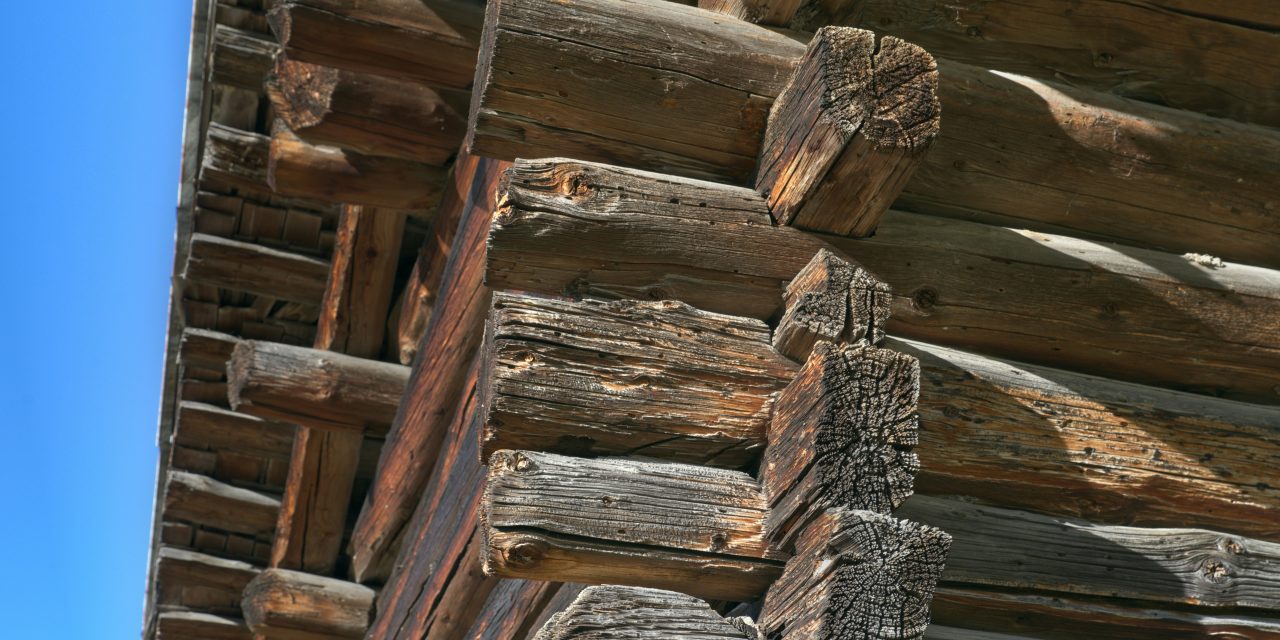
When embarking on the journey of maintaining a log cabin, the initial step involves a thorough assessment of its current condition. This evaluation is crucial as it lays the groundwork for subsequent repairs and maintenance. Begin by conducting a visual inspection of the exterior logs, paying close attention to signs of wear, discoloration, or structural instability. Utilize a moisture meter to gauge the moisture content within the logs; ideally, it should remain below 20% to prevent decay and mold growth. Additionally, check for any signs of insect activity, such as boreholes or frass, which may indicate an infestation.
Furthermore, assess the foundation and surrounding landscape. Ensure that the cabin is situated on a well-drained area to prevent water accumulation that could lead to rot. Inspect the roof for missing shingles or leaks, as these can exacerbate issues within the cabin’s structure. Document your findings meticulously, as this will serve as a reference point for repairs and future maintenance tasks.
If you’re looking to maintain your log cabin in top condition, it’s essential to address not only structural repairs but also pest prevention. An informative article on how to prevent wasps from nesting under your roof eaves can be quite helpful in this regard. You can read more about it here: How to Prevent Wasps from Nesting Under Your Roof Eaves. Taking proactive measures against pests will help ensure the longevity and comfort of your log cabin.
Identifying Common Log Cabin Issues
Log cabins, while charming and rustic, are susceptible to a variety of issues that can compromise their integrity. One prevalent problem is wood rot, which occurs when moisture penetrates the logs, leading to fungal decay. This condition can be exacerbated by poor ventilation and inadequate drainage around the cabin. Another common issue is insect infestation, particularly from wood-boring beetles and termites, which can weaken the structural integrity of the logs.
Cracks and splits in the logs are also frequent concerns, often resulting from natural settling or fluctuations in humidity and temperature. These fissures not only detract from the aesthetic appeal but can also allow moisture to infiltrate, leading to further deterioration. Additionally, chinking—the material used to fill gaps between logs—can deteriorate over time, leading to drafts and water intrusion. Identifying these issues early on is essential for effective remediation and preservation of your log cabin.
Cleaning and Preparing the Logs for Repair

Before embarking on any repair work, it is imperative to clean and prepare the logs adequately. Begin by removing any dirt, debris, or old chinking material using a pressure washer set at a low pressure to avoid damaging the wood. For stubborn stains or mildew, consider using a specialized log cleaner that contains fungicides and mildewcides to ensure thorough disinfection.
Once cleaned, inspect each log for damage. Use a wire brush to remove loose bark and any decayed wood. Afterward, allow the logs to dry completely before proceeding with repairs. This drying process is crucial as it ensures that any treatments applied will adhere properly and be effective in preventing future issues. Proper preparation not only enhances the effectiveness of repairs but also contributes to the longevity of your log cabin.
Repairing Cracks and Splits in the Logs

Addressing cracks and splits in logs is vital for maintaining structural integrity and preventing moisture intrusion. Begin by cleaning out any debris from the fissures using a chisel or utility knife. For small cracks, a high-quality wood filler specifically designed for log cabins can be applied. Ensure that the filler is compatible with the wood species of your cabin and follow the manufacturer’s instructions for application.
For larger splits, consider using epoxy resin or a specialized log repair compound that can bond effectively with the wood fibers. After applying the filler or compound, smooth it out with a putty knife and allow it to cure as per the product guidelines. Once cured, sand the area lightly to ensure a seamless finish with the surrounding wood. This meticulous approach not only restores aesthetics but also fortifies the logs against further damage.
If you’re looking to enhance your log cabin’s longevity, understanding the importance of regular maintenance is crucial. A related article that provides insights into the best practices for keeping your cabin in top shape can be found here. This resource not only covers essential repair techniques but also highlights how proper care can prevent costly damages in the future. By staying informed and proactive, you can ensure your log cabin remains a cozy retreat for years to come.
Replacing Damaged or Rotted Logs
In cases where logs have succumbed to extensive rot or damage, replacement may be necessary. Begin by identifying which logs require replacement through careful inspection. Once identified, use a chainsaw or reciprocating saw to remove the damaged sections, ensuring that you cut back to solid wood.
When selecting replacement logs, choose materials that match the original logs in species and dimensions for uniformity. It is advisable to treat new logs with a preservative before installation to enhance their resistance to moisture and pests. Securely fasten the new logs in place using lag bolts or screws designed for log construction. After installation, seal any joints with chinking material to prevent air and water infiltration.
Treating Logs to Prevent Insect Infestation
Preventing insect infestation is paramount in preserving the longevity of your log cabin. Begin by applying a borate-based wood preservative to all exposed surfaces of the logs. Borate compounds are effective against a wide range of wood-destroying insects while being safe for humans and pets when used correctly.
Additionally, consider implementing preventative measures such as maintaining proper ventilation within the cabin and ensuring that firewood is stored away from the structure to deter pests. Regular inspections should be conducted to identify any signs of infestation early on. If an infestation is detected, consult with a pest control professional who specializes in wood-destroying organisms for targeted treatment options.
Sealing and Chinking for Weatherproofing
Sealing and chinking are critical components in weatherproofing your log cabin. Chinking fills gaps between logs, preventing air leaks and moisture intrusion while enhancing energy efficiency. Begin by removing old chinking material using a chisel or scraper before applying new chinking compound designed specifically for log cabins.
When applying new chinking, ensure that it adheres well by following manufacturer instructions regarding temperature and humidity conditions during application. For sealing purposes, use a high-quality sealant around windows, doors, and other openings to create an airtight barrier against drafts and moisture.
Restoring and Refinishing Exterior Surfaces
Restoring and refinishing exterior surfaces not only enhances aesthetic appeal but also protects against environmental elements. Start by sanding down rough areas on the logs to create a smooth surface for refinishing. After sanding, clean off any dust or debris thoroughly.
Choose an appropriate exterior stain or finish that offers UV protection while allowing the wood to breathe. Apply multiple coats as recommended by the manufacturer for optimal protection against moisture and sun damage. Regular refinishing every few years will help maintain the beauty of your log cabin while extending its lifespan.
Maintaining Roof Integrity and Gutters
The roof plays a pivotal role in protecting your log cabin from water damage; therefore, maintaining its integrity is essential. Inspect shingles or roofing materials regularly for signs of wear or damage such as curling or missing pieces. Promptly replace any damaged sections to prevent leaks.
Additionally, ensure that gutters are clear of debris to facilitate proper drainage away from the cabin’s foundation. Clogged gutters can lead to water pooling around the base of your cabin, increasing the risk of rot in lower logs. Regularly cleaning gutters at least twice a year will help maintain their functionality.
Inspecting and Repairing Doors and Windows
Doors and windows are critical components that contribute to energy efficiency and security in your log cabin. Regularly inspect these areas for signs of wear such as warped frames or damaged seals that could lead to drafts or moisture intrusion. If frames are compromised, consider replacing them with energy-efficient models designed for log cabins.
For minor repairs, use weather stripping around doors and windows to enhance insulation properties while preventing air leaks. Ensure that all locks function properly for security purposes; replace any faulty hardware promptly.
Regular Maintenance Tips to Preserve Your Rustic Retreat
To preserve your log cabin’s charm and structural integrity over time, establish a routine maintenance schedule that includes regular inspections every six months. During these inspections, check for signs of wear on logs, roofs, gutters, doors, and windows.
Additionally, keep vegetation trimmed back from the cabin’s exterior to prevent moisture buildup against the logs. Ensure proper drainage around the foundation by grading soil away from the structure. Lastly, consider seasonal treatments with wood preservatives or insect repellents as part of your maintenance regimen.
In summary, maintaining a log cabin requires diligent assessment and proactive measures against common issues such as rot, insect infestation, and weather-related damage. By following systematic cleaning protocols, repairing damages promptly, treating logs effectively against pests, sealing gaps diligently, restoring surfaces regularly, maintaining roof integrity meticulously, inspecting doors and windows thoroughly, and adhering to routine maintenance schedules—owners can ensure their rustic retreat remains a cherished sanctuary for years to come.
FAQs
What are common signs that a log cabin needs repair?
Common signs that a log cabin needs repair include visible cracks in the logs, water stains on walls or ceilings, mold or mildew growth, insect infestations, and gaps between logs that allow drafts. Additionally, if the cabin feels unusually cold or damp, it may indicate issues with insulation or sealing.
How often should log cabins be inspected for maintenance?
Log cabins should be inspected at least once a year for maintenance. However, it is advisable to conduct more frequent inspections after severe weather events or if the cabin is located in an area prone to pests. Regular inspections help identify potential issues early, preventing more extensive damage.
What materials are typically used for log cabin repairs?
Common materials used for log cabin repairs include wood sealants, chinking (a flexible material used to fill gaps between logs), wood preservatives, and replacement logs. Additionally, tools such as chisels, saws, and drills are often necessary for effective repairs.
Can I perform log cabin repairs myself, or should I hire a professional?
Whether to perform log cabin repairs yourself or hire a professional depends on the extent of the damage and your skill level. Minor repairs, such as sealing gaps or applying preservatives, can often be done by homeowners. However, significant structural repairs or those involving extensive damage should be handled by professionals to ensure safety and effectiveness.
What is the average cost of log cabin repairs?
The average cost of log cabin repairs can vary widely based on the extent of the damage, the materials used, and labor costs in your area. Minor repairs may cost a few hundred dollars, while extensive repairs or renovations can range from several thousand to tens of thousands of dollars. It’s advisable to obtain multiple quotes from contractors for a more accurate estimate.