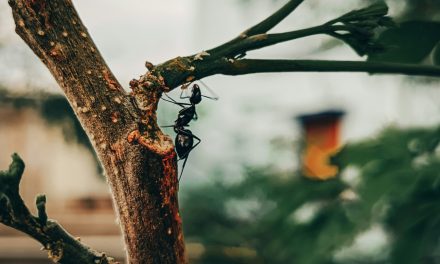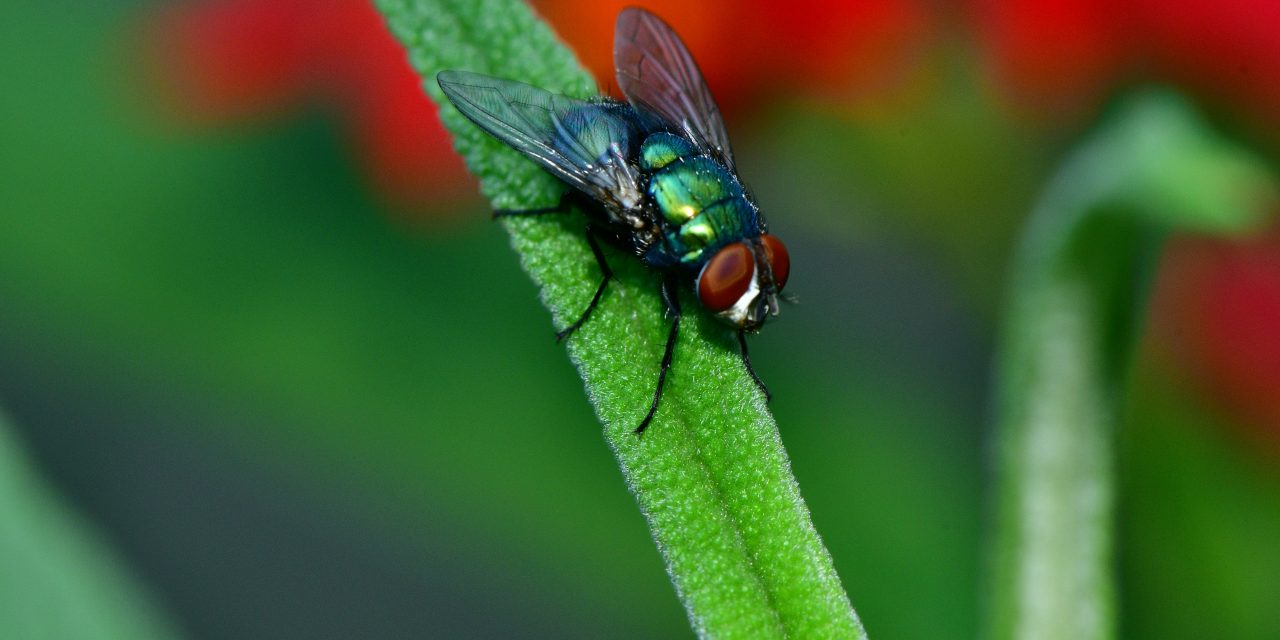
Household pests are a significant concern for homeowners, as they can cause damage to property, contaminate food, and pose health risks. Common pests include rodents such as mice and rats, insects like cockroaches, ants, and termites, as well as arachnids such as spiders. Each of these pests has unique behaviors and habitats that make them particularly troublesome. For instance, rodents are notorious for their ability to reproduce rapidly, with a single pair of mice capable of producing up to 200 offspring in a year under optimal conditions. Cockroaches, on the other hand, can survive for weeks without food and are known carriers of various pathogens that can lead to gastrointestinal diseases.
Understanding the biology and habits of these pests is crucial for effective management. For example, termites can cause extensive structural damage to homes, consuming wood and cellulose materials. They thrive in moist environments and often go undetected until significant damage has occurred. Similarly, ants can invade kitchens and pantries in search of food, while spiders may enter homes seeking shelter. Recognizing the signs of infestation—such as droppings, nests, or damage—can help homeowners take timely action to mitigate these issues.
For those dealing with the aftermath of a pest infestation, understanding how to determine if bed bugs are truly gone after treatment is crucial. A helpful resource on this topic can be found in the article titled “How to Tell If Bed Bugs Are Gone After Treatment,” which provides insights and tips for homeowners. You can read more about it by following this link: How to Tell If Bed Bugs Are Gone After Treatment.
Inspect and Seal Entry Points
One of the most effective strategies for pest prevention is to conduct a thorough inspection of the home to identify potential entry points. Common access areas include gaps around windows and doors, cracks in the foundation, and openings around utility lines. Sealing these entry points with caulk or weather stripping can significantly reduce the likelihood of pests entering the home. It is essential to pay attention to areas that may seem insignificant, as even the smallest openings can serve as gateways for rodents and insects.
In addition to sealing gaps, homeowners should also consider installing door sweeps and screens on windows to provide an additional barrier against pests. Regular inspections should be part of a homeowner’s routine maintenance schedule. By proactively addressing vulnerabilities in the home’s exterior, individuals can create an inhospitable environment for pests and reduce the chances of infestation.
Maintain Cleanliness and Proper Waste Disposal

Maintaining a clean living environment is paramount in deterring household pests. Food particles left on countertops or floors can attract various insects, while improperly stored food can become a breeding ground for pests. Homeowners should implement a strict cleaning regimen that includes regular vacuuming, wiping down surfaces, and promptly cleaning up spills. Additionally, it is crucial to store food in airtight containers to prevent access by pests.
Proper waste disposal is equally important in pest management. Garbage bins should be tightly sealed and emptied regularly to minimize odors that attract pests. Compost piles should be managed carefully, as they can also draw unwanted visitors if not maintained properly. By prioritizing cleanliness and waste management, homeowners can significantly reduce the risk of pest infestations.
Manage Moisture and Fix Leaks

Moisture control is a critical aspect of pest prevention, as many pests thrive in damp environments. Areas prone to leaks or excessive humidity—such as basements, bathrooms, and kitchens—should be monitored closely. Homeowners should promptly address any leaks in plumbing fixtures or roofs to eliminate potential water sources for pests. Additionally, using dehumidifiers in high-moisture areas can help maintain optimal humidity levels.
Proper ventilation is another key factor in moisture management. Ensuring that attics and crawl spaces are adequately ventilated can prevent the buildup of humidity that attracts pests like termites and silverfish. Regularly inspecting these areas for signs of water damage or mold growth can help homeowners take corrective action before infestations occur.
For those interested in effective insect and pest control methods, it’s essential to consider various strategies that can help maintain a pest-free environment. One useful resource is an article that discusses practical tips for removing stubborn stains, which can be quite helpful for anyone dealing with outdoor activities where pests are prevalent. You can read more about it in this informative piece on removing yellow sunscreen stains. This knowledge can complement your pest control efforts by ensuring that your outdoor gear remains in top condition.
Use Natural Repellents and Essential Oils
Natural repellents and essential oils offer an eco-friendly alternative to chemical pesticides for pest control. Certain scents are known to deter common household pests; for example, peppermint oil is effective against spiders and ants, while lavender oil can repel moths and fleas. Homeowners can create their own natural repellents by mixing essential oils with water in a spray bottle and applying it around entry points or areas where pests are commonly seen.
In addition to essential oils, other natural deterrents include diatomaceous earth—a fine powder made from fossilized algae that can be sprinkled in areas where pests are active. This substance is harmless to humans and pets but lethal to insects with exoskeletons. Utilizing these natural methods not only helps keep pests at bay but also reduces exposure to potentially harmful chemicals found in conventional pesticides.
Insect and pest control is crucial for maintaining a healthy environment, especially in agricultural settings where crops can be severely affected. For those looking to enhance their pest management strategies, a related article offers valuable insights into effective methods and best practices. You can explore these tips further in this informative piece on chicken cooking safety, which emphasizes the importance of cleanliness and proper food handling in preventing pest infestations.
Set Up Traps and Baits Strategically
When dealing with an existing pest problem, setting up traps and baits can be an effective way to manage infestations. For rodents, snap traps or glue traps can be placed along walls where rodent activity has been observed. It is essential to position these traps strategically—near entry points or along pathways where rodents are likely to travel—to maximize their effectiveness.
For insect infestations, bait stations containing insecticide can be used to lure pests such as cockroaches or ants. These baits work by attracting the pests to consume the poison, which they then carry back to their nests, effectively eliminating entire colonies over time. Homeowners should follow the manufacturer’s instructions carefully when using traps and baits to ensure safety and efficacy.
Keep Outdoor Areas Tidy and Free of Debris
The exterior of a home plays a significant role in pest prevention. Keeping outdoor areas tidy helps eliminate potential habitats for pests. Overgrown vegetation, piles of leaves, or debris can provide shelter for rodents and insects. Regularly mowing the lawn, trimming shrubs, and removing clutter from yards can create an unwelcoming environment for pests.
Additionally, homeowners should ensure that firewood is stored away from the house and elevated off the ground to prevent attracting termites or rodents. Maintaining a clean outdoor space not only enhances curb appeal but also serves as a proactive measure against pest infestations.
Regularly Inspect and Treat Pet Areas
Pets can inadvertently introduce pests into the home; therefore, it is crucial to regularly inspect and treat areas where pets reside. Fleas and ticks are common parasites that can affect both pets and humans alike. Regular grooming and bathing of pets can help reduce the risk of infestations. Additionally, pet bedding should be washed frequently to eliminate any eggs or larvae that may be present.
Using veterinarian-recommended flea and tick treatments is essential for maintaining pet health and preventing infestations within the home. These treatments may include topical solutions, oral medications, or collars designed to repel parasites effectively.
Utilize Professional Pest Control Services When Needed
In cases where infestations become overwhelming or difficult to manage independently, seeking professional pest control services may be necessary. Pest control experts possess specialized knowledge and tools that allow them to identify infestations accurately and implement effective treatment plans tailored to specific pest problems.
Professional services often utilize integrated pest management (IPM) strategies that combine multiple approaches—such as biological control methods, habitat modification, and chemical treatments—to achieve long-term pest control solutions while minimizing environmental impact.
Implement Seasonal Pest Prevention Measures
Seasonal changes can significantly influence pest activity; therefore, implementing preventive measures throughout the year is vital for maintaining a pest-free home. In spring and summer months, homeowners should focus on sealing entry points and managing outdoor vegetation as pests become more active during warmer weather.
During fall and winter months, it is essential to inspect homes for potential entry points that may allow rodents to seek shelter indoors from colder temperatures. Ensuring that attics are insulated properly can also deter pests from entering during colder months.
Educate Family Members on Pest Prevention Practices
Education plays a crucial role in effective pest prevention within households. Family members should be informed about best practices for maintaining cleanliness, proper waste disposal techniques, and recognizing signs of pest activity. Encouraging children to participate in cleaning routines fosters responsibility while reinforcing the importance of keeping living spaces tidy.
Additionally, discussing the significance of sealing entry points and managing moisture can empower family members to take proactive measures against potential infestations. By fostering a culture of awareness regarding pest prevention practices within the household, families can work together towards creating a healthier living environment free from unwanted pests.
In summary, understanding common household pests is essential for effective management strategies that include inspecting entry points, maintaining cleanliness, managing moisture levels, utilizing natural repellents, setting traps strategically, keeping outdoor areas tidy, treating pet areas regularly, seeking professional help when necessary, implementing seasonal measures, and educating family members on prevention practices. By adopting these comprehensive approaches, homeowners can significantly reduce the risk of pest infestations while promoting a healthier living environment for all occupants.
FAQs
What are the common types of pests that require control?
Common types of pests that require control include insects such as ants, cockroaches, termites, bed bugs, and mosquitoes, as well as rodents like mice and rats. Each of these pests can cause damage to property or pose health risks to humans and pets.
What methods are used for insect and pest control?
Insect and pest control methods can be categorized into chemical, biological, and physical controls. Chemical methods involve the use of pesticides, while biological controls utilize natural predators or parasites to manage pest populations. Physical controls include traps, barriers, and sanitation practices to prevent infestations.
Are pest control chemicals safe for pets and children?
Many pest control chemicals can pose risks to pets and children if not used properly. It is essential to follow label instructions carefully and consider using pet-safe or organic pest control options. Additionally, keeping treated areas off-limits for a specified period can help ensure safety.
How can I prevent pests from entering my home?
Preventing pests from entering your home can be achieved through several measures, including sealing cracks and gaps in walls, windows, and doors, maintaining cleanliness by removing food debris, and ensuring proper waste disposal. Regular inspections and maintenance can also help identify potential entry points.
When should I call a professional pest control service?
You should consider calling a professional pest control service when you notice a significant infestation that you cannot manage on your own, when pests return despite your efforts, or when dealing with pests that pose health risks, such as termites or bed bugs. Professionals have the expertise and tools to effectively eliminate pests and prevent future issues.