Regular inspection and cleaning of gutters is a crucial maintenance task that homeowners often overlook. Clogged gutters can lead to significant water damage, including foundation issues, mold growth, and even pest infestations. When leaves, twigs, and debris accumulate in the gutter system, they obstruct the flow of rainwater, causing it to overflow. This overflow can erode soil around the foundation, leading to structural instability. Furthermore, stagnant water in clogged gutters becomes a breeding ground for mosquitoes and other pests, posing health risks to residents.
To effectively maintain gutters, it is recommended to inspect them at least twice a year—once in the spring and once in the fall. During these inspections, homeowners should look for signs of wear and tear, such as rust or sagging sections. Cleaning can be accomplished using a sturdy ladder, gloves, and a scoop or trowel to remove debris. For those who prefer a more automated approach, installing gutter guards can significantly reduce the frequency of cleaning by preventing debris accumulation.
When considering home repairs and maintenance, it’s essential to create a welcoming environment, and one way to enhance your space is through the use of vibrant plants. For inspiration on how to incorporate beautiful greenery into your home, check out this article on stunning flowering Kalanchoe varieties that can brighten your living space. You can read more about it here: 10 Stunning Flowering Kalanchoe Varieties to Brighten Your Home.
Test and Replace Smoke Detector Batteries
Smoke detectors are essential safety devices that can save lives in the event of a fire. Regular testing and replacement of batteries are vital to ensure these devices function correctly. According to the National Fire Protection Association (NFPA), nearly 50% of home fire deaths occur in homes without working smoke alarms. Therefore, it is imperative to test smoke detectors monthly by pressing the test button and listening for an audible alarm. If the alarm does not sound, it is crucial to replace the batteries immediately.
In addition to battery replacement, smoke detectors should be replaced entirely every ten years. Over time, the sensors within smoke detectors can degrade, reducing their effectiveness. Homeowners should also consider installing interconnected smoke alarms, which will sound simultaneously throughout the home if one detects smoke. This feature enhances safety by alerting all occupants regardless of their location within the residence.
Seal Gaps and Cracks to Improve Energy Efficiency

Sealing gaps and cracks around windows, doors, and other areas of a home is an effective strategy for improving energy efficiency. Air leaks can lead to significant energy loss, resulting in higher heating and cooling costs. According to the U.S. Department of Energy, sealing these leaks can reduce energy bills by up to 20%. Common areas where air leaks occur include window frames, door frames, electrical outlets, and plumbing penetrations.
To seal gaps effectively, homeowners can use caulk or weatherstripping materials. Caulk is ideal for filling small cracks and gaps, while weatherstripping is best suited for movable components like doors and windows. Additionally, conducting a blower door test can help identify specific areas where air leakage occurs. By addressing these leaks, homeowners not only save on energy costs but also enhance indoor comfort by maintaining consistent temperatures throughout the home.
Service Heating and Cooling Systems Annually

Annual servicing of heating and cooling systems is essential for optimal performance and longevity. Regular maintenance helps identify potential issues before they escalate into costly repairs or replacements. HVAC systems should be inspected at least once a year—preferably before the heating season begins in the fall or before cooling season starts in the spring. During these inspections, HVAC technicians will clean components, check refrigerant levels, inspect electrical connections, and replace air filters.
Neglecting regular maintenance can lead to decreased efficiency and increased energy consumption. According to the U.S. Department of Energy, poorly maintained HVAC systems can lose up to 30% of their efficiency. Homeowners should also consider investing in programmable thermostats that allow for better temperature control and energy savings when the home is unoccupied.
When it comes to home repairs and maintenance, ensuring a safe and comfortable environment for your pets is just as important as fixing leaky faucets or squeaky doors. One often overlooked aspect of pet care is their hygiene, particularly ear cleaning, which can prevent infections and discomfort. For pet owners looking to enhance their home maintenance routine, you might find valuable insights in this article about essential tips for ear cleaning in dogs and cats. Keeping your furry friends healthy contributes to a happier home overall.
Check and Maintain Plumbing Fixtures
Regular inspection and maintenance of plumbing fixtures are vital for preventing leaks and ensuring efficient water usage. Leaky faucets or toilets can waste significant amounts of water—up to 3,000 gallons per year for a single leaky faucet. Homeowners should routinely check for signs of leaks around sinks, toilets, and pipes. Additionally, inspecting water supply lines for corrosion or wear can prevent unexpected plumbing failures.
To maintain plumbing fixtures effectively, homeowners should clean aerators on faucets regularly to prevent mineral buildup that can restrict water flow. It is also advisable to flush toilets periodically to remove any sediment that may accumulate in the tank or bowl. By addressing minor plumbing issues promptly, homeowners can avoid costly repairs and conserve water resources.
Repair Leaky Faucets to Prevent Water Waste
Repairing leaky faucets is not only an environmentally responsible action but also a financially prudent one. A single dripping faucet can waste over 3,000 gallons of water annually—enough to fill a swimming pool! The most common cause of faucet leaks is worn-out washers or O-rings that require replacement. Homeowners can often fix these issues themselves with basic tools and a little guidance.
To repair a leaky faucet, first turn off the water supply and drain any remaining water from the faucet. Next, disassemble the faucet according to its type—compression, cartridge, ball, or ceramic disk—and inspect the internal components for wear. Replacing worn parts with new ones can restore functionality and prevent further leaks. Additionally, using plumber’s tape on threaded connections can help ensure a watertight seal.
Clean and Inspect Roof for Damage
The roof is one of the most critical components of a home’s structure, protecting it from environmental elements such as rain, snow, and wind. Regular cleaning and inspection are essential for identifying potential damage before it leads to costly repairs or replacements. Homeowners should inspect their roofs at least twice a year—preferably in spring and fall—and after severe weather events.
During inspections, look for missing shingles, cracks in flashing, or signs of sagging that may indicate structural issues. Cleaning debris such as leaves or branches from the roof surface prevents moisture retention that can lead to mold growth or rot. For those uncomfortable with heights or roof work, hiring a professional roofing contractor for inspections is advisable to ensure safety and thoroughness.
Maintain and Test Sump Pumps
Sump pumps play a crucial role in preventing basement flooding by removing excess water from below ground level. Regular maintenance and testing are essential to ensure these systems function correctly when needed most. Homeowners should inspect sump pumps at least once a year by pouring water into the sump pit to verify that the pump activates properly.
In addition to testing functionality, it is important to clean the sump pit regularly to remove sediment that may impede pump operation. Checking the discharge pipe for blockages ensures that water flows freely away from the foundation. Installing a backup power source for sump pumps can provide additional peace of mind during power outages or severe storms.
Paint and Seal Exterior Surfaces
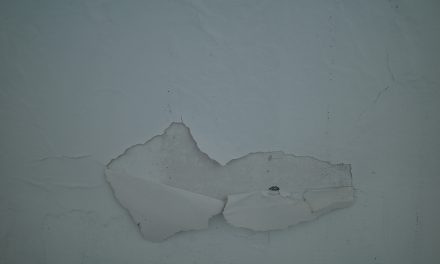
Maintaining exterior surfaces through painting and sealing is vital for protecting a home from weather-related damage while enhancing its aesthetic appeal. Over time, exposure to sunlight, rain, and temperature fluctuations can cause paint to fade or peel, leading to wood rot or corrosion on surfaces like siding or trim. Homeowners should inspect exterior surfaces annually for signs of wear.
When repainting or sealing surfaces, it is essential to choose high-quality materials designed for specific environmental conditions. Proper surface preparation—such as cleaning and sanding—is crucial for ensuring adhesion and longevity of paint or sealant applications. Regular maintenance not only preserves property value but also contributes to energy efficiency by improving insulation properties.
Flush Water Heater to Remove Sediment
Flushing a water heater periodically is an important maintenance task that helps prolong its lifespan while ensuring optimal performance. Over time, sediment buildup from minerals in hard water can accumulate at the bottom of the tank, reducing heating efficiency and potentially leading to premature failure. It is recommended that homeowners flush their water heaters at least once a year.
To flush a water heater effectively, first turn off the power supply (for electric heaters) or set the thermostat to “pilot” (for gas heaters). Next, connect a garden hose to the drain valve at the bottom of the tank and direct it into a suitable drainage area. Open the valve slowly while allowing cold water into the tank through the cold water inlet; this process helps dislodge sediment while flushing it out through the hose.
Keep Driveways and Walkways in Good Repair
Maintaining driveways and walkways is essential not only for aesthetic appeal but also for safety reasons. Cracks or uneven surfaces can pose tripping hazards while allowing water infiltration that may lead to further damage over time. Regular inspections should be conducted to identify any signs of wear or deterioration.
To repair cracks in concrete or asphalt surfaces, homeowners can use patching compounds specifically designed for these materials. Sealing driveways every few years helps protect against moisture penetration while enhancing appearance. Additionally, keeping walkways clear of debris and snow during winter months ensures safe passage for residents and visitors alike.
In summary, regular home maintenance tasks such as inspecting gutters, testing smoke detectors, sealing gaps for energy efficiency, servicing HVAC systems annually, maintaining plumbing fixtures, repairing leaky faucets, inspecting roofs, maintaining sump pumps, painting exterior surfaces, flushing water heaters, and keeping driveways in good repair are essential for preserving property value while ensuring safety and comfort for occupants. By proactively addressing these tasks with diligence and care, homeowners can prevent costly repairs down the line while enhancing their living environment.
FAQ Section:
1. How often should I clean my gutters?
– It is recommended to clean gutters at least twice a year—once in spring and once in fall.
2. What should I do if my smoke detector beeps intermittently?
– Intermittent beeping usually indicates low battery power; replace batteries immediately or consider replacing the unit if it’s older than ten years.
3. How do I know if my HVAC system needs servicing?
– Signs include unusual noises during operation, inconsistent temperatures throughout your home, or increased energy bills.
4. What are some common signs of plumbing leaks?
– Look for water stains on walls or ceilings, damp spots around fixtures, or an unexplained increase in your water bill.
5. How do I know if my sump pump is working properly?
– Test it by pouring water into the sump pit; if it activates promptly and pumps out water efficiently, it’s functioning correctly.
6. What type of paint should I use on exterior surfaces?
– Use high-quality exterior paint designed for your specific climate conditions; consult with professionals if unsure about product selection.
7. How often should I flush my water heater?
– Flushing your water heater at least once a year is recommended to remove sediment buildup.
8. What are some effective ways to seal gaps around windows?
– Use caulk for small gaps; weatherstripping is ideal for movable components like doors.
9. How do I repair cracks in my driveway?
– Use patching compounds specifically designed for concrete or asphalt; follow manufacturer instructions carefully.
10. What are some benefits of maintaining my home regularly?
– Regular maintenance helps prevent costly repairs down the line while enhancing safety, comfort, energy efficiency, and property value.
By adhering to these guidelines and addressing maintenance tasks proactively, homeowners can create a safe living environment while preserving their investment over time.
FAQs
What are some common home repairs that homeowners should be aware of?
Common home repairs include fixing leaky faucets, repairing drywall, unclogging drains, replacing broken tiles, and addressing issues with heating and cooling systems. Regular maintenance of appliances and checking for water leaks can also prevent larger problems.
How often should I perform maintenance on my home?
Home maintenance should be performed regularly, with some tasks needing monthly attention, such as changing air filters and checking smoke detectors. Seasonal tasks, like cleaning gutters and inspecting the roof, should be done at least twice a year, while major systems like HVAC should be serviced annually.
What tools are essential for basic home repairs?
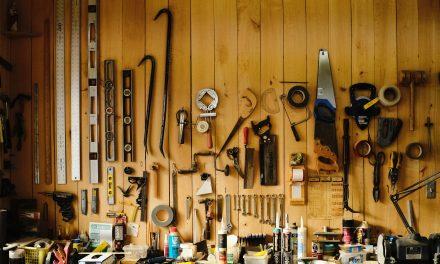
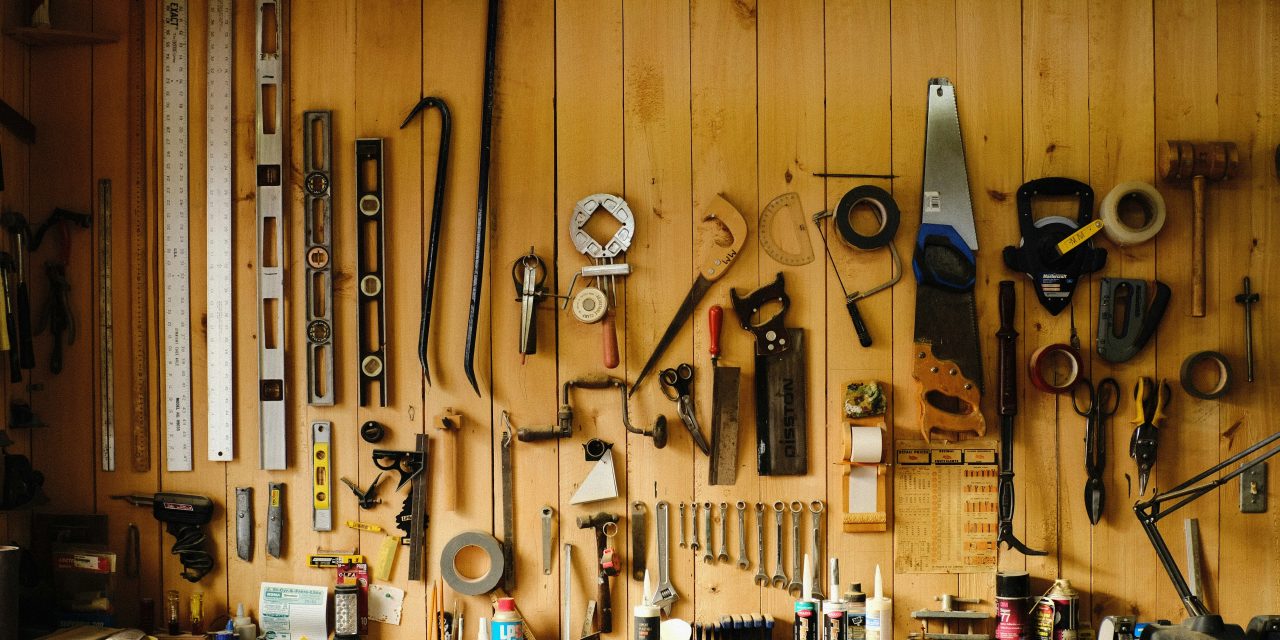
Essential tools for basic home repairs include a hammer, screwdrivers (both flathead and Phillips), pliers, a tape measure, a utility knife, a level, and a drill. Having a good set of wrenches and a stud finder can also be beneficial for various repair tasks.
When should I consider hiring a professional for home repairs?
Consider hiring a professional for repairs that involve electrical work, plumbing issues, or structural changes, as these can be complex and require specialized knowledge. Additionally, if a repair is beyond your skill level or if safety is a concern, it’s best to call in an expert.
How can I prevent common home maintenance issues?
Preventative measures include regular inspections of your home, keeping gutters clean, sealing windows and doors to prevent drafts, and maintaining your HVAC system. Additionally, addressing small issues promptly can prevent them from escalating into larger, more costly repairs.