Maintaining the integrity of your home begins with the often-overlooked task of inspecting and cleaning gutters. Clogged gutters can lead to a myriad of problems, including water damage to the roof, walls, and foundation. When debris such as leaves, twigs, and dirt accumulates, it obstructs the flow of rainwater, causing it to overflow. This overflow can lead to erosion around the foundation, mold growth, and even pest infestations. Regular inspections should be conducted at least twice a year, ideally in the spring and fall, to ensure that gutters are free from blockages.
Cleaning gutters involves removing debris and ensuring that downspouts are clear. A simple garden trowel can be effective for scooping out muck, while a hose can help flush out remaining particles. For those who prefer a more thorough approach, a pressure washer can be utilized to eliminate stubborn grime. Additionally, installing gutter guards can significantly reduce the frequency of cleaning by preventing debris accumulation. By prioritizing gutter maintenance, homeowners can avert costly repairs and enhance the longevity of their property.
If you’re looking to enhance your home repair skills, you might find it useful to explore articles that cover various maintenance topics. For instance, you can check out this informative piece on how to properly store food, which can be surprisingly relevant when considering the overall upkeep of your home. Understanding food preservation can help you maintain a clean and organized kitchen, which is an essential aspect of home maintenance. You can read more about it here: How Long Can You Freeze Ground Beef Without Losing Quality?.
Check and Replace HVAC Filters
The efficiency of your heating, ventilation, and air conditioning (HVAC) system is heavily reliant on the condition of its filters. Clogged or dirty filters can impede airflow, forcing the system to work harder and consume more energy. This inefficiency not only leads to higher utility bills but also shortens the lifespan of the HVAC unit. It is recommended that filters be checked monthly and replaced every three months or sooner if they appear dirty.
Selecting the right filter is crucial for optimal performance. Filters are rated by their Minimum Efficiency Reporting Value (MERV), which indicates their ability to capture airborne particles. Higher MERV ratings signify better filtration but may restrict airflow if not compatible with your system. Homeowners should consult their HVAC manual or a professional technician to determine the appropriate filter type. Regular maintenance of HVAC filters not only improves air quality but also ensures a comfortable living environment throughout the year.
Test Smoke and Carbon Monoxide Detectors

The importance of smoke and carbon monoxide detectors cannot be overstated when it comes to home safety. Smoke detectors are essential for alerting occupants to fire hazards, while carbon monoxide detectors serve as a safeguard against this colorless, odorless gas that can be lethal in high concentrations. It is advisable to test these devices monthly to ensure they are functioning correctly. Most detectors come equipped with a test button that allows homeowners to verify operational status easily.
In addition to regular testing, it is crucial to replace batteries at least once a year and consider replacing the entire unit every ten years. For enhanced safety, interconnected smoke detectors can be installed so that when one alarm sounds, all alarms in the home will activate. This feature is particularly beneficial in larger homes where sound may not travel effectively. By prioritizing these safety measures, homeowners can significantly reduce the risk of fire-related incidents and carbon monoxide poisoning.
Seal Windows and Doors to Improve Energy Efficiency

Sealing windows and doors is an effective strategy for enhancing energy efficiency within a home. Air leaks around these openings can lead to significant heat loss during winter months and increased cooling demands in summer, resulting in higher energy bills. Homeowners should conduct a thorough inspection for gaps or cracks around frames and utilize caulk or weatherstripping to seal these areas effectively.
In addition to sealing existing gaps, consider upgrading to energy-efficient windows and doors that feature double or triple glazing. These modern installations provide superior insulation compared to traditional single-pane options. Furthermore, applying window film can reduce heat gain during summer months while retaining warmth in winter. By investing in proper sealing techniques and energy-efficient installations, homeowners can achieve substantial savings on energy costs while contributing to environmental sustainability.
When it comes to home repairs and maintenance, understanding the basics can save you time and money. One essential aspect is knowing how to choose the right professionals for the job. For instance, if you’re considering hiring someone to help with your home projects, you might find it useful to read about selecting the perfect cat sitter for your feline friend, as it highlights the importance of trust and reliability in any service you seek. You can check out the article here: selecting the perfect cat sitter.
Inspect Roof for Damage and Leaks
A well-maintained roof is vital for protecting your home from the elements. Regular inspections should be conducted at least twice a year, focusing on shingles, flashing, and gutters. Look for signs of wear such as cracked or missing shingles, rusted flashing, or granules accumulating in gutters—these may indicate potential leaks or structural issues.
If damage is detected, prompt repairs are essential to prevent further deterioration. Minor issues can often be addressed with roofing cement or replacement shingles; however, extensive damage may necessitate professional intervention. Additionally, consider scheduling a professional roof inspection every few years for a comprehensive assessment of your roof’s condition. By proactively addressing roofing concerns, homeowners can extend the lifespan of their roofs and safeguard their homes from water intrusion.
Maintain Plumbing by Checking for Leaks and Drips
Plumbing maintenance is crucial for preventing water damage and ensuring efficient water usage within your home. Regularly inspect pipes under sinks, around toilets, and in basements for signs of leaks or drips. Even minor leaks can lead to significant water waste over time—approximately 10% of homes have leaks that waste 90 gallons or more per day.
If leaks are detected, they should be addressed immediately to prevent further damage and mold growth. Simple fixes may involve tightening fittings or replacing washers; however, persistent issues may require professional plumbing services. Additionally, consider insulating pipes in colder areas of your home to prevent freezing during winter months. By maintaining plumbing systems diligently, homeowners can conserve water and avoid costly repairs associated with water damage.
Clean and Service Your Water Heater
Water heaters are essential appliances that require regular maintenance to operate efficiently. Sediment buildup can occur over time, reducing heating efficiency and potentially leading to premature failure. It is advisable to flush your water heater at least once a year to remove sediment buildup—this process involves turning off the heater, connecting a hose to the drain valve, and allowing water to flow out until it runs clear.
In addition to flushing, inspect the anode rod every few years; this component helps prevent corrosion within the tank. If it appears significantly corroded or depleted, replacing it can extend the lifespan of your water heater significantly. Regular maintenance not only ensures reliable hot water supply but also enhances energy efficiency, ultimately saving homeowners money on utility bills.
Paint and Seal Exterior Surfaces
The exterior surfaces of your home are constantly exposed to environmental elements that can lead to deterioration over time. Regular painting and sealing are essential for protecting wood siding, trim, and other materials from moisture intrusion and UV damage. It is recommended that exterior surfaces be painted every five to seven years or sooner if signs of wear become evident.
Before painting, ensure surfaces are clean and free from mildew or peeling paint; pressure washing may be necessary for thorough cleaning. Selecting high-quality exterior paint formulated for durability against weather conditions will yield better results. Additionally, applying sealants on porous surfaces such as brick or stucco can provide an extra layer of protection against moisture infiltration. By investing in exterior maintenance, homeowners can enhance curb appeal while safeguarding their property from long-term damage.
Service and Maintain Appliances
Household appliances play a significant role in daily life; therefore, regular servicing is essential for optimal performance and longevity. Appliances such as refrigerators, ovens, washers, and dryers should be inspected periodically for signs of wear or malfunctioning components. For instance, cleaning refrigerator coils can improve efficiency by allowing proper airflow.
Additionally, washing machine hoses should be checked for cracks or bulges that could lead to leaks; replacing them every five years is advisable as a preventive measure. For gas appliances, ensure that connections are secure and free from leaks by using soapy water to check for bubbles at connection points. By maintaining appliances diligently through regular servicing and inspections, homeowners can avoid unexpected breakdowns and costly repairs.
Inspect and Maintain Electrical Systems
Electrical systems are integral to modern living; however, they require regular inspections to ensure safety and functionality. Homeowners should periodically check outlets for signs of wear or discoloration—these may indicate overheating or faulty wiring that could pose fire hazards. Additionally, circuit breakers should be tested regularly to ensure they trip appropriately during overload situations.
Consider hiring a licensed electrician for comprehensive inspections every few years; they can identify potential issues that may go unnoticed by untrained eyes. Furthermore, installing surge protectors can safeguard sensitive electronics from power surges caused by lightning strikes or electrical faults. By prioritizing electrical system maintenance, homeowners can enhance safety while ensuring reliable power supply throughout their homes.
Prepare Your Home for Seasonal Changes
As seasons change, so do the demands placed on your home’s systems and structures. Preparing your home for seasonal transitions is crucial for maintaining comfort and efficiency throughout the year. In preparation for winter months, ensure that heating systems are serviced and insulated properly; this includes checking ductwork for leaks that could lead to heat loss.
During springtime, focus on outdoor maintenance such as cleaning gutters and inspecting roofs after winter storms have passed. Summer preparations may involve servicing air conditioning units while ensuring proper ventilation throughout the home. Fall is an ideal time for inspecting insulation levels in attics and basements—upgrading insulation can significantly improve energy efficiency during colder months. By proactively preparing your home for seasonal changes, you can enhance comfort while minimizing potential repair costs associated with neglect.
In summary, maintaining a home requires diligence across various aspects—from inspecting gutters to preparing for seasonal changes. Regular checks on HVAC systems, plumbing fixtures, electrical systems, appliances, and exterior surfaces contribute significantly to overall safety and efficiency within the household. By implementing these preventive measures consistently, homeowners can protect their investments while ensuring a comfortable living environment year-round.
FAQs
What are some common home repairs that homeowners should be aware of?
Common home repairs include fixing leaky faucets, repairing drywall, unclogging drains, replacing broken tiles, and addressing issues with heating and cooling systems. Regular maintenance of appliances and plumbing can also prevent larger problems down the line.
How often should I perform maintenance on my home?
Home maintenance should be performed regularly, with some tasks needing monthly attention, such as changing air filters and checking smoke detectors. Seasonal tasks, like gutter cleaning and HVAC servicing, should be done at least twice a year, while other repairs may be needed as issues arise.
What tools are essential for basic home repairs?
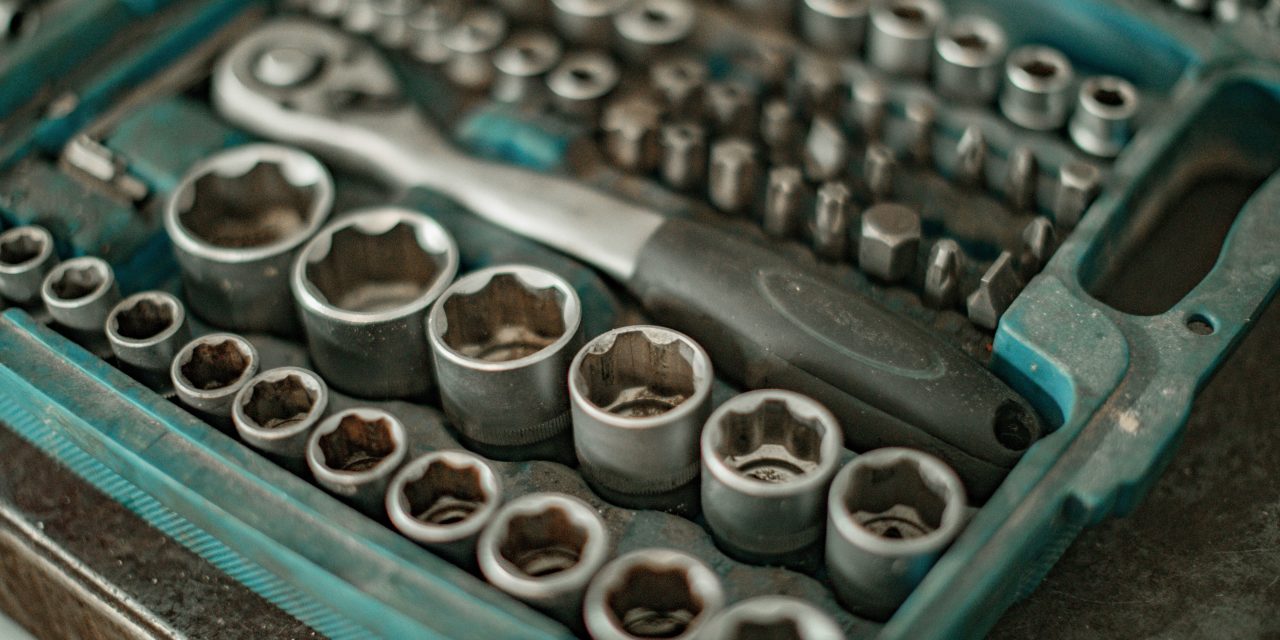
Essential tools for basic home repairs include a hammer, screwdrivers (both flathead and Phillips), pliers, a tape measure, a utility knife, a level, and a drill. Having a basic toolkit can help homeowners tackle many common repair tasks effectively.
When should I hire a professional for home repairs?
Homeowners should consider hiring a professional for complex repairs, such as electrical work, plumbing issues, or structural repairs, especially if they lack the necessary skills or tools. Additionally, if a repair poses safety risks or requires permits, it is advisable to consult a licensed professional.
What are some tips for preventing home repair issues?
Preventive measures include regular inspections of your home, maintaining gutters and downspouts, sealing windows and doors to prevent drafts, and keeping up with appliance maintenance. Additionally, addressing small issues promptly can prevent them from escalating into larger, more costly repairs.