Food grade buckets are essential tools in both domestic and commercial settings, serving a multitude of purposes that extend beyond mere storage. Constructed from high-density polyethylene (HDPE) or polypropylene, these containers are designed to meet stringent safety standards, ensuring that they do not leach harmful chemicals into food products. The significance of food grade buckets lies in their ability to preserve the integrity of food items, making them indispensable for anyone who values food safety and quality.
The versatility of food grade buckets is another compelling reason for their popularity. They can be utilized for various applications, from long-term food storage to DIY projects. Their durability and resistance to moisture and pests make them ideal for safeguarding perishable goods. Furthermore, these buckets often come with airtight lids, which help maintain freshness and prevent contamination. Understanding the importance of food grade buckets is crucial for anyone looking to optimize their food storage solutions and enhance their overall culinary experience.
If you’re looking to enhance your culinary skills, you might find it interesting to explore how food grade buckets can be a valuable tool in your kitchen. These buckets are perfect for storing ingredients safely and efficiently. For more tips on cooking delicious meals, check out this article on making juicy homemade hamburgers: 10 Tips for Juicy Homemade Hamburgers on the Stove.
Safe Food Storage Solutions
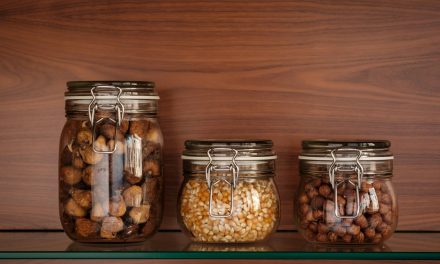
When it comes to food storage, safety is paramount. Food grade buckets provide an effective solution for storing dry goods such as grains, beans, and pasta. Their airtight seals prevent moisture ingress, which can lead to spoilage or pest infestations. For instance, storing rice in a food grade bucket can extend its shelf life significantly, allowing you to stock up without worrying about degradation over time.
In addition to dry goods, these buckets are also suitable for preserving liquids like sauces, marinades, and even soups. The non-reactive nature of food grade materials ensures that flavors remain intact without any chemical interference. For optimal results, it is advisable to label each bucket clearly with the contents and date of storage. This practice not only aids in organization but also helps in monitoring the freshness of stored items.
DIY Fermentation Projects

Fermentation has gained popularity as a method of food preservation and flavor enhancement. Food grade buckets are ideal for DIY fermentation projects, such as making sauerkraut or kimchi. Their spacious design allows for ample room for ingredients to expand during the fermentation process. Additionally, the airtight lids help create an anaerobic environment, which is essential for successful fermentation.
To embark on a fermentation project using a food grade bucket, start by selecting fresh vegetables and spices. Chop the vegetables finely and mix them with salt to draw out moisture. Pack the mixture tightly into the bucket, ensuring that it is submerged in its own brine. Seal the lid and store the bucket in a cool, dark place for several days to weeks, depending on your desired flavor profile. Regularly check for bubbles or signs of fermentation, which indicate that the process is underway.
Emergency Water Storage

In times of crisis or natural disasters, having a reliable source of water is crucial. Food grade buckets serve as excellent containers for emergency water storage due to their durability and safety features. They can hold large volumes of water—typically up to 5 gallons—making them suitable for both short-term and long-term needs.
To prepare water for storage in food grade buckets, start by cleaning the containers thoroughly with soap and water. Rinse well to eliminate any residues. Fill the buckets with potable water and seal them tightly with their lids. It is advisable to rotate stored water every six months to ensure freshness. Additionally, consider adding water purification tablets or using a filtration system before filling the buckets to enhance safety.
When it comes to storing food safely and efficiently, food grade buckets are an excellent choice for preserving your meals. These buckets are designed to keep your food fresh and free from contaminants, making them ideal for long-term storage. If you’re looking for some delicious recipes to fill those buckets, you might find inspiration in this article about easy freezer-friendly chili recipes. Not only do these recipes provide hearty meals, but they also offer tips on how to prepare and store them effectively, ensuring you make the most of your food storage solutions.
Gardening and Composting Uses
Food grade buckets can also play a significant role in gardening and composting endeavors. Their sturdy construction makes them suitable for growing herbs or small plants, especially in urban settings where space is limited. Simply drill drainage holes at the bottom of the bucket and fill it with potting soil before planting your seeds or seedlings.
In composting, food grade buckets can be used as compost bins. Layer organic waste such as vegetable scraps, coffee grounds, and yard debris within the bucket while ensuring proper aeration by occasionally stirring the contents. The sealed environment helps retain moisture while preventing odors from escaping, making it an efficient composting solution.
When considering the best options for food storage, food grade buckets are an excellent choice due to their durability and safety for long-term use. These buckets are designed to keep your food fresh and free from contaminants, making them ideal for bulk storage. For more insights on various containers that ensure freshness and durability, you can check out this informative article on the topic. It provides a comprehensive overview of the best containers for food storage, helping you make an informed decision. You can read it here: best containers for food storage.
Organizing Bulk Dry Goods
For those who purchase bulk dry goods, organization is key to maintaining an efficient kitchen or pantry. Food grade buckets provide an excellent solution for storing items like flour, sugar, oats, and nuts. Their stackable design allows for optimal use of vertical space while keeping ingredients easily accessible.
To organize bulk dry goods effectively, consider using different colored buckets or labeling them according to their contents. This practice not only enhances visual appeal but also simplifies meal preparation by allowing quick identification of ingredients. Additionally, using oxygen absorbers within the buckets can further prolong the shelf life of stored items by minimizing oxidation.
Homemade Cleaning Supply Containers
The trend towards eco-friendly cleaning solutions has led many individuals to create their own cleaning supplies at home. Food grade buckets can serve as practical containers for storing homemade cleaning products such as all-purpose cleaners or laundry detergents. Their non-toxic materials ensure that no harmful chemicals leach into your cleaning solutions.
When preparing homemade cleaning supplies, consider using natural ingredients like vinegar, baking soda, and essential oils. Once mixed, pour the solution into a clean food grade bucket and label it accordingly. This not only keeps your cleaning supplies organized but also promotes sustainability by reducing reliance on commercial products that often come in single-use plastic containers.
Portable Pet Food Storage
For pet owners, maintaining fresh and safe pet food is essential for their furry companions’ health. Food grade buckets offer an ideal solution for storing pet food securely while preventing moisture and pests from compromising its quality. With capacities ranging from 5 to 7 gallons, these buckets can accommodate substantial amounts of kibble or canned food.
To use a food grade bucket for pet food storage, ensure that it is thoroughly cleaned before filling it with your pet’s food. Consider adding a scoop or measuring cup inside the bucket for convenience during feeding times. Additionally, labeling the bucket with your pet’s name and feeding instructions can help streamline mealtime routines.
Craft and Hobby Material Storage
Craft enthusiasts often accumulate various materials that require organized storage solutions. Food grade buckets can be repurposed as containers for craft supplies such as paints, brushes, fabrics, or beads. Their robust design ensures that materials remain protected from dust and damage while being easily accessible when creativity strikes.
To maximize organization within craft buckets, consider using smaller containers or dividers inside each bucket to separate different materials. Labeling each bucket according to its contents will facilitate quick access during crafting sessions. This approach not only keeps your workspace tidy but also inspires creativity by showcasing your supplies in an organized manner.
Outdoor and Camping Gear Carrier
For outdoor enthusiasts and campers, having reliable storage solutions is vital for transporting gear safely and efficiently. Food grade buckets can serve as versatile carriers for camping equipment such as cooking utensils, first aid kits, or fishing gear. Their lightweight yet durable construction makes them easy to carry while providing ample protection against the elements.
When packing a food grade bucket for outdoor adventures, consider using packing cubes or zippered bags within the bucket to keep smaller items organized. Additionally, using a bucket as a makeshift seat around the campfire can add functionality while minimizing clutter at your campsite.
Rainwater Collection and Irrigation
Sustainable gardening practices often involve rainwater collection systems that conserve water resources while promoting plant health. Food grade buckets can be utilized as rainwater collection containers when placed strategically under downspouts or eavestroughs. Their non-toxic materials ensure that collected water remains safe for irrigation purposes.
To set up a rainwater collection system using food grade buckets, position them at appropriate locations where rainwater runoff occurs most frequently. Ensure that each bucket has a lid to prevent debris from contaminating the water source while also deterring mosquitoes from breeding within the container.
Creative Home Décor Ideas with Buckets
Beyond their practical uses, food grade buckets can also be transformed into unique home décor pieces that add character to any space. With a little creativity, these containers can be painted or adorned with fabric to create charming planters or storage solutions that complement your interior design style.
Consider using food grade buckets as decorative flower pots by painting them in vibrant colors or wrapping them with twine for a rustic look. Alternatively, they can be repurposed into stylish storage bins for toys or blankets in living areas or children’s rooms. The possibilities are endless when it comes to incorporating food grade buckets into your home décor.
In summary, food grade buckets are versatile tools that serve numerous purposes across various domains—from safe food storage solutions to creative home décor ideas. Their durability and safety features make them indispensable for anyone looking to optimize organization while promoting sustainability in their daily lives.
FAQ Section:
1. **What materials are food grade buckets made from?**
Food grade buckets are typically made from high-density polyethylene (HDPE) or polypropylene, both of which are safe for storing food items without leaching harmful chemicals.
2. **How do I know if my bucket is food grade?**
Look for markings on the bottom of the bucket indicating compliance with FDA regulations or symbols such as a fork and glass icon that signify it is safe for food contact.
3. **Can I use food grade buckets for liquids?**
Yes! Food grade buckets are suitable for storing liquids like sauces or soups due to their non-reactive nature.
4. **How long can I store food in these buckets?**
The shelf life varies depending on the type of food stored; however, dry goods can last several years when stored properly in airtight conditions.
5. **Are there any specific cleaning instructions for food grade buckets?**
Clean with warm soapy water and rinse thoroughly before use; avoid harsh chemicals that may leave residues.
6. **Can I use food grade buckets for non-food items?**
While they are primarily designed for food storage, they can also be used creatively for organizing craft supplies or gardening materials.
7. **How do I prevent pests from getting into my stored food?**
Ensure that lids are sealed tightly and consider using oxygen absorbers within the bucket to deter pests while prolonging shelf life.
8. **Is it safe to store pet food in these buckets?**
Absolutely! Food grade buckets are ideal for keeping pet food fresh and safe from moisture and pests.
9. **Can I paint my food grade bucket?**
Yes! Use non-toxic paint if you plan on using it decoratively; however, avoid painting the interior if it will be used for food storage.
10. **What are some creative uses for old food grade buckets?**
Old buckets can be transformed into planters, storage bins, or even decorative pieces around your home with some creativity.
In conclusion, food grade buckets offer an array of practical applications that enhance both functionality and sustainability in everyday life—from safe food storage solutions to creative home décor ideas—making them invaluable assets in any household or workspace.
FAQs
What are food grade buckets?
Food grade buckets are containers specifically designed for storing food items safely. They are made from materials that are approved by the FDA for food contact, ensuring that no harmful chemicals leach into the food. These buckets are often used for bulk storage of grains, liquids, and other food products.
How can you identify a food grade bucket?
Food grade buckets typically have a recycling symbol with a number 1, 2, or 5, indicating the type of plastic used, which is safe for food storage. Additionally, they may be labeled with “food grade” or “FDA approved” to confirm their suitability for food contact.
Are food grade buckets reusable?
Yes, food grade buckets are designed to be reusable. However, it is important to clean and sanitize them properly between uses, especially if they have previously stored non-food items or if they are used for different types of food to prevent cross-contamination.
Can food grade buckets be used for liquids?
Absolutely, food grade buckets are suitable for storing liquids, including water, oils, and sauces. They are designed to be leak-proof and can handle various types of liquids without compromising safety or quality.
Where can you purchase food grade buckets?
Food grade buckets can be purchased at various retailers, including home improvement stores, restaurant supply stores, and online marketplaces. It is important to ensure that the buckets are labeled as food grade to guarantee their safety for food storage.