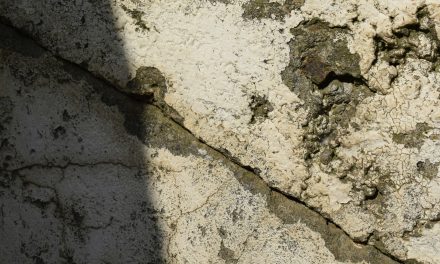
Cockroaches are notorious for infiltrating homes, often through unnoticed entry points. Understanding these pathways is crucial for effective pest management. Common entry points include gaps around doors, windows, and utility lines, as well as cracks in walls and foundations. These insects are adept at squeezing through minuscule openings, sometimes as small as 1/16 of an inch. They can also enter through plumbing and drainage systems, making it essential to inspect these areas regularly.
To mitigate the risk of infestation, homeowners should conduct a thorough inspection of their property. Pay particular attention to areas where utilities enter the home, such as electrical conduits and water pipes. Sealing these entry points with caulk or weather stripping can significantly reduce the likelihood of cockroach access. Additionally, installing door sweeps can help block gaps beneath doors, further fortifying your home against these resilient pests.
If you’re looking for effective strategies to keep your home free from cockroaches, you might find it helpful to explore related articles that discuss pest prevention. For instance, you can learn about various cooking techniques that can help maintain a clean kitchen environment, which is crucial in deterring pests. Check out this article on how to cook turkey breast perfectly in the oven, as a clean cooking space is essential in avoiding attracting unwanted insects: 10 Easy Steps to Perfectly Cook Turkey Breast in the Oven.
Keep Your Kitchen Spotless and Free of Crumbs
A clean kitchen is paramount in preventing cockroach infestations. These pests are attracted to food residues and crumbs, making it essential to maintain a spotless environment. Regularly sweeping and mopping floors can eliminate food particles that may attract cockroaches. Additionally, countertops should be wiped down daily to remove any spills or crumbs that may have accumulated during meal preparation.
Beyond surface cleaning, it is vital to address hidden areas where food debris may accumulate. This includes cleaning behind appliances such as stoves and refrigerators, as well as inside cabinets and drawers. By adopting a rigorous cleaning routine, homeowners can significantly diminish the food sources available to cockroaches, thereby reducing the likelihood of an infestation.
Store Food in Airtight Containers

Proper food storage is a critical component of pest prevention. Cockroaches are opportunistic feeders and will readily consume any accessible food source. To thwart their efforts, it is advisable to store all food items in airtight containers made from glass or heavy-duty plastic. This not only preserves the freshness of the food but also creates a barrier that cockroaches cannot penetrate.
In addition to dry goods, perishable items should be stored in sealed containers or refrigerated promptly after use. This practice minimizes the chances of attracting cockroaches with exposed food. Regularly checking pantry items for signs of infestation, such as droppings or shed skins, can also help catch potential problems early before they escalate into a full-blown infestation.
Fix Leaky Pipes and Eliminate Moisture

Moisture is a significant attractant for cockroaches, as they thrive in humid environments. Leaky pipes and faucets create ideal conditions for these pests to flourish. Homeowners should routinely inspect plumbing fixtures for leaks and repair any issues promptly. Additionally, ensuring that drains are clear and functioning properly can help prevent standing water, which can serve as a breeding ground for cockroaches.
Beyond addressing leaks, it is essential to manage humidity levels within the home. Utilizing dehumidifiers in damp areas such as basements or bathrooms can significantly reduce moisture levels. Proper ventilation in kitchens and bathrooms also plays a crucial role in maintaining a dry environment, further discouraging cockroach activity.
To effectively prevent cockroaches from invading your home, it’s essential to maintain a clean environment and eliminate potential food sources. Regularly cleaning your living spaces, sealing cracks, and properly storing food can significantly reduce the likelihood of an infestation. For more tips on maintaining cleanliness in your home, you might find this article on how to deep clean your carpet helpful, as it emphasizes the importance of thorough cleaning in pest prevention.
Seal Cracks and Gaps Around Doors and Windows
Sealing cracks and gaps around doors and windows is an effective strategy for preventing cockroach entry. These pests can easily exploit even the smallest openings to gain access to your home. Homeowners should conduct a thorough inspection of their property’s exterior, looking for any visible cracks or gaps that may serve as entry points.
Using caulk or expanding foam insulation can effectively seal these openings. Additionally, installing weather stripping around doors and windows can create a tight seal that prevents cockroaches from entering. Regular maintenance of these seals is essential to ensure their effectiveness over time.
If you’re looking for effective ways to keep your home free from cockroaches, it’s essential to understand their habits and the best prevention strategies. A helpful resource can be found in an article that discusses various household pests and how to manage them effectively. You can read more about it in this informative piece on top tips for pest control, which offers insights that can complement your efforts in maintaining a roach-free environment.
Regularly Take Out the Trash and Use Sealed Bins
Trash accumulation is a significant attractant for cockroaches, as it often contains food waste that provides an easy meal source. To minimize this risk, homeowners should establish a routine for taking out the trash regularly—ideally daily or every other day. Ensuring that garbage bins are emptied frequently reduces the likelihood of attracting pests.
Moreover, using sealed trash bins is crucial in deterring cockroaches from accessing waste materials. Opt for bins with tight-fitting lids that prevent odors from escaping and keep pests at bay. Cleaning trash bins periodically to remove any residual food particles can further enhance pest prevention efforts.
Declutter Your Home to Reduce Hiding Spots
Cockroaches thrive in cluttered environments where they can easily hide and breed. Reducing clutter within your home is an effective strategy for minimizing potential hiding spots for these pests. Begin by decluttering areas such as basements, attics, and storage spaces where items may accumulate over time.
Organizing belongings into labeled containers can help maintain order while making it easier to identify potential pest problems. Additionally, keeping floors clear of unnecessary items allows for easier cleaning and inspection, further reducing the likelihood of a cockroach infestation.
Use Natural Repellents Like Bay Leaves and Catnip
Natural repellents can serve as an effective deterrent against cockroaches without resorting to harsh chemicals. Bay leaves and catnip are two examples of natural substances known for their insect-repelling properties. Placing dried bay leaves in pantry shelves or cabinets can help deter cockroaches from invading these areas.
Similarly, catnip contains nepetalactone, a compound that repels cockroaches while being safe for humans and pets alike. Sprinkling dried catnip in areas prone to infestations can create an unwelcoming environment for these pests. Incorporating natural repellents into your pest management strategy can provide an additional layer of protection against cockroach invasions.
Set Up Cockroach Baits and Traps Strategically
Utilizing cockroach baits and traps is an effective method for controlling infestations once they occur. Baits typically contain a slow-acting insecticide mixed with an attractive food source that lures cockroaches in. Once consumed, the insecticide disrupts their ability to reproduce and ultimately leads to their demise.
Strategically placing baits in areas where cockroach activity has been observed—such as behind appliances or along baseboards—can enhance their effectiveness. Additionally, using sticky traps can help monitor pest activity while capturing individual cockroaches for identification purposes. Regularly checking these traps allows homeowners to gauge the severity of an infestation and adjust their pest control strategies accordingly.
Maintain Proper Ventilation to Reduce Humidity
Proper ventilation is essential in maintaining a dry environment that discourages cockroach infestations. Ensuring adequate airflow throughout your home helps reduce humidity levels that attract these pests. Homeowners should regularly check ventilation systems, including exhaust fans in kitchens and bathrooms, to ensure they are functioning correctly.
Opening windows when weather permits can also promote airflow and reduce indoor humidity levels. In areas prone to dampness, such as basements or crawl spaces, installing vents or using dehumidifiers can further enhance ventilation efforts. By maintaining proper airflow throughout your home, you create an inhospitable environment for cockroaches.
Schedule Routine Professional Pest Inspections
While implementing preventive measures is crucial, scheduling routine professional pest inspections can provide an added layer of protection against cockroach infestations. Pest control experts possess the knowledge and tools necessary to identify potential problem areas within your home that may go unnoticed by homeowners.
During inspections, professionals will assess entry points, moisture levels, and signs of pest activity while providing tailored recommendations for treatment if necessary. Regular inspections allow for early detection of infestations before they escalate into larger problems, ultimately saving homeowners time and money on extensive pest control measures.
In summary, preventing cockroach infestations requires a multifaceted approach that includes identifying entry points, maintaining cleanliness, proper food storage, addressing moisture issues, sealing gaps, managing waste effectively, decluttering spaces, utilizing natural repellents, strategically placing baits and traps, ensuring proper ventilation, and scheduling routine professional inspections. By implementing these strategies diligently, homeowners can significantly reduce the risk of encountering these resilient pests within their living spaces.
### FAQ Section
1. **What attracts cockroaches to my home?**
Cockroaches are primarily attracted by food sources (crumbs or spills), moisture (leaky pipes), and shelter (cluttered spaces).
2. **How do I know if I have a cockroach infestation?**
Signs include droppings resembling coffee grounds or black pepper, shed skins, egg cases (oothecae), and a musty odor.
3. **Are natural repellents effective against cockroaches?**
Yes! Natural repellents like bay leaves and catnip can deter cockroaches without harmful chemicals.
4. **How often should I clean my kitchen to prevent roaches?**
Daily cleaning is recommended; however, deep cleaning should be done weekly to eliminate hidden food sources.
5. **What should I do if I find a cockroach?**
If you spot one roach, inspect your home thoroughly for signs of infestation; consider setting traps or contacting pest control services.
6. **Can I use over-the-counter pesticides?**
Yes, but ensure they are specifically labeled for cockroach control; follow instructions carefully for safety.
7. **How long does it take to eliminate a cockroach infestation?**
The timeline varies based on severity; with proper treatment and prevention measures, it may take several weeks to months.
8. **Is it safe to use baits around pets?**
While many baits are designed to be safe when used correctly, always read labels carefully and consult with professionals if unsure.
9. **What role does humidity play in attracting roaches?**
High humidity creates favorable conditions for roach survival; reducing moisture levels makes your home less inviting.
10. **How often should I schedule professional pest inspections?**
It’s advisable to have inspections at least once a year or more frequently if you live in high-risk areas for infestations.
By adhering to these guidelines and remaining vigilant about potential risks associated with cockroach infestations, homeowners can create a healthier living environment free from these unwelcome pests.
FAQs
What are the common entry points for cockroaches in a home?
Cockroaches can enter homes through various entry points, including cracks and crevices in walls, gaps around doors and windows, and openings around plumbing and electrical lines. They can also hitch a ride on grocery bags, cardboard boxes, and used furniture.
How can I prevent cockroaches from entering my home?
To prevent cockroaches from entering your home, seal any cracks and crevices with caulk, install door sweeps, and ensure windows are properly screened. Regularly inspect and repair any gaps around plumbing and electrical fixtures to minimize entry points.
What are effective ways to eliminate food sources for cockroaches?
To eliminate food sources for cockroaches, store food in airtight containers, clean up spills and crumbs promptly, and avoid leaving pet food out overnight. Regularly take out the trash and ensure that garbage cans have tight-fitting lids.
How important is cleanliness in preventing cockroach infestations?
Cleanliness is crucial in preventing cockroach infestations. Regular cleaning reduces food and water sources that attract cockroaches. Vacuuming, mopping, and decluttering can help eliminate hiding spots and make your home less inviting to these pests.
When should I consider calling a pest control professional for cockroach issues?
If you notice a significant cockroach infestation, or if DIY methods are not effective in controlling the problem, it may be time to call a pest control professional. They can assess the situation, identify the species, and implement targeted treatments to eliminate the infestation.