Seasoning is the cornerstone of culinary excellence, transforming bland ingredients into vibrant dishes that tantalize the palate. Mastering the art of seasoning involves understanding the balance between salt, sweetness, acidity, and bitterness. Salt is often the most crucial element; it enhances flavors and can even suppress bitterness. However, it is essential to use it judiciously, as over-salting can ruin a dish. A good rule of thumb is to season in layers—adding salt at different stages of cooking to build depth.
Beyond salt, other seasonings such as pepper, garlic powder, and onion powder can elevate a dish’s flavor profile. The key is to taste continuously throughout the cooking process. This practice allows for adjustments and ensures that the final product is well-balanced. Additionally, understanding the specific characteristics of various seasonings can help in creating harmonious blends that complement each other, leading to a more sophisticated culinary experience.
If you’re looking to enhance your cooking experience, you might find it beneficial to incorporate fresh herbs from your own garden. For some great ideas on how to create a vibrant outdoor space that can inspire your culinary adventures, check out this article on the top 10 best plants for a small patio garden: Top 10 Best Plants for a Small Patio Garden. Having fresh ingredients at your fingertips can elevate your dishes and make cooking even more enjoyable.
Use Fresh Herbs to Elevate Dishes
Fresh herbs are nature’s flavor enhancers, offering a burst of freshness that dried herbs simply cannot replicate. Incorporating fresh herbs like basil, cilantro, parsley, and thyme can elevate a dish from ordinary to extraordinary. These herbs not only add flavor but also contribute vibrant colors and aromas that stimulate the senses. For instance, basil pairs beautifully with tomatoes, while cilantro complements spicy dishes, adding a refreshing contrast.
To maximize the impact of fresh herbs, consider adding them at different stages of cooking. For example, hardy herbs like rosemary and thyme can withstand longer cooking times, while delicate herbs such as basil and chives should be added just before serving to preserve their bright flavors. Additionally, finely chopping or bruising herbs releases essential oils, intensifying their aromatic qualities and enhancing the overall dish.
Embrace the Power of Marinades

Marinades are an essential technique for infusing meats, vegetables, and even tofu with flavor. A well-crafted marinade typically consists of an acid (like vinegar or citrus juice), oil, and various seasonings. The acid helps to tenderize proteins while imparting flavor, making it a crucial component in any marinade. For example, a simple mixture of olive oil, lemon juice, garlic, and herbs can transform chicken into a succulent dish bursting with flavor.
When marinating, timing is critical. While some proteins benefit from a quick soak of 30 minutes, others may require several hours or even overnight for optimal flavor penetration. It is also important to consider food safety; always marinate in the refrigerator to prevent bacterial growth. After marinating, discard any leftover marinade that has come into contact with raw meat to avoid cross-contamination.
Utilize High-Quality Stock and Broth

The foundation of many great dishes lies in the quality of the stock or broth used. Homemade stock made from simmering bones, vegetables, and herbs provides a depth of flavor that store-bought versions often lack. For instance, chicken stock can serve as a base for soups, sauces, and risottos, enriching them with a savory undertone. When preparing stock, roasting bones beforehand can enhance the flavor profile through caramelization.
Incorporating high-quality stock into recipes not only improves taste but also adds nutritional value. Stocks are rich in minerals and collagen, which can contribute to overall health. When using store-bought options, opt for low-sodium varieties to maintain control over salt levels in your dishes. Always taste your stock before using it as a base; this ensures that you can adjust seasoning accordingly.
If you’re looking to enhance your culinary skills, you might find some valuable insights in a related article that offers practical cooking tips. These tips can help you streamline your kitchen processes and elevate your dishes to new heights. For more information, check out this helpful resource on cooking techniques that can make a significant difference in your meal preparation.
Optimize Cooking Times with Prepping Techniques
Efficient cooking is not just about speed; it’s about maximizing flavor while minimizing effort. Prepping ingredients ahead of time can significantly reduce cooking times and streamline the process. Techniques such as mise en place—having all ingredients measured and ready—allow for a smoother cooking experience. This method not only saves time but also reduces stress in the kitchen.
Additionally, employing techniques like blanching vegetables before sautéing can enhance their color and texture while reducing overall cooking time. For instance, blanching green beans in boiling water for a minute before shocking them in ice water preserves their vibrant color and crunchiness. By optimizing cooking times through effective prepping techniques, home cooks can create delicious meals without feeling overwhelmed.
If you’re looking to enhance your culinary skills, you might find some valuable insights in a related article that offers practical cooking tips. These tips can help you navigate the kitchen with confidence and improve your meal preparation. For more information on maintaining a healthy lifestyle, you can check out this article on brushing your dog’s teeth at home, which emphasizes the importance of care and routine in both cooking and pet ownership.
Incorporate Acidic Ingredients for Brightness
Acidic ingredients play a pivotal role in balancing flavors within a dish. Ingredients such as vinegar, citrus juice, and even fermented products like kimchi or sauerkraut can add brightness and complexity to meals. The acidity cuts through richness and enhances other flavors, making it an essential component in many recipes. For example, a splash of balsamic vinegar can elevate roasted vegetables by adding depth and contrast.
When incorporating acidic ingredients, timing is crucial. Adding them too early in the cooking process may result in diminished flavors due to evaporation or overcooking. Instead, consider adding acidic components towards the end of cooking or as a finishing touch to preserve their vibrant qualities. This technique not only enhances flavor but also adds an appealing visual element to dishes.
Toast Spices to Unlock Deeper Flavors
Toasting spices is a simple yet effective technique that unlocks their essential oils and enhances their flavors significantly. When spices are heated in a dry pan over medium heat, they release aromatic compounds that deepen their flavor profile. For instance, toasting cumin seeds before grinding them into powder can transform their taste from flat to robust and complex.
It is essential to monitor spices closely while toasting; they can quickly go from perfectly toasted to burnt if left unattended. Once toasted, allow them to cool before grinding or incorporating them into dishes. This technique not only amplifies flavors but also adds an aromatic quality that elevates the overall dining experience.
Make One-Pot Meals for Efficiency
One-pot meals are an excellent solution for busy individuals seeking efficiency without sacrificing flavor or nutrition. These meals allow for easy preparation and minimal cleanup while still delivering satisfying results. Dishes such as stews, casseroles, or stir-fries can be prepared in one vessel, allowing flavors to meld beautifully during cooking.
The versatility of one-pot meals is another significant advantage; they can accommodate various ingredients based on seasonal availability or personal preferences. By layering ingredients strategically—starting with proteins followed by vegetables and grains—home cooks can create balanced meals that are both hearty and nutritious without extensive effort.
Use Sharp Knives to Save Time and Enhance Presentation
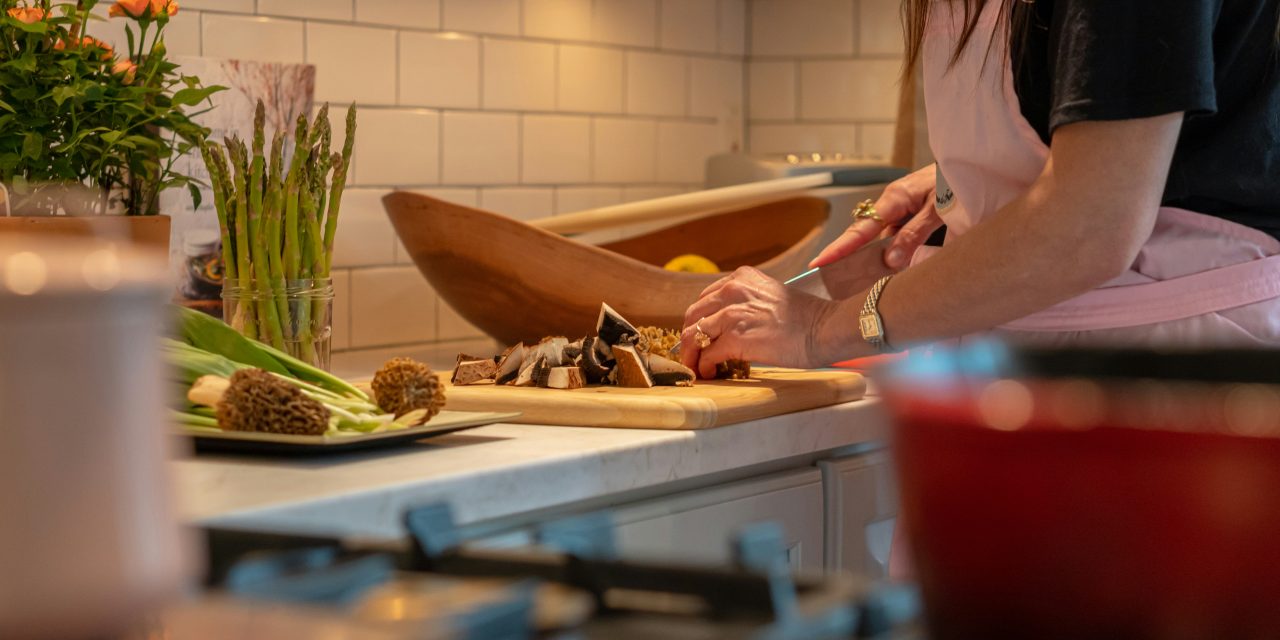
The importance of using sharp knives cannot be overstated in culinary practices. A sharp knife not only makes cutting more efficient but also enhances safety by reducing the risk of slips and accidents during food preparation. Dull knives require more force to cut through ingredients, leading to uneven slices and potential injuries.
Moreover, sharp knives contribute significantly to presentation quality. Uniform cuts create visually appealing dishes that showcase culinary skills effectively. Investing in high-quality knives and maintaining them through regular sharpening will improve both efficiency and aesthetics in the kitchen.
Experiment with Umami Boosters
Umami—the fifth taste—adds depth and richness to dishes that can elevate them beyond basic flavors. Ingredients rich in umami include mushrooms, tomatoes, soy sauce, miso paste, and aged cheeses like Parmesan. Incorporating these elements into recipes can create complex flavor profiles that leave a lasting impression on diners.
Experimenting with umami boosters allows cooks to explore new dimensions in their culinary creations. For instance, adding a splash of soy sauce to a vegetable stir-fry can enhance its overall flavor without overpowering other ingredients. Understanding how to balance umami with other tastes will lead to more sophisticated dishes that delight the senses.
Plan and Prep Ingredients Ahead for Quick Assembly
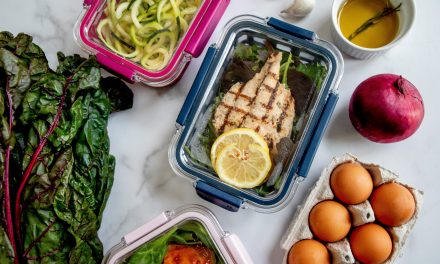
Planning and prepping ingredients ahead of time is crucial for efficient meal preparation. By dedicating time to wash, chop, and organize ingredients before cooking begins, home cooks can streamline their workflow significantly. This practice not only saves time but also reduces stress during busy weeknights when quick meals are essential.
Creating a meal plan for the week allows individuals to shop strategically for ingredients while minimizing waste. Batch cooking staples like grains or proteins can provide versatile bases for various meals throughout the week. By having prepped ingredients on hand, assembling delicious dishes becomes an effortless task that encourages creativity in the kitchen.
In summary, mastering culinary techniques such as proper seasoning, utilizing fresh herbs, embracing marinades, and optimizing cooking times can significantly enhance your cooking experience. Incorporating high-quality stocks and acidic ingredients adds depth and brightness to dishes while experimenting with umami boosters creates complex flavors that delight the palate. Efficient practices like one-pot meals and ingredient prep streamline cooking processes while sharp knives improve both safety and presentation quality. By embracing these techniques and strategies, home cooks can elevate their culinary skills and create memorable dining experiences with ease.
FAQs
What are some essential cooking tips for beginners?
For beginners, it’s important to start with basic techniques such as chopping, sautéing, and boiling. Familiarize yourself with kitchen tools and equipment, read recipes thoroughly before starting, and practice mise en place, which means having all your ingredients prepped and ready to go. Additionally, don’t be afraid to experiment and make mistakes, as this is part of the learning process.
How can I improve my knife skills?
Improving knife skills involves practicing proper techniques such as the claw grip for holding food and the rocking motion for cutting. Invest in a good quality chef’s knife and keep it sharp. Watching instructional videos or taking a cooking class can also help you learn different cutting techniques and improve your speed and precision.
What are some tips for meal prepping?
Meal prepping can save time and ensure you have healthy meals ready to go. Start by planning your meals for the week and creating a shopping list. Choose recipes that share ingredients to minimize waste. Cook in bulk, using large pots or pans, and store meals in portioned containers. Label and date your meals to keep track of freshness.
How can I enhance the flavor of my dishes?
To enhance the flavor of your dishes, use fresh herbs and spices, which can elevate even the simplest recipes. Experiment with different cooking methods, such as roasting or grilling, to bring out natural flavors. Additionally, balancing flavors with acidity (like lemon juice or vinegar) and sweetness can create a more complex taste profile.
What are some common cooking mistakes to avoid?
Common cooking mistakes include not reading the recipe thoroughly, which can lead to missed steps or ingredients. Overcrowding the pan can cause food to steam instead of brown, and not allowing meat to rest after cooking can result in dry texture. Additionally, neglecting to taste and adjust seasoning throughout the cooking process can lead to bland dishes.