Homeownership is often viewed as a cornerstone of the American Dream, yet it comes with a plethora of responsibilities, particularly in the realm of maintenance. Understanding home maintenance costs is crucial for homeowners to ensure their properties remain safe, functional, and aesthetically pleasing. These expenses can vary significantly based on factors such as the age of the home, local climate, and the materials used in construction. A well-maintained home not only enhances the quality of life for its occupants but also preserves its value over time.
Budgeting for home maintenance requires a strategic approach. Homeowners should anticipate both routine and unexpected expenses. According to the National Association of Realtors, it is advisable to allocate approximately 1% to 3% of a home’s value annually for maintenance and repairs. This proactive financial planning can mitigate the stress associated with sudden repairs and help maintain the integrity of the property.
When considering housing maintenance costs, it’s essential to factor in the upkeep of kitchen appliances, which can significantly impact overall expenses. A related article that provides valuable insights on maintaining one of the most used appliances in the home is about cleaning gas stove burners. This resource offers practical tips on how to effectively clean and remove clogged residue, helping to prolong the life of your stove and reduce potential repair costs. You can read more about it here: How to Clean Gas Stove Burners and Remove Clogged Residue.
Roof Repairs and Replacement
The roof serves as the first line of defense against environmental elements, making its maintenance paramount. Roof repairs can range from minor fixes, such as replacing shingles, to complete roof replacements, which can be a significant financial undertaking. The average cost of a roof replacement can range from $5,000 to $15,000, depending on the size of the home and the materials chosen. Asphalt shingles are among the most common roofing materials due to their affordability and durability, while metal roofs offer longevity but at a higher initial cost.
Regular inspections are essential for identifying potential issues before they escalate into costly repairs. Homeowners should consider scheduling professional roof inspections at least once a year or after severe weather events. Signs that indicate the need for repairs include missing shingles, leaks, and sagging areas. Investing in timely repairs not only extends the lifespan of the roof but also prevents water damage that could affect other areas of the home.
HVAC System Servicing and Replacement

Heating, ventilation, and air conditioning (HVAC) systems are vital for maintaining indoor comfort throughout the year. Regular servicing is crucial to ensure these systems operate efficiently and effectively. Homeowners should schedule annual maintenance checks, which typically cost between $100 and $300, depending on the service provider and location. During these inspections, technicians will clean components, check refrigerant levels, and replace filters, which can enhance system performance and longevity.
When it comes to replacement, HVAC systems have an average lifespan of 15 to 20 years. The cost of a new system can range from $5,000 to $10,000 or more, depending on the size of the home and the type of system installed. Energy-efficient models may have a higher upfront cost but can lead to significant savings on utility bills over time. Homeowners should consider investing in Energy Star-rated systems that not only reduce energy consumption but also qualify for tax credits or rebates.
Plumbing Repairs and Upgrades

Plumbing issues can arise unexpectedly and often lead to significant damage if not addressed promptly. Common problems include leaky faucets, clogged drains, and malfunctioning water heaters. The average cost for plumbing repairs can vary widely; minor fixes may cost around $150, while major repairs or replacements can exceed $1,500. Homeowners should be vigilant about signs of plumbing issues such as water stains on ceilings or walls, unusual noises from pipes, or decreased water pressure.
Upgrading plumbing fixtures can also enhance efficiency and aesthetics. Low-flow toilets and faucets not only conserve water but can also reduce utility bills. The cost of upgrading fixtures typically ranges from $100 to $500 per fixture, depending on the quality and brand chosen. Regular maintenance, such as flushing water heaters annually and inspecting pipes for corrosion, can prevent costly repairs down the line.
When considering housing maintenance costs, it’s essential to factor in various aspects that can impact your budget over time. One often overlooked area is the upkeep of indoor plants, which can contribute to both the aesthetic appeal and air quality of your home. For those looking to enhance their living space without the stress of high maintenance, you might find interest in a related article about beginner-friendly plants that are almost impossible to kill. You can read more about these resilient options here. By choosing the right plants, you can enjoy a vibrant home environment while keeping maintenance costs low.
Electrical System Maintenance
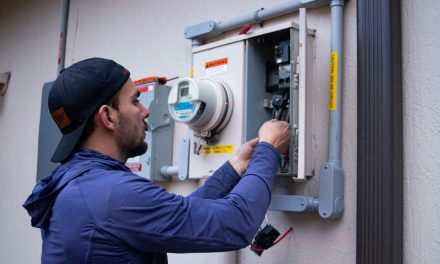
The electrical system is a critical component of any home, providing power for lighting, appliances, and heating systems. Regular maintenance is essential to ensure safety and efficiency. Homeowners should consider having their electrical systems inspected every few years by a licensed electrician. This inspection typically costs between $200 and $500 and can identify potential hazards such as outdated wiring or overloaded circuits.
In cases where upgrades are necessary, homeowners may face costs ranging from $1,500 to $3,000 for rewiring or panel upgrades. Investing in modern electrical systems not only enhances safety but also accommodates the increasing demand for electricity due to modern appliances and technology. Additionally, installing energy-efficient lighting solutions can significantly reduce electricity consumption.
When considering the various aspects of home ownership, understanding housing maintenance costs is crucial for budgeting effectively. An insightful article that delves into this topic can be found here, providing valuable tips on managing expenses related to upkeep and repairs. Additionally, if you are a pet owner, you might also want to explore options for overnight care for your furry friends while you focus on home maintenance. For more information on trusted pet sitters, check out this helpful resource on overnight dog care.
Exterior Painting and Siding Repairs
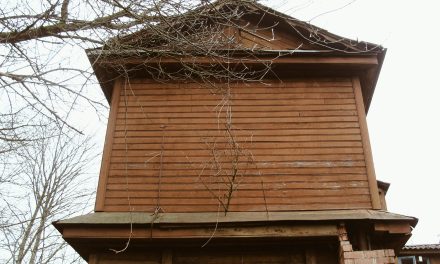
The exterior of a home is subject to wear and tear from weather conditions, necessitating regular maintenance to preserve its appearance and structural integrity. Exterior painting is one of the most effective ways to protect siding materials from moisture damage and UV rays. The average cost for exterior painting ranges from $2,500 to $5,000 depending on the size of the home and the quality of paint used.
Siding repairs may also be necessary over time due to damage from pests or weather-related issues. Vinyl siding is popular due to its low maintenance requirements; however, wood siding may require more frequent upkeep. Homeowners should budget for periodic inspections to identify any signs of damage early on, which can prevent more extensive repairs later.
Gutter Cleaning and Repairs
Gutters play a crucial role in directing water away from a home’s foundation; thus, regular cleaning and maintenance are essential to prevent clogs that can lead to water damage. Homeowners should aim to clean gutters at least twice a year—once in spring and once in fall—costing approximately $100 to $300 per cleaning service.
In addition to cleaning, homeowners should inspect gutters for signs of wear or damage such as rust or sagging sections. Repairing or replacing damaged gutters can range from $200 to $1,500 depending on the extent of the damage and materials used. Investing in gutter guards can also reduce maintenance frequency by preventing debris accumulation.
Foundation Inspection and Repairs
The foundation is arguably one of the most critical components of a home’s structure; any issues here can lead to severe consequences if left unaddressed. Signs of foundation problems include cracks in walls or floors, doors that stick or do not close properly, and uneven flooring. Homeowners should schedule professional foundation inspections every few years or after significant weather events.
Repairing foundation issues can be costly; minor repairs may start around $500 while extensive work could exceed $10,000 depending on the severity of the problem. Solutions may include underpinning or slab jacking techniques that stabilize the foundation without extensive excavation.
Appliance Maintenance and Replacement
Household appliances are essential for daily living but require regular maintenance to ensure optimal performance. Common appliances such as refrigerators, washing machines, and ovens should be serviced periodically to prevent breakdowns. The average cost for appliance repair ranges from $100 to $400 depending on the appliance type and issue.
When it comes time for replacement, homeowners should consider energy-efficient models that not only save money on utility bills but also reduce environmental impact. The cost for new appliances varies widely; for instance, a refrigerator may range from $800 to $3,000 based on features and brand. Investing in high-quality appliances can lead to long-term savings through reduced repair costs and energy consumption.
Pest Control Services
Pest infestations can pose significant health risks and cause extensive property damage if not addressed promptly. Common pests include termites, rodents, ants, and cockroaches. Homeowners should consider scheduling regular pest control services at least once or twice a year; costs typically range from $100 to $300 per visit depending on the type of treatment required.
Preventative measures are equally important in pest control strategies. Sealing cracks in walls, maintaining clean outdoor spaces, and ensuring proper drainage can deter pests from entering homes. In cases of severe infestations, homeowners may need to invest in more extensive treatments that could exceed $1,000.
Landscaping and Lawn Care
A well-maintained landscape enhances curb appeal while providing outdoor enjoyment for homeowners. Regular lawn care services—including mowing, fertilization, and weed control—are essential for maintaining healthy grass and plants. The average cost for lawn care services ranges from $50 to $150 per visit depending on the size of the property.
Additionally, landscaping projects such as planting trees or installing hardscapes can significantly enhance property value but require careful budgeting. Homeowners should consider investing in native plants that require less water and maintenance while providing ecological benefits.
Budgeting for Home Maintenance Expenses
In conclusion, understanding home maintenance costs is vital for homeowners aiming to preserve their investment while ensuring safety and comfort within their living spaces. By proactively budgeting for various maintenance tasks—from roof repairs to pest control—homeowners can mitigate unexpected expenses that arise over time. Regular inspections and timely repairs not only extend the lifespan of critical systems but also enhance overall property value.
Ultimately, effective budgeting involves anticipating both routine upkeep costs as well as setting aside funds for unexpected repairs that may arise due to wear and tear or environmental factors. By adopting a comprehensive approach to home maintenance expenses, homeowners can enjoy peace of mind knowing their properties are well cared for while safeguarding their financial investment over time.
FAQs
What are common housing maintenance costs homeowners should expect?
Common housing maintenance costs include routine expenses such as lawn care, HVAC servicing, plumbing repairs, roof maintenance, and pest control. Homeowners should also budget for unexpected repairs, such as fixing leaks or replacing appliances, which can vary significantly based on the age and condition of the home.
How can homeowners estimate their annual maintenance costs?
A general rule of thumb is to budget 1% to 3% of the home’s value for annual maintenance costs. For example, if a home is valued at $300,000, homeowners should expect to spend between $3,000 and $9,000 annually on maintenance. This estimate can help in planning for both routine and unexpected expenses.
Are there seasonal maintenance costs that homeowners should consider?
Yes, seasonal maintenance costs can vary significantly. For instance, winter may require expenses for snow removal and heating system checks, while spring might involve landscaping and gutter cleaning. Summer often brings costs related to air conditioning maintenance, and fall may require roof inspections and preparation for winter.
What factors can influence housing maintenance costs?
Several factors can influence housing maintenance costs, including the age and condition of the home, local climate, the materials used in construction, and the homeowner’s lifestyle. Homes in harsher climates may require more frequent maintenance, while older homes may have higher costs due to outdated systems and materials.
How can homeowners reduce their maintenance costs?
Homeowners can reduce maintenance costs by performing regular inspections, conducting preventative maintenance, and addressing minor repairs promptly before they escalate. Additionally, investing in high-quality materials and energy-efficient systems can lead to long-term savings on maintenance and utility bills.